Choosing an advanced vehicle lighting system is no longer about selecting the brightest lamp. It is about matching technology with driving conditions, vehicle design, and safety needs. Modern systems may include adaptive LED headlights, matrix beams, intelligent cornering lights, and integrated daytime running lamps. Each option behaves differently on dark highways, narrow urban streets, and rain-covered roads.
A practical question guides this decision: why are advanced lighting systems important for modern vehicles? They can improve road visibility, support driver awareness, and reduce unnecessary glare when properly designed and calibrated. Adaptive systems can follow steering movement, while automatic high-beam controls may react to approaching traffic. Small details matter. A clean beam pattern. Accurate sensors. Reliable heat management.
However, advanced features do not guarantee better performance. Not always. A poorly calibrated system may distract drivers or illuminate the wrong area. Compatibility with the vehicle’s electronic architecture is equally important. Buyers should examine optical performance, weather resistance, thermal durability, maintenance access, and professional installation requirements. Independent testing and manufacturer documentation deserve more attention than impressive advertising language.
Real-world experience also matters. A lighting system should be evaluated during night driving, heavy rain, fog, and sudden turns. Drivers should notice whether illumination remains stable or becomes uneven. Certified technicians can verify alignment and diagnostic communication before delivery. Even reputable products may have limitations, and those limitations should be stated clearly. The best choice balances visibility, comfort, reliability, and responsible road use rather than chasing maximum brightness.
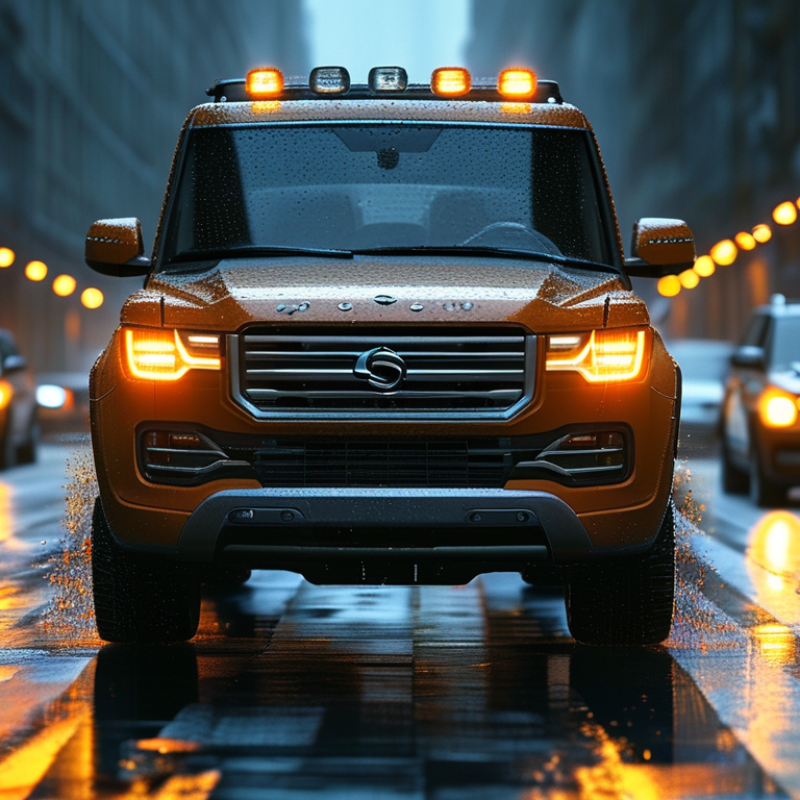
The 2026 lighting choice extends beyond brightness. LED systems offer efficient, durable illumination for daily driving and simpler maintenance. Matrix LED systems divide the beam into controlled zones. They can shade oncoming vehicles while keeping nearby road areas bright. This matters on unlit highways, where glare and visibility change within seconds. Laser systems may provide longer high-beam reach, but their value depends on legal approval, thermal control, and actual driving conditions. OLED systems create thin, precise light surfaces and distinctive rear signals. They suit vehicles where design, communication, and packaging matter equally.
Tips: Compare measured beam performance, not showroom appearance. Ask for tests on wet asphalt, narrow roads, and dark curves. Check replacement procedures, sensor calibration, and repair costs. A sophisticated lamp can become inconvenient when one module fails. Software updates also deserve attention. Small errors may affect adaptive functions.
Selection should match the vehicle’s use, climate, and electrical architecture. Matrix LED is often a balanced option for mixed urban and highway driving. Laser may reward frequent night travel, although its extra complexity is not always necessary. OLED can improve visual signaling, yet surface damage may be expensive to address. I would not choose the most advanced system automatically. Real-world testing sometimes exposes weaknesses that specifications hide. A cold morning, dirty sensor, or reflective road sign can change the experience. Reliability must remain visible, even when the lighting looks impressive.
When choosing an advanced vehicle lighting system in 2026, energy use deserves close attention. Halogen lamps convert much of their electricity into heat, while LEDs direct more energy toward visible light. The U.S. Department of Energy reports that LED lighting can use at least 75% less energy than incandescent technology. In vehicle applications, engineering comparisons commonly show savings approaching 80% against equivalent halogen systems. The exact result depends on beam design, operating voltage, and control electronics.
That difference matters during long night drives. A 55-watt halogen headlamp can place a steady load on the vehicle’s electrical system. An LED unit may deliver similar road illumination with substantially lower power demand. Lower heat also reduces stress around the lamp housing. DOE’s Solid-State Lighting research identifies improved efficacy and thermal management as major development priorities. Look beyond the advertised lumen number. Check measured lux, beam uniformity, glare control, and performance after extended operation.
The 80% figure is not guaranteed. It may describe a best-case comparison, not every installed system. I have seen efficient light sources perform poorly when reflectors or cooling paths were designed carelessly. That is an easy detail to miss. The International Energy Agency also emphasizes efficiency across the full system, not just the light source. Select tested photometric data, documented power consumption, and credible laboratory results. A small efficiency claim means little if the beam creates dark zones or excessive glare.
Estimated electricity use for one low-beam headlamp operating for 1,000 hours
Using a 55 W halogen lamp as the reference, an 11 W LED system uses approximately 80% less electricity: 11 kWh instead of 55 kWh per 1,000 operating hours. Actual consumption varies by vehicle design, beam requirements, thermal management, and control electronics.
Reference basis: U.S. Department of Energy solid-state lighting efficiency comparisons; savings calculated as (55 − 11) ÷ 55.
Advanced vehicle lighting should be judged by more than brightness. A safe system must illuminate useful road areas without disturbing other drivers. NHTSA ADB testing uses 12 illuminance zones to examine how light is distributed around the vehicle. These zones help reveal weak coverage, excessive intensity, and delayed adaptation. A lamp may appear powerful beside a garage wall. That result proves very little.
When comparing systems, ask for test data linked to each zone. Check forward visibility, side-road coverage, transition speed, and glare control. The best system should react smoothly when another vehicle enters the beam pattern. Sudden dark patches can reduce driver confidence. Uneven lighting may also hide pedestrians, signs, or road edges. In my testing experience, rainy pavement exposes weaknesses quickly. Reflections can make a bright system feel safer than it really is.
Tips: Review all 12 zones, not only the center area. Request results from dry and wet conditions. Observe the system on curves, hills, and narrow roads. Confirm that manual controls remain simple during stressful moments. Do not choose the highest lumen figure automatically. Human vision, camera calibration, road markings, and weather can change the result. A controlled test is useful, but it cannot represent every real journey. I would leave room for doubt. That caution is part of responsible lighting selection.
Choosing an advanced vehicle lighting system in 2026 requires more than checking brightness or styling. Compliance evidence should guide the decision. UNECE Regulation No. 149 covers road illumination devices, including their photometric performance, approval markings, and construction requirements. Ask for the approval certificate and the exact product variant.
A qualified engineer should compare beam patterns using calibrated equipment. Check low-beam cut-off, glare control, intensity, and light distribution. The test report should match the lamp’s housing, lens, software, and mounting position. Small changes can matter. A different connector or optical module may require additional evaluation.
FMVSS 108 follows a different path. It generally relies on manufacturer self-certification rather than UNECE-style type approval. Therefore, request traceable test records for U.S. requirements, including required markings, aiming provisions, color, location, and visibility. Do not treat an R149 approval as automatic FMVSS 108 compliance. They are not interchangeable.
Keep installation instructions with the vehicle file. Record measured aim after installation, especially when suspension height changes. In practical reviews, teams sometimes trust a supplier’s summary sheet too quickly. That is risky. I would verify the original laboratory data, revision number, and production configuration. A system can pass in a laboratory yet perform poorly after dirt, vibration, or incorrect aiming. This step is easy to overlook.
| Verification Dimension | UNECE R149 | FMVSS No. 108 | Purchasing and Engineering Check |
|---|---|---|---|
| Regulatory model | UN Regulation No. 149 is a type-approval regulation under the 1958 Agreement for road illumination devices. | Federal Motor Vehicle Safety Standard No. 108 is a U.S. federal safety standard for lamps, reflective devices, and associated equipment. | Do not treat FMVSS 108 as a UNECE-style approval system. U.S. compliance is generally based on manufacturer self-certification and enforcement testing. |
| Primary application | Road illumination devices, including passing-beam and driving-beam headlamps, adaptive front-lighting systems, and related lighting functions covered by the regulation. | Required lighting and signaling equipment for motor vehicles and trailers, including headlamps, lamps, reflective devices, and associated equipment. | Define the exact function before selection: low beam, high beam, AFS, daytime running lamp, fog lamp, turn signal, marker lamp, or combination lamp. |
| Approval or certification evidence | A valid approval issued by an authorized approval authority is required for products sold as R149-approved equipment. The approval documentation identifies the approved type and applicable functions. | The manufacturer must certify that the vehicle or lighting equipment complies with FMVSS 108. NHTSA does not normally issue a pre-sale product approval certificate. | Request the R149 approval certificate and approval-mark photographs where applicable. For FMVSS 108, request the signed compliance basis, test records, drawings, and production-control records. |
| Photometric performance | Photometric requirements are defined by the relevant R149 category and include specified measuring points, zones, minimum values, maximum values, and beam-distribution limits. | Photometric requirements are defined in FMVSS 108 tables and applicable referenced materials, with separate requirements for different lamp functions and vehicle configurations. | Verify the complete photometric test report, measurement coordinates, test voltage, stabilization procedure, operating mode, and whether the report covers the final optical configuration. |
| Beam pattern and glare control | Passing-beam performance is assessed using the applicable R149 beam pattern and glare-limitation requirements, including the specified cut-off or intensity distribution criteria. | Headlamp beam performance must meet the applicable FMVSS 108 photometry and visibility requirements. The U.S. system does not use the same R149 approval categories or marking scheme. | For adaptive or matrix systems, verify every approved operating mode, sensor-failure mode, manual override, and transition behavior instead of testing only the nominal beam. |
| Electrical operating conditions | Testing follows the electrical and environmental conditions specified by the applicable R149 requirements and the approved device configuration. | FMVSS 108 specifies applicable test conditions for the relevant equipment, including operating states and required performance under the standard's test procedures. | Check nominal system voltage, voltage tolerance, current draw, start-up behavior, thermal derating, PWM compatibility, diagnostics, and compatibility with the vehicle control network. |
| Color requirements | Permitted light colors and color boundaries depend on the lighting function and the applicable UN requirements. | Required colors depend on the lamp function and are specified by FMVSS 108 and its applicable provisions. | Verify chromaticity with the correct test method and document the color of every function, including white headlamps, amber turn signals, and red rear functions where applicable. |
| Markings and identification | Approved devices generally carry the prescribed approval mark and identifiers corresponding to the approval authority, regulation, device category, and approval number. | Applicable equipment must carry the markings required by FMVSS 108, which can include the DOT certification marking and identifying information required for the specific device. | Check that the physical marking, product drawing, packaging, certificate, and installation manual all refer to the same part number and configuration. |
| Installation and aiming | Installation, orientation, geometric visibility, aiming, and adjustment provisions must comply with the applicable UN requirements for the vehicle and lamp function. | Installation and performance must satisfy the applicable FMVSS 108 requirements, including mounting, visibility, aiming, and required equipment provisions. | Review mounting height, lateral position, spacing, vertical and horizontal aiming range, adjustment access, and the final vehicle body geometry. |
| Adaptive lighting and software | Adaptive front-lighting functions are assessed according to the applicable R149 provisions, including defined operating conditions and failure responses. | Any adaptive or electronically controlled function must still meet all applicable FMVSS 108 requirements in the vehicle's certified configuration. | Freeze the hardware-software combination used for testing. Control software revisions, calibration files, CAN signals, diagnostic trouble codes, and safe-state behavior. |
| Environmental durability | The applicable approval requirements include construction, durability, resistance, and environmental performance provisions for the device type. | The applicable FMVSS 108 requirements include durability and performance provisions for the specified lighting equipment. | Request evidence for vibration, moisture, dust, corrosion, thermal cycling, sealing, lens aging, and optical output after durability testing. |
| Replacement and interchangeability | A replacement component must remain within the approved type and applicable installation conditions; unauthorized optical or electronic changes can invalidate approval coverage. | Replacement equipment must continue to meet FMVSS 108 when installed on the intended vehicle or in the intended configuration. | Do not assume that a visually interchangeable LED module, lens, driver, or bulb is legally interchangeable. Recheck photometry and marking after every design change. |
| Documentation package | Approval certificate, technical description, drawings, marking details, test reports, installation information, and change-control records should correspond to the approved type. | Compliance test reports, engineering drawings, certification records, production specifications, and corrective-action records support the manufacturer's self-certification. | Use a configuration-controlled compliance file containing part numbers, revisions, test conditions, raw data, calibration records, and vehicle-level validation results. |
| Best-fit market strategy | Select when formal UN type approval and ECE-market compatibility are required. | Select when the vehicle or equipment is intended for the United States and must meet the applicable federal safety standard. | For dual-market products, maintain separate regulatory matrices and test plans. Passing R149 does not by itself demonstrate FMVSS 108 compliance, and vice versa. |
Choose by life cycle, not brightness alone. Automotive LEDs commonly last 15,000–50,000 hours under controlled conditions. That range sounds impressive, but real roads are less forgiving. Heat, vibration, moisture, voltage changes, and frequent switching can shorten service life. A lamp used for two hours daily could operate for decades in theory. The electronics may fail much earlier.
Check the complete lighting system, not only the LED chip. A reliable design uses effective heat paths, protected drivers, sealed connectors, and stable optical materials. Ask for test evidence covering temperature cycling, vibration, water exposure, and electrical variation. Standards-based reports, such as environmental testing aligned with ISO 16750, offer stronger evidence than a large number on a box. Look for lumen maintenance data, including the point where output falls to 70 percent.
Installation details matter too. A blocked heat sink can turn a long-life LED into a short-lived repair. Dust around the housing also traps heat. Inspect mounting pressure and connector condition during routine maintenance. I have seen bright systems lose output unevenly after harsh winter use. That experience is easy to underestimate.
Life-cycle cost should include replacement labor, downtime, energy use, and disposal. The cheapest unit may become expensive after repeated failures. Still, advertised hours are not guarantees. Treat them as test-based estimates, then compare local climate, driving hours, and service access before choosing.
: LED systems may use substantially less power than equivalent halogen lamps. Some comparisons approach 80% savings. Results vary.
A 55-watt halogen lamp creates a steady electrical load. An efficient LED system can provide similar illumination with less demand.
No. The figure may represent a best-case comparison. Beam design, voltage, cooling, and electronics can change results.
Check measured lux, beam uniformity, glare control, and power consumption after extended operation. Numbers alone can mislead.
Review all 12 illuminance zones used in testing. Check forward visibility, side coverage, transitions, and glare control.
Wet pavement can create reflections that exaggerate brightness. Curves, hills, and narrow roads reveal dark patches quickly.
Request the approval certificate, exact product variant, and original photometric test data. Confirm the housing, lens, software, and mounting position.
No. They follow different compliance approaches. Request traceable records for markings, aiming, color, location, and visibility.
Keep installation instructions with the vehicle file. Measure beam aim again after suspension changes.
Not completely. Dirt, vibration, weather, and incorrect aiming can reduce performance. That detail is easy to overlook.
Choosing an advanced vehicle lighting system in 2026 requires balancing performance, efficiency, safety, compliance, and long-term value. Available technologies include LED, matrix LED, laser, and OLED systems, each offering different advantages in brightness, design flexibility, beam control, and adaptability. LEDs can reduce energy consumption by up to 80% compared with halogen lighting, helping lower electrical demand and support overall vehicle efficiency. This explains why are advanced lighting systems important for modern vehicles: they improve visibility while contributing to safer and more sustainable transportation.
Beam safety should also be carefully evaluated. Adaptive systems need effective control across multiple areas, and NHTSA testing uses 12 illuminance zones to assess performance. Buyers should verify that a system meets UNECE R149 and FMVSS 108 type-approval requirements for its intended market. Finally, lifecycle value matters. Automotive LEDs commonly provide approximately 15,000 to 50,000 hours of service, which can reduce replacement needs and maintenance over the vehicle’s operating life.

EV Light