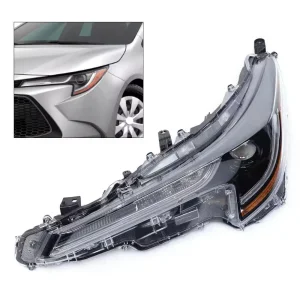
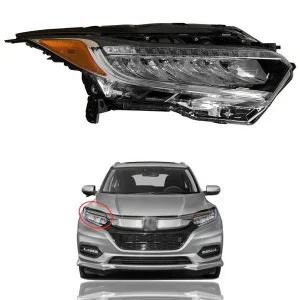
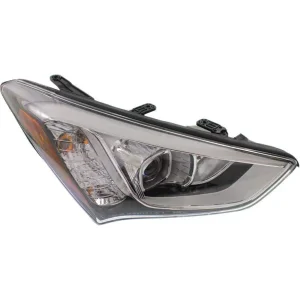
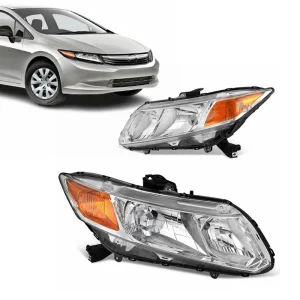
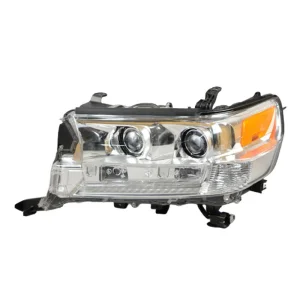
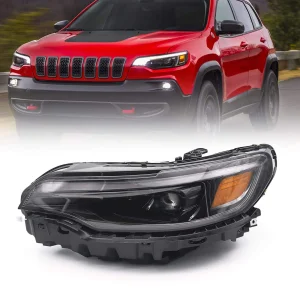
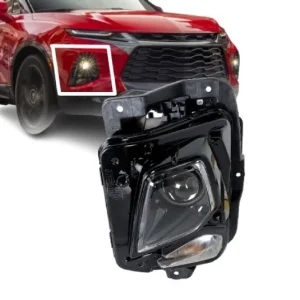
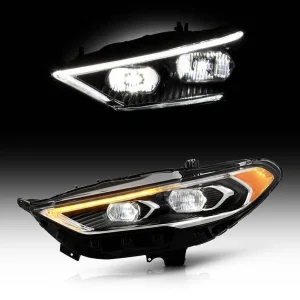
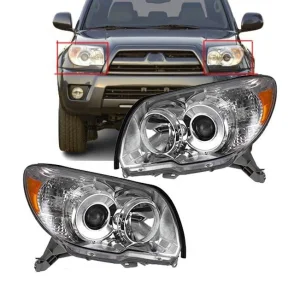
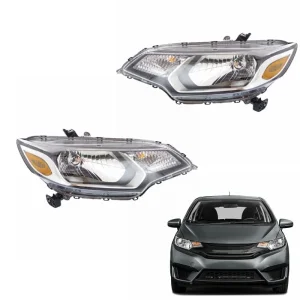
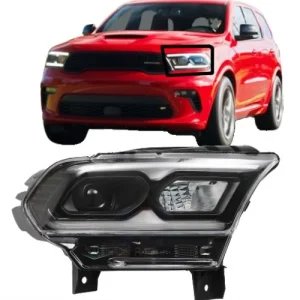
Explore our high-performance automotive daytime running lights engineered for optimal luminous flux and sustained energy efficiency.
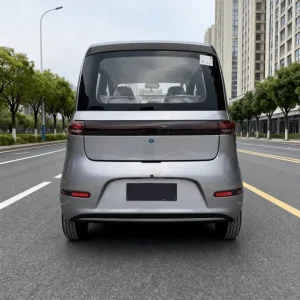
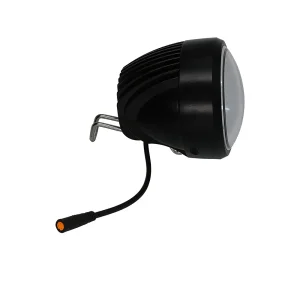
In the age of electrification and smart driving, the design paradigm of vehicle daytime running lights (DRLs) has transcended mere regulatory compliance. Modern EV Daytime Running Lights act as critical nodes in a vehicle's aerodynamic design, energy management blueprint, and visual brand identification. Unlike traditional Internal Combustion Engine (ICE) platforms where residual thermal energy and electrical alternator capacity are abundant, Electric Vehicles demand stringent management of every milliwatt drawn from the main battery pack. Lower power consumption directly translates to enhanced range, making high-efficiency LED technologies the gold standard for global EV manufacturers.
For B2B procurement managers, sourcing automotive lighting requires evaluating factories with verified competencies in thermal management optimization, electromagnetic compatibility (EMC), and robust ingress protection (IP67/IP69K). Modern DRLs are no longer stand-alone plastic structures; they are increasingly integrated with advanced driver-assistance systems (ADAS) sensor arrays, high-definition camera housing, and aerodynamic air duct paths. Sourcing from a mature automotive supplier guarantees that these multi-functional structures maintain operational reliability under diverse environmental extremes without compromising the vehicle's structural integrity or aerodynamics.
Hangzhou EV Light Co., Ltd. is a professional China electric vehicle lighting manufacturer specializing in EV LED lighting and smart automotive lighting solutions for the rapidly evolving new energy vehicle industry. With a strong commitment to innovation, performance, and reliability, we provide advanced lighting technologies that enhance vehicle safety, energy efficiency, functionality, and visual appeal.
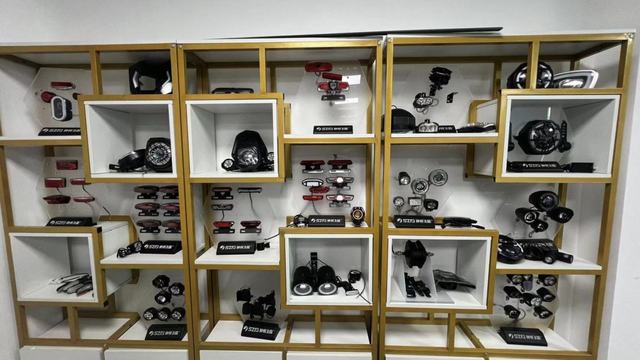
Our product portfolio includes EV headlight systems, taillight assemblies, daytime running lights, signal lighting, interior ambient lighting, charging status indicators, smart lighting modules, and customized automotive lighting solutions. Designed to meet the requirements of modern electric vehicles, our products are widely used in passenger EVs, commercial electric vehicles, electric buses, electric motorcycles, electric scooters, and emerging smart mobility applications.
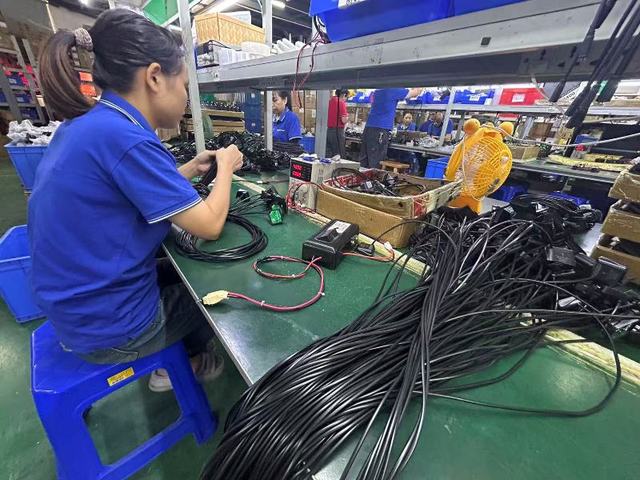
Navigating the global automotive supply chain for new energy vehicle parts is characterized by stringent entry barriers. Automotive OEMs and Tier-1 integrators face critical bottlenecks during procurement, primarily centered around structural alignment, component longevity, regulatory homologation, and supply chain continuity. Our engineering team addresses these friction points with clear-cut technical frameworks:
The road ahead for automotive lighting systems is defined by intelligence, personalization, and cross-system interaction. We continuously track key trends to future-proof our clients' vehicle architectures:
Combining Radar and LiDAR sensor arrays directly within the front light enclosure to streamline exterior aerodynamics while protecting sensitive components from environmental exposure.
Transitioning from static light bands to smart, matrix-controlled dynamic projection systems. These enable V2X communication, projecting crosswalk alerts or directional indicators directly onto the road.
Utilizing gallium nitride (GaN) driver components to reduce the overall form factor of control units, boost power conversion efficiency up to 95%, and minimize thermal emission profiles.
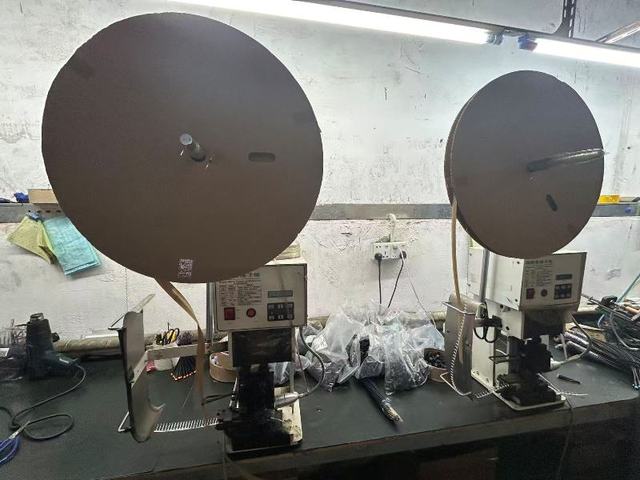
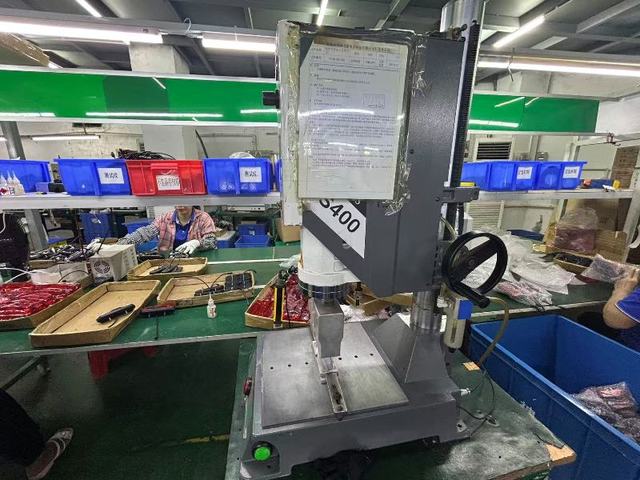
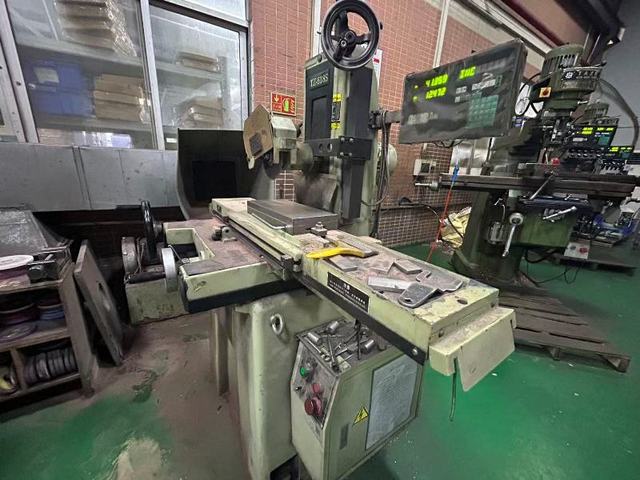
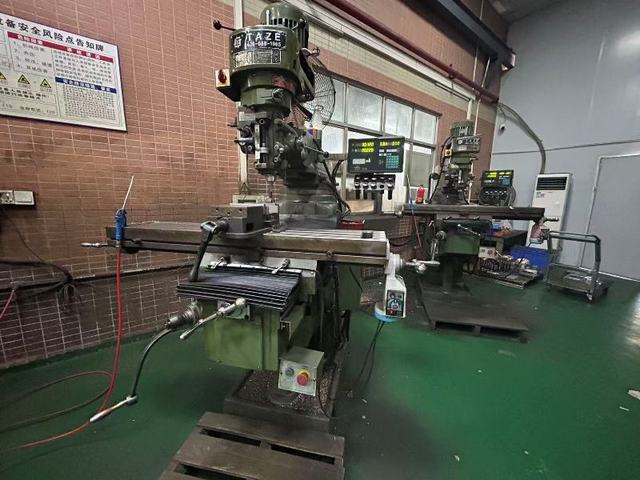
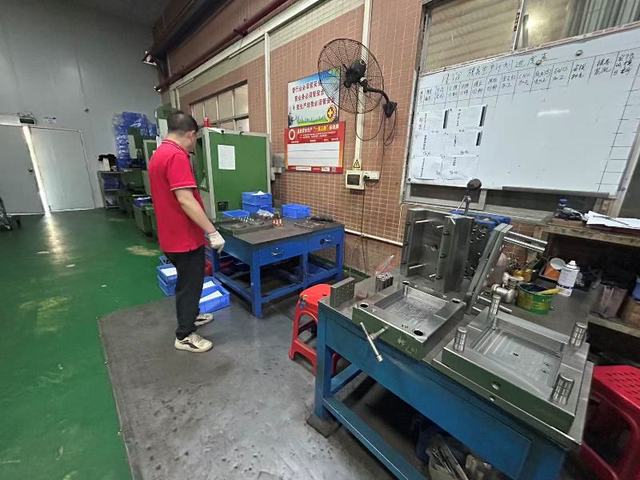
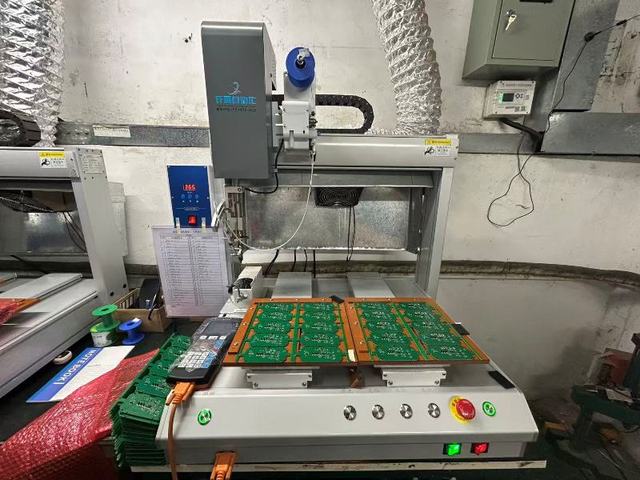
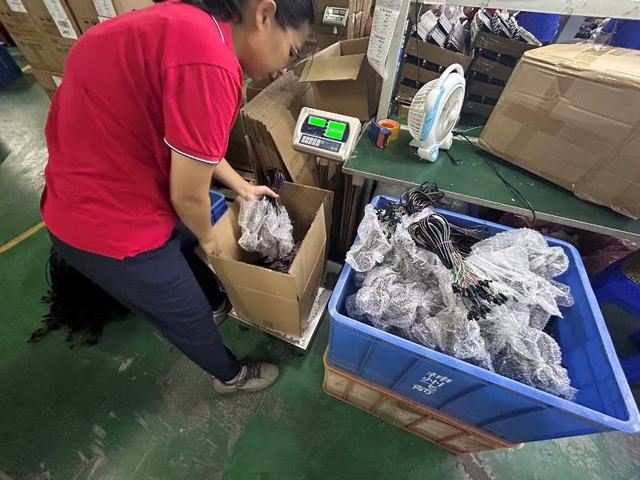
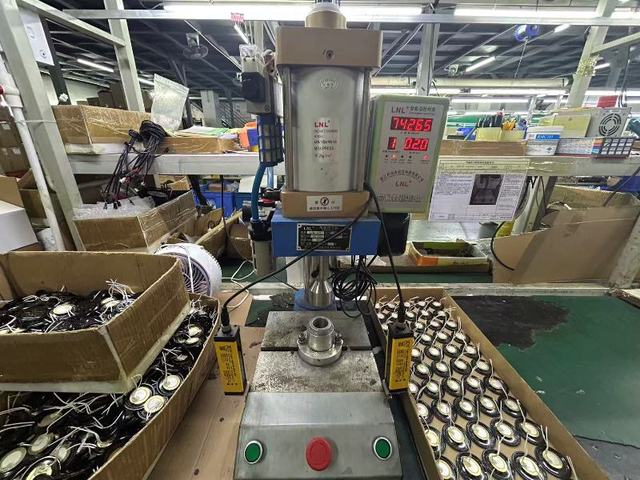
At Hangzhou EV Light, quality is at the core of our operations. From component sourcing and product development to production and final testing, every stage follows strict quality management procedures to ensure consistent performance and compliance with international automotive standards. Our manufacturing facility is equipped with advanced production and testing equipment, enabling us to provide reliable products for demanding automotive environments.
To assure seamless entry into primary global markets, all our OEM/ODM DRL assemblies undergo rigorous verification protocols, satisfying standard international testing programs:
Fulfill luminous intensity and spatial light distribution limits for EU-compliant light installations, securing rapid E-Mark approvals for target platforms.
Ensure photometric values, chromaticity limits (CIE 1931 color space coordinates for white and amber), and durability profiles match US and Canadian market standards.
Achieve certification parameters defined for daylight running light systems within domestic Chinese logistics, guaranteeing uninhibited custom clearances.
Our comprehensive testing matrix includes: Salt Spray Testing (ASTM B117) to prevent corrosion on metal contact surfaces; Vibration and Mechanical Shock Testing (ISO 16750-3) to ensure survival under harsh road conditions; and Thermal Shock Testing ranging between -40°C and +85°C to confirm material expansion compatibility across temperature extremes.
Answers to technical, regulatory, and logistics queries frequently raised by automotive procurement managers.
Premium replacement options, high-durability assemblies, and sequential turn signal modules designed for global distribution.
 EV Light