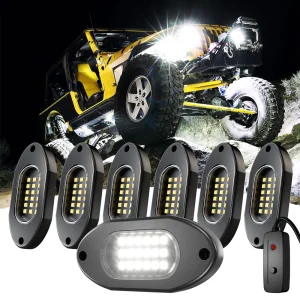
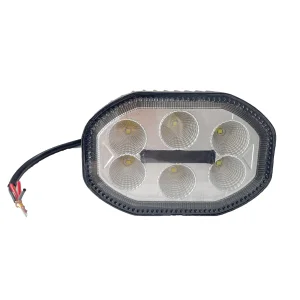
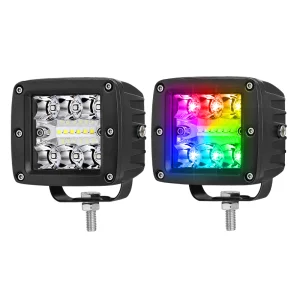
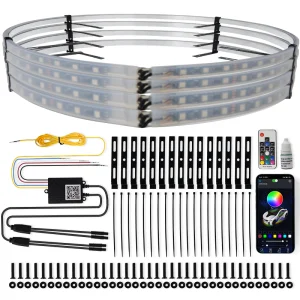
Discover our cutting-edge, field-tested illumination products designed to endure heavy work cycles and harsh outdoor operation conditions.
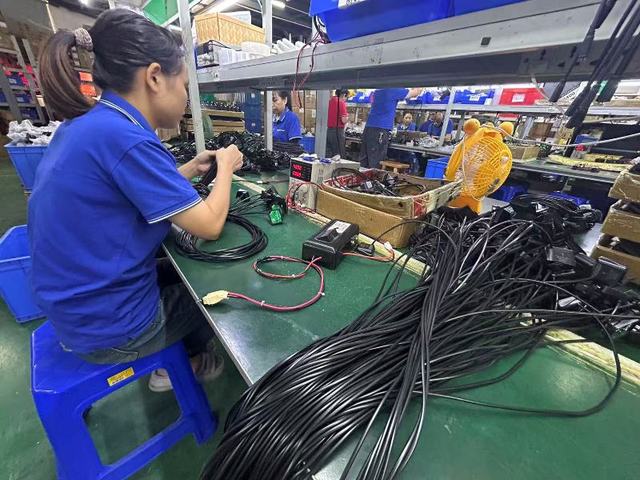
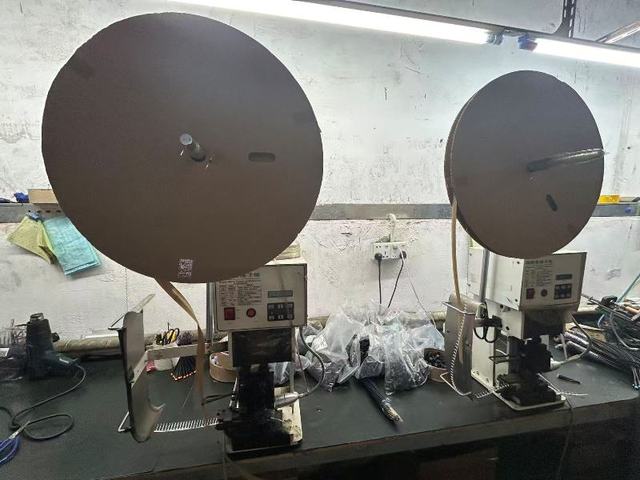
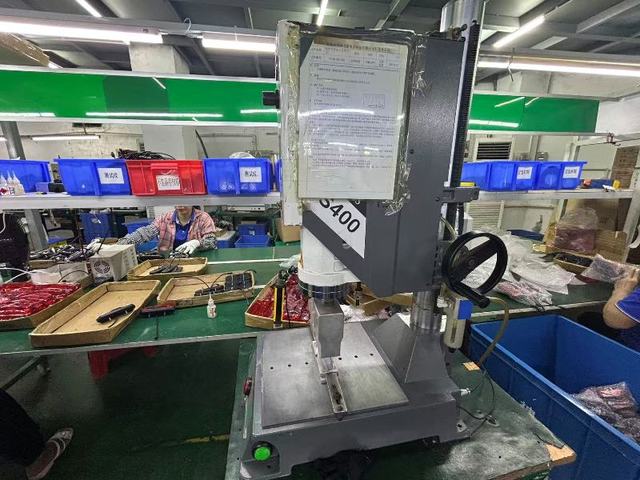
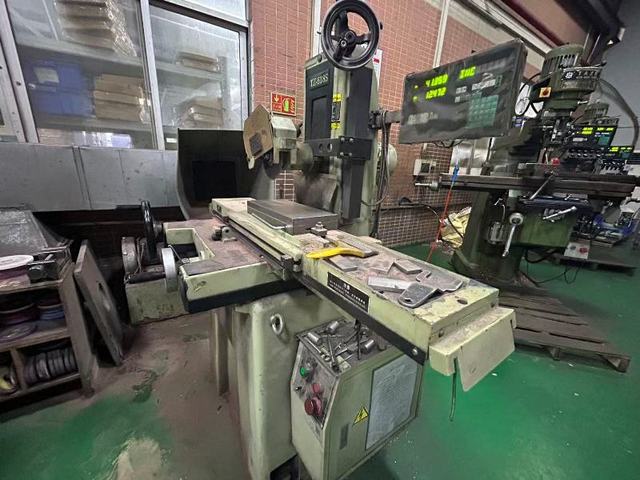
China's automotive lighting cluster in coastal manufacturing hubs combines raw speed-to-market with rigorous aerospace-grade testing architectures. By deploying advanced automated assembly, we bridge the gap between initial optical concept and final global vehicle integration.
Our raw material sourcing is directly integrated with major semiconductor, optical lens, and automotive sensor suppliers. This localization shortens prototype timelines to as little as 14 business days.
We provide full-spectrum compliance laboratories equipped with goniophotometers to ensure compliance with UN ECE R148, R149, FMVSS 108, and DGT 3.0 (for emergency hazard signaling).
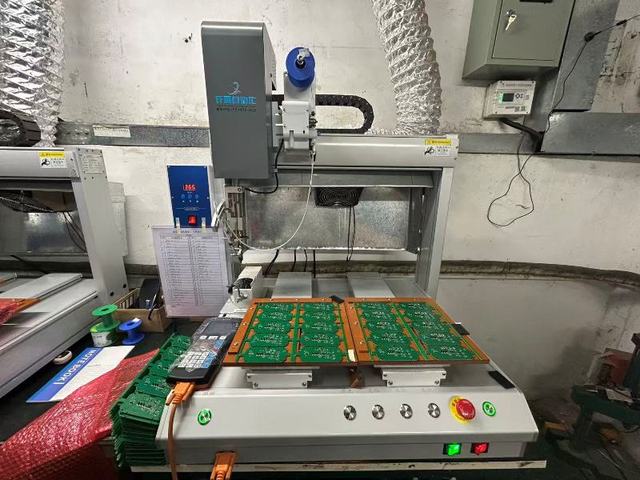
Leveraging deep industrial automation allows us to pass a substantial cost reduction to fleet operators, maintaining sub-ppm defect rates through automated visual inspection (AOI).
Modern automotive lighting has transitioned from simple illumination to a dynamic medium for data projection, human-machine interaction (HMI), and sensor cooperation.
1. Direct Sensor Integration (Lidar/Camera Co-Location): As autonomous vehicles demand cleaner aerodynamic lines and centralized processing units, sensor-integrated headlamps are becoming standard. By positioning LiDAR transceivers and high-definition cameras inside the housing, our factory helps prevent lens fogging and maximizes optical alignment efficiency.
2. Adaptive Driving Beams (ADB) and Matrix Light Projection: Operating at speeds exceeding 80 km/h, L4 autonomous systems require high-intensity matrix light engines that selectively dim pixels to prevent blinding oncoming traffic, while projecting lane indicators and pedestrian warning guides onto the pavement.
3. V2X (Vehicle-to-Everything) Communication Protocols: Autonomous systems use vehicle status indicators (such as RGB LED arrays or warning beacons) to communicate intent to pedestrians. This provides clear signals during braking, loading, or yielding actions.
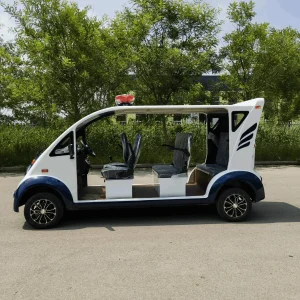
From micro-mobility golf carts on campus pathways to heavy industrial mining operations, custom lighting system packages ensure stable operating parameters regardless of environmental obstacles.
| Autonomous Application | Primary Optical Requirement | Hardware Solution Proposed | Key Standard Compliance | |
|---|---|---|---|---|
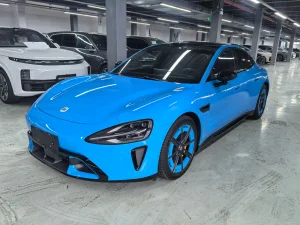
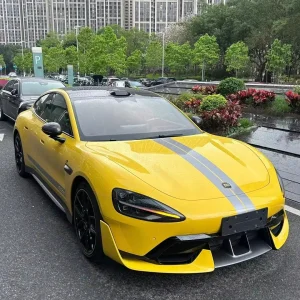
| L4 Urban Robotaxis (e.g., Xiaomi SU7 Platforms) | Signal integration, low energy consumption, dynamic ambient displays. | RGBW intelligent CAN-bus controlled strip lighting. | ECE R148 / CE / FCC | ISO 26262 ASIL-B |
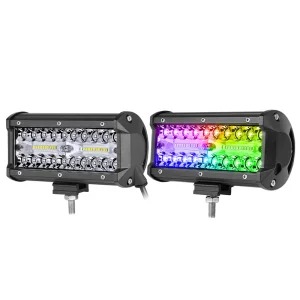
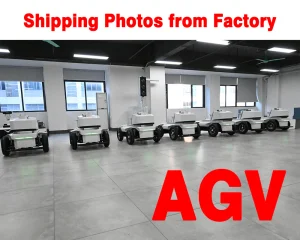
| Last-Mile Delivery Rovers | Compact footprint, high efficiency, extreme wide-angle short-range light. | 60W Modular LED Spot lamps and signal flashes. | IP68 / IP69K Sealing | RoHS / Reach |
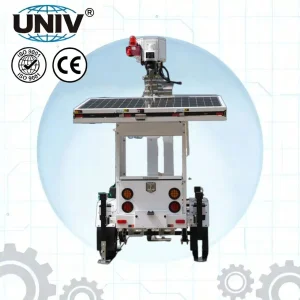
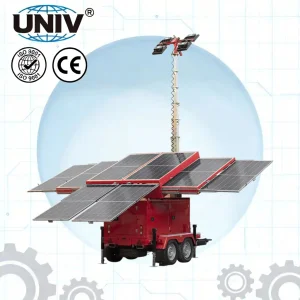
| Smart CCTV Infrastructure & Microgrids | Autonomous solar power preservation, high lumens, heavy-duty deployment. | Heavy Duty CCTV Mobile light towers with block-color tracking. | Vibration test (IEC 60068) | CE / UL component certs |
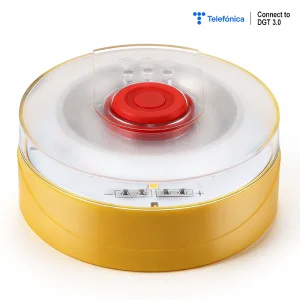
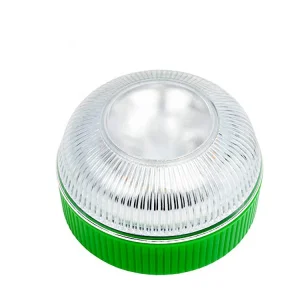
| Emergency Hazard Signaling | DGT 3.0 geolocation broadcast, high intensity flash, SIM telemetry interface. | Luz V16 Geolocalizacion autonomous beacons. | DGT 3.0 certified / Spain official | IP65 minimum |
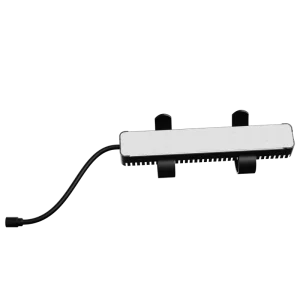
Our heavy-duty, app-controlled LED bars offer instant status mapping (Red/Green/Yellow/Blue indicators) configured directly over Modbus or serial communication lines for immediate factory floor localization.
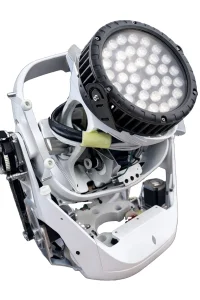
Robotic searchlight systems equipped with continuous 360-degree pan-and-tilt mechanics utilize focused spot-beam reflectors to illuminate potential threats or structural vulnerabilities at distances over 500 meters.
IP69K ingress rating and high heat-sink surface area prevent failure from mud coverage and extreme dust profiles, keeping autonomous tractors operational through nighttime harvesting windows.
Hangzhou EV Light Co., Ltd. is a professional China electric vehicle lighting manufacturer specializing in EV LED lighting and smart automotive lighting solutions for the rapidly evolving new energy vehicle industry. With a strong commitment to innovation, performance, and reliability, we provide advanced lighting technologies that enhance vehicle safety, energy efficiency, functionality, and visual appeal.
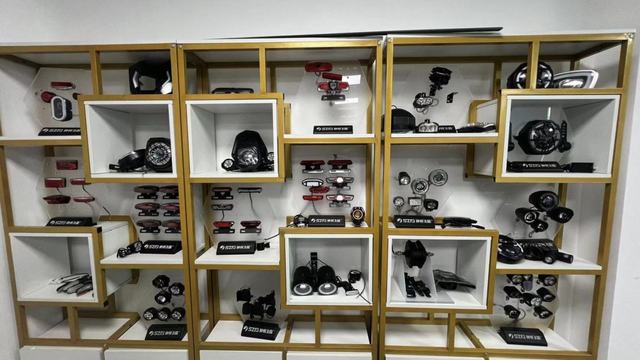
Our product portfolio includes EV headlight systems, taillight assemblies, daytime running lights, signal lighting, interior ambient lighting, charging status indicators, smart lighting modules, and customized automotive lighting solutions. Designed to meet the requirements of modern electric vehicles, our products are widely used in passenger EVs, commercial electric vehicles, electric buses, electric motorcycles, electric scooters, and emerging smart mobility applications.
At Hangzhou EV Light, we combine advanced engineering expertise with modern manufacturing capabilities to develop lighting solutions that deliver superior brightness, durability, and energy efficiency. Our experienced research and development team continuously explores new technologies in intelligent lighting control, adaptive lighting systems, LED integration, and automotive electronics to support the future of electric transportation.
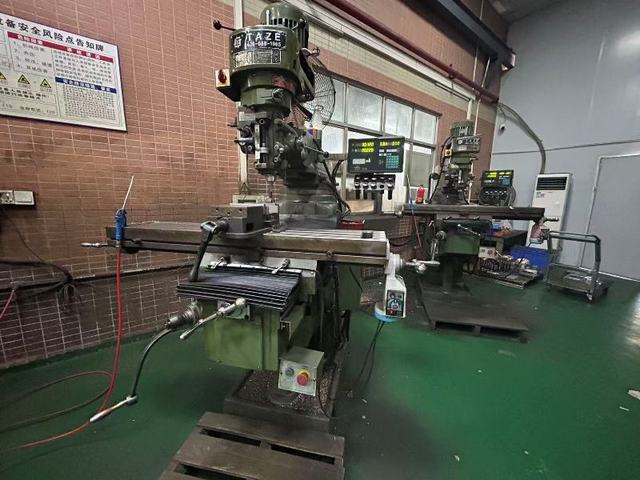
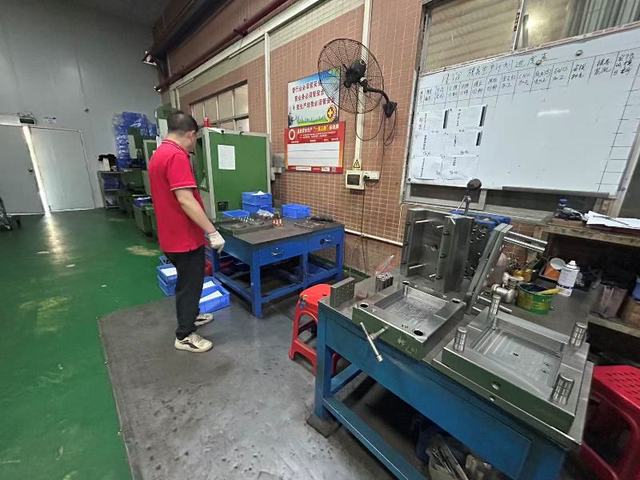
Quality is at the core of our operations. From component sourcing and product development to production and final testing, every stage follows strict quality management procedures to ensure consistent performance and compliance with international automotive standards. Our manufacturing facility is equipped with advanced production and testing equipment, enabling us to provide reliable products for demanding automotive environments.
We offer comprehensive OEM and ODM services for vehicle manufacturers, automotive suppliers, distributors, and mobility brands worldwide. Whether customers require customized designs, private-label production, or large-scale manufacturing, our flexible production capabilities support projects of various sizes and specifications.
Serving clients across North America, Europe, Southeast Asia, the Middle East, and other global markets, Hangzhou EV Light Co., Ltd. is dedicated to delivering innovative electric vehicle lighting solutions that contribute to safer, smarter, and more sustainable transportation. Our mission is to become a trusted global partner in advanced automotive lighting technology and smart mobility innovation.
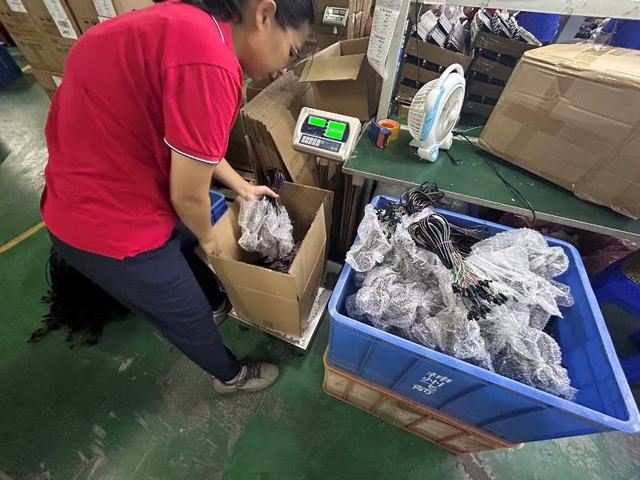
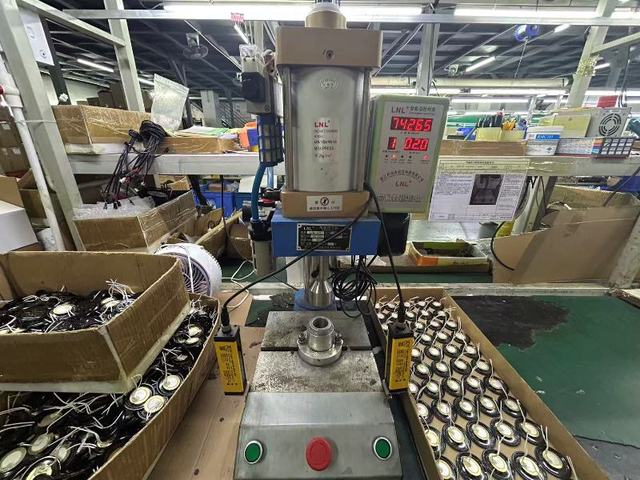
For international supply chain managers and project engineers, finding a reliable supplier means checking for strict design rules and strong industrial credentials. We match our production to meet these demands.
Industrial motors and wireless sensors emit high radio frequency interference (RFI). Our lights utilize internal filtering systems that exceed CISPR 25 Class 5 emission standards, protecting onboard LiDAR, GPS, and radar from signal loss.
High luminescent output generates internal heat. Our designs use aviation-grade aluminum heat sinks and thermal interface materials (TIM) to control heat, maintaining board temperatures under 85°C.
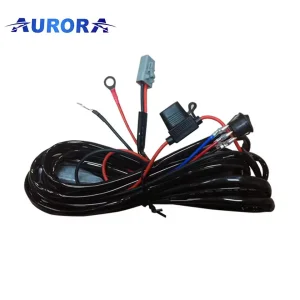
Our harnesses feature waterproof Deutsch connectors (DT04-2P) and high-temp cross-linked polyethylene insulation, making them easy to plug directly into existing autonomous controllers.
Find engineering explanations, standard protocols, and implementation advice for automated lighting systems.
Autonomous vehicle lighting requires higher reliability, integration with local CAN/LIN bus control networks, and dynamic signal patterns to communicate vehicle status to humans. It must also avoid interfering with onboard LiDAR and radar systems, which requires strict compliance with high-level electromagnetic shielding standards.
The DGT 3.0 V16 standard represents a shift in roadside hazard management. Instead of physical warning triangles, vehicles deploy a beacon with built-in GPS and a SIM card. When activated, the beacon flashes and automatically transmits its coordinates to traffic control centers to alert surrounding connected vehicles.
Most of our smart vehicle spot lamps and work lights carry an IP68 and IP69K rating. This means they can withstand high-pressure hot water jets and deep immersion, preventing water ingress in harsh industrial washing environments.
Yes, we specialize in comprehensive ODM/OEM services. We support custom optical layouts, specialized lens designs for specific beam shapes, custom electrical systems for different voltages, and tailored physical housings to fit your vehicle's body lines.
We design custom heat dissipation systems using computer-simulated airflow dynamics (CFD). The aluminum housings feature deep, thin fins that draw heat away from the LEDs, ensuring long-term color stability and preventing light degradation.
Explore our smart platforms, new energy vehicles, and specialized outdoor autonomous infrastructure solutions.
 EV Light