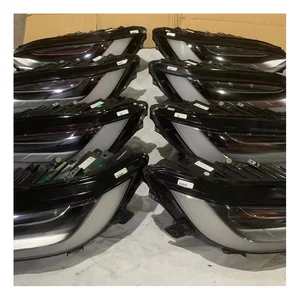
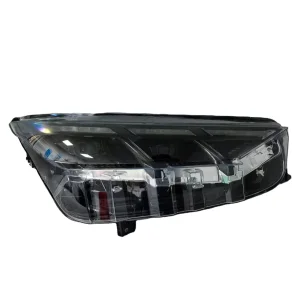
Explore our top-tier OEM & aftermarket electric vehicle headlight assemblies, engineered with advanced thermal metrics and optimized luminous efficacy.
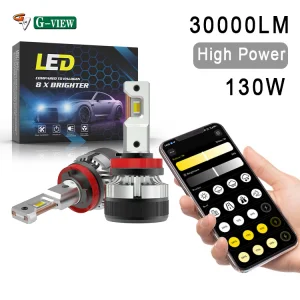
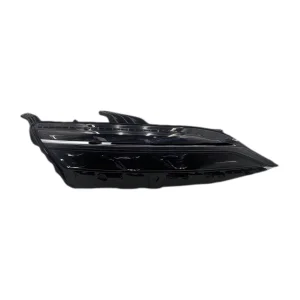
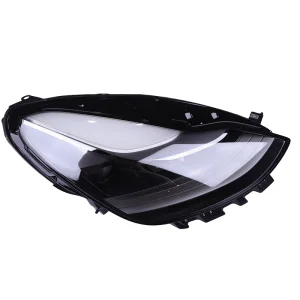
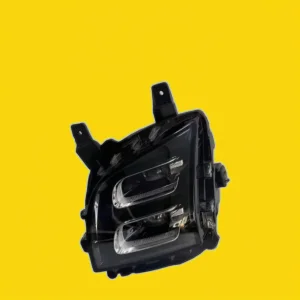
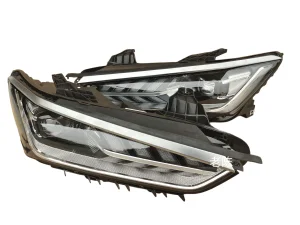
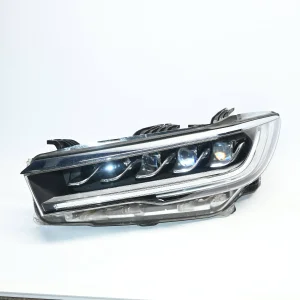
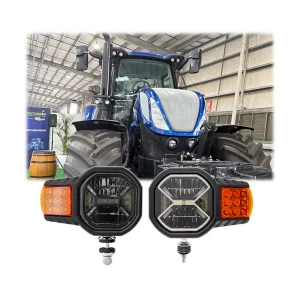
In traditional internal combustion engine (ICE) vehicles, automotive lighting design was primarily constrained by structural packaging and heat dissipation relative to the engine bay. The onset of the Electric Vehicle (EV) revolution has radically changed the architecture of forward illumination.
Electric vehicle headlights are no longer just passive illumination devices; they are critical subsystems that directly impact vehicle range, aerodynamic drag, electrical architectures, and ADAS (Advanced Driver Assistance Systems) integration.
Modern EV front fascia designs are highly integrated. Front headlamps are subjected to intensive environmental conditions, requiring IP69K sealing to prevent moisture intrusion under high-pressure cleaning and thermal cycling. Hangzhou EV Light Co., Ltd. builds assemblies with optical-grade Polycarbonate (PC) and Polyethylene Terephthalate (PET) to handle thermal stresses and resist UV yellowing over a 15-year lifecycle.
Hangzhou EV Light Co., Ltd. is a professional China electric vehicle lighting manufacturer specializing in EV LED lighting and smart automotive lighting solutions for the rapidly evolving new energy vehicle industry. With a strong commitment to innovation, performance, and reliability, we provide advanced lighting technologies that enhance vehicle safety, energy efficiency, functionality, and visual appeal.
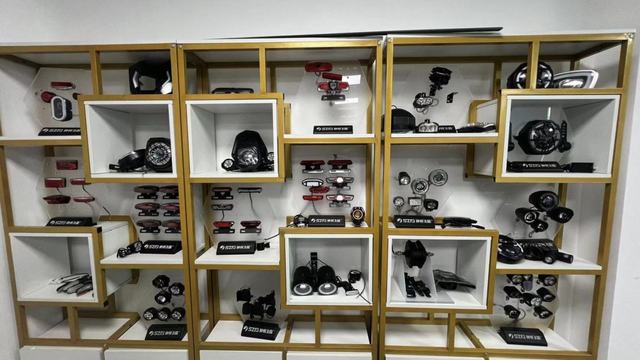
Our product portfolio includes EV headlight systems, taillight assemblies, daytime running lights, signal lighting, interior ambient lighting, charging status indicators, smart lighting modules, and customized automotive lighting solutions.
Designed to meet the requirements of modern electric vehicles, our products are widely used in passenger EVs, commercial electric vehicles, electric buses, electric motorcycles, electric scooters, and emerging smart mobility applications.
We offer comprehensive OEM and ODM services for vehicle manufacturers, automotive suppliers, distributors, and mobility brands worldwide. Our flexible production capabilities support projects of various sizes and specifications.
At Hangzhou EV Light, we combine advanced engineering expertise with modern manufacturing capabilities to develop lighting solutions that deliver superior brightness, durability, and energy efficiency. Our experienced research and development team continuously explores new technologies in intelligent lighting control, adaptive lighting systems, LED integration, and automotive electronics to support the future of electric transportation.
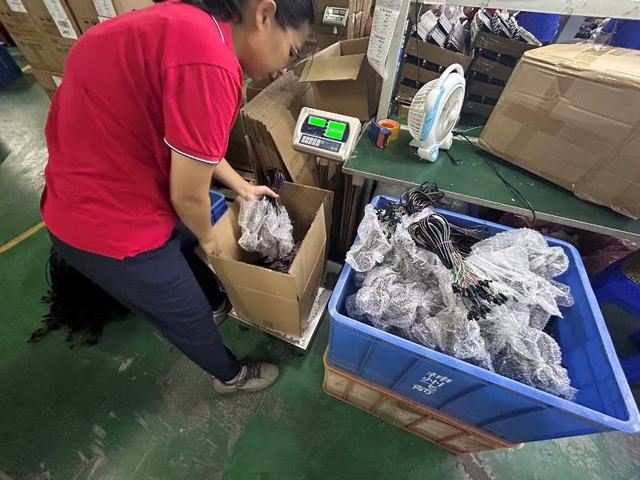
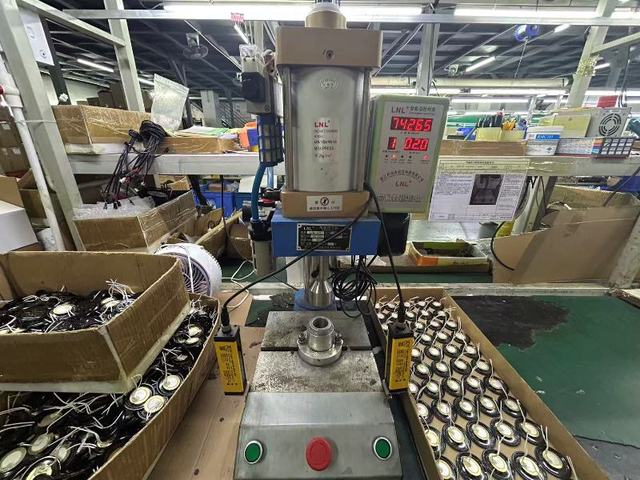
Quality is at the core of our operations. From component sourcing and product development to production and final testing, every stage follows strict quality management procedures to ensure consistent performance and compliance with international automotive standards. Our manufacturing facility is equipped with advanced production and testing equipment, enabling us to provide reliable products for demanding automotive environments.
Serving clients across North America, Europe, Southeast Asia, the Middle East, and other global markets, Hangzhou EV Light Co., Ltd. is dedicated to delivering innovative electric vehicle lighting solutions that contribute to safer, smarter, and more sustainable transportation. Our mission is to become a trusted global partner in advanced automotive lighting technology and smart mobility innovation.
As autonomous and electric vehicles mature, lighting systems are transitioning from hardware-centric devices to software-driven dynamic communication systems.
By leveraging pixelated LED arrays combined with front-facing camera inputs, Matrix LED headlights selectively dim individual diodes to prevent glare to oncoming drivers while maintaining maximum illumination on the rest of the road.
High-Resolution Matrix Glare-Free BeamTo preserve clean body lines and aerodynamic efficiencies, OEMs are looking to integrate ADAS sensors, solid-state LiDARs, and radar sensors directly within the headlamp enclosure. This requires advanced heat management and electromagnetic shielding.
LiDAR Packaging EMC ShieldingDigital Light Processing (DLP) systems enable headlights to project high-resolution navigation symbols, warning signs, and crosswalk markers directly onto the asphalt, facilitating safer communication between the vehicle and pedestrians.
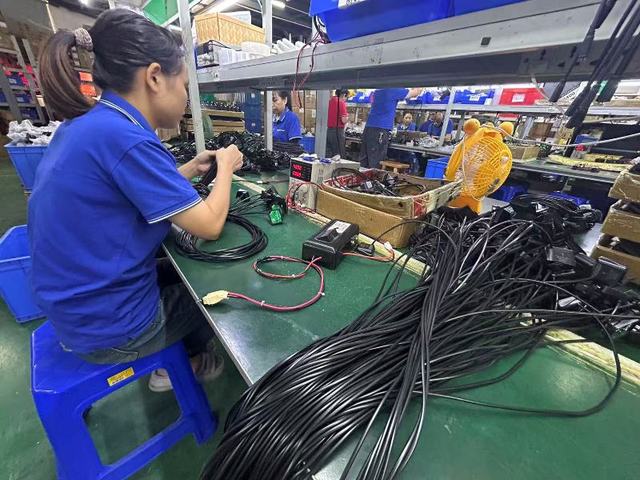
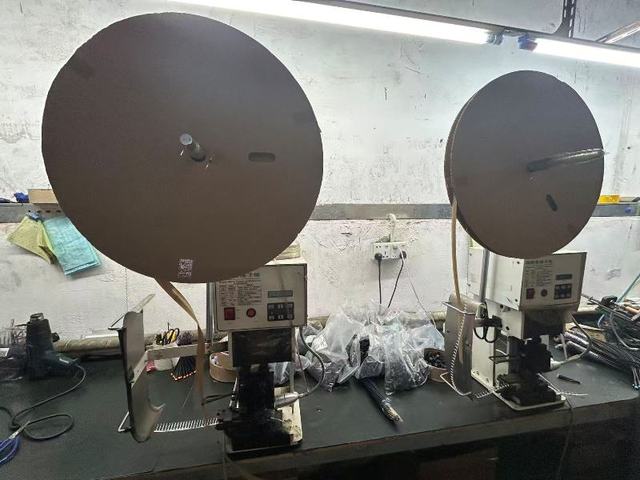
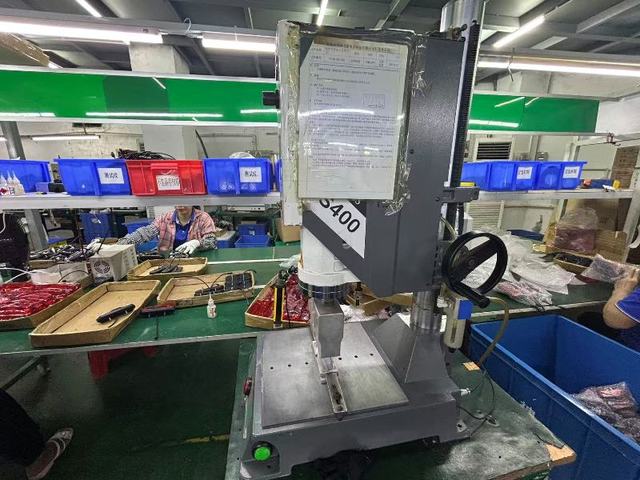
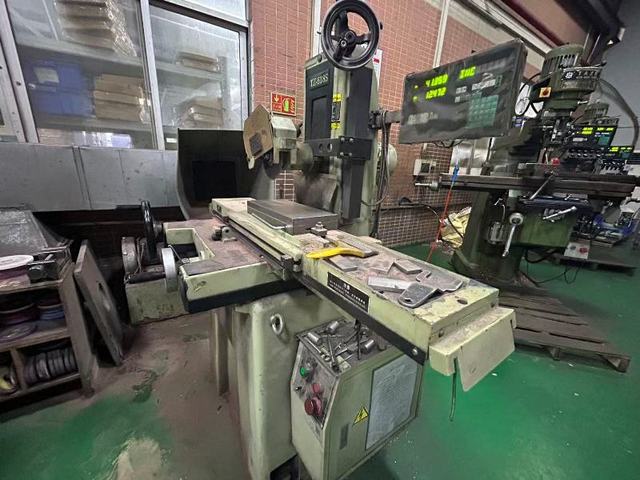
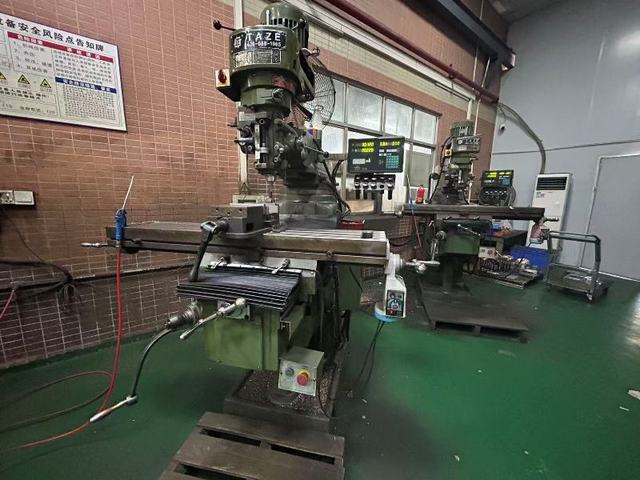
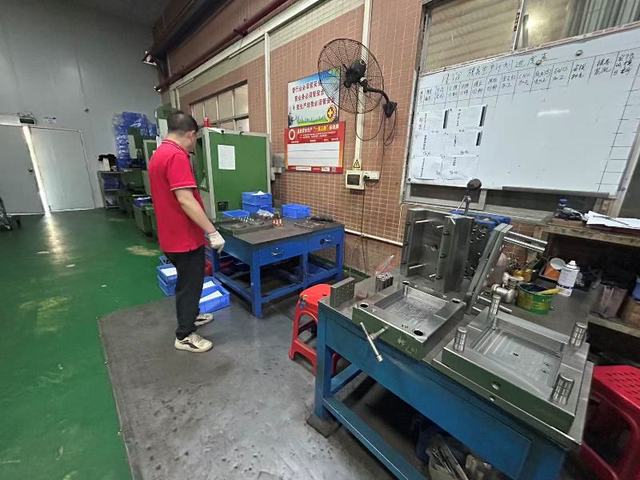
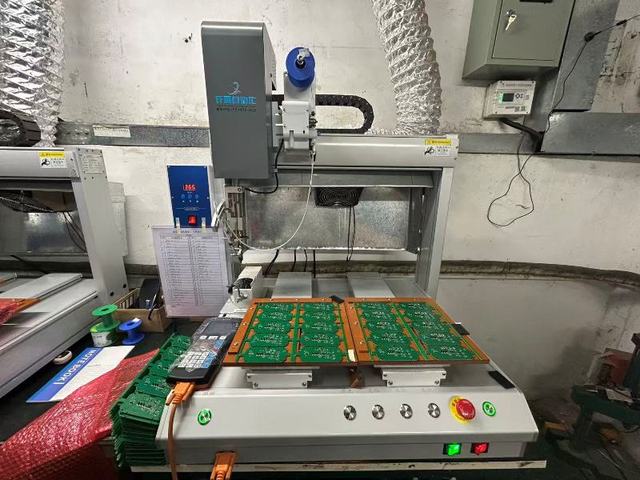
DLP Projection V2X CommunicationHangzhou EV Light Co., Ltd. operates a modern, smart-factory model that implements automation across critical processes. Our China-based facility features a vertically integrated supply chain, optimizing everything from the raw optical polycarbonate formulation to SMT (Surface Mount Technology) assembly and automated goniophotometer calibration.
Our production floor uses multi-axis robotic arms for precision positioning and assembly of sensitive optical lenses, reflector cups, and LED modules. Clean-room environments control dust particles to prevent contamination of optical surfaces, guaranteeing maximum luminous transmittance.
To withstand extreme environments, our headlights undergo high-performance thermal cycle tests, long-term salt spray exposure, and vibration profiles simulating millions of road cycles. Our focus on quality ensures that every headlamp unit leaving our facility satisfies the demanding expectations of global OEMs.
Navigating regional compliance and safety certifications is essential when executing global procurements for electric vehicle platforms.
All products designed for North America comply with Federal Motor Vehicle Safety Standard FMVSS 108, guaranteeing acceptable beam photometry, mechanical resilience, and safety patterns for highway operation.
Our solutions comply with relevant ECE regulations (including R149, R148, and R150), utilizing correct cut-off lines for left-hand drive (LHD) and right-hand drive (RHD) configurations with official E-mark certification.
Our production facilities are certified under the automotive-standard IATF 16949:2016, aligning our quality management processes with the standard expected of global tier-1 automotive suppliers.
We optimize our design-to-delivery pipeline for global auto brands, tier-1 suppliers, and aftermarket distributors.
Whether you require drop-in replacement assemblies for existing vehicle platforms (such as Tesla, BYD, or Wuling) or seek a customized smart headlight module with CAN-bus integration, our engineering team works directly with yours to manage 3D CAD modeling, photometrical simulation, prototype printing, and validation testing.
Get authoritative answers to complex engineering, sourcing, and regulatory questions regarding electric vehicle headlight assemblies.
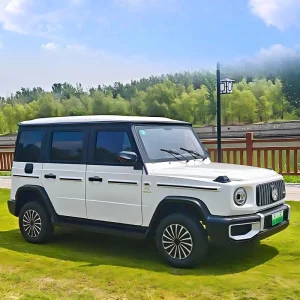
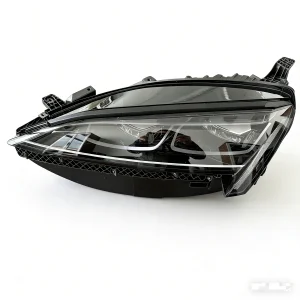
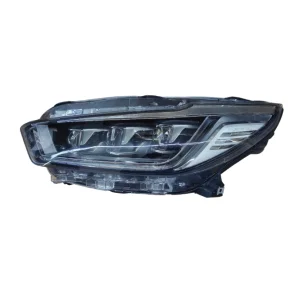
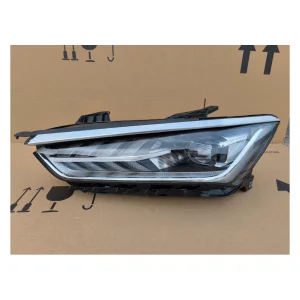
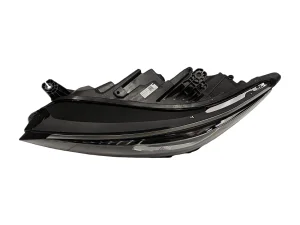
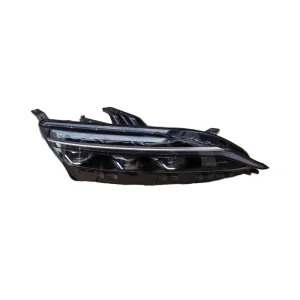
Explore our comprehensive selection of high-configuration automotive lighting assemblies, built to fit major global EV platforms.
 EV Light