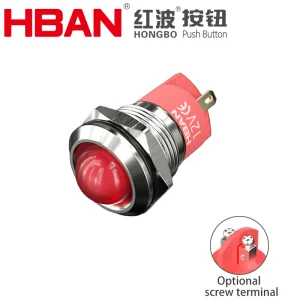
A comprehensive analysis of optical integration, safety compliance, and OEM/ODM engineering frameworks in the New Energy Vehicle (NEV) era.
Hangzhou EV Light Co., Ltd. is a professional China electric vehicle lighting manufacturer specializing in EV LED lighting and smart automotive lighting solutions for the rapidly evolving new energy vehicle industry. With a strong commitment to innovation, performance, and reliability, we provide advanced lighting technologies that enhance vehicle safety, energy efficiency, functionality, and visual appeal.
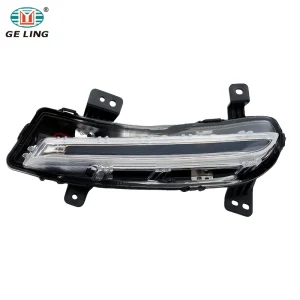
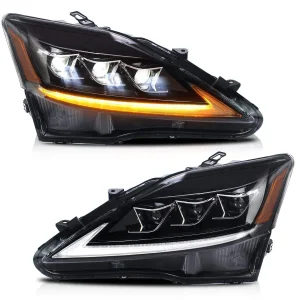
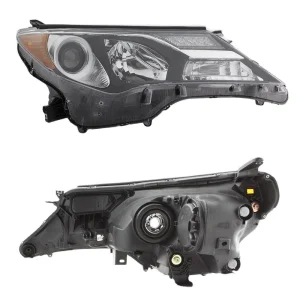
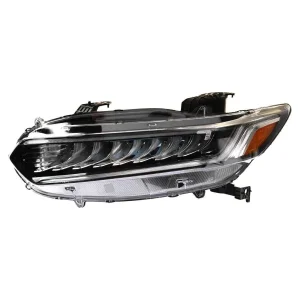
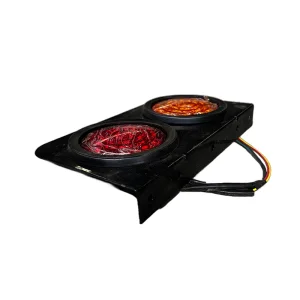
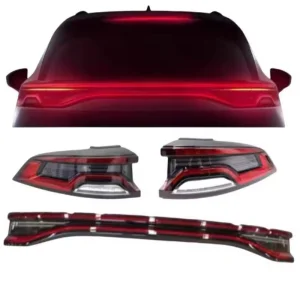
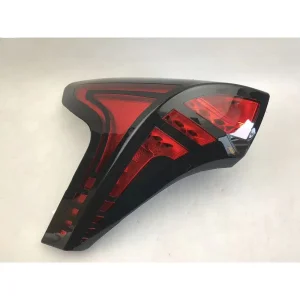
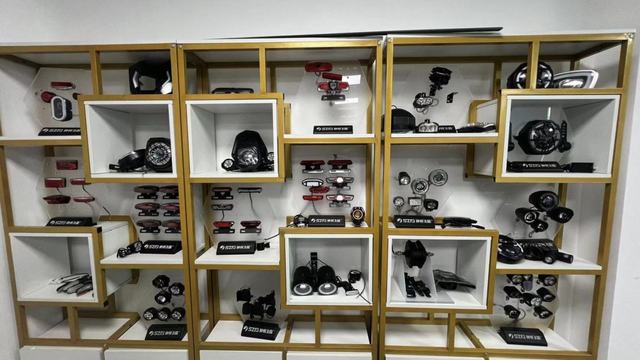
Our product portfolio includes EV headlight systems, taillight assemblies, daytime running lights, signal lighting, interior ambient lighting, charging status indicators, smart lighting modules, and customized automotive lighting solutions. Designed to meet the requirements of modern electric vehicles, our products are widely used in passenger EVs, commercial electric vehicles, electric buses, electric motorcycles, electric scooters, and emerging smart mobility applications.
At Hangzhou EV Light, we combine advanced engineering expertise with modern manufacturing capabilities to develop lighting solutions that deliver superior brightness, durability, and energy efficiency. Our experienced research and development team continuously explores new technologies in intelligent lighting control, adaptive lighting systems, LED integration, and automotive electronics to support the future of electric transportation.
Quality is at the core of our operations. From component sourcing and product development to production and final testing, every stage follows strict quality management procedures to ensure consistent performance and compliance with international automotive standards. Our manufacturing facility is equipped with advanced production and testing equipment, enabling us to provide reliable products for demanding automotive environments.
We offer comprehensive OEM and ODM services for vehicle manufacturers, automotive suppliers, distributors, and mobility brands worldwide. Whether customers require customized designs, private-label production, or large-scale manufacturing, our flexible production capabilities support projects of various sizes and specifications.
Serving clients across North America, Europe, Southeast Asia, the Middle East, and other global markets, Hangzhou EV Light Co., Ltd. is dedicated to delivering innovative electric vehicle lighting solutions that contribute to safer, smarter, and more sustainable transportation. Our mission is to become a trusted global partner in advanced automotive lighting technology and smart mobility innovation.
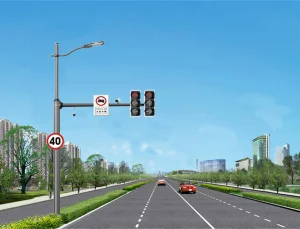
The global automotive sector is undergoing a structural transition from Internal Combustion Engine (ICE) systems to battery-electric propulsion. In this context, signal lighting is no longer just a regulatory safety mechanism—it has evolved into a key element of the Human-Machine Interface (HMI). Electric vehicles, which lack engine noise, depend heavily on visual signals to communicate their operational status, intent, and safety boundaries to pedestrians and other road users.
This transition has introduced three core design requirements for EV signal lights:
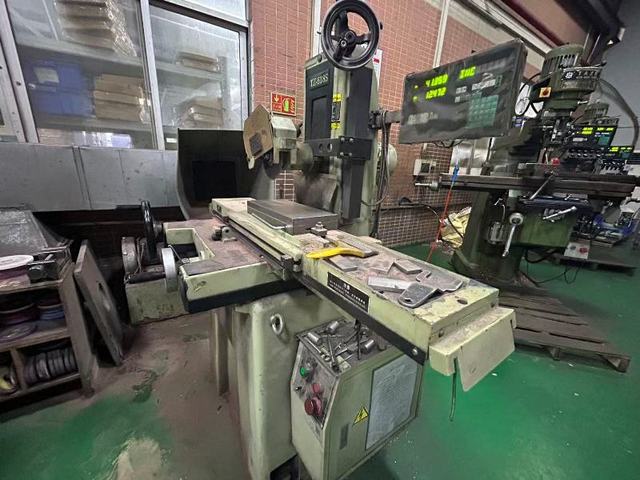
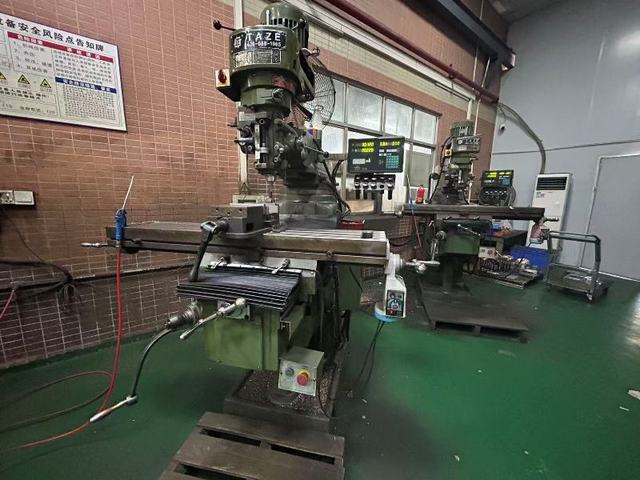
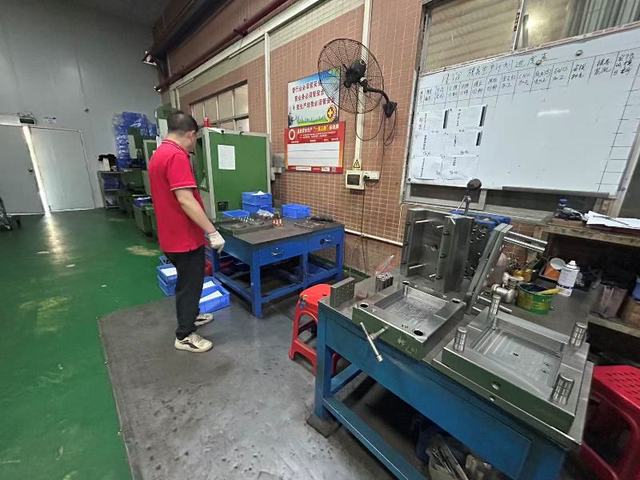
Our facility is designed for automotive-grade reliability. From ISO Class 7 dust-free cleanrooms for SMT assembly to automated goniophotometer laboratories, we run rigorous quality checks at every step of production. Below is an inside look at our manufacturing facilities and engineering centers.
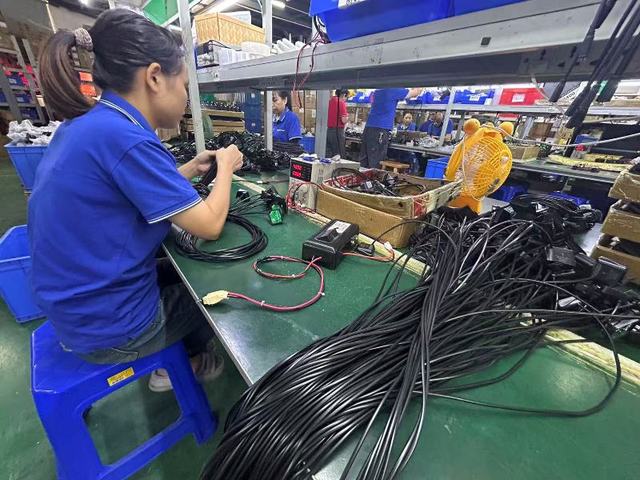
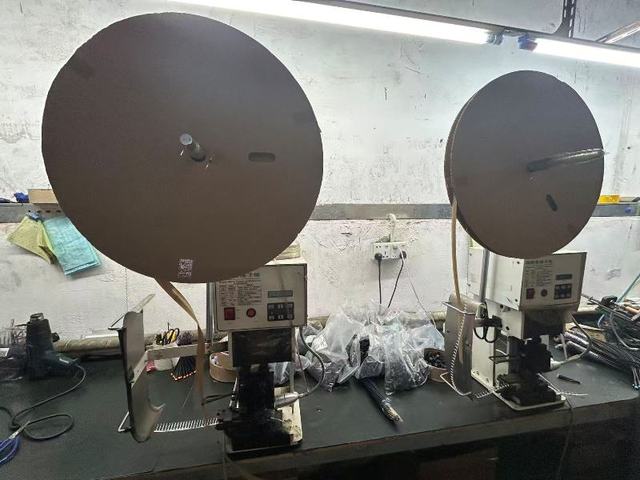
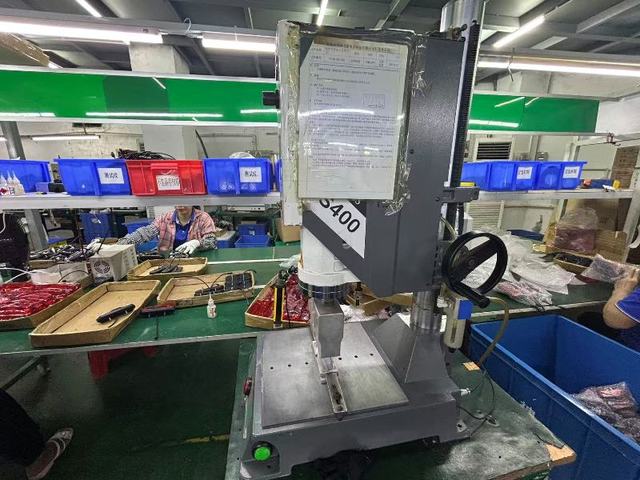
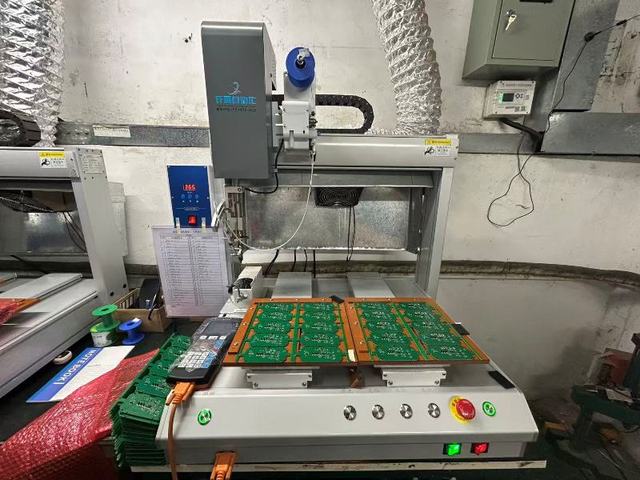
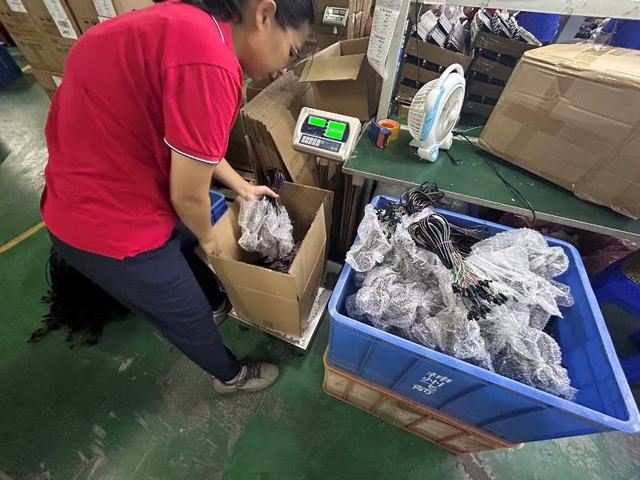
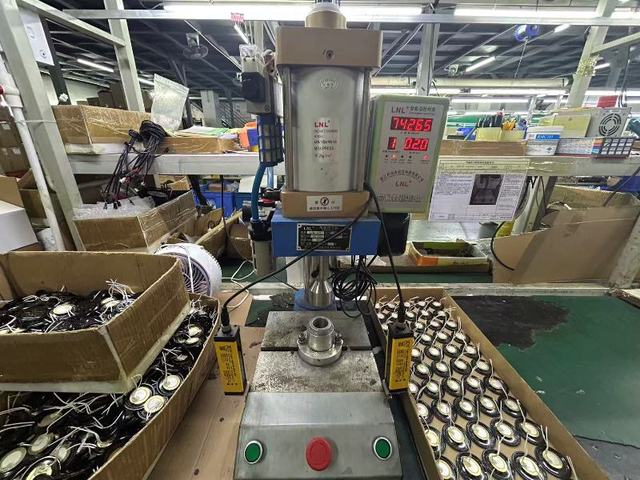
Procurement managers in the automotive and industrial machinery fields face unique challenges when sourcing signal indicators. Meeting regulatory requirements across different markets is essential. In North America, lighting must comply with FMVSS 108 / DOT standards, while in Europe, ECE (E-mark) regulations are mandatory.
Hangzhou EV Light Co., Ltd. uses a standardized compliance roadmap that helps global buyers navigate these regulations. Our engineering files (including 3D CAD data, optical simulation files, and thermal test reports) are structured to integrate into your engineering workflow. This documentation supports complete traceabilty throughout production, helping streamline vehicle homologation with local transport authorities.
Signal components must perform reliably in harsh outdoor conditions, such as extreme dust and low-temperature environments. We seal our assemblies using liquid-injection silicone gasket molding and sonic welding techniques to achieve IP67 and IP69K ratings. This keeps moisture and fine dust particles out of the optical cavity.
Our components are designed to withstand salt spray, UV yellowing, and impact stress. By using high-grade polycarbonate with anti-UV coatings, our signal lenses retain clarity and light output even after years under direct sunlight, helping prevent optical fogging.
The next step in the evolution of EV signal lighting is software-defined lighting. Future vehicles will use communication signals to display alerts on the road surface or project safety symbols for pedestrians. Our engineering pipeline includes developing micro-projection systems, smart CAN-bus signal lights that link directly with ADAS, and bio-based plastics to lower the environmental footprint of our products.
 EV Light