Explore our foundational range of solid-state automotive light sources, intelligent harness systems, custom PCBAs, and direct LED replacements optimized for peak performance.
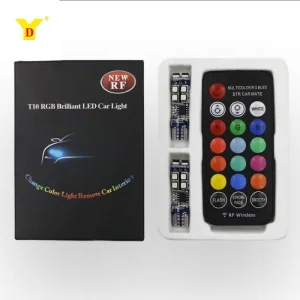
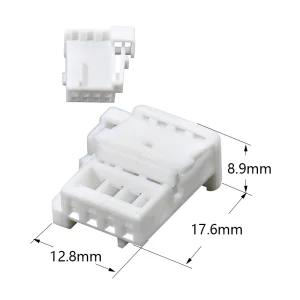
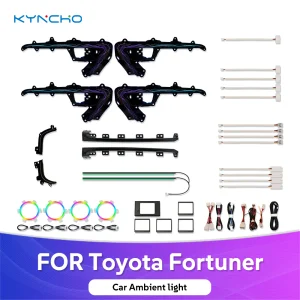
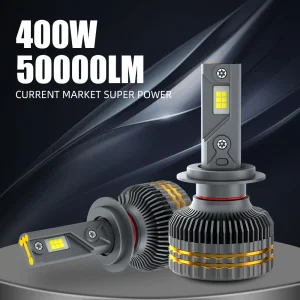
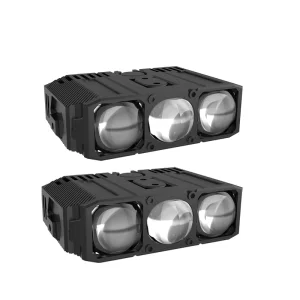
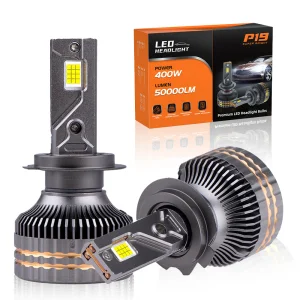
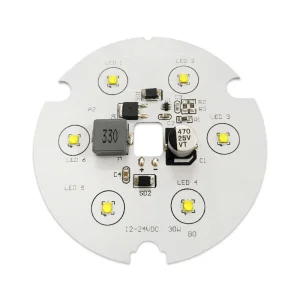
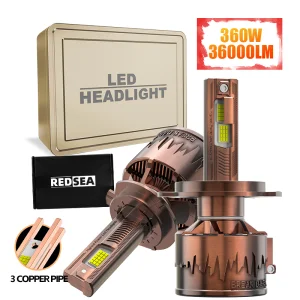
As light-emitting diode (LED) technologies and automated driver-assistance systems (ADAS) converge, the automotive sector demands lighting components that act not merely as indicators, but as integrated systems. Hangzhou EV Light Co., Ltd. stands at the forefront of this automotive evolution, serving as an authoritative, IATF 16949-compliant manufacturer and supplier specializing in custom electric vehicle (EV) illumination and smart control electronics.
Our solutions bridge the gap between high-current power management systems and precise optical output. By designing dynamic control boards (PCBAs) optimized for harsh automotive thermal operating environments, we deliver systems engineered for safety, compliance, and aesthetic refinement. Our product portfolio spans integrated dynamic headlamps, customized ambient light assemblies, PA66-GF25 grade sealing connectors, and intelligent, bus-controlled (CAN/LIN) cabin illumination systems.
From component selection to scale manufacturing, we ensure that every system operates seamlessly within the noise-laden electrical networks of modern battery-electric and hybrid vehicles.
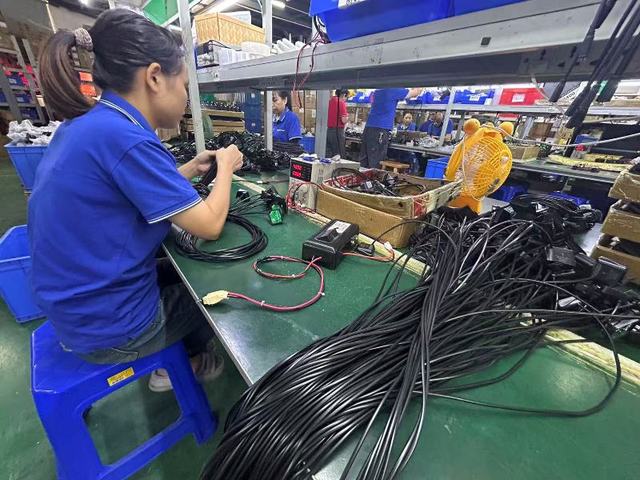
Unlocking cost efficiency, engineering scalability, and comprehensive supply chain resilience in the Yangtze River Delta electronics cluster.
Our strategic manufacturing location in Hangzhou grants us immediate access to raw materials, tier-1 silicon suppliers, precision optics mold-makers, and packaging specialists. This localized network minimizes lead times and accelerates dynamic prototyping.
Every batch of automotive light electronics undergoes complete functional test cycles, including optical goniophotometer scans, high-low temperature thermal shock testing, and vibration table calibration to comply with DOT, ECE, and FMVSS 108 standards.
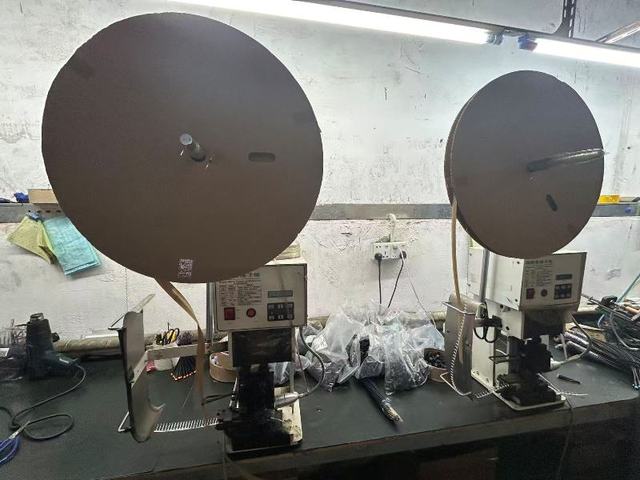
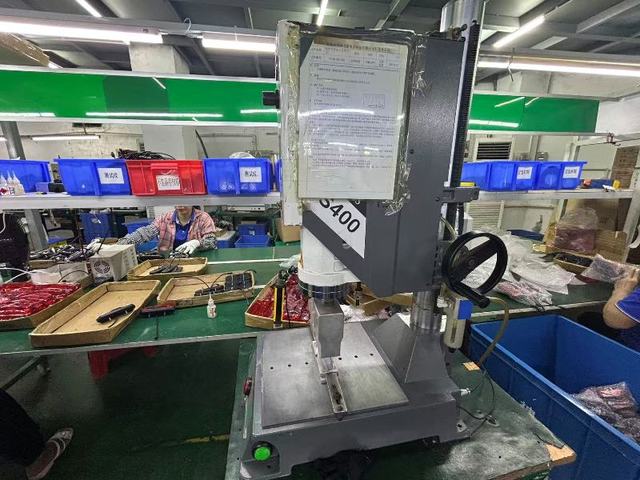
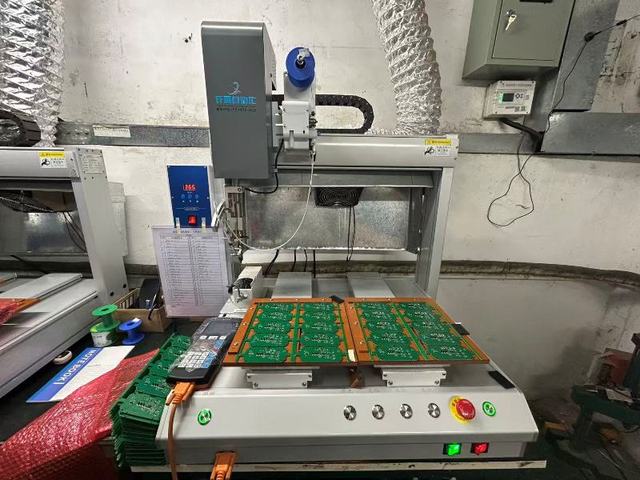
Leveraging high-speed automated Surface Mount Technology (SMT) assembly lines and optimized manual assembly processes, we reduce manufacturing margins while utilizing premium elements like double copper heat pipes and FR-4 high-Tg PCB materials.
In high-power solid-state lighting, thermal dissipation is the primary determinant of system reliability. High junction temperatures reduce light output (luminous flux degradation) and shift chromaticity coordinates. Our design engineering team addresses this with active solutions:
The transition toward Software-Defined Vehicles (SDVs) requires lighting to interface dynamically with vehicular central controllers. Rather than static lamps, modern OEMs deploy localized LIN/CAN-bus addressable light modules that allow for over-the-air (OTA) updates and customized behavior.
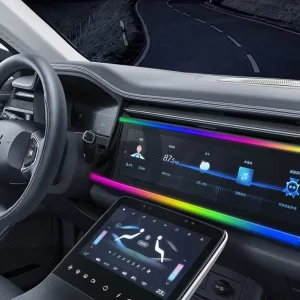
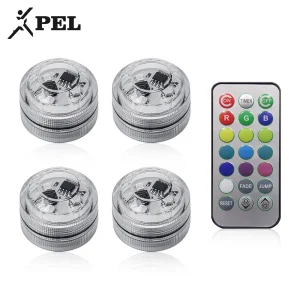
Our smart ambient controllers incorporate high-resolution pulse width modulation (PWM) drivers that manage individual RGB LEDs. This design ensures smooth color transitions and localized dimming features that synchronize with internal occupant detection systems, driving modes, or music system frequencies.
We work in collaboration with vehicle developers, utilizing modern simulation tools to map and validate lighting arrays, verify optical lens performance, and evaluate driver design parameters prior to high-volume manufacturing tool-up.
Comprehensive electronic configurations engineered for high reliability, longevity, and thermal stability in modern vehicle platforms.
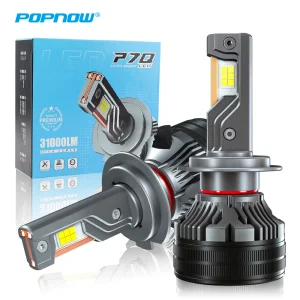
Our front headlamp systems incorporate high-current buck-boost LED driver PCBAs with adaptive lighting control. Using matrix LED drivers, they dynamically switch individual LED elements to form variable light shapes, optimizing forward visibility without blinding oncoming traffic.
We supply multicolor (RGBW) dynamic ambient systems operating via LIN-bus networks. These setups enable zone-specific color control, safety warning flashes when doors are open, and dynamic speed-linked intensity adjustments, housed in high-durability polymer frames.
For electric and autonomous vehicles, we offer functional exterior body display systems. These incorporate high-efficiency charging indicators, battery state-of-charge exterior lightbars, and front-grille interactive graphic indicators that signal intent to pedestrians.
A step-by-step overview of our phase-gate development flow, built to align with APQP and PPAP guidelines for major automotive programs.
We align on critical mechanical envelope parameters, input voltages, connector designs (e.g., PA66 sealed assemblies), and optical output criteria.
Our engineers perform thermal co-simulation and routing on specialized software to ensure adequate signal paths and heat dissipation design.
Rapid physical prototyping of the assembly, followed by functional verification in our environmental stress chambers to confirm longevity.
Approval of final PPAP documentation, test fixture setup, and tool deployment to start mass assembly under continuous QA observation.
In global sourcing, choosing a partner requires analyzing performance parameters alongside operational capabilities. When auditing prospective suppliers of automotive light electronics, ensure the following core criteria are validated:
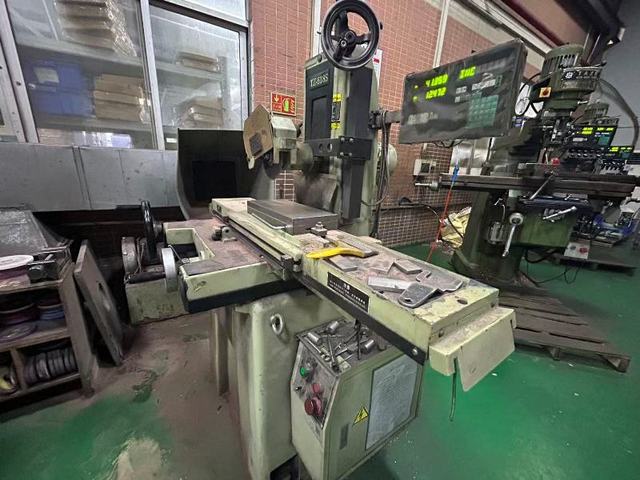
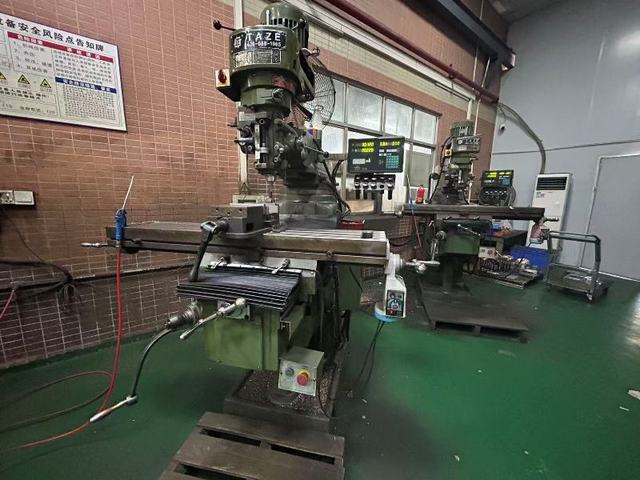
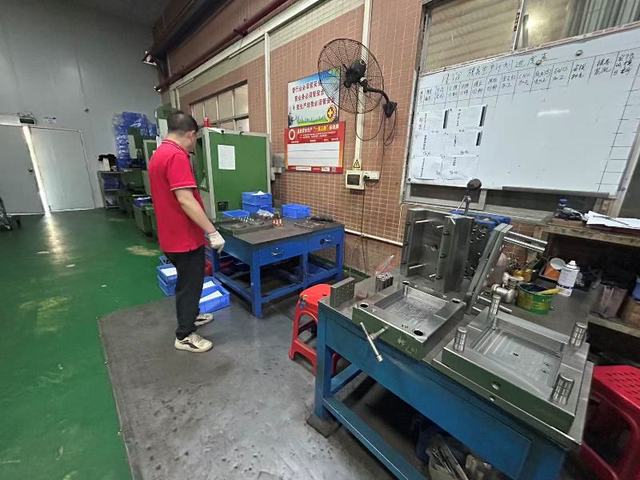
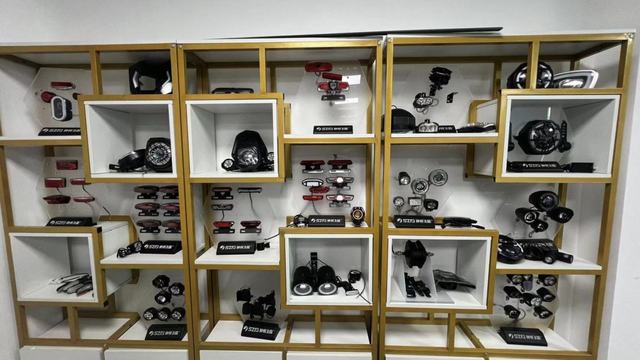
A visualization of our production spaces, highlighting our SMT cleanrooms, precision inspection machines, and storage management systems.
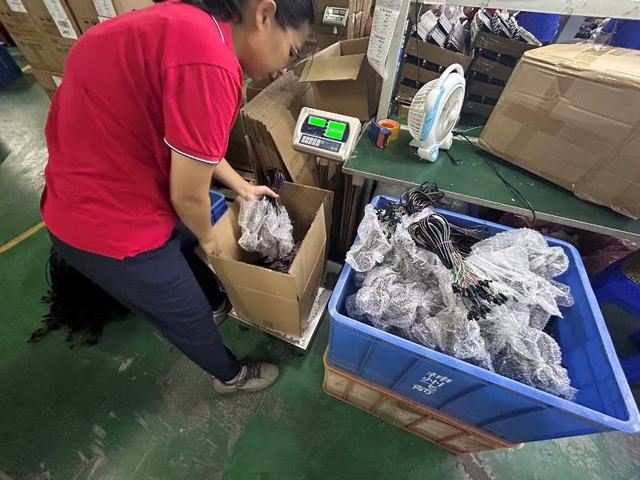
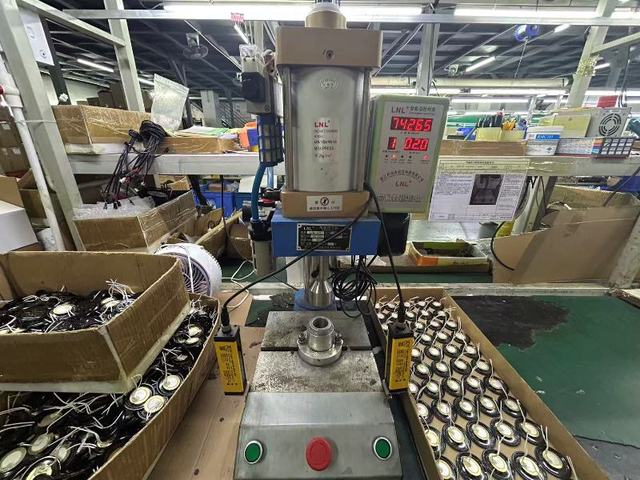
Get immediate, technical answers to common queries regarding design architectures, component standards, and ordering processes.
We primarily utilize Metal Core PCBs (MCPCBs) with high thermal conductivity dielectric layers (typically 1.5W/mK to 3W/mK) on aluminum or heavy-copper bases for power electronics. For signal-intensive applications, we deploy high-Tg FR-4 boards (Tg >170°C) with thermal vias to manage heat dissipation.
Our circuit designs integrate EMI suppression filters, custom common-mode chokes, and shielding enclosures. Every design undergoes prototype scanning in our EMC chambers to ensure the driver layouts do not exceed radiation levels specified by CISPR 25 Class 5 and OEM-specific limits.
Yes. We offer customized cabling, terminal crimping, and housing integration. We utilize automotive-grade connector materials, such as heat-resistant, glass-fiber reinforced nylon (PA66 GF25), and sealed terminals to prevent moisture ingress.
A typical custom development cycle takes between 12 to 16 weeks. This timeline includes layout design, optical simulations, prototype validation, and tooling setup, concluding with the submission of PPAP documentation for approval.
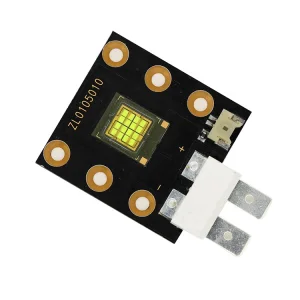
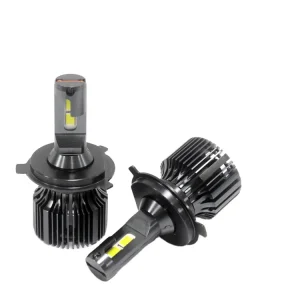
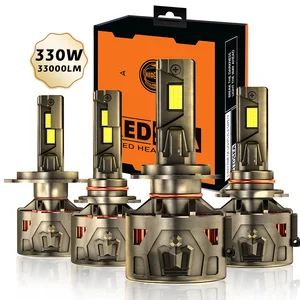
Explore our high-power replacements, smart controller modules, and flip-chip COB technology systems designed for the global replacement market.
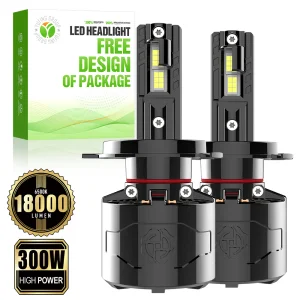
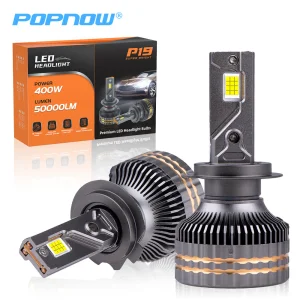
 EV Light