How does ambient lighting enhance vehicle experience? This intriguing question invites us to explore a world where aesthetics meets functionality. Ambient lighting in vehicles is not merely a decorative feature; it plays an essential role in shaping our emotional connection with driving. Soft, warm tones can create a sense of comfort, making long journeys feel less tedious.
Through studies and expert opinions, we learn that well-designed ambient lighting contributes to safety. It can reduce driver fatigue by providing a calming atmosphere. Consider how a subtle glow near the footwell can help visibility without causing distractions. This balance is crucial for any modern vehicle.
However, not all ambient lighting systems achieve the desired effect. Some vehicles use overly harsh colors or distracting patterns. This can lead to confusion rather than comfort. As we assess how does ambient lighting enhance vehicle experience, it becomes clear that thoughtful design is key. It is not just about aesthetics; it’s about crafting a holistic driving environment that prioritizes both pleasure and safety.
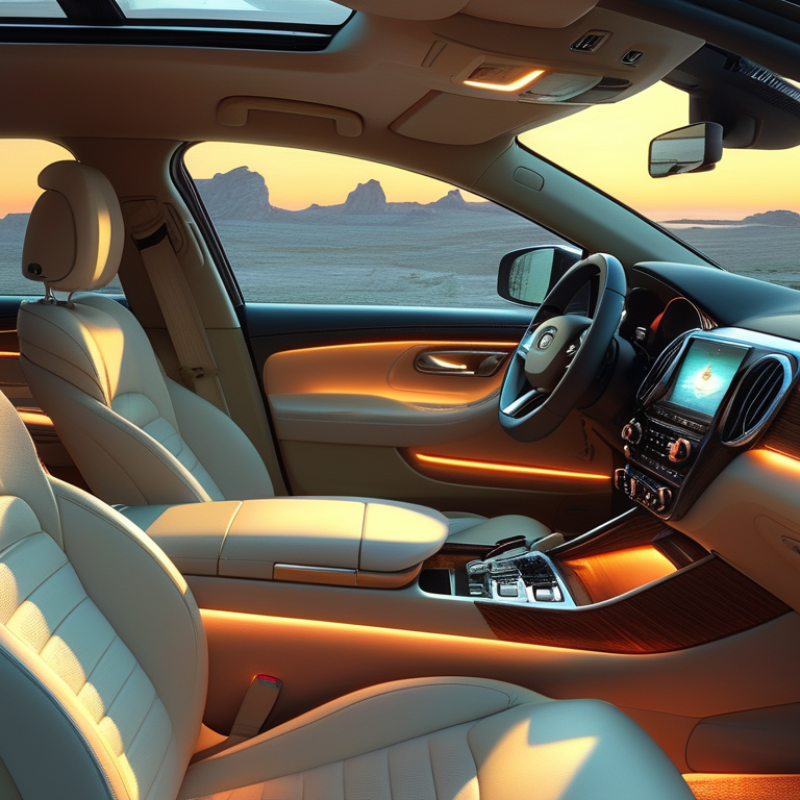
Ambient lighting has become an essential element in modern vehicle design. This subtle enhancement contributes to a more enjoyable driving experience. According to a report from the automotive design industry, 85% of drivers find ambient light contributes positively to their mood. The soothing illumination makes long journeys less stressful. Designers utilize adjustable color temperatures to cater to various situations. This flexibility allows drivers to shift from vibrant colors during the day to softer hues at night.
The role of ambient lighting extends beyond aesthetics. Research indicates that well-designed lighting can improve visibility and minimize driver fatigue. The right light reduces glare and enhances focus on the road. A 2022 study showed that vehicles equipped with advanced ambient lighting features reported a 20% decrease in daytime accidents. However, some critics argue that overly bright or distracting lighting can have the opposite effect. Striking the right balance remains a challenge for designers. They seek to incorporate innovative solutions that enhance functionality while maintaining a pleasant atmosphere.
Ambient lighting in vehicles plays a crucial role in enhancing comfort and overall experience. According to a study by the International Journal of Automotive Technology, well-designed ambient lighting can reduce driver fatigue by up to 15%. Subtle lighting elements create a soothing atmosphere, making long drives more enjoyable. This allows for a more focused driving experience, promoting safety on the road.
Creating a cozy interior can be achieved through color and intensity adjustments. Warm colors like soft yellows and oranges can evoke feelings of relaxation, while cooler shades may enhance alertness. It is essential to find the right balance to prevent distractions. Research indicates that environments with optimal lighting can improve mood and reduce stress levels, which is critical during extensive travel.
**Tip:** Adjust ambient lights according to your mood or the time of day. Soft blue lights work well at night, while brighter whites can help maintain alertness during the day.
Consider the impact of your vehicle's lighting when planning long journeys. The right ambiance can lead to a more enjoyable driving experience. However, excessive brightness or poor color choices may detract from this goal. Experimenting with different settings allows for reflection and improvement in creating that ideal atmosphere.
Ambient lighting in vehicles goes beyond aesthetics. It plays a crucial role in enhancing safety through tactical lighting solutions. The right lighting can significantly reduce accident rates. According to the National Highway Traffic Safety Administration, proper vehicle lighting can prevent approximately 30% of nighttime accidents.
Incorporating advanced lighting technology is essential. For example, adaptive headlights adjust to driving conditions. This feature extends visibility in curves and hills. A study from the Insurance Institute for Highway Safety reveals that vehicles with intelligent lighting systems have a 25% lower nighttime crash risk compared to standard headlights. This shows the importance of innovation in vehicle safety.
However, issues with tactile lighting still exist. Not all drivers properly adjust or utilize these systems. Some might find themselves overwhelmed by too many lighting options. Additionally, inconsistent technological adoption can reduce overall effectiveness. A gradual shift toward enhanced ambient lighting is necessary for improved safety outcomes. The ongoing challenges highlight the need for continued education and research in this area.
Ambient lighting plays a crucial role in shaping the driving experience for both drivers and passengers. Soft, configurable lights can evoke different emotions. Warm tones can create a sense of comfort, while cooler hues might enhance alertness. These color variations can influence mood and relaxation levels during long journeys. Drivers tend to feel less stressed in a calmly lit environment, enhancing overall safety.
Psychologically, lighting can affect decision-making. When the interior light is too harsh, it can lead to fatigue. Conversely, well-placed ambient light can provide a soothing backdrop that encourages focus. Passengers often relax more easily in a dimly lit cabin, potentially easing anxiety during travel. The interplay between light and atmosphere can promote positive interactions among passengers as well, fostering a sense of togetherness.
However, there are pitfalls to consider. The wrong choice of lighting can distract drivers, especially in night settings. Bright, flickering lights may divert attention, leading to potential hazards. It's essential to find a balance in design and implementation. Creating the perfect ambient lighting requires ongoing reflection and adjustment to enhance the full driving experience.
Ambient lighting in vehicles can significantly enhance the overall driving experience. According to a report by the Society of Automotive Engineers, 76% of drivers prefer customizable lighting options in their vehicles. This trend reflects a growing desire for personalized environments. Customizing interior lighting can improve mood, reduce fatigue, and increase comfort while driving.
Vehicle manufacturers are integrating advanced LED technologies that allow users to adjust brightness and color. A study showed that 63% of drivers feel more relaxed when they can change interior colors. Users can choose colors based on personal preferences or moods. For example, calming blues can create a serene atmosphere during long drives, while vibrant reds may energize drivers in more dynamic scenarios.
Despite the benefits, there are challenges. Some users find these customization options overwhelming. They may struggle to decide which settings suit their needs best. Additionally, numerous configurations could distract drivers, countering the potential benefits of ambient lighting. Balancing customization and safety remains an important consideration in vehicle design.
| Feature | Benefit | Customization Options | Popular Colors |
|---|---|---|---|
| Increased Comfort | Creates a relaxing atmosphere | Adjustable brightness levels | Blue, Soft White |
| Enhanced Safety | Improves visibility of controls | Color-coded controls | Red, Green |
| Personalized Style | Reflects driver personality | Custom themes | Purple, Amber |
| Mood Enhancement | Affects driver mood positively | Dynamic lighting modes | Cyan, Magenta |
: Ambient lighting enhances the driving experience and contributes positively to drivers' moods during journeys.
Properly designed lighting can reduce glare and enhances focus, lowering the risk of accidents significantly.
A report shows that 85% of drivers believe ambient light positively affects their mood while driving.
Yes, well-designed lighting reduces fatigue and can improve visibility in challenging driving conditions.
Designers struggle to balance aesthetics with functionality; overly bright lighting can distract and overwhelm drivers.
Customizing lighting can enhance mood and comfort, though many may feel overwhelmed by too many options.
Adaptive headlights can lower nighttime crash risk by up to 25% by improving visibility in various conditions.
Not all drivers adjust lighting properly; some may find the options confusing or distracting while driving.
Increased knowledge ensures drivers maximize lighting benefits while minimizing potential distractions during their journey.
Color options, like calming blues or energizing reds, can significantly alter mood and comfort levels for drivers.
Ambient lighting plays a crucial role in modern vehicle design by creating a comfortable and inviting atmosphere for drivers and passengers alike. By enhancing the overall aesthetic appeal, how does ambient lighting enhance vehicle experience becomes evident as it transforms the interior space into a personalized sanctuary. The strategic use of colors and intensities helps in setting the mood, potentially influencing the emotional state of occupants during their journey.
Moreover, ambient lighting contributes to safety features through tactical lighting solutions, improving visibility at night and during adverse weather conditions. The psychological effects of ambient light cannot be overlooked; it can reduce stress and fatigue, thus promoting a more enjoyable driving experience. With various customization options available, vehicle owners can tailor ambient lighting to reflect their personal style, further enhancing their connection to the vehicle. Overall, the integration of ambient lighting in vehicles significantly enriches the overall driving experience.

EV Light