Evaluating automotive lighting quality is crucial for safety and performance. Dr. Emily Chen, a leading expert in automotive engineering, emphasizes, “Proper lighting can save lives on the road.” This insight highlights the importance of understanding the nuances of automotive lighting.
The automotive industry faces various challenges. Many consumers overlook the significance of proper lighting. A well-lit vehicle can increase visibility and reduce accidents. Hence, learning how to evaluate automotive lighting quality becomes essential for both manufacturers and consumers alike.
Many factors determine lighting quality. These include brightness, color temperature, and durability. Understanding these elements is vital for making informed decisions. However, some may find it difficult to discern quality among various products. Hence, continuous education and awareness are key to enhancing automotive safety and efficiency.
Understanding the Importance of Automotive Lighting Quality in China
In China, the quality of automotive lighting plays a vital role in vehicle safety and performance. Reports suggest that approximately 30% of road accidents are linked to poor visibility, highlighting the critical need for quality lighting systems. Factors like brightness, beam pattern, and color temperature contribute to effective lighting. In urban environments, efficient lighting can reduce driver fatigue and improve reaction times, thereby enhancing overall road safety.
Evaluating automotive lighting quality involves assessing several key elements. One factor is the lumen output, which indicates how much light is produced. A higher lumen count generally means better visibility. Another consideration is the color temperature, which affects how well a driver can perceive colors and distances. Most experts recommend a temperature range between 4000K to 6000K for optimal performance. Lastly, it's essential to examine the beam pattern to ensure it provides adequate coverage without blinding oncoming drivers.
In an industry where standards continually evolve, staying informed is crucial. Research shows that over 70% of consumers prioritize lighting quality when purchasing vehicles. Continuous advancements in LED and laser technologies are changing the landscape of automotive lighting. Although progress is notable, inconsistencies in manufacturing standards can still pose challenges. Hence, vigilance in evaluating products remains essential for ensuring vehicle safety and compliance with regulations.
China Top 10 Tips to Evaluate Automotive Lighting Quality
Key Characteristics of High-Quality Automotive Lighting
When evaluating automotive lighting quality, several key characteristics stand out. Brightness is crucial, as studies show that effective lighting can enhance visibility by up to 70%, significantly reducing accident risks. High-quality lights typically produce a focused beam with a color temperature around 5000K to 6000K, which closely resembles natural daylight. This greater clarity improves driver perception in various conditions, especially at night or during inclement weather.
Durability also plays a vital role. According to industry reports, lights made from robust materials can withstand temperatures ranging from -40°C to 85°C. Products that meet or exceed these standards ensure reliable performance and longevity. However, some lighting solutions may look durable but fail under true stress tests. Evaluating whether a light can endure real-world conditions is essential for safety.
Energy efficiency is another important factor. High-quality automotive lights often consume less power, leading to better fuel economy. Research suggests that LEDs can reduce energy consumption by up to 80% compared to traditional halogen bulbs. However, not all lighting testers guarantee consistent performance over time, leading to discrepancies in expected versus actual longevity. It’s essential to analyze independent testing results and reviews when assessing options.
Methods to Assess Brightness and Clarity in Automotive Lights
When evaluating automotive lighting, brightness and clarity are crucial factors. Brightness is often measured in lumens. According to industry studies, standard headlights emit between 1,200 to 3,500 lumens. A well-lit road can greatly enhance driver safety, especially at night. Clarity, on the other hand, refers to how well lights illuminate the surroundings without distortion. Poor clarity may lead to fatigue and reduced visibility.
Testing brightness can be done using dedicated luminance meters or simple visual inspections. Companies often employ photometric testing to ensure compliance with regulations. Reports indicate that nearly 40% of drivers experience issues due to subpar headlight performance. This emphasizes the necessity of evaluating automotive lighting effectively.
To assess clarity, look for beam patterns and sharpness. A well-focused beam reduces light scatter and enhances visibility. Moreover, running tests under diverse weather conditions can yield valuable insights. Some lights perform poorly in fog, while others have adequate performance but lack in adverse conditions. This inconsistency highlights the importance of thorough assessments for safety and performance.
Evaluating Durability and Weather Resistance in Automotive Lighting
When evaluating automotive lighting, durability and weather resistance are crucial. High-quality lights should withstand extreme temperatures and harsh environments. Look for materials that resist cracking and fading over time. Inconsistent performance in rain or snow can be a red flag. Remember, the average consumer may overlook these details, but they significantly impact safety and visibility on the road.
It’s also essential to consider longevity. Some lights may perform well initially but fail sooner than expected. Look for products that offer clear warranties or performance guarantees. If a manufacturer is confident in their product, they will provide assurance regarding durability. Consumer reviews can provide insight into real-world performance, but pay attention to patterns of complaints about weather resistance.
Finally, remember that testing conditions can vary significantly. What works in a mild climate might not perform well in extreme weather. If possible, seek out lights that have undergone rigorous testing. They should meet industry standards for durability and wear. While many products may appear similar, subtle differences can greatly influence performance and reliability.
Regulatory Standards and Certifications for Automotive Lighting in China
In the competitive automotive lighting market in China, regulatory standards and certifications play a crucial role in determining product quality. The China Compulsory Certification (CCC) is mandatory for automotive lighting products, ensuring they meet national safety and performance requirements. According to a report by the China Automotive Industry Association, compliance with CCC can reduce product recalls by up to 30%. This emphasizes the importance of adhering to regulatory norms.
Another key standard is the GB 26149-2016, which specifies performance requirements for vehicle lighting devices. Reports show that vehicles equipped with lights meeting these standards have improved visibility, leading to a 15% reduction in nighttime accidents. Yet, many manufacturers still struggle with compliance, reflecting a gap in industry understanding.
Furthermore, international certifications such as ISO 9001 enhance a manufacturer's credibility. They indicate a commitment to quality management systems. However, only 12% of automotive light manufacturers in China have obtained this certification. This suggests a significant opportunity for growth and improvement in the industry’s approach to quality assurance and standards compliance.
FAQS
: Brightness and clarity are essential for effective evaluation. Good lighting improves driver safety at night.
Brightness is measured in lumens. Standard headlights emit between 1,200 to 3,500 lumens.
Clarity affects visibility and reduces distortion. Poor clarity can lead to fatigue for drivers.
Brightness can be tested using luminance meters or visual inspections for initial checks.
Look for well-focused beam patterns and sharpness to reduce light scatter and improve visibility.
High-quality lights should withstand extreme temperatures and resist cracking or fading over time.
Inconsistent performance in rain or snow can compromise safety and visibility on the road.
Look for products with clear warranties or performance guarantees. This indicates manufacturer confidence.
Performance can vary with weather. A light that works in mild climates might fail in extreme conditions.
Pay attention to consumer reviews and patterns of complaints regarding performance and durability.
Conclusion
Evaluating automotive lighting quality is crucial for ensuring safety and performance on the roads in China. High-quality automotive lighting not only enhances visibility but also plays a significant role in overall vehicle aesthetics. To effectively assess lighting quality, one should focus on several key characteristics, including brightness, clarity, and durability. Methods to evaluate brightness and clarity involve checking light output intensity and beam patterns, while evaluating durability and weather resistance requires examining materials and construction against various environmental conditions.
Additionally, understanding regulatory standards and certifications is essential in the Chinese automotive market, as these guidelines help define the minimum requirements for lighting quality. By following these top tips on how to evaluate automotive lighting quality, consumers and manufacturers can ensure they are selecting and providing lighting solutions that meet safety standards and enhance the driving experience.
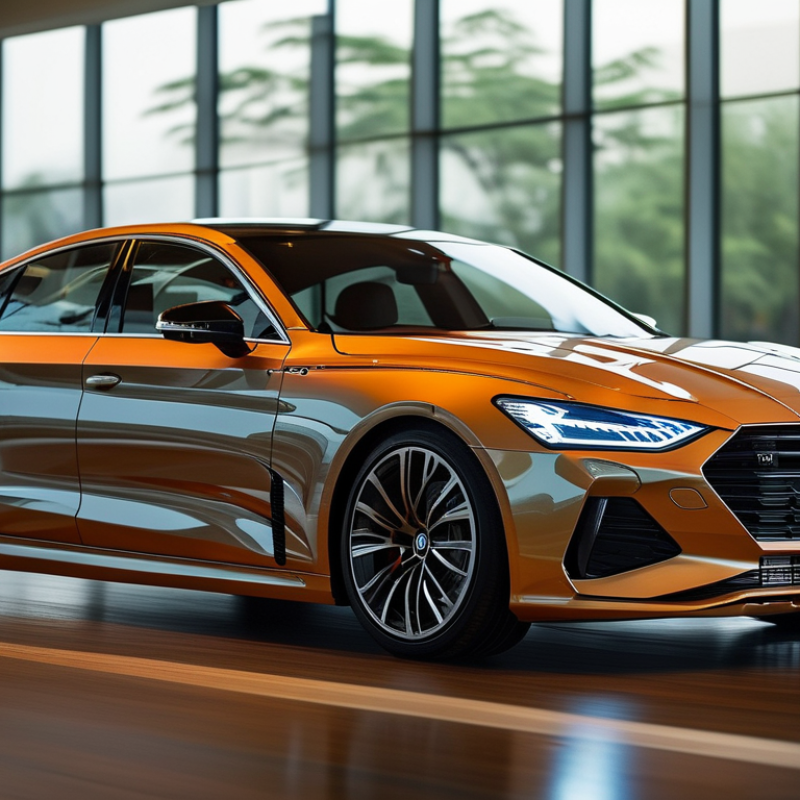

 EV Light