The rapid evolution of electric vehicles (EVs) has created an urgent need for optimal lighting solutions. Research from the International Energy Agency indicates that EV sales skyrocketed by 40% in 2020, reflecting a strong market demand. Selecting the right lighting is crucial for safety and efficiency, especially as more consumers embrace this technology.
According to Dr. Emily Parker, an industry expert with over 15 years of experience in automotive lighting, "Understanding how to choose lighting solutions for electric vehicles is essential for enhancing performance and safety." Her insights emphasize the importance of innovative designs and energy-efficient options. Proper lighting can significantly improve visibility, reduce accidents, and enhance the driving experience.
However, the process presents challenges. Choosing lights that balance functionality, compliance with regulations, and aesthetic appeal can be daunting. While advancements in LED technology provide opportunities, they also require careful consideration. The complexity of this task prompts reflection on how the industry can better guide manufacturers and consumers alike.
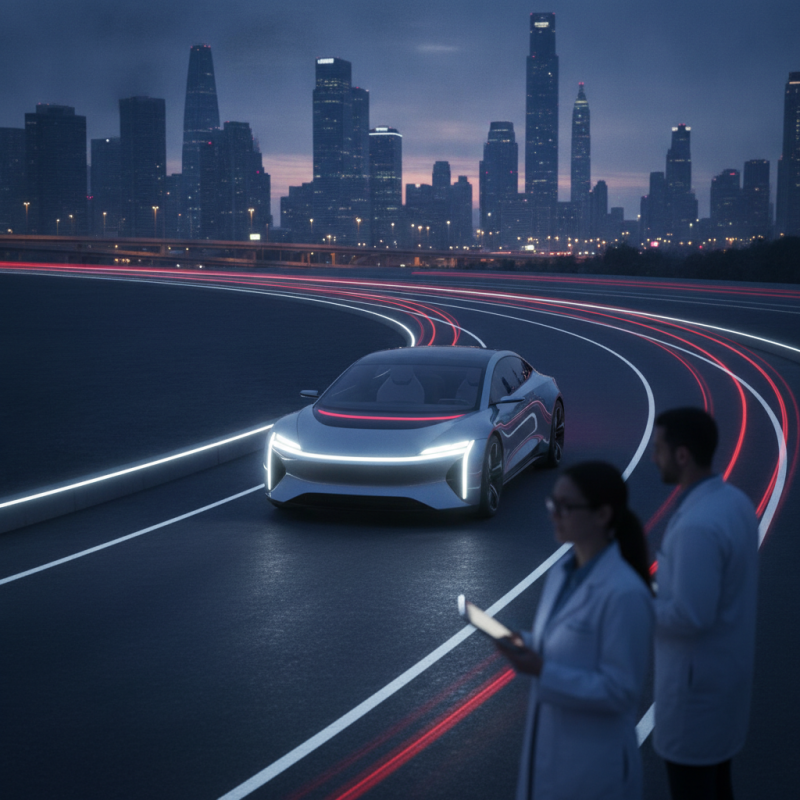
Lighting is a crucial element in the design of electric vehicles. It serves not only to illuminate the path ahead but also enhances safety and aesthetics. Proper lighting ensures better visibility during night drives, reducing the risk of accidents. A well-lit vehicle can also signal its presence on the road, helping other drivers make better decisions.
When exploring lighting options, consider the type of light source. LED lights are popular for their energy efficiency and longevity. They consume less power than traditional bulbs, preserving battery life. However, they can be expensive initially. Understanding your budget can guide this decision.
Tips for choosing lighting solutions:
1. Assess the brightness needed for your driving conditions.
2. Explore adaptive lighting systems that adjust automatically.
3. Think about how the lights contribute to the vehicle's design.
It's essential to strike a balance between functionality and aesthetics. A flashy light design may look good, but it might not provide adequate illumination. Also, consider the color temperature of your lights. Warmer tones provide a more natural light, while cooler tones can create a highly modern appearance. Reflect on your priorities. What matters most to you: style or safety?
This chart illustrates the percentage distribution of various lighting solutions used in electric vehicles. LED lighting dominates the market due to its efficiency and longevity, while other technologies like Halogen and Xenon hold smaller shares. Understanding these distributions helps in choosing the best lighting for enhancing safety and visibility in electric vehicles.
When selecting lighting solutions for electric vehicles (EVs), it's essential to explore key types. LED lighting is a popular choice due to its energy efficiency and long lifespan. LEDs consume less power and produce brighter light compared to traditional bulbs, enhancing visibility during night driving. This could be crucial for safety.
Another option is adaptive lighting, which adjusts based on driving conditions. These systems improve road illumination when navigating curves or elevations. This type of lighting demonstrates advanced technology but may require regular updates and checks to perform effectively.
Moreover, ambient lighting adds a layer of comfort to the EV environment. It focuses on creating a pleasant atmosphere rather than solely illuminating the path. While it enhances aesthetics, it may not serve a functional purpose in all situations. Users often overlook the importance of regular maintenance for each lighting type, which is vital to sustain performance. Understanding these options can guide buyers in making informed decisions.
When assessing lighting solutions for electric vehicles, brightness and efficiency are essential metrics. Research shows that LED lighting enhances visibility significantly. A study indicated that EVs with optimized LED systems can illuminate up to 80% better than traditional halogen lights. This not only enhances safety but promotes energy efficiency.
The energy consumption of EV lighting systems also merits attention. A report by the National Renewable Energy Laboratory revealed that proper lighting design can improve the efficiency of energy usage by up to 30%. This reduction has a direct impact on the vehicle's overall energy consumption. Dimmer features and adaptive lighting can further contribute to efficiency, but many systems still lack these advancements.
It is crucial, however, to evaluate ongoing design challenges. Some manufacturers face issues with color temperature consistency, which can affect driver perception. Additionally, many systems struggle to balance brightness with energy usage, leading to potential safety risks during nighttime driving. Continuous improvement in component design and integration is necessary to address these complexities effectively.
When considering lighting solutions for electric vehicles (EVs), several factors come into play. One key aspect is energy efficiency. According to the U.S. Department of Energy, LED lighting can improve energy efficiency by up to 80% compared to traditional halogen lights. This not only extends battery life but also enhances overall vehicle range.
Another factor to evaluate is the adaptability of the lighting system. Smart lighting solutions that adjust to different driving conditions can enhance safety significantly. Studies show that adaptive headlights can reduce nighttime collisions by up to 30%. This reflects the importance of selecting versatile lighting technologies that respond well to environmental changes.
Tips: Always assess the weight of the lighting components. Heavier systems can impact efficiency. Also, ensure the selected lighting complies with regional regulations to avoid legal issues. Regularly revisiting the lighting choices may reveal opportunities for upgrades or improvements, enhancing performance and safety over time.
Smart lighting technologies in electric vehicles have revolutionized the way we experience driving. These systems enhance visibility and safety while enriching the overall user experience. By using adaptive lighting solutions, electric vehicles can adjust to different driving conditions. This capability allows for improved night-time visibility and better illumination in challenging weather.
The integration of features like LED headlights and customizable ambient lighting creates a more enjoyable ride. Drivers can personalize the lighting based on their mood or preferences. However, there are concerns about the energy consumption of these smart technologies. Balancing efficiency and aesthetic appeal is essential.
Moreover, smart lighting systems must be reliable. Any malfunction can compromise safety. Manufacturers need to invest in high-quality components to ensure longevity and performance. Continuous advancements in technology mean that vehicle designers must remain flexible. They should be open to adjustments based on user feedback. Improving these systems is an ongoing process.
| Lighting Type | Energy Efficiency (lm/W) | Lifespan (hours) | Color Temperature (K) | Smart Features |
|---|---|---|---|---|
| LED | 80-120 | 25,000 - 50,000 | 3000 - 6500 | Dimming, Color Changing |
| Halogen | 15-25 | 1,000 - 3,000 | 3200 - 3500 | None |
| Xenon (HID) | 70-100 | 2,000 - 3,500 | 4000 - 6000 | Adaptive Lighting |
| Laser | 200+ | 30,000+ | 6500 - 10000 | Dynamic Beam Patterns |
: Energy efficiency is crucial. LED lights can improve efficiency by up to 80%.
Adaptive headlights can reduce nighttime collisions by up to 30%.
Heavier lighting systems can affect overall vehicle efficiency.
Non-compliance can lead to legal issues and unsafe driving conditions.
It enhances visibility and allows personalization based on driver preferences.
They may consume more energy, impacting the vehicle's efficiency.
Malfunctions can compromise safety and enhance risks during driving.
Yes, high-quality components are essential for performance and longevity.
They should remain flexible and open to user feedback for ongoing improvements.
Absolutely, reassessing can reveal upgrade opportunities for better performance.
When considering how to choose lighting solutions for electric vehicles, it is essential to understand the critical role that lighting plays in both safety and aesthetics. Key types of lighting solutions include headlights, taillights, and interior lighting, each serving unique functions that enhance visibility and comfort. Evaluating the brightness and efficiency of these lighting options is crucial, as it directly impacts the vehicle's performance and energy consumption.
Moreover, several factors need to be considered when selecting EV lighting solutions, such as compatibility with existing technologies, environmental impact, and design preferences. The integration of smart lighting technologies further enhances the driving experience by offering features like adaptive lighting and energy-efficient systems. By weighing these elements carefully, vehicle manufacturers and consumers can make informed decisions that align with their needs and values.

EV Light