The effectiveness of electric vehicle (EV) lighting has become a focal point in automotive innovation. According to a report from the International Energy Agency, the global stock of electric cars reached 10 million in 2020, emphasizing the urgent need for effective lighting systems. These innovations enhance safety and visibility, addressing the unique challenges faced by EVs. Experts agree that illuminating the path forward is crucial.
Dr. Emily Chen, an automotive lighting specialist, states, “How does electric vehicle lighting work? It combines advanced LED technology and smart control systems.” Her insights illustrate the shift towards smarter lighting solutions in EVs. As the industry adapts, consumers benefit from enhanced awareness during driving.
Several components contribute to this effectiveness. LED lights consume less energy while providing stronger illumination. However, it’s worth noting that some EV owners express concerns about longevity and replacement costs. This aspect requires ongoing reflection and improvement. As the electric vehicle market grows, addressing these challenges will become essential for future advancements in lighting technology.
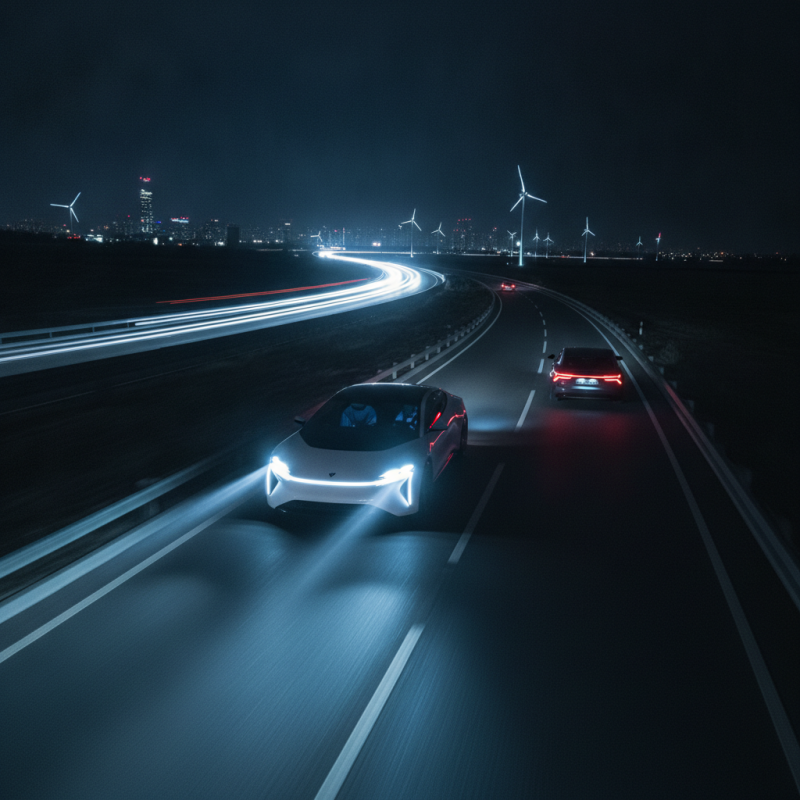
Electric vehicle (EV) lighting is designed to maximize efficiency and visibility. The primary technologies include LED and laser lights. LED lights are popular due to their low energy consumption and durability. They provide bright illumination while consuming less battery power. This is crucial for extending driving range.
Laser lights offer another level of efficiency. They can produce a strong beam with minimal energy use. However, they require careful calibration. Improperly adjusted laser lights can dazzle other drivers. This raises concerns about safety and effectiveness.
The integration of smart lighting systems adds another layer. These systems can adjust brightness based on external conditions. For example, lights may dim in well-lit areas. This feature enhances energy efficiency but can lead to inconsistencies. Sometimes, sensors may misjudge lighting needs. These challenges show that while technologies advance, room for improvement remains.
This bar chart illustrates the efficiency of different electric vehicle lighting technologies. LED lights are the most efficient, followed by Laser lights, Xenon, and Halogen lights. Understanding these efficiencies can help in selecting the optimum lighting solution for electric vehicles.
In the world of electric vehicles (EVs), lighting plays a crucial role. LEDs have transformed how we perceive vehicle lights. They offer higher efficiency, which is essential for energy-saving needs. This allows EVs to utilize their battery capacity better.
LEDs last longer compared to traditional bulbs. This longevity means less frequent replacements, saving time and resources. They also produce brighter light, which enhances visibility. Drivers benefit from clearer views at night or in low-light conditions. However, there's a learning curve. Some might need time to adapt to the brightness and color temperature of LEDs.
Tips: Consider switching to LED lighting in your own vehicle. Look for options that indicate energy efficiency. Pay attention to the color temperature, as it can impact visibility.
Although LEDs are efficient, they generate heat. This is another factor to examine. While they don’t usually overheat, proper heat management is essential to avoid performance drops. With attention to detail, the integration of LEDs can enhance both safety and efficiency in EV lighting.
Electric vehicle (EV) lighting systems are engineered with modern technology. They often use LED lights, which provide brighter illumination and consume less energy. This stands in contrast to traditional halogen or incandescent lights that require more power and generate more heat. LED systems also have a longer lifespan, reducing the need for frequent replacements.
When comparing the two systems, consider the efficiency of light output. EV lighting enhances visibility while driving at night or during poor weather conditions. These lights focus light in a directed manner, minimizing glare for oncoming drivers. Traditional lights can scatter light, resulting in inefficiencies. Higher brightness often leads to greater safety and comfort on the road.
Tip: Always check the positioning of your headlights to ensure optimal performance. Misalignment can diminish lighting effectiveness. Regular maintenance of your lighting system is crucial for safety.
While EV lighting is more effective, it may not always work flawlessly. Some drivers report that LED lights can create stark contrasts in visibility. This can be a concern in certain driving environments. Adjustments may be needed for specific conditions, reinforcing the need for adaptabilty in both lighting types.
Electric vehicles (EVs) are changing the way we think about lighting. The design of an electric vehicle plays a crucial role in how effectively its lighting performs. For instance, the placement of lights is often more strategic in EVs. Designers focus on optimizing aerodynamics and aesthetics, resulting in cleaner, more efficient light distribution.
In many models, LED technology is standard. These lights consume less energy and provide brighter illumination. However, their positioning can create issues. Shadows may obstruct visibility in certain angles, which is a concern during night driving. Designers must balance style, functionality, and safety.
Another aspect is the integration of smart features. Some EVs now include adaptive lighting systems that adjust based on conditions. Yet, not all designs implement this effectively. Sometimes, the sensors can be overly sensitive or not sensitive enough, leading to inconsistent performance. Continuous improvement in EV design is essential to enhance lighting systems and ensure safety on the road.
Electric vehicles (EVs) are rapidly revolutionizing lighting technology. Innovations in EV lighting enhance safety and aesthetics. With advancements in LED and adaptive lighting, drivers experience better visibility. The shift to brighter, energy-efficient lights reduces power consumption. This technology also influences the design of future vehicles.
Emerging trends indicate a move towards smart lighting systems. These systems can adjust automatically based on speed, weather, and road conditions. They improve the driving experience for all users. It’s vital to note, though, that not all adaptations are flawless. Some systems may struggle in adverse conditions. This leads to potential safety concerns that need addressing.
Moreover, the integration of vehicle-to-infrastructure communication introduces exciting possibilities. Imagine streetlights that respond to oncoming vehicles. These systems promise to increase awareness and prevent accidents. However, the dependence on technology raises questions about reliability. As we embrace these advancements, we must remain cautious about their limitations and ensure consistent performance.
| Lighting Technology | Efficiency (Lumens/Watt) | Lifespan (Hours) | Color Temperature (Kelvin) | Future Trend |
|---|---|---|---|---|
| LED | 80-100 | 25,000 - 50,000 | 3000 - 6500 | Smart Lighting Integration |
| Laser | 120-160 | 30,000 - 50,000 | 4500 - 6000 | Adaptive Lighting |
| Matrix LED | 90-110 | 20,000 - 40,000 | 3000 - 5500 | Personalized Illumination |
| OLED | 60-80 | 15,000 - 30,000 | 2700 - 4000 | Flexible Lighting Solutions |
| Xenon | 70-90 | 2000 - 4000 | 3500 - 5500 | Advanced Beam Patterns |
: LEDs improve lighting efficiency, helping electric vehicles use battery capacity better.
LEDs last longer and require fewer replacements, saving time and resources.
They produce brighter light, improving visibility at night and in low-light situations.
Pay attention to energy efficiency and color temperature for better visibility.
While efficient, LEDs generate heat. Proper heat management is crucial for performance.
The design influences light placement, which can create visibility issues from certain angles.
Many EVs offer adaptive lighting, but effectiveness can vary between models.
Yes, poor positioning may cause shadows that obstruct visibility during night driving.
Designers must balance aesthetics, functionality, and safety for optimal lighting performance.
Continuous improvement in design and sensory technology can enhance lighting systems.
Electric vehicle lighting systems leverage advanced technologies to enhance visibility and safety while promoting energy efficiency. Understanding how electric vehicle lighting works involves exploring the basics of innovative lighting technologies, particularly the role of LEDs, which are integral due to their low energy consumption and extended lifespan. In comparison to traditional lighting systems, electric vehicle lights offer superior brightness and adaptability, contributing to overall vehicle efficiency.
Moreover, the design of electric vehicles significantly influences lighting performance, with sleek, aerodynamic shapes allowing for better light distribution and integration. As these vehicles evolve, future trends indicate a shift towards smarter lighting innovations, such as adaptive headlights and intelligent lighting control systems. Ultimately, the combination of these technological advancements underscores the effectiveness of electric vehicle lighting, highlighting how does electric vehicle lighting work and its crucial role in modern mobility.

EV Light