Electric vehicles (EVs) are transforming the automotive industry. One crucial aspect of these vehicles is their lighting performance. Consumers often ask: what factors affect electric vehicle lighting performance? Understanding this can enhance safety and visibility.
The efficiency and effectiveness of EV lighting depend on various elements. This includes bulb technology, design, and external conditions. For instance, LED lights are popular due to their energy efficiency. However, factors like weather and vehicle speed can influence how well these lights perform in real-world scenarios.
Moreover, the installation and alignment of lights can impact their effectiveness. Poorly installed lights may not illuminate the road adequately. It raises questions about how manufacturers can ensure the best performance. By examining these factors, stakeholders can improve EV safety and user experience.
Factors Influencing Electric Vehicle Lighting Performance
When examining electric vehicle lighting performance, several key factors come into play. One significant influence is the type of lighting technology used.
LED lights are popular due to their energy efficiency and longevity. However, they can sometimes emit a harsh glare, impacting visibility. In contrast, halogen lights may offer softer illumination but consume more power.
Another factor is the design of the vehicle itself. Streamlined shapes can enhance aerodynamics, which affects how light scatters. Proper placement of lights is crucial as well. If mounted too low or too high, they can lead to poor visibility. Additionally, ambient lighting conditions, like fog or rain, can dramatically change lighting effectiveness.
Tips: Adjust your headlights regularly to ensure they are aligned correctly. Consider upgrading to advanced lighting systems where possible. This can significantly enhance safety during night drives. Always inspect your lights before long trips. Make sure they are clear of dirt and debris for maximum brightness.
Types of Lighting Technologies Used in Electric Vehicles
Electric vehicles (EVs) utilize various lighting technologies to enhance visibility and safety.
LED lights are the most common. They offer
energy efficiency and longevity, making them ideal for EVs. These lights consume less power while providing bright illumination, leading to
reduced battery drain. Their compact size allows for flexible design options, fitting seamlessly into diverse vehicle aesthetics.
Another technology gaining popularity is matrix LED lighting. This system adapts to driving conditions. It can dim or brighten different sections to avoid blinding oncoming traffic. The adaptability improves road visibility while enhancing safety. However, these systems can be complex and may require
regular software updates, which could pose maintenance challenges for some users.
Laser headlights are an innovative addition to the lighting mix. They emit a powerful beam with high precision. This feature allows for significant distance coverage, improving nighttime driving. Nevertheless, the technology remains costly. Some consumers may question whether the benefit justifies the price. As these technologies advance, manufacturers must balance
cost, performance, and reliability to meet consumer demands effectively.
Impact of Battery Capacity on Lighting Efficiency
Battery capacity plays a critical role in the lighting performance of electric vehicles. The energy stored in a battery directly influences how bright and effective the lights can be. With a larger capacity, the energy output for lighting increases, leading to enhanced visibility during night driving. A well-lit road improves safety for the driver and pedestrians alike.
However, there are challenges. High energy demand for lighting can diminish battery life. This poses a dilemma for manufacturers and users. They must balance efficient lighting with the overall energy needs of the vehicle. When the battery drains quickly, it can limit the driving range, potentially leaving drivers stranded.
Moreover, the efficiency of lighting systems varies. Some lights consume more energy yet provide less illumination. Innovating in LED technology or other light sources can be a solution, but it often requires significant research and development. Finding this balance is an ongoing challenge in the electric vehicle industry.
Design Considerations for Optimal Lighting Performance
Designing optimal lighting for electric vehicles involves numerous considerations. The placement and intensity of lights must cater to both aesthetics and functionality. For instance, studies reveal that about 80% of accidents occur at night. Thus, effective illumination plays a critical role in safety. It’s essential to strike a balance between energy efficiency and brightness. High-efficiency LEDs can reduce energy use by up to 75%, a vital factor for electric vehicle range.
Furthermore, the angle and spread of light directly affect visibility. A focused beam may enhance distance perception but could leave blind spots. In contrast, a broader distribution allows for better peripheral visibility. Automotive lighting experts recommend using adaptive systems that adjust to driving conditions. For example, smart lighting can automatically brighten when detecting pedestrians. This adaptability not only improves safety but also enhances driver experience.
Engineers must also consider the environmental impact of lighting systems. Material choice, lifespan, and recyclability of components are significant. Some estimates suggest that up to 30% of an EV’s weight comes from lighting systems. This is both a challenge and an opportunity. Reducing weight can improve vehicle range, yet it raises questions about durability. The pursuit of optimal lighting remains a complex journey, requiring ongoing reflection and innovation.
Environmental Conditions Affecting Lighting Visibility and Safety
Environmental conditions play a crucial role in electric vehicle lighting performance. Visibility is significantly influenced by weather factors like rain, fog, and snow. Low-light situations can impair the effectiveness of headlights. In heavy rain, the water on the road scatters light. This scattering reduces the distance a driver can see, making it harder to detect obstacles. Furthermore, fog can create a reflective barrier, making standard headlights less effective.
Temperature can also impact lighting performance. Cold weather may lead to reduced battery efficiency, affecting the brightness of LED lights. Conversely, extreme heat can cause overheating issues, leading to a decrease in light output. When electric vehicles are not designed to adapt to varying temperatures, this can limit overall safety. Drivers may find themselves in frustrating situations when they need adequate illumination but don’t get it.
The road environment adds complexity. Urban areas often have more light pollution, which can reduce the effectiveness of car headlights. On the other hand, rural roads might lack sufficient streetlights, requiring effective lighting for safe navigation. The inconsistency in road types and conditions highlights the need for continuous adaptation in lighting technology. Users must reflect on how their vehicle's lighting meets these challenges, understanding that improvements are still necessary for enhanced safety in diverse conditions.
FAQS
: Electric vehicles primarily use LED lights for energy efficiency and longevity.
LED lights consume less power and provide bright illumination, reducing battery drain.
Matrix LED lighting adapts to driving conditions, adjusting brightness to enhance safety and visibility.
These systems can be complex and may need regular software updates, which could complicate maintenance.
Laser headlights emit a precise beam, improving distance coverage for better nighttime driving.
While they improve visibility, the high cost may make some consumers reconsider their value.
Proper light placement and intensity are crucial since many accidents occur at night due to poor illumination.
Adaptive lighting enhances visibility by adjusting brightness based on conditions, like detecting pedestrians.
Material choice, lifespan, and recyclability are important for reducing weight and improving vehicle range.
Striking a balance between energy efficiency, brightness, and durability requires continuous innovation and reflection.
Conclusion
Electric vehicle lighting performance is influenced by several key factors. Understanding what factors affect electric vehicle lighting performance involves examining the types of lighting technologies employed, such as LED and adaptive lighting systems, which enhance visibility and energy efficiency. Additionally, battery capacity plays a crucial role in determining lighting efficiency, as a larger battery can support more powerful lighting systems without compromising range.
Design considerations are also essential for optimizing lighting performance, including the arrangement and orientation of lights to improve visibility. Furthermore, environmental conditions such as weather and road conditions significantly impact lighting visibility and safety, requiring adaptive lighting solutions that respond to these changes. By addressing these factors, manufacturers can enhance the overall safety and functionality of electric vehicle lighting systems.
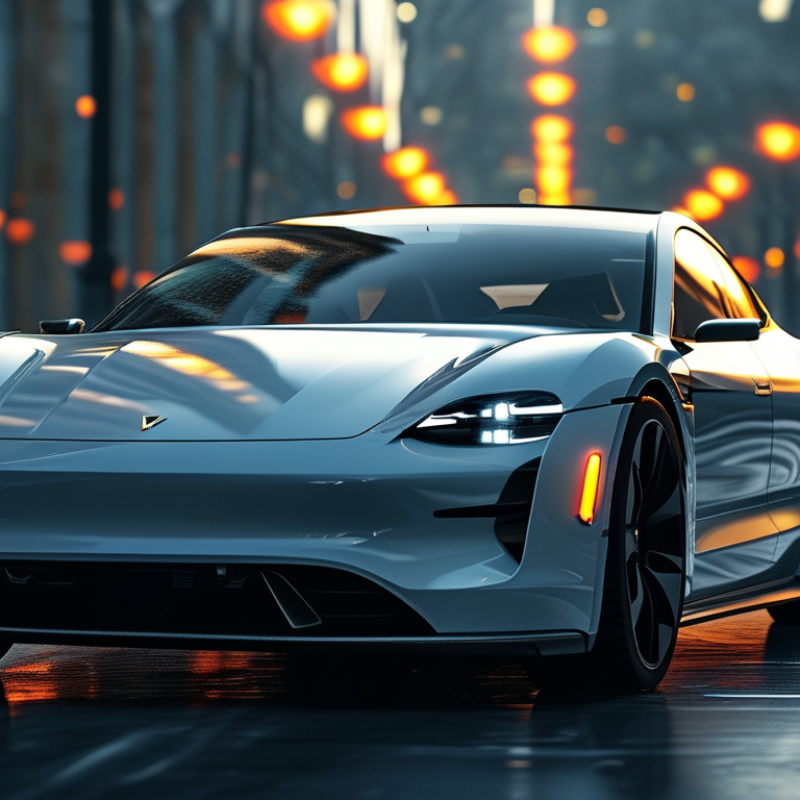

 EV Light