How Does Electric Vehicle Lighting Work?

Time:2026-11-03 Author:Ethan
0%

How does electric vehicle lighting work? The answer begins with energy. A high-voltage battery supplies power to the vehicle’s electrical system, while electronic controllers manage individual lighting circuits. In many EVs, efficient LED modules illuminate the road, mark the vehicle’s position, and signal braking or turning. Small details matter: a headlamp must shape its beam, not simply shine brightly.

Lighting researcher Dr. John Bullough’s work focuses on transportation and safety lighting. A concise paraphrase of a key principle is: “Help drivers see, and help others see the vehicle.” That captures the dual purpose of headlights, tail lamps, brake lights, and turn signals. It is not a verified verbatim quotation. In an EV, sensors and control software may also adjust lighting in response to vehicle state or surroundings, depending on the model.

The sections ahead explain how power reaches each lamp, how LEDs produce light, and how controls coordinate signals. They also examine adaptive headlights and dashboard warnings. A practical example helps: press the brake pedal, and rear brake lamps brighten to warn following drivers. Simple, but important. There is a caveat: EV lighting is not identical across manufacturers, and features vary by trim and market. Any overview can miss those differences. That limitation deserves attention.
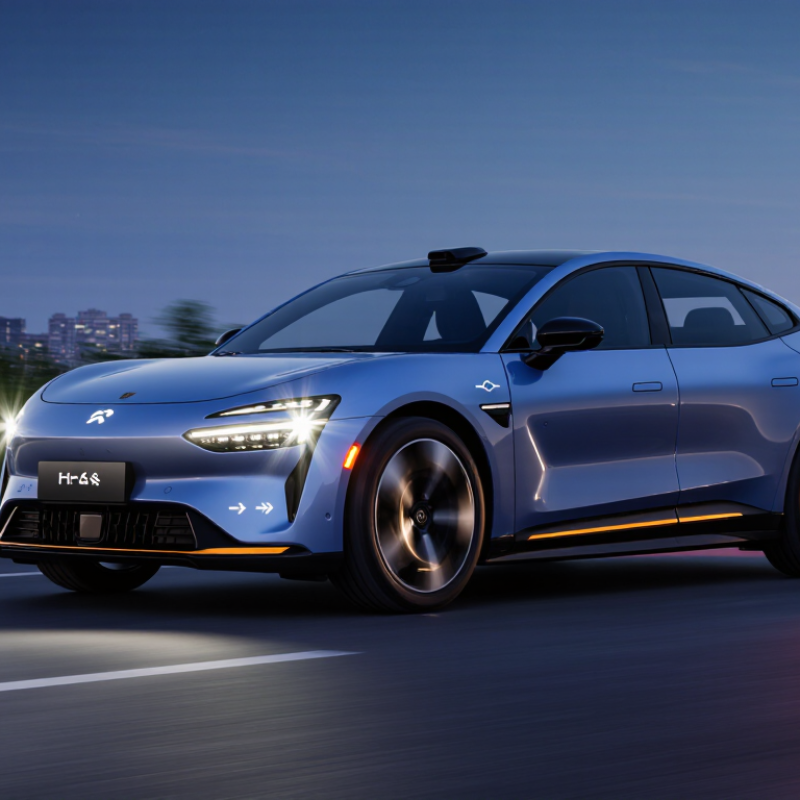
How Does Electric Vehicle Lighting Work?

Electric Vehicle Lighting Components and Light Sources

An electric vehicle’s lighting system combines light sources, optical parts, wiring, and electronic controls. The low-voltage electrical system powers exterior lamps and cabin lights, while control modules manage functions such as dimming and turn signals. A DC-DC converter supplies this system from the vehicle’s high-voltage battery. The converter matters, though it is easy to overlook.

LEDs are common because they use little energy, switch on quickly, and fit compact lamp designs. Reflectors and lenses shape their output into a beam that helps illuminate the road without sending excessive glare toward other drivers. Some vehicles also use halogen or high-intensity discharge sources; OLED panels can create thin, evenly glowing rear-light shapes. Each option has trade-offs in cost, heat, durability, and design flexibility.

The US Department of Energy’s Energy Saver guidance reports that LEDs use at least 75% less energy than incandescent lighting. That figure is a general lighting comparison, not a direct test of vehicle lamps. Still, efficiency matters when many electrical systems share a battery. Real-world performance also depends on optics, cooling, and control settings—not just the light source. A bright lamp can waste light if its beam is poorly aimed.

How the Vehicle Powers Its Lighting System

An electric vehicle’s headlights, indicators, cabin lights, and control modules usually run on a low-voltage electrical network. Many vehicles use a 12-volt system, while some use a different voltage. The large traction battery stores energy for driving, but lighting generally does not draw power directly from it. Small loads matter.

A DC-to-DC converter reduces high-voltage battery power to the level needed by the low-voltage system. It can also recharge the auxiliary battery while the vehicle is on or ready to drive. That smaller battery helps supply power when the vehicle is parked, such as when hazard lights are operating. The exact setup varies by vehicle, so a simple diagram can make the system look more uniform than it really is.

LEDs are common because they produce light efficiently and respond quickly, but they still depend on wiring, fuses, sensors, and control electronics. A headlight may brighten when a sensor detects darkness, while the converter quietly maintains the low-voltage supply. If the auxiliary battery weakens, electrical symptoms may appear even when the traction battery has plenty of charge. That distinction is easy to overlook. It is tempting to describe the converter as just a step-down device, yet its monitoring and protection functions matter too.

How Does Electric Vehicle Lighting Work? — How the Vehicle Powers Its Lighting System

An electric vehicle typically uses a low-voltage electrical system for its lights. A DC-DC converter supplies this system from the high-voltage traction battery while the vehicle is operating.

Lighting Component Typical Supply Approximate Power How It Is Powered and Controlled
Low-beam headlamps Usually 12 V; some vehicle designs use a 48 V low-voltage system About 20–60 W per LED headlamp assembly A low-voltage circuit supplies the lamp through wiring and protection devices. The vehicle’s lighting controller switches or regulates the output.
High-beam headlamps Usually 12 V or 48 V, depending on vehicle architecture About 20–60 W per LED assembly when active The driver’s high-beam command is interpreted by vehicle electronics, which activate the high-beam circuit or adjust a compatible headlamp module.
Daytime running lights Low-voltage electrical system About 5–20 W per side They are generally switched on automatically when the vehicle is ready or moving, subject to the vehicle’s control logic and local requirements.
Front and rear turn signals Low-voltage electrical system About 2–10 W per LED lamp A body or lighting controller flashes the lamps in response to the turn-signal switch or hazard-warning command.
Tail lamps and position lamps Low-voltage electrical system About 2–15 W per lamp They are commonly activated with the exterior-lighting control and may also operate with automatic lighting functions.
Brake lamps Low-voltage electrical system About 3–15 W per lamp A brake-pedal signal prompts the vehicle controller to illuminate the brake lamps. Regenerative braking alone does not necessarily activate them; the vehicle’s braking logic determines when they are required.
Reverse lamps Low-voltage electrical system About 5–20 W per lamp The lamps are commanded on when the vehicle selects reverse, with the exact control arrangement depending on the vehicle design.
Interior and instrument lighting Low-voltage electrical system Typically a few watts per light or display backlight; varies by equipment Interior controls and vehicle electronics manage dimming, door-triggered illumination, and display brightness.
DC-DC converter High-voltage traction battery to low-voltage bus Capacity varies by vehicle; it supplies many low-voltage loads It converts traction-battery DC power to the vehicle’s low-voltage supply. In many EVs, it also replenishes the low-voltage battery while the vehicle is on or charging.
Low-voltage battery Commonly a 12 V system; some vehicles use a different low-voltage architecture Not a lamp rating; it stores energy for low-voltage electronics and loads It can support vehicle electronics and lighting when the DC-DC converter is not supplying power, according to the vehicle’s operating state and design.
Power figures are approximate illustrative ranges, not specifications for a particular vehicle. Actual values depend on lamp technology, design, operating mode, and vehicle architecture.

How Lighting Controls Operate Each Light

How Does Electric Vehicle Lighting Work?

How Lighting Controls Operate Each Light

In an electric vehicle, lighting is usually managed by electronic control modules powered through the low-voltage system. The driver’s switch, ambient-light sensor, steering angle, and vehicle speed can all influence commands. A controller then sends separate signals to the low beams, high beams, daytime running lights, indicators, and rear lamps. A tiny delay may be noticeable when a turn signal starts, but the control system is coordinating more than one circuit.

For adaptive headlights, sensors and software can adjust the beam as the vehicle turns or detects surrounding traffic. NHTSA’s 2022 final rule updated Federal Motor Vehicle Safety Standard No. 108 to permit adaptive driving beam systems that meet its performance requirements. The exact setup varies by vehicle. LED efficiency helps, too: the U.S. Department of Energy reports that LEDs use at least 75% less energy than incandescent lighting and can last up to 25 times longer. That comparison is general lighting guidance, not a vehicle-specific test.

How Sensors Enable Automatic and Adaptive Lighting

In an electric vehicle, automatic lighting begins with sensors that read the surroundings. An ambient-light sensor can detect when daylight fades, prompting the headlights to switch on. A camera may also identify streetlights or the tail lamps of vehicles ahead. The control system weighs these signals before changing the lights. Small changes matter.

Adaptive lighting responds to what is happening on the road, not just how dark it is. A forward-facing camera can detect oncoming traffic and vehicles ahead, then help adjust the high-beam pattern to reduce glare. Steering-angle and speed sensors can guide cornering lights toward a bend. The beam shifts with the car. It is not magic; each adjustment depends on sensor readings and carefully set limits.

Sensors have limits. Road spray, fog, dirt on a camera lens, or sharp changes in brightness can make readings less reliable. The system may react cautiously, and the driver still needs to watch the road. It is tempting to call every adjustment “intelligent,” but lighting can feel slow or imperfect in unusual conditions. Clean lenses and correct sensor calibration make a practical difference.

How EV Lighting Supports Visibility and Safety

How Does Electric Vehicle Lighting Work?
How EV Lighting Supports Visibility and Safety

Electric vehicle lighting helps drivers see road edges, pedestrians, cyclists, and changing traffic conditions. It also helps other people judge a vehicle’s direction and speed. At dusk, a clear headlight beam can reveal a dark-coated pedestrian near a crossing sooner. Properly aimed low beams illuminate the road without shining directly into oncoming drivers’ eyes.

Brake lights and turn signals communicate changes in movement. Their placement and brightness matter, especially in rain, fog, or busy traffic. Small details matter. A dirty lens or failed lamp can make an important signal harder to notice. Electric vehicles may also use sensors to adjust headlights as conditions change. Not a cure-all.

Automatic lighting can support visibility, but it does not replace attentive driving. Sensors may respond imperfectly to sharp curves, heavy spray, or unusual roadside lighting. Drivers still need to slow down when visibility drops and watch beyond the headlight beam. I find this easy to underestimate on familiar roads. A familiar route can still hide a cyclist in shadow.

Routine checks help keep the system dependable. Clean the lenses, confirm that all lamps work, and notice whether the beams seem uneven or unusually dim. After a repair or impact, headlight alignment may need inspection. Good lighting cannot prevent every hazard, but it gives drivers clearer information and gives others more time to react.

How Does Electric Vehicle Lighting Work?

LEDs convert electrical energy into light. Headlamps produce broad-spectrum white light to illuminate the road, while amber indicators and red rear lamps use light concentrated in their respective color regions to communicate clearly. The wavelength bands shown are approximate references, not regulatory limits; real lamp color is specified using chromaticity.

FAQS

Which battery usually powers an electric vehicle’s lights?

Most lighting runs on a low-voltage network, often 12 volts. Some vehicles use a different voltage.

Does the traction battery power the headlights directly?

Usually, no. A DC-to-DC converter supplies lower-voltage power from the traction battery. The setup varies.

What does the auxiliary battery do?

It can supply power while the vehicle is parked, including for hazard lights. It may also receive a charge while the vehicle is on or ready to drive.

Can a weak auxiliary battery affect lighting?

Yes. Lamps or other electrical systems may show symptoms, even when the traction battery has plenty of charge. Easy to miss.

Why are LEDs common in vehicle lighting?

LEDs use energy efficiently and respond quickly. But they still rely on wiring, fuses, sensors, and control electronics.

How do headlights help people on the road?

A clear, properly aimed beam can reveal road edges, pedestrians, and cyclists. Low beams should not shine into oncoming drivers’ eyes.

Do automatic headlights handle every visibility problem?

No. Sensors may respond imperfectly to curves, heavy spray, or unusual roadside lighting. Drivers still need to slow down and pay attention.

What should drivers check during routine lighting inspections?

Clean the lenses and confirm every lamp works. Notice dim lights or uneven beams. After an impact or repair, alignment may need inspection. I might overlook that.

Conclusion

How does electric vehicle lighting work? An electric vehicle uses a network of lamps, light sources, wiring, and electronic controls to illuminate the road and make the vehicle visible to others. Headlights, daytime running lights, turn signals, brake lights, and interior lights each serve a different purpose. Power comes from the vehicle’s electrical system, which supplies energy through circuits and control modules. These components manage how much power each light receives and help coordinate lighting with the vehicle’s operation.

Drivers activate many lights using switches or controls, while sensors can turn lights on automatically when it gets dark or visibility decreases. More advanced systems may adjust the direction or brightness of the beams in response to road conditions, vehicle speed, or nearby traffic. Together, these features help drivers see hazards, communicate intentions, and improve visibility for people around the vehicle. Properly coordinated lighting supports safer driving in changing conditions.

Ethan

Ethan

Ethan is a seasoned marketing professional with a deep expertise in our company's innovative product line. With a passion for sharing knowledge and insights, he takes the lead in regularly updating our corporate blog, where he explores industry trends, product features, and effective marketing......