How Does Lighting Contribute to Vehicle Branding?

Time:2026-09-14 Author:Madeline
0%

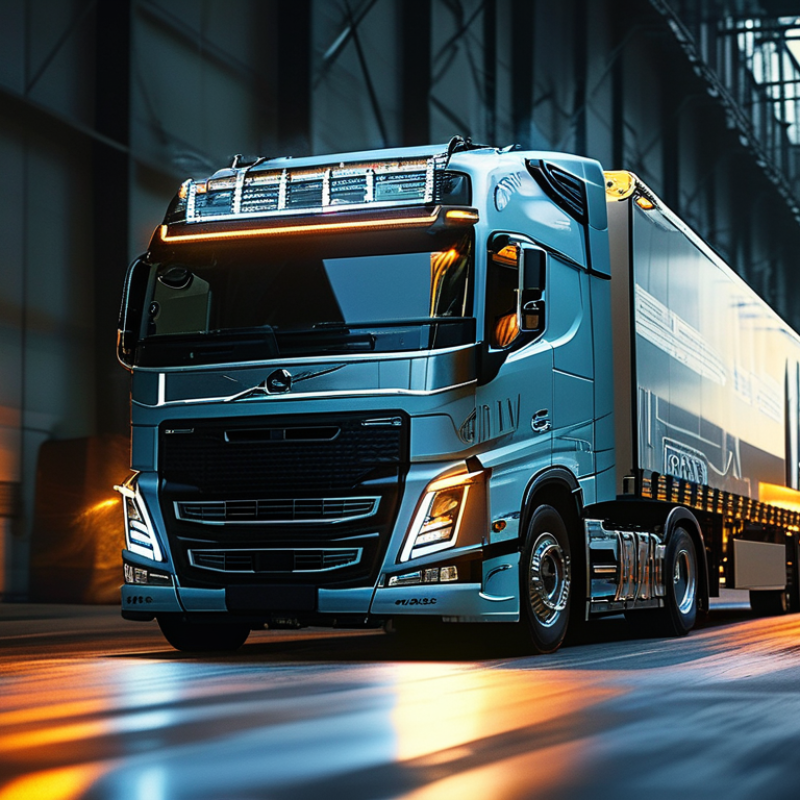
Vehicle branding is no longer limited to paint, logos, and printed slogans. Lighting can make a delivery van recognizable before its name is clearly visible. A soft illuminated logo may create a premium impression, while carefully placed accent lights can suggest energy, speed, or technical confidence. This is where the question “how does lighting contribute to vehicle branding” becomes practical, not merely decorative.

In real campaigns, lighting shapes how people notice, remember, and interpret a vehicle. A branded truck moving through a dim warehouse district may use consistent logo illumination, controlled color tones, and even light distribution. These details help connect the vehicle with the company’s wider identity. Designers and fleet managers should test brightness, viewing distance, reflections, and camera visibility before approving a final system. A light that looks impressive in a studio may appear harsh beside a busy road.

The strongest results usually come from coordination. Brand guidelines, vehicle materials, maintenance routines, and professional installation must work together. Reliable LED systems can reduce replacements, but they still need inspection and sensible operating controls. Safety matters more than visual drama. Excessive brightness can distract viewers and weaken the brand’s credibility.

Not every idea succeeds.

A useful review should include real driving conditions, weather changes, and nighttime photographs. It should also ask whether the lighting remains attractive after months of dust, vibration, and minor wear. There is room for judgment here. Lighting can create attention, but attention alone does not build trust. Consistency, restraint, and measurable performance make vehicle branding more believable. This article examines these factors and explains how thoughtful lighting can turn ordinary fleet vehicles into recognizable brand experiences.
How Does Lighting Contribute to Vehicle Branding?

Definition and Role of Lighting in Vehicle Branding

How Does Lighting Contribute to Vehicle Branding?

Definition and Role of Lighting in Vehicle Branding

Lighting in vehicle branding means using controlled illumination to support recognition, visibility, and visual consistency. It may include illuminated lettering, edge lighting, interior displays, or reflective surfaces. It is not decoration. Each light should clarify the vehicle’s identity without distracting nearby drivers or pedestrians.

In practical design reviews, lighting works best when it follows the vehicle’s shape. A soft glow can trace a side panel, while focused light can highlight a rear message area. Brightness, color temperature, and viewing distance all affect perception. Cool white light often feels precise, while warmer tones can appear more approachable. However, color may shift under streetlights, rain, or camera exposure.

Safety and reliability remain central. Lighting must avoid glare, uneven hotspots, and confusing signals. It should also meet applicable transport and electrical requirements in each operating region. Technicians should check wiring protection, heat management, moisture resistance, and access for replacement. Small faults become noticeable at night. Details matter.

A useful installation test involves viewing the vehicle from several angles and distances. Reviewers can photograph it in daylight, dusk, and wet conditions. The result may look strong in a workshop but weak on a busy road. That limitation deserves honest attention. Some designs also use too much illumination, making the message harder to read. Effective vehicle lighting requires restraint, testing, and regular maintenance.

How Does Lighting Contribute to Vehicle Branding?

Definition and Role of Lighting in Vehicle Branding

Vehicle lighting supports branding by making a vehicle recognizable, communicating movement and safety intentions, and creating a consistent visual signature. The chart below uses legally defined signal colors from common vehicle lighting functions under UN Regulation No. 48.

White lighting is commonly used for front-position and reversing functions, red lighting for rear-position and rear-fog functions, and amber lighting for direction indicators. Consistent use of these colors helps people recognize vehicle orientation and behavior while allowing distinctive, compliant lighting designs to support visual identity.

How Exterior Lighting Creates a Distinctive Vehicle Identity

Exterior lighting now acts as a vehicle’s visual signature. A narrow daytime-running-light shape can suggest precision before the driver notices the grille. A continuous rear light can make the vehicle recognizable at dusk, in rain, or through a parking garage. Distinctive proportions matter more than excessive brightness. The National Highway Traffic Safety Administration recorded 7,522 pedestrian deaths in the United States during 2022, showing why identity must coexist with clear visibility. A strong signature should guide attention, not create confusion.

Lighting also communicates movement and intent. A sequential turn signal can make direction easier to read, while carefully controlled welcome lighting can create a memorable ownership experience. U.S. Department of Energy guidance reports that LEDs use at least 75% less energy than incandescent sources and last much longer. That efficiency supports thinner lamps, sharper graphics, and more flexible placement.

Still, efficient technology does not automatically produce good design. Too many pixels can look noisy. That matters.

From a development perspective, the best exterior lighting identity begins with repeatable geometry. Engineers should test the signature from different distances, angles, weather conditions, and camera exposures. Designers should also examine how it appears when one lamp is partly blocked by traffic or pedestrians. I have seen attractive concepts lose recognition in real-world reflections. This is where professional judgment becomes essential. Distinctiveness should remain legible, restrained, and compatible with applicable lighting requirements in each market.

How Interior Lighting Reinforces Brand Perception

Interior lighting turns a vehicle cabin into a visible expression of its character. In my experience, passengers notice light before they understand the design. A warm, low-intensity glow can make textured surfaces feel calm and welcoming. Cooler light may suggest precision, cleanliness, or technical confidence. The cabin speaks.

Small details matter. A thin light line around the doors can guide attention without dominating the dashboard. Gentle illumination near storage areas improves usability during evening travel. Carefully controlled contrast also protects the eyes from sudden brightness changes.

However, attractive lighting can become distracting when reflections appear on glass or glossy trim. That mistake is easy to underestimate.

Effective lighting design combines visual emotion with measurable performance. Teams should test color consistency, glare, heat, energy use, and long-term durability. A light that looks balanced in a studio may feel harsh on a rainy night. User testing inside moving vehicles can reveal uncomfortable shadows or confusing controls. Safety requirements must remain central, especially around visibility and driver attention. The best result is not always the brightest or most dramatic. Sometimes, restraint communicates confidence more clearly. Yet even subtle lighting can fail when software changes create uneven brightness or delayed responses. That weakness deserves honest review before production.

Lighting Technologies Used for Vehicle Brand Expression

How Does Lighting Contribute to Vehicle Branding?

Lighting Technologies Used for Vehicle Brand Expression

Vehicle lighting has become a moving signature. It can shape recognition before drivers notice the body lines. In my experience, a precise light pattern often feels more memorable than a large emblem. Daytime running lights, illuminated grilles, and rear light bars create this visual identity.

LED systems offer sharp lines, low energy use, and flexible packaging. They support different shapes across headlights, doors, and dashboards. OLED panels can create smooth, segmented surfaces with controlled brightness. Fiber-optic guides add a softer glow inside the cabin. Projection lighting can display welcome patterns near the vehicle, but designers must manage clarity and restraint. Too many effects may weaken the message. That lesson is easy to miss.

Tips: Use one strong lighting theme. Match color temperature across exterior and interior zones. Test the design in rain, dust, traffic, and direct sunlight. Certified photometric testing should confirm visibility, glare control, and regional compliance.

Reliable vehicle branding depends on engineering, not decoration alone. Light sources need stable thermal performance and protection from vibration. Optical testing can reveal uneven brightness, reflections, or confusing signals. Designers should also study how people read the vehicle from different distances. A pattern that looks elegant in a studio may appear unclear on a crowded road. This is where careful field testing matters. The best result may feel quiet.

Factors That Shape the Effectiveness of Branded Vehicle Lighting

How Does Lighting Contribute to Vehicle Branding?

Factors That Shape the Effectiveness of Branded Vehicle Lighting

Vehicle lighting can turn a moving van into a recognizable visual message. It works best when design, visibility, and brand consistency support each other. A soft edge light can outline the vehicle at dusk, while controlled interior lighting can reveal products through windows. However, brightness alone does not create stronger recognition. Glare, uneven color, and crowded graphics may make the vehicle look careless.

Several factors shape performance. Color temperature should match the visual identity and the vehicle’s materials. Cool white light may feel technical, while warmer tones can appear more welcoming. Placement matters too. Lighting near doors, wheel arches, and rooflines must remain balanced from different viewing angles. Weather resistance, wiring quality, heat control, and battery demand affect reliability during real journeys. A professional installer should test the system at night, in rain, and from nearby traffic distances. Regulations also vary by location, so compliance checks belong in the planning stage. One missed detail can weaken trust.

Tips: Use one primary lighting color and one supporting accent. Keep illuminated areas clear of critical text. Test visibility at 10, 30, and 50 meters. Photograph the vehicle in real conditions, not only inside a studio. Review the design after installation. It may look different than expected.

FAQS

How does exterior lighting create a distinctive vehicle identity?

A narrow front light shape can suggest precision. A continuous rear light can improve recognition at dusk, in rain, or inside parking garages. Distinctive proportions usually work better than extreme brightness.

Can brighter lighting make a vehicle more recognizable?

Not always. Excessive brightness may create glare, confusion, or visual clutter. Clear shapes and controlled intensity often communicate identity more effectively.

How can lighting improve driving communication?

Sequential turn signals can make direction easier to understand. Welcome lighting can create a memorable arrival experience. The effect should remain brief and restrained.

Why are LEDs useful in exterior vehicle lighting?

LEDs use at least 75% less energy than incandescent sources. They also last longer and support thinner lamp designs. However, efficient technology cannot fix poor visual decisions.

How should exterior lighting be tested?

Test it from different distances, angles, weather conditions, and camera exposures. Check visibility at 10, 30, and 50 meters. One lamp may disappear behind a pedestrian or another vehicle.

What makes interior lighting feel comfortable?

Warm, low-intensity light can make textured surfaces feel calm. Cooler light may suggest precision or cleanliness. Gentle illumination near storage areas can help passengers find items at night.

What problems can interior lighting create?

Reflections on glass or glossy trim may distract the driver. Sudden brightness changes can strain the eyes. Software updates may also cause uneven brightness or delayed responses.

Which factors affect lighting reliability on real journeys?

Weather resistance, wiring quality, heat control, and battery demand all matter. Test the system at night and during rain. A studio result may not survive real traffic conditions.

How can illuminated vehicle graphics remain clear?

Keep bright areas away from essential text. Use one main lighting color and one supporting accent. Crowded graphics and uneven color can make the vehicle appear careless.

How should designers review the final installation?

Photograph the vehicle outdoors, not only inside a studio. Inspect it from nearby traffic distances and multiple angles. It may look different than expected. That deserves honest review.

Conclusion

Lighting plays a strategic role in vehicle branding by turning a vehicle into a recognizable visual and emotional experience. It extends beyond basic visibility, helping communicate qualities such as innovation, reliability, elegance, or energy. Exterior lighting can create a distinctive identity through signature shapes, coordinated illumination, welcome sequences, and carefully selected color tones. These elements help vehicles stand out while maintaining a consistent appearance across different models and environments. In this way, how does lighting contribute to vehicle branding becomes a question of how light supports recognition, personality, and customer expectations.

Interior lighting reinforces this impression by shaping the atmosphere inside the vehicle. Ambient illumination, functional lighting, and interactive effects can make the cabin feel refined, comfortable, dynamic, or technology-focused. Technologies such as LEDs, adaptive systems, intelligent controls, and synchronized lighting enable flexible brand expression. Their effectiveness depends on design consistency, brightness, color harmony, user comfort, energy efficiency, safety, and cultural interpretation. When these factors are carefully balanced, lighting becomes an integrated part of the vehicle’s identity rather than a decorative feature.

Madeline

Madeline

Madeline is a dedicated marketing professional with a wealth of expertise in our company's core offerings. With a keen understanding of the industry, she brings a unique perspective to her role, consistently delivering high-quality content that highlights the superior aspects of our products. As......