In recent years, electric vehicles (EVs) have gained prominence in the quest for sustainable transportation. Amid various factors, how does lighting affect EV energy efficiency? This critical question merits exploration. Lighting significantly influences how EVs operate, affecting both visibility and battery performance.
Effective lighting is crucial for safe driving. It ensures visibility during nighttime or adverse weather conditions. However, too much external lighting can lead to increased energy consumption, stressing battery life. Additionally, the design and efficiency of the vehicle’s own lighting systems play a role. For instance, LEDs use less power yet provide adequate illumination.
The impact of lighting on EV energy efficiency reflects broader concerns in automotive engineering. Understanding this relationship is vital as we strive for greener technologies. As we dig deeper, we may uncover surprising details. Here lies an opportunity for improvement, showing that energy management in EVs requires careful consideration of various elements, including lighting.
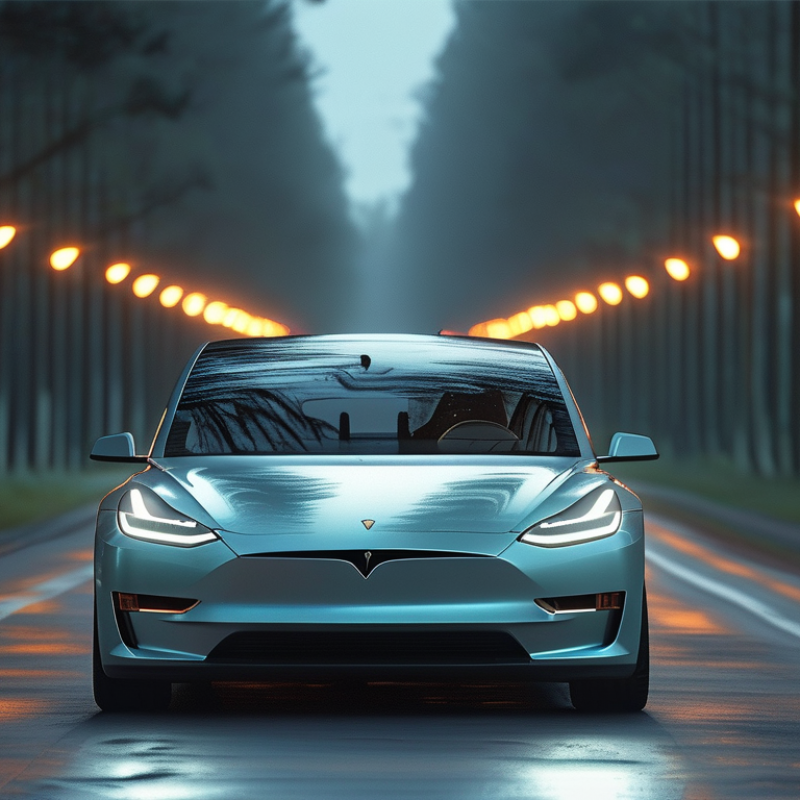
The Role of Ambient Lighting in EV Energy Consumption
Ambient lighting plays a crucial role in the
energy efficiency of electric vehicles (EVs). It affects how much energy
the vehicle consumes while driving. For instance, bright lights
can drain the battery faster. Under low-light conditions, EVs can operate more efficiently. Enhanced visibility
might reduce the need for higher energy usage.
Yet, the balance is delicate. Too little ambient light can
increase the risk of accidents. Drivers may need to rely more on headlights, using additional energy. Striking a
balance between safety and efficiency is key.
Moreover, urban areas with excessive artificial lighting
can contribute to energy waste. EVs navigating through such environments may struggle with battery performance.
This situation forces manufacturers to innovate. Future designs could optimize lighting systems for better
energy management. Ensuring safety while maximizing efficiency remains a challenge for the industry.
Impact of Headlight Design on Nighttime Driving Efficiency
Headlight design plays a crucial role in the energy efficiency of electric vehicles (EVs), particularly during nighttime driving. According to a study by the Society of Automotive Engineers, around 25% of an EV's energy consumption can be attributed to lighting during night drives. With traffic accidents increasing at night, effective headlight technology becomes essential. Traditional incandescent headlights use more energy but provide less effective illumination. In contrast, LED headlights, which consume significantly less power, can improve visibility by 200% or more.
The shape and intensity of headlights matter too. Research shows well-designed optics can enhance light distribution, reducing energy waste while illuminating the road effectively. A study from the National Highway Traffic Safety Administration indicates that optimized headlight designs can increase nighttime visibility by up to 50%. However, not all EVs utilize advanced designs, highlighting a gap in the industry.
Some headlight technologies contribute to glare, which may lead to fatigue for drivers. This is an area for improvement. As the industry evolves, retrofitting or redesigning outdated systems will be essential for maximizing energy efficiency. The challenge lies in creating solutions that balance visibility, energy consumption, and driver comfort. In the quest for sustainable transportation, addressing these aspects is critical for future innovations.
Effects of Adaptive Lighting Systems on EV Range
Adaptive lighting systems play a crucial role in enhancing the energy efficiency of electric vehicles (EVs). These systems can adjust brightness based on ambient light and driving conditions. Research indicates that well-optimized lighting can improve battery range by up to 10%. This is significant, considering that range anxiety remains a major concern for EV users.
Recent studies in automotive lighting highlight the benefits of LED technology. LEDs consume 75% less power compared to traditional bulbs. Not only do they reduce energy consumption, but they also have a longer lifespan. Some adaptive systems utilize sensors to determine road conditions. This feedback allows headlights to focus on areas that require the most light. However, implementation can be costly and complex.
Despite these benefits, there are challenges. Not all manufacturers incorporate advanced lighting systems. Many vehicles still rely on basic lighting features. This inconsistency can lead to varying impacts on energy efficiency. Additionally, some drivers may not fully understand the advantages of adaptive lighting. Education on these systems is essential for realizing their potential. Adapting to new technologies takes time.
Comparison of LED vs. Halogen Lighting in Electric Vehicles
LED and halogen lighting are two common choices for electric vehicles (EVs). The energy efficiency of these lighting options can significantly affect overall vehicle performance. A report by the U.S. Department of Energy indicates that LED lights consume about 75% less energy than halogen lights. This reduction can lead to a notable increase in the vehicle's range.
LED lights have a longer lifespan as well. They last up to 25,000 hours, compared to halogen lights, which typically last around 1,000 hours. This longevity means fewer replacements and less waste, benefiting the environment. However, the initial cost of LED systems is higher, which can be a concern for manufacturers focused on budget.
In addition, the brightness of LEDs is adjustable, allowing better visibility and improved safety. Despite these advantages, some drivers still prefer halogen lights for their warmer glow. This preference highlights a trade-off between efficiency and driver satisfaction. As EV technology continues to advance, the choice of lighting will need further consideration, reflecting evolving consumer needs.
Influence of Road Lighting Conditions on EV Battery Life and Performance
EVs are becoming more popular, but many factors affect their efficiency. Road lighting is one of them. Studies show that road lighting conditions can impact an EV's battery life and overall performance. When driving in poorly lit areas, an EV often uses more energy due to increased headlight usage. This leads to faster battery depletion.
The U.S. Department of Energy noted that proper lighting can reduce energy consumption by up to 20%. Conversely, insufficient lighting can result in decreased visibility and require drivers to engage lighting systems more frequently. This can strain battery life significantly, especially in long-distance travel.
Tips: Use eco-driving techniques like reducing speed. This minimizes the impact of lighting conditions. Regularly check headlight alignment, ensuring they illuminate the road effectively without excess energy use. Make sure to plan trips during daylight hours when possible.
In summary, understanding road lighting plays a crucial role in managing EV efficiency. Drivers should remain aware of how these conditions affect their vehicle's performance. An informed approach can extend the battery's lifespan and enhance overall driving experience.
How Does Lighting Impact EV Energy Efficiency? - Influence of Road Lighting Conditions on EV Battery Life and Performance
| Lighting Condition |
Average Energy Consumption (Wh/km) |
Impact on Battery Life (%) |
Range Reduction (km) |
| Well-Lit Conditions |
15 |
0 |
0 |
| Moderate Lighting |
18 |
5 |
8 |
| Poor Lighting |
22 |
12 |
15 |
| No Lighting |
25 |
20 |
20 |
FAQS
: Headlight design significantly impacts energy efficiency. About 25% of an EV's energy consumption during night drives is from lighting.
LED headlights consume less power and can improve visibility by 200% or more compared to traditional ones.
The shape and intensity of headlights enhance light distribution. Good designs can reduce energy waste significantly.
Optimized designs can increase nighttime visibility by up to 50%, making night driving safer and more efficient.
No, not all EVs utilize advanced headlight designs, leaving a gap in energy efficiency.
Implementation can be costly and complex, leading to inconsistent use across different manufacturers.
Adaptive lighting can improve EV battery range by up to 10%, addressing range anxiety concerns.
Some technologies cause glare, which can fatigue drivers. This indicates a need for improvement.
Many drivers are unaware of adaptive lighting benefits, hindering the full potential of energy efficiency.
Yes, many vehicles still rely on basic lighting features, which may not effectively support energy efficiency.
Conclusion
The article "How Does Lighting Impact EV Energy Efficiency?" explores various aspects of lighting that significantly influence electric vehicle (EV) energy consumption. It begins by examining the role of ambient lighting and how it affects overall energy usage during driving. The design of headlights, particularly during nighttime driving, is assessed for its impact on efficiency, highlighting that poor lighting can lead to higher energy demands.
Furthermore, the discussion includes adaptive lighting systems that enhance driving conditions while potentially extending the EV range. A comparison between LED and halogen lighting is provided, showing that LED lights typically offer better energy efficiency. Lastly, the article addresses the influence of road lighting conditions on EV battery life and performance, concluding that lighting plays a crucial role in understanding how does lighting affect EV energy efficiency.

 EV Light