Lighting is a critical factor in enhancing both safety and navigation for autonomous vehicles. As technology advances, ensuring these vehicles can effectively interpret their surroundings becomes paramount. Dr. Emily Chen, an expert in robotics and vehicle automation, highlights this importance: "Proper lighting enhances perception, allowing autonomous systems to operate safely at night or in poor conditions."
What role does lighting play in autonomous vehicles? It affects the sensors' performance and the vehicle's ability to react to obstacles. Poor lighting can lead to increased errors. Challenges in interpreting visual data can arise, particularly in low-light conditions. Autonomous vehicles rely heavily on camera systems and LiDAR sensors. Insufficient lighting can compromise these systems, leading to potential safety risks.
The integration of adaptive lighting systems is one way to address these challenges. These systems can adjust based on environmental conditions. However, the technology is still evolving, and not all vehicles are equipped. There is a need for ongoing research and development. Understanding how lighting impacts vehicle systems could mean the difference between safety and danger on our roads.
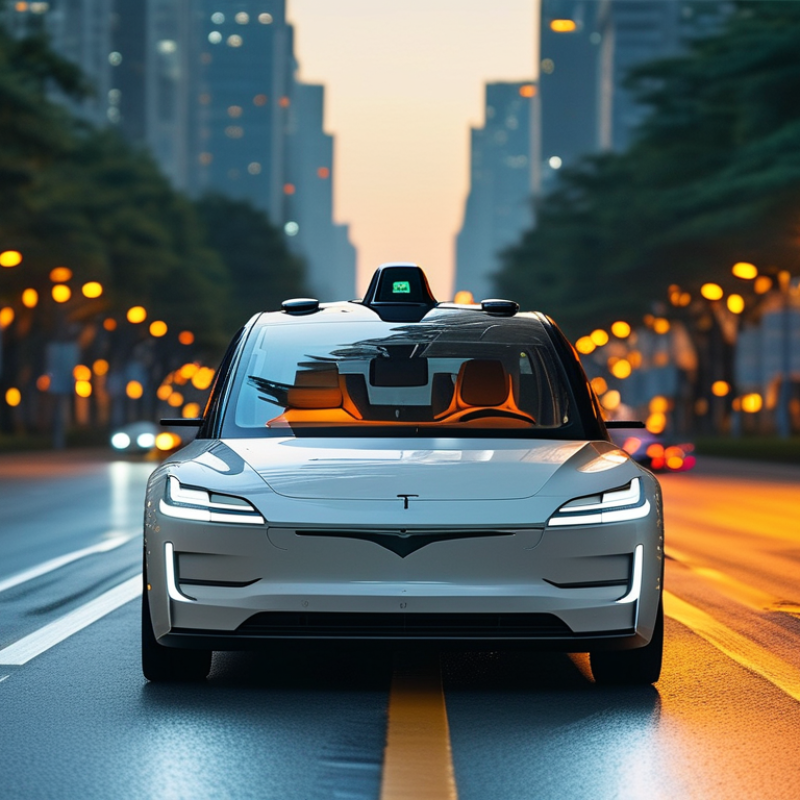
Lighting plays a crucial role in the design of autonomous vehicles. It not only enhances visibility but also improves safety. Properly designed lighting systems can help autonomous vehicles detect obstacles and navigate effectively. For example, adaptive headlights can adjust their angle based on the vehicle's speed and direction. This technology helps illuminate turns and curves, ensuring better awareness on the road.
Moreover, lighting impacts communication between autonomous vehicles and other road users. Vehicles can use lights to signal intentions, like stopping or changing lanes. This is especially important in low-light conditions where visibility is limited. Yet, the challenge remains in standardizing these lighting signals. If not, confusion may arise among human drivers and pedestrians. Striking the right balance in brightness and color is essential to avoid blinding other road users while maintaining visibility for the vehicle.
Designing effective lighting for autonomous vehicles requires ongoing research. Engineers must continuously test and adjust the systems based on real-world conditions. The variability of weather and time of day presents a hurdle that still needs addressing. Solutions will require input from multiple sectors including automotive design and traffic safety. A collaborative approach holds the potential to enhance the overall functionality of autonomous driving technology.
In the world of autonomous vehicles, effective lighting plays a crucial role in safety and navigation. Different types of lighting have been developed to enhance visibility and communication. Headlights, tail lights, and signal indicators are essential for safety. Advanced technologies like adaptive headlights adjust brightness based on road conditions. This adaptability helps drivers detect obstacles earlier.
Redundant lighting systems, like low and high beams, provide versatility in diverse driving scenarios. Utilizing LED lights enhances energy efficiency and longevity. However, not all lighting solutions are foolproof. Some systems may malfunction or fail to respond in extreme weather conditions. This could hinder navigation and compromise safety. Engineers must consistently test these systems to ensure reliability.
Tips for optimizing lighting in autonomous vehicles include regularly checking the status of all lights. Ensure they function properly in various environments. Visibility is paramount during nighttime or adverse weather. Additionally, consider the placement of lights for maximum effectiveness. Reviewing current technology trends can provide insights into enhancements that improve both safety and performance. Balancing innovation with practical application is essential for building trust in autonomous navigation systems.
Ambient lighting significantly affects the performance of sensors in autonomous vehicles. Optimal lighting conditions enhance sensor detection capabilities. This is crucial for safe navigation, especially under low-light situations. When visibility decreases, sensors struggle to interpret surrounding environments accurately. Inadequate lighting can lead to misinterpretation of objects or obstacles on the road.
Autonomous vehicles often rely on a mix of radar, lidar, and cameras. Each of these technologies has different sensitivities to light conditions. For example, lidar can perform well at night, but heavy rain can hinder its effectiveness. Cameras, on the other hand, may falter in bright sunlight or dim conditions. These technical limitations raise questions about reliability. Enhancing sensors requires innovative solutions.
Designers must consider lighting environments during the development stage. Intelligent algorithms may adjust sensor sensitivity based on ambient light. However, the unpredictability of lighting conditions in real-world scenarios poses further challenges. Despite advancements, current systems still encounter difficulties in poorly lit settings. This necessitates ongoing research to improve safety and navigation in autonomous driving. Balancing technology with real-world application remains a critical focus.
Lighting conditions significantly influence the safety and navigation of autonomous vehicles. Poor visibility from low light can increase the likelihood of accidents. A report from the National Highway Traffic Safety Administration (NHTSA) highlights that nearly 50% of fatal accidents occur at night. This statistic underscores the necessity for effective lighting systems in autonomous vehicles.
Adaptive lighting technologies can enhance visibility. These systems adjust brightness and beam patterns based on surroundings. A study by the Insurance Institute for Highway Safety (IIHS) indicates that improved headlights can reduce nighttime crashes by 20%. Despite advancements, many current vehicles still struggle with lighting in adverse weather conditions. The effectiveness of sensors may diminish during rain or fog, which poses safety risks.
Tips: Regularly check the functionality of sensors and lighting systems. Always drive cautiously in low visibility conditions. Make sure the vehicle’s sensors are calibrated for accurate readings. Continuous research in lighting technology is necessary to improve safety standards in autonomous driving environments.
Autonomous vehicles rely heavily on their ability to navigate various lighting environments. Different levels of brightness can significantly impact the sensors and cameras these vehicles use. For instance, in low-light conditions, visibility decreases, making it challenging for the vehicle to detect obstacles. Shadows can obscure important details, leading to potential navigation errors.
Tips: Ensure your vehicle's sensors are calibrated for different lighting. Regular updates to software can enhance detection capabilities. Those living in high-light areas should consider the impact of glare from sunlight, especially during sunrise and sunset.
Nighttime journeys also present unique challenges. Streetlights and illuminated signs can create harsh contrasts, affecting the vehicle's perception. Sensors may misinterpret these lights, resulting in abrupt decisions. Real-time data from other vehicles and infrastructure could help reduce errors in these situations.
Tips: Test your vehicle in varied lighting conditions. Simulate different scenarios to check sensor responses. Planning routes that avoid poorly lit areas can enhance safety. Always remain cautious, as even the best systems aren't foolproof.
: Ambient lighting significantly affects sensor detection capabilities, especially in low-light situations.
Inadequate lighting can lead to misinterpretation of objects, increasing risks on the road.
No, sensors like lidar and cameras have varying sensitivities to brightness levels.
Lidar can struggle in heavy rain, even though it may perform well at night.
Designers may use intelligent algorithms to adjust sensor sensitivity to ambient light variations.
No, even with advancements, current systems still face challenges in poorly lit conditions.
Regularly update software and ensure sensors are calibrated for different lighting situations.
Glare, especially during sunrise and sunset, can obscure sensor performance and detection.
Test sensors in varied lighting and avoid poorly lit areas to enhance safety.
No system is foolproof; being vigilant is essential for safety while driving.
Lighting plays a critical role in the design and functionality of autonomous vehicles, influencing both safety and navigation. Effective lighting systems, which include headlights, tail lights, and ambient interior lighting, are essential to ensure that vehicles can accurately perceive their environment and navigate safely. The types of lighting implemented in autonomous vehicles are carefully chosen to enhance visibility and assist various sensors in detecting obstacles and road conditions.
Additionally, ambient lighting affects sensor performance, impacting the vehicle's ability to interpret its surroundings accurately. Different lighting conditions, such as low light or bright sunlight, present unique safety considerations and navigation challenges that autonomous vehicles must overcome. Understanding what role does lighting play in autonomous vehicles is key to improving their reliability and effectiveness in diverse driving environments, ultimately contributing to safer roadways for all users.

EV Light