LED lighting has revolutionized the design and functionality of electric vehicles. The question arises: why is LED lighting important for electric vehicles? This technology offers numerous benefits that enhance efficiency.
One key advantage is energy savings. LEDs consume less power compared to traditional bulbs. This directly contributes to the overall energy efficiency of electric vehicles. Additionally, LED lights have a longer lifespan. This means fewer replacements over time, reducing maintenance costs for vehicle owners.
Moreover, LED lighting improves safety and visibility. They produce brighter light, which can enhance night driving experiences. However, there are challenges too. Not all designs integrate LED lighting effectively. Some electric vehicles may overlook the aesthetic aspect in pursuit of functionality. Reflecting on these points, it’s crucial to consider both benefits and potential shortcomings in LED adoption.
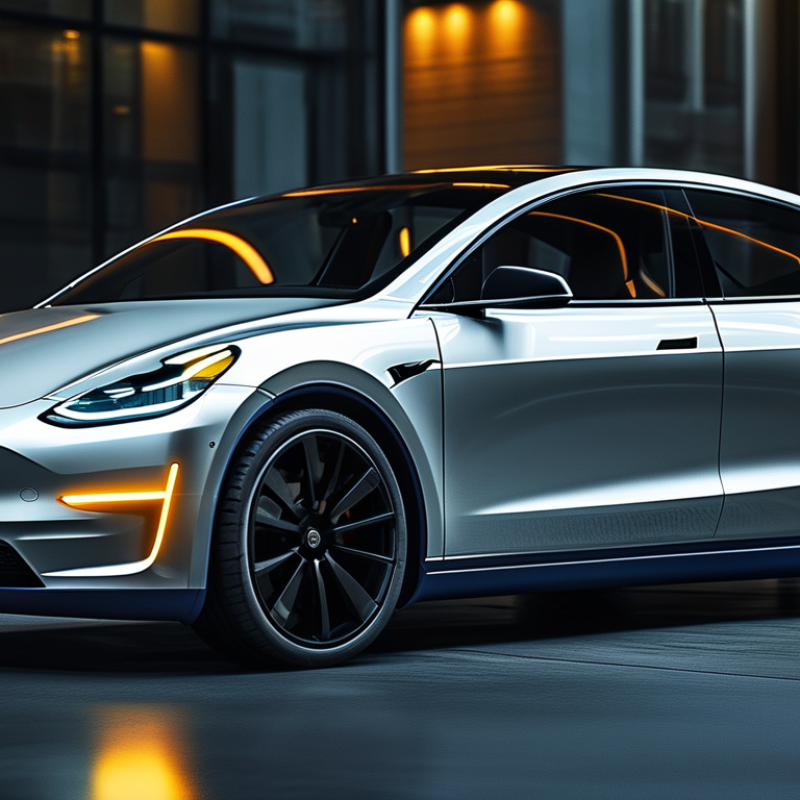
LED lighting technology plays a crucial role in enhancing electric vehicles (EVs). Understanding its basics is foundational for appreciating its impact. LED lights are energy-efficient, converting up to 80% of their energy into light. This is significantly better than traditional incandescent bulbs, which only convert about 20%. In fact, a report from the U.S. Department of Energy highlights that widespread adoption of LEDs could save consumers over $15 billion annually by 2025.
LEDs have a long lifespan, lasting up to 25,000 hours. This longevity reduces maintenance costs for electric vehicle owners. Additionally, they provide brighter and more focused illumination, improving road safety. Bright lights improve visibility for drivers and pedestrians alike, which is crucial in urban settings. However, it's essential to note that improper LED use can create glare, potentially blinding other drivers.
Tips: When considering LED options, ensure they meet safety standards. Research specifications. Check for reliable certifications. Be cautious about where and how you install them. Balancing brightness and comfort is vital for a safe driving experience. Remember, while LEDs are efficient, their benefits can diminish without proper implementation.
This bar chart illustrates the average energy consumption of different lighting technologies in electric vehicles, highlighting the efficiency of LED lighting compared to traditional options. LED lights consume significantly less energy while providing better visibility and longevity, making them a preferred choice for modern electric vehicles.
LED lighting plays a vital role in enhancing the efficiency of electric vehicles (EVs). Research indicates that LED lights consume up to 85% less energy than traditional halogen bulbs. This significant reduction in energy usage positively impacts the overall range of EVs. By using less power for lighting, more energy can be allocated to driving, making EVs more efficient.
Moreover, LED lights have a longer lifespan, often exceeding 25,000 hours. This durability reduces maintenance costs and frequency of replacements. According to a report by the Department of Energy, the widespread adoption of LED technology in automotive design could save billions in energy costs. However, there are concerns about thermal management in LEDs. Poor heat dissipation can reduce light output and lifespan, signaling the need for ongoing improvements.
Tip: When considering LED upgrades, ensure proper thermal management systems are in place. This helps maintain optimal performance and efficiency.
Additionally, LED lights offer enhanced visibility and safety. They provide brighter illumination, which improves driver awareness at night. The improved response time of LED lights can also assist in accident prevention. Nonetheless, there's still room for development in terms of cost-effectiveness for widespread adoption. Exploring innovative manufacturing processes may address this issue.
Tip: Keep an eye on upcoming technologies that could reduce production costs for LED lighting in EVs.
| Feature | Impact on Efficiency | Energy Consumption (W) | Lifespan (Hours) |
|---|---|---|---|
| Headlights | Improved visibility, reduced strain on battery | 15 | 30,000 |
| Taillights | Enhanced safety, lower power usage | 5 | 25,000 |
| Interior Lighting | Better cabin experience, minimal battery drain | 3 | 20,000 |
| Indication Lights | Critical for signaling, energy-efficient | 2 | 50,000 |
LED lighting is transforming the landscape of electric vehicles (EVs). When comparingLED lighting with traditional halogen or incandescent options, the differences are stark. LEDs are more energy-efficient, leading to longer battery life. This characteristic is crucial for EV owners who rely on every bit of charge for extended travel.
In terms of durability, LED lights are more robust. They can withstand harsher conditions, making them ideal for varied driving environments. However, the initial cost of LED lighting can be a barrier for some. Consumers might hesitate, weighing upfront expenses against long-term savings. It's essential for buyers to consider the bigger picture.
Furthermore, LED technology allows for innovative design enhancements. It enables slimmer and lighter fixtures, contributing to overall vehicle efficiency. Yet, the widespread adoption of LED lighting brings challenges. Those unfamiliar with the technology may have doubts about changes in appearance and functionality. Balancing aesthetics with practicality remains a topic for discussion among designers and consumers alike.
LED lighting plays a significant role in the design and functionality of electric vehicles (EVs). The bright, focused beams emitted by LEDs enhance visibility during nighttime driving. This improved illumination directly contributes to safety by reducing the chances of accidents. In adverse weather conditions, LED lights cut through fog and rain more effectively than traditional options. These features make them a smart choice for modern transportation.
Aesthetically, LED lighting allows for innovative designs that can transform the look of EVs. Their slim profile enables sleek, modern lines that appeal to consumers. Colors can be easily customized, making vehicles stand out on the road. However, not all designs achieve the desired effect. Some may appear too flashy or distracting. Striking a balance between style and functionality is crucial for manufacturers.
Moreover, while LEDs last longer than conventional bulbs, issues can arise with brightness over time. Dimming can compromise visibility, and heat management poses challenges. Designers must continuously assess potential failures in design choices. Thus, understanding both the benefits and limitations of LED lighting fosters a more balanced perspective on its impact in electric vehicles.
The future of LED lighting in electric vehicles (EVs) looks promising as technology continues to evolve. According to a report by ResearchAndMarkets, the global automotive LED lighting market is projected to reach $38.4 billion by 2026. This growth highlights the demand for more efficient lighting solutions in the automotive sector, particularly in EVs.
Innovative designs are emerging, focusing on enhancing functionality and aesthetics. Adaptive lighting systems adjust to driving conditions, improving safety and efficiency. A study by the International Energy Agency (IEA) indicates that integrating LED technology can reduce energy consumption in vehicles by up to 75%. However, challenges remain in terms of cost and heat management for high-performance applications.
Another area of development is the integration of smart features. LEDs can work with other car systems to provide unique signals and warnings. However, this requires complex programming and may raise concerns about data security. As the market evolves, the balance between innovation and reliability will be crucial. As manufacturers embrace these trends, they must also address ongoing issues related to the sustainability of LED materials.
: LED lights can use up to 85% less energy than traditional bulbs. This increases vehicle efficiency.
LED lights can last up to 25,000 hours. This reduces maintenance and replacement costs.
Yes, improper use can create glare, blinding other drivers. Safe installation is crucial for comfort.
Ensure they meet safety standards and have proper thermal management. This maintains performance.
Yes, lower power consumption allows more energy for driving. This enhances the overall range.
Initial costs can be high, causing hesitation. There's also concern about adapting to new aesthetics.
LEDs are more energy-efficient and durable. They also allow for innovative designs in vehicles.
Better thermal management and cost-effectiveness could enhance performance and adoption.
Yes, they provide brighter illumination, improving visibility and awareness while driving.
Some worry about their appearance and functionality. Balancing aesthetics with practicality is still debated.
LED lighting plays a crucial role in the evolution of electric vehicles (EVs), addressing both functional and aesthetic needs. Understanding the basics of LED technology reveals its superior efficiency and longevity compared to traditional lighting solutions. This advancement not only enhances the overall efficiency of electric vehicles but also contributes to a significant reduction in energy consumption, aligning perfectly with the sustainability goals of EVs.
Moreover, LED lighting improves the safety and visual appeal of electric vehicles. By offering better illumination and visibility, LED systems help prevent accidents and enhance driver confidence. As we look towards the future, the trends in LED technology suggest even greater innovations, solidifying why LED lighting is important for electric vehicles in optimizing performance and ensuring driver and passenger safety.

EV Light