The automotive industry is undergoing a significant transformation, especially in vehicle lighting technology. What innovations are shaping the future of vehicle lighting? According to a report by MarketsandMarkets, the global automotive lighting market size is projected to grow from $23.2 billion in 2023 to $35.6 billion by 2030, reflecting a compound annual growth rate (CAGR) of 6.5%. This growth is driven by advancements in LED technology and smart lighting systems that enhance safety and aesthetics.
Recently, developments in adaptive lighting systems have gained attention. These systems adjust the light intensity and direction based on driving conditions. Research from the National Highway Traffic Safety Administration indicates that proper vehicle lighting can reduce nighttime accidents by up to 50%. Despite these advancements, challenges remain. For instance, integration with existing vehicle systems can be complex and costly.
Moreover, environmental concerns are pushing manufacturers to adopt sustainable materials in lighting. However, these materials may impact the performance and durability of lighting systems. As the industry progresses, it is essential to balance innovation with reliability. The question remains: how will these innovations impact driving experiences and safety in the long run?
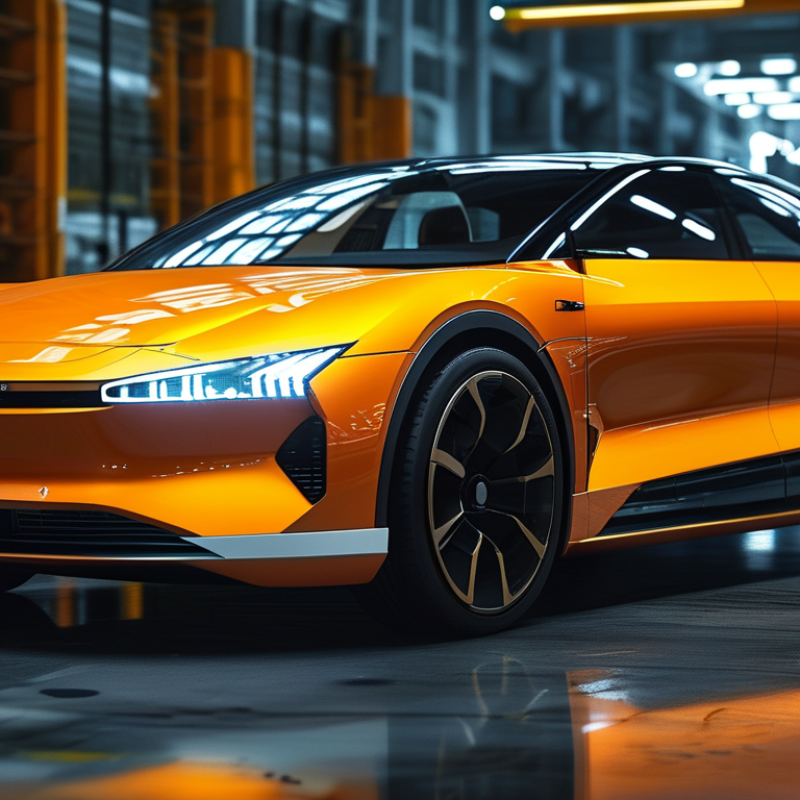
The emergence of adaptive lighting systems is revolutionizing vehicle safety and efficiency. These systems adjust light intensity and direction based on speed, weather, and traffic conditions. According to a recent report by McKinsey, adaptive lighting can reduce accidents by up to 30%. This significant impact on road safety highlights the importance of such innovations.
Technological advancements allow for enhanced visibility in various environments. For instance, dynamic lighting adapts to curves in the road, illuminating areas that standard headlights miss. This feature improves driver awareness and response time. However, challenges remain. Implementing these complex systems can increase vehicle costs and maintenance. Additionally, training drivers to effectively use adaptive systems is crucial for maximizing benefits.
Data from the International Road Assessment Programme indicates that poor visibility contributes to a high percentage of nighttime fatalities. As adaptive lighting technology evolves, ongoing research is vital. It helps refine features and ensures integration with existing automotive technologies. The potential of adaptive lighting systems to shape future driving experiences is immense, yet the path to widespread adoption is fraught with technical and educational hurdles.
The automotive lighting industry is witnessing significant transformations, primarily driven by advancements in LED and OLED technologies. According to a report from the market research firm Technavio, the global automotive LED lighting market is expected to grow by USD 5.46 billion from 2020 to 2024. This growth is fueled by the desire for more energy-efficient and longer-lasting light sources. LEDs can last up to 25,000 hours, far surpassing traditional incandescent bulbs.
OLED technology, known for its flexibility and thin profile, is also making strides in vehicle lighting. It provides uniform illumination and can enhance the aesthetic appeal of vehicle designs. A research report from MarketsandMarkets indicates that the OLED automotive lighting market is projected to reach USD 1.93 billion by 2025. However, challenges persist. Issues related to production costs and durability in varying weather conditions need to be addressed.
The integration of these technologies leads to better visibility and safety on the roads. Enhanced adaptive lighting systems can adjust beam patterns based on driving conditions. This technology aims to improve road illumination while reducing glare for oncoming traffic. Yet, the industry must continuously assess the balance between innovation and safety, ensuring that while we embrace new technologies, we do not compromise the fundamental purpose of vehicle lighting.
The integration of smart connectivity in automotive lighting solutions is transforming the vehicle lighting landscape. Advanced technologies enable real-time communication between vehicles and their environments. This connectivity enhances safety and efficiency on the roads. A report from Allied Market Research predicts that the smart lighting market will reach $10.6 billion by 2026, driven by consumer demand for innovative features.
Adaptive lighting systems are gaining traction. These systems use data from sensors to adjust brightness and focus based on driving conditions. This proactive approach improves visibility during adverse weather or nighttime driving. Yet, challenges remain. The complexity of these systems can lead to increased production costs and potential reliability issues. Moreover, data privacy concerns must be addressed as vehicles become more interconnected.
Additionally, the development of intelligent lighting that interacts with pedestrians and cyclists is noteworthy. According to a 2021 study by McKinsey, smart vehicles can reduce accidents by up to 30% through improved communication. However, the effectiveness of this technology relies on widespread infrastructure upgrades. Policymakers and industry leaders must collaborate to ensure seamless integration. Balancing innovation with practicality is essential for the future.
Sustainable practices in vehicle lighting design and manufacturing are becoming essential. Manufacturers are now focusing on eco-friendly materials that reduce environmental impact. This shift includes using recycled plastics and biodegradable components. Such changes contribute to reducing landfill waste and promote a circular economy.
Achieving energy efficiency is another vital aspect. LED technology has revolutionized vehicle lighting by consuming less energy while providing superior brightness. This not only cuts down on energy consumption but also decreases heat emission. Innovative designs are evolving to further enhance efficiency, allowing for longer-lasting light sources.
It’s crucial to consider the entire lifecycle of vehicle lighting. From production to disposal, each phase impacts the environment. A reflective approach can lead to improvements. Manufacturers should assess their supply chains. Are they sourcing responsibly? Investing in sustainable technologies and methods is not just beneficial but necessary for future challenges.
| Innovation | Description | Sustainability Impact | Adoption Rate (%) |
|---|---|---|---|
| LED Technology | Light Emitting Diodes (LEDs) offer higher efficiency and longer lifespan compared to traditional bulbs. | Significantly reduces energy consumption and carbon footprint. | 85% |
| Adaptive Lighting | Adjusts light intensity and pattern based on surroundings for better visibility and safety. | Enhances road safety while minimizing unnecessary light pollution. | 60% |
| Smart Lighting Systems | Integrates sensors and AI for optimal lighting based on traffic and weather. | Maximizes energy use efficiency and adapts to real-time conditions. | 40% |
| Solar-Powered Lights | Uses solar panels for energy, reducing reliance on the vehicle's battery. | Promotes renewable energy solutions and reduces dependency on fossil fuels. | 30% |
| Biodegradable Materials | Utilizes sustainable materials for manufacturing light fixtures. | Reduces environmental impact and enhances product end-of-life management. | 25% |
Innovations in vehicle lighting technology are rapidly evolving. The integration of AI and automation is a game changer. These technologies enhance safety and improve energy efficiency. Advanced algorithms can determine optimal lighting conditions. This ensures drivers have better visibility in diverse environments.
Consider the potential for automated adaptive headlights. They adjust brightness based on weather and road conditions. This reduces glare for oncoming traffic, enhancing overall safety. However, these systems can be complicated. They require continuous updates to keep up with changing regulations and technology standards.
When exploring new lighting features, remember that not all innovations are flawless. Some AI systems may misinterpret conditions, leading to inappropriate adjustments. It's crucial to evaluate the reliability of these technologies. Regular testing is essential to avoid safety hazards. Embracing AI in vehicle lighting opens doors to important considerations and challenges.
: LEDs and OLEDs are leading the change. They offer energy efficiency and long lifespan.
LEDs can last up to 25,000 hours. This is significantly longer than traditional incandescent bulbs.
OLEDs confront issues like high production costs and durability in bad weather conditions.
These systems adjust light patterns based on conditions. This reduces glare and improves visibility.
Smart connectivity allows real-time communication, enhancing safety and efficiency on the roads.
Smart lighting interacts with pedestrians and cyclists. This can lower accident rates significantly.
Sustainable practices, like using eco-friendly materials, reduce environmental impact and promote a circular economy.
Manufacturers must evaluate their entire lifecycle from production to disposal. Responsible sourcing is key.
Yes, using recycled materials reduces landfill waste and encourages eco-friendly design.
It's vital to balance new technologies with safety. Innovation should not compromise vehicle lighting's primary purpose.
The automotive lighting industry is witnessing significant transformation as innovations are shaping the future of vehicle lighting. Key developments include the emergence of adaptive lighting systems, which adjust illumination based on driving conditions to enhance safety and visibility. Advancements in LED and OLED technologies are also revolutionizing vehicle lights, offering improved energy efficiency and design flexibility. Moreover, the integration of smart connectivity allows for interactive lighting solutions that can communicate with other vehicle systems and the environment.
Sustainability is another critical focus, with manufacturers implementing eco-friendly practices in lighting design and production. Looking ahead, future trends point to the increasing role of AI and automation in lighting technologies, potentially bringing enhancements in functionality and personalization. Overall, these innovations are defining the next generation of vehicle lighting, proving essential for safety, efficiency, and user experience.

EV Light