5 Best Factors to Consider When Sourcing Vehicle Lighting?

Time:2026-09-29 Author:Sienna
0%

Vehicle lighting affects visibility, vehicle identity, installation time, and long-term service needs. A lamp may look suitable in a catalog yet fail to fit a specific housing or connector. Small mismatches matter. A few millimeters, a weak seal, or an unclear wiring diagram can create delays on the production line.

So, what should manufacturers consider when sourcing vehicle lighting? This guide introduces five practical factors: application fit, light output, material durability, required market approvals, and supplier reliability. Each deserves attention before an order is placed. A bright beam, for example, is useful only when its pattern suits the vehicle and its intended use. Likewise, a sealed housing should be assessed against real exposure to water, dust, vibration, and temperature changes—not just a product description.

Cost matters, but the lowest quote may not represent the best value. Compare warranty terms, testing evidence, production consistency, and the availability of replacement units. Ask suppliers for technical drawings and specifications, then check them against your vehicle requirements. Worth checking twice. Even experienced teams can miss a detail when timelines are tight. This overview is not a substitute for project-specific engineering review; supplier claims and documentation should be verified. The right sourcing decision combines measurable performance with dependable communication, helping manufacturers reduce avoidable fitment issues and build a more consistent lighting package.
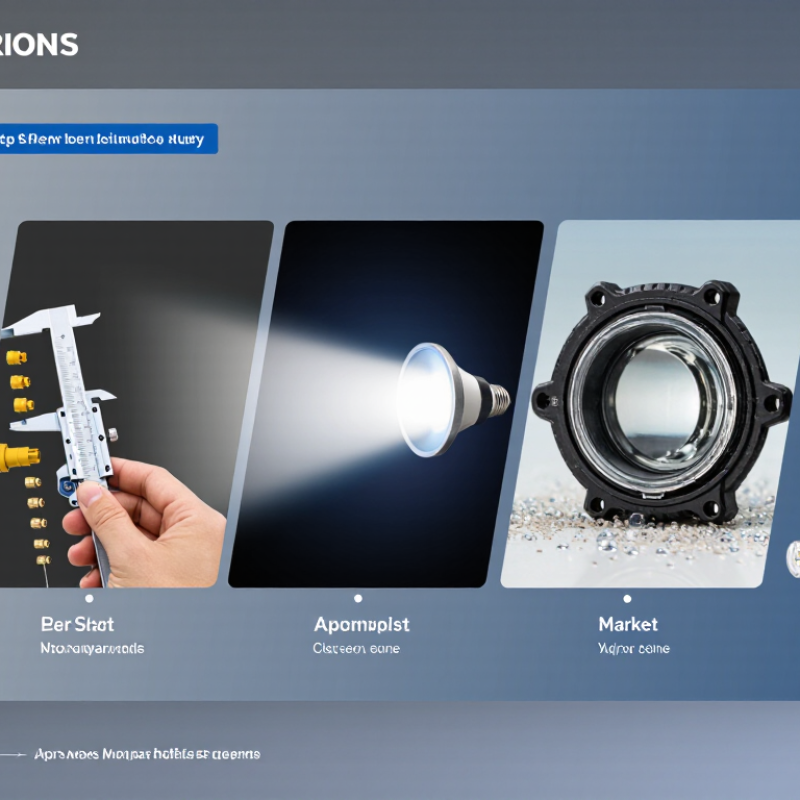
5 Best Factors to Consider When Sourcing Vehicle Lighting?

Define Fitment: Confirm 12 V or 24 V Systems and Mounting Dimensions

When sourcing vehicle lighting, confirm the vehicle’s electrical system before comparing beam patterns or lens styles. Many passenger vehicles use 12 V systems, while some commercial vehicles use 24 V. Check the vehicle manual or measure the supply with a suitable meter; do not rely on appearance alone. A lamp rated for the wrong voltage may fail early or operate poorly. Small details matter.

Mounting dimensions deserve the same attention. Measure the distance between bolt holes, the available opening, and the space behind the mounting surface. A lamp can match the opening but still hit a bracket, wiring loom, or body panel. Check connector type and cable direction, too. A connector facing a tight corner can make installation awkward.

Ask suppliers for a dimensioned drawing and verify the measurements against the vehicle, not just an old lamp. Note whether dimensions include the flange or only the housing. I have seen fitment checks miss that distinction; it is an easy mistake to make. If the vehicle has been modified, measure it directly. Even careful measurements may not capture every bend or obstruction, so allow a little clearance where the design permits.

Check Compliance: Match FMVSS 108 or UNECE Regulations R148/R149 to Market

Before requesting quotes, define the destination market and the lighting function. Headlamps, rear lamps, and turn signals may follow different approval paths. For US-bound vehicles, check the applicable FMVSS 108 requirements. For markets using UNECE regulations, determine whether R148 or R149 applies to the specific lamp and vehicle context. Do not rely on a supplier’s claim of “global compliance.” Request regulation-specific test reports, approval documents, markings, and the exact part number or configuration they cover. Small details matter.

Compare the documented version with your intended installation. Lens color, light source, mounting position, and electronics can affect whether approval evidence applies. A report for a similar-looking lamp may not cover a changed optic or circuit. Confirm whether the evidence applies to the finished assembly, and ask suppliers to identify any exclusions in writing. Requirements and procedures can change, so have a qualified compliance professional check current rules for each target market and vehicle category. That review can take time, but a mismatch discovered after tooling or shipment costs more. Paperwork can feel repetitive; that is when teams may overlook a revision date or market-specific marking.

Compare Performance: Review Candela, Lux, and Beam-Pattern Test Results

When sourcing vehicle lighting, performance data deserves more attention than appearance. Candela measures directional intensity, while lux shows illumination at a measured surface. They answer different questions. A lamp can produce high candela but leave weak coverage near the road edge. Beam-pattern results reveal that weakness.

Request photometric test files, not only marketing claims. Check test distance, aiming conditions, ambient temperature, and measurement points. SAE J575 and SAE J1383 provide useful laboratory frameworks for vehicle lighting tests. UNECE Regulation No. 112 also defines photometric requirements for headlamps. These references improve comparison, although real roads remain less predictable.

A practical review should map lux across the centerline, shoulder, and lower foreground. Look for a stable cutoff, even spread, and limited glare above it. IIHS headlight evaluations show why beam quality matters: two lamps with similar output can receive different ratings because visibility and glare control vary. NHTSA’s Traffic Safety Facts 2022 reported that 76% of pedestrian fatalities occurred in dark conditions, making usable nighttime coverage important.

Tips: Ask for raw candela and lux tables, beam-pattern images, and repeat-test variation. Test after vibration and thermal cycling. I once trusted a strong center-beam result and missed the dim shoulder zone. That was a costly assumption. Also, do not treat one peak number as total performance. A lower peak with a cleaner, wider pattern may support safer real-world driving.

Assess Durability: IP67 Requires Dust Protection and Tested 1 m Immersion for 30 Minutes

When sourcing vehicle lighting, durability should be tested before price is compared. IP67 means the enclosure is dust-tight and withstands immersion in one metre of water for 30 minutes, according to IEC 60529. It does not guarantee resistance to vibration, chemicals, heat, or repeated pressure washing. These conditions matter under a vehicle hood or bumper.

A practical sourcing check should include sealed connectors, gasket compression, drain paths, and cable-entry protection. Ask for test records, not only a printed rating. The laboratory should identify sample size, water temperature, immersion time, and post-test inspection results. A 2024 MarketsandMarkets forecast estimates continued growth in automotive lighting demand, driven by safety systems and vehicle electrification. More complex lighting creates more failure points. Small sealing defects can become expensive field failures. This is often underestimated.

Tips

Request an IP67 report linked to the exact production model. Check whether testing occurred before or after vibration and thermal cycling. IEC 60529 does not replace vehicle-level validation. Also inspect condensation after testing; a lamp may pass immersion yet still fog internally. Specifications can look complete, but one missing test detail may change the purchasing decision. Forecasts also vary between research firms, so avoid treating market numbers as guarantees.

Qualify Suppliers: Verify IATF 16949 Quality Systems and Product Traceability

When sourcing vehicle lighting, supplier qualification deserves more than a certificate check. IATF 16949 should be verified through a current certificate, audit scope, and site address. Ask how quality controls operate on the production floor. A framed certificate proves little by itself. Review process maps, control plans, PFMEA documents, and inspection records. Check whether they match the actual lamp assembly line. Experience shows that small gaps often appear between approved procedures and daily work.

Traceability must connect a finished lamp to its production history. Request a sample lot trail covering components, operators, machines, and test results. Scan a production label if possible. Can the supplier identify the resin batch, LED bin, sealing material, and final inspection time? Traceability should support a failure investigation, not only an audit. Test it. Ask for a mock recall or containment exercise. Digital systems help, but data accuracy still depends on disciplined entry.

Evaluate nonconformance handling, engineering change control, calibration, and corrective action. Request anonymized examples showing root causes and effectiveness checks. Repeated wording without measurable evidence is a warning sign. Compare sample approval data with early production results. They may differ. Discuss approval responsibilities for optics, housings, drivers, and sealing materials. Require written change notification and retained records. No quality system is perfect. Leave room for improvement, and document each risk before placing an order.

FAQS

What is the difference between candela and lux in vehicle lighting tests?

Candela measures directional intensity. Lux measures illumination on a specific surface. They describe different performance points.

Why should buyers examine the full beam pattern?

A lamp may show strong center intensity but weak shoulder coverage. Check the road edge and lower foreground. Do not trust one peak number.

Which photometric documents should suppliers provide?

Request raw candela and lux tables, beam-pattern images, and repeat-test variation. Confirm test distance, aiming conditions, temperature, and measurement points.

What makes a beam pattern practically useful?

Look for an even spread, stable cutoff, and limited glare above it. A slightly lower peak may provide wider usable coverage.

Why does glare control matter during nighttime driving?

Similar output levels can produce different visibility results. Excessive glare may reduce comfort and hide important road details.

What does an IP67 rating confirm?

It confirms dust-tight protection and immersion in one metre of water for 30 minutes. It does not prove vibration or chemical resistance.

Which durability details should be checked beyond IP67?

Inspect sealed connectors, gasket compression, drain paths, and cable entries. Ask whether testing followed vibration and thermal cycling.

Can an IP67-rated lamp still develop problems?

Yes. Internal condensation may appear after immersion testing. Fogging reveals a possible sealing or temperature issue. Test again.

Conclusion

When sourcing vehicle lighting, manufacturers should take a structured approach that balances compatibility, compliance, performance, durability, and supplier reliability. The first question is what should manufacturers consider when sourcing vehicle lighting: confirm whether the vehicle uses a 12 V or 24 V electrical system, and verify that the lamp’s mounting dimensions and installation method match the application. It is also essential to check whether the product meets the relevant market requirements, such as FMVSS 108 or UNECE Regulations R148 and R149.

Performance should be evaluated using measurable data, including candela, lux, and beam-pattern test results, rather than appearance alone. Durability is another key factor; an IP67 rating should indicate protection from dust and successful testing under one-meter water immersion for 30 minutes. Finally, manufacturers should qualify suppliers by reviewing their IATF 16949 quality systems, production controls, inspection records, and product traceability. These steps help reduce sourcing risks and support consistent lighting performance throughout the product’s service life.

Sienna

Sienna

Sienna is a skilled marketing professional with a deep expertise in our company’s core products and services. With a passion for innovation and detail, she plays a pivotal role in crafting insightful blog posts that not only highlight the unique features of our offerings but also provide valuable......