Top Trends Driving Growth in Automotive Lighting?

Time:2026-10-27 Author:Ethan
0%

Automotive lighting is no longer limited to road illumination. It has become a visible part of vehicle safety, design, communication, and software development. The central question is: what trends are driving growth in the automotive lighting industry? This article explores the technologies and market forces shaping that growth. LED systems remain central because they use less energy, last longer, and support compact vehicle designs. Adaptive driving beams are also expanding, using cameras and sensors to adjust light distribution around traffic. A narrow beam can protect an approaching driver’s vision. It can also improve visibility on dark rural roads.

The market is moving beyond simple brightness. Matrix LEDs, OLED rear lamps, laser lighting, and digital signaling are creating more flexible lighting experiences. Electric vehicles add pressure for efficient components, especially when every watt affects driving range. Software-defined vehicles may make lighting features updateable after production. That shift creates new opportunities for personalization, but it also raises questions about cybersecurity, repair costs, and long-term reliability. Those concerns deserve more attention.

Manufacturers must balance styling ambition with proven performance. Testing in rain, fog, heat, and heavy traffic remains essential. Regulatory requirements also vary across regions, making global development more complicated. Supplier expertise, optical engineering, thermal management, and consistent quality control will influence which innovations reach mass production. Some predictions may prove too optimistic. Still, practical evidence suggests that safer, smarter, and more efficient lighting will remain a strong automotive growth engine.
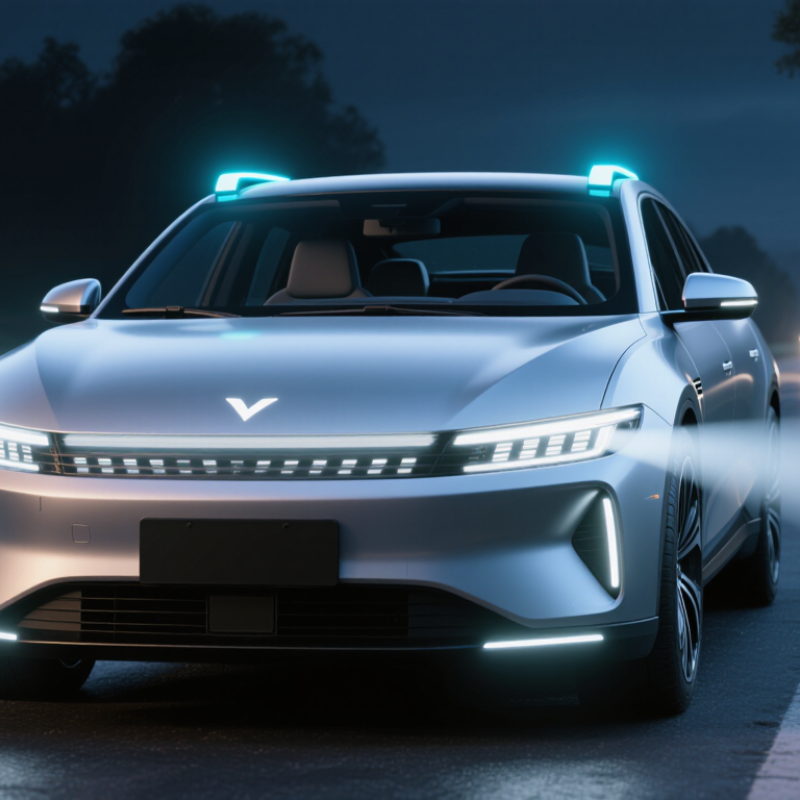
Top Trends Driving Growth in Automotive Lighting?

Definition and Scope of Automotive Lighting

Top Trends Driving Growth in Automotive Lighting?

Automotive lighting covers every light designed to support vehicle visibility, communication, and comfort. It includes headlamps, daytime running lights, brake lamps, turn signals, fog lamps, and interior illumination.

Modern systems may also use sensors, adaptive beams, and software-controlled light patterns. These functions connect safety with design and energy efficiency.

In vehicle development, engineers evaluate brightness, beam distribution, glare control, color, heat, vibration, and weather resistance. Photometric testing and regulatory checks remain essential before production.

The scope is broader than the lamp itself. It includes optical modules, light sources, electronic controls, wiring, thermal management, and diagnostic functions.

Electrification is expanding this field because efficient lighting can reduce energy demand. Adaptive illumination is also gaining attention in complex traffic environments.

However, technology does not automatically improve safety. Poor calibration can distract drivers or reduce visibility in rain. The definition is still evolving, and some industry discussions overlook repairability and long-term reliability. That gap deserves closer review.

Tips:

Define the lighting function before choosing technology. Check beam performance in rain, darkness, and sharp curves. Review glare limits and local requirements. Keep service access practical. A bright lamp is not always a better lamp. Capture test results, failure conditions, and user feedback during development.

Key Technologies Transforming Automotive Lighting

Automotive lighting is moving from simple illumination toward intelligent vehicle communication. The International Energy Agency reported more than 17 million electric cars sold globally in 2024. This shift increases demand for efficient, lightweight lighting systems. LEDs consume less energy than traditional bulbs and support compact design. The U.S. Department of Energy reports that LEDs can use at least 75% less energy and last up to 25 times longer than incandescent lighting.

Adaptive systems are changing the driving experience. Matrix LED and high-resolution microLED units can adjust individual light segments around traffic, curves, and pedestrians. Camera and sensor data guide these changes in milliseconds. OLED technology also enables thin, uniform rear lamps with flexible shapes. However, higher resolution adds software complexity, heat-management needs, and repair concerns. Industry forecasts from MarketsandMarkets identify LED adoption and adaptive lighting as major automotive lighting growth drivers through this decade. Forecasts are useful, but real-world performance still depends on road conditions and calibration.

Tips: Engineers should test lighting in rain, fog, tunnels, and crowded urban streets. Measure glare, response time, thermal stability, and energy use. Keep manual controls available. Automation can fail, and drivers still need clear feedback. Future lighting may communicate vehicle intent externally, but safer standards and consistent visual language remain necessary. Some assumptions remain fragile. A brighter lamp is not always a better lamp.

Market Trends Accelerating Industry Growth

Top Trends Driving Growth in Automotive Lighting?

Market Trends Accelerating Industry Growth

Automotive lighting is shifting from basic visibility equipment to intelligent safety technology. Market growth is driven by stricter safety expectations, vehicle electrification, and software-based functions. In workshops, technicians increasingly inspect beam accuracy, sensor alignment, and moisture resistance. This practical pressure is raising demand for better-tested lighting systems. Adaptive beams now adjust to road conditions, traffic, and weather. Small changes matter.

Electrification is also reshaping lighting design. LED and other efficient sources reduce energy use while supporting slimmer lamp structures. Lighting modules must consume less power without weakening brightness or service life. Software updates can refine beam patterns and support advanced driver assistance features. However, connected functions increase system complexity and repair costs. That risk deserves attention.

Manufacturers are investing in thermal management, optical simulation, and automated production. Suppliers with validated testing processes can improve consistency across large vehicle programs. Testing includes thermal cycling, vibration exposure, water resistance, and independent photometric measurement. These methods improve reliability under demanding road conditions. Still, market forecasts can overstate adoption speed. Vehicle owners may resist expensive replacements, especially when a small electronic fault disables a complete lamp assembly. Cost remains a barrier. Growth will depend on repairable designs, transparent performance data, and lighting systems that meet safety requirements throughout their working life.

Safety, Connectivity, and Adaptive Lighting Innovations

Top Trends Driving Growth in Automotive Lighting?

Safety is pushing lighting beyond simple illumination. The World Health Organization’s Global Status Report on Road Safety 2023 recorded about 1.19 million annual road deaths worldwide. Better lighting cannot prevent every crash. It can, however, improve contrast, visibility, and driver reaction time. Adaptive high-beam systems now adjust light distribution around vehicles, cyclists, and roadside objects. UNECE Regulation No. 123 supports advanced adaptive front-lighting requirements, but real-world performance still depends on sensors, weather, and calibration. Fog remains difficult.

Connectivity is making lighting more responsive. Berg Insight’s Connected Car Market report estimated over 170 million active connected car systems across Europe and North America in 2023. This expanding data layer can support vehicle-to-vehicle warnings, remote diagnostics, and coordinated exterior signals. A rear lamp might show braking intensity more clearly. A side lamp could indicate a planned turn before the vehicle moves.

Designers are also linking lighting with automated driving functions. Sensors can detect lane edges, pedestrians, and approaching traffic, while software controls individual light segments. The International Energy Agency reported global electric car sales exceeded 17 million in 2024, increasing demand for efficient lighting and lower auxiliary power use. Yet more software creates more failure points. Engineers need clear fallback modes, durable optical materials, and human-readable signals. A brighter lamp is not automatically a safer lamp.

Future Challenges and Opportunities in Automotive Lighting

Automotive lighting is entering a more demanding phase. Electric vehicles are changing front-end design, thermal management, and energy budgets. The International Energy Agency reported nearly 14 million electric car sales in 2023, representing about 18% of global car sales. This shift creates opportunities for efficient LED systems, adaptive beams, and communication lighting.

Future challenges are less visible but more serious. The World Health Organization recorded approximately 1.19 million annual road deaths in its Global Status Report on Road Safety 2023. Better lighting can improve visibility, yet excessive brightness may create glare for pedestrians and drivers. Engineers must test real roads, not only computer simulations. That remains an uncomfortable weakness.

Software-controlled lighting also introduces cybersecurity, repairability, and regulatory concerns. UNECE lighting regulations require precise performance and approval conditions, which can slow innovation. Meanwhile, the International Organization of Motor Vehicle Manufacturers reported global vehicle production above 93 million units in 2023. Manufacturing at this scale demands lower material waste and longer component life. Recyclable housings and replaceable modules could help. They are not perfect. Cost pressure may still encourage sealed assemblies that are difficult to repair. Suppliers and engineers should measure energy use, glare, maintenance time, and end-of-life recovery together. Fancy lighting attracts attention, but dependable lighting earns trust.

FAQS

What does automotive lighting include?

It includes headlamps, daytime running lights, brake lamps, turn signals, fog lamps, and interior lights. Modern systems may use sensors, adaptive beams, and software controls. The lamp is only one part.

Why are LED systems widely used in vehicles?

LEDs use less energy than traditional bulbs and usually last much longer. Their small size supports compact designs and flexible light shapes. They can also reduce auxiliary energy demand in electric vehicles. Lower energy use does not guarantee better visibility.

What is adaptive automotive lighting?

Adaptive lighting changes beam direction or intensity according to traffic, curves, and pedestrians. Cameras and sensors can guide separate light segments within milliseconds. This may reduce glare for other road users. Rain and fog still create difficult conditions.

How can lighting improve driving safety?

Effective lighting can improve contrast, visibility, and driver reaction time at night. Adaptive beams may keep roadside objects visible without directly shining at nearby drivers. Good calibration matters greatly. A brighter lamp is not always safer.

What role does connectivity play in vehicle lighting?

Connected systems can support remote diagnostics and coordinated exterior signals. A rear lamp might display braking intensity more clearly. A side lamp could show an intended turn before movement begins. The visual meaning must remain easy to understand.

What should engineers test before approving a lighting system?

They should test beam performance in darkness, rain, fog, tunnels, and sharp curves. Testing should measure glare, response time, heat, vibration, and energy use. Failure conditions deserve written records. Some reviews still overlook real-world weather.

What problems can advanced lighting systems create?

Higher resolution increases software complexity, heat-management needs, and repair challenges. A sensor failure may produce incorrect beam changes or unclear signals. Reliable fallback modes are essential. Automation can fail.

How should vehicle lighting be designed for long-term use?

Designers should provide practical service access and durable optical materials. They should consider repairability, diagnostics, and replacement costs from the beginning. Manual controls should remain available when automation becomes uncertain. This is often underestimated.

How can manufacturers choose suitable lighting technology?

They should define the lighting function before selecting hardware or software. The system must meet glare limits and applicable local requirements. Engineers should compare performance, energy use, reliability, and service access. More features are not always better.

Conclusion

Automotive lighting has evolved beyond basic illumination into an essential system for visibility, safety, communication, and vehicle design. It includes exterior lamps, interior lighting, signaling functions, and intelligent systems that respond to driving conditions. Key technologies such as LED efficiency, advanced sensors, digital control, adaptive beam systems, and connected vehicle platforms are transforming how lighting operates. These developments are helping manufacturers improve energy use, design flexibility, driver awareness, and passenger comfort.

Understanding what trends are driving growth in the automotive lighting industry requires examining the increasing demand for safer mobility, smarter vehicles, and more personalized experiences. Adaptive lighting can adjust to traffic, weather, and road conditions, while connectivity enables lighting to exchange information with other vehicle systems. Future growth will depend on overcoming challenges such as cost, system complexity, energy management, durability, and regulatory requirements. At the same time, opportunities remain strong in intelligent safety features, sustainable materials, software-based functions, and lighting solutions designed for emerging vehicle architectures.

Ethan

Ethan

Ethan is a seasoned marketing professional with a deep expertise in our company's innovative product line. With a passion for sharing knowledge and insights, he takes the lead in regularly updating our corporate blog, where he explores industry trends, product features, and effective marketing......