In recent years, the automotive industry has seen a significant shift toward electric vehicles (EVs). A report from Deloitte forecasts that by 2030, electric vehicles will account for over 30% of global vehicle sales. With this rise, attention to lighting technologies in EVs has grown dramatically. This raises an important question: what are the latest electric vehicle lighting trends?
Innovative lighting solutions are changing how we perceive EVs. Adaptive lighting systems are becoming common. These systems enhance safety and visibility, adjusting to various driving conditions. Furthermore, ambient lighting is gaining traction for aesthetic appeal, crucial for attracting tech-savvy consumers. According to MarketsandMarkets, the automotive lighting market is projected to grow by 6.4% annually, reflecting this trend's significance.
However, challenges remain in achieving sustainability. Manufacturers must balance aesthetic, functional, and energy-efficient designs. Moreover, the rapid evolution of technology may outpace regulatory standards, leading to potential hurdles. Understanding what are the latest electric vehicle lighting trends is not just about innovation; it involves navigating a complex landscape of consumer expectations and regulatory demands.
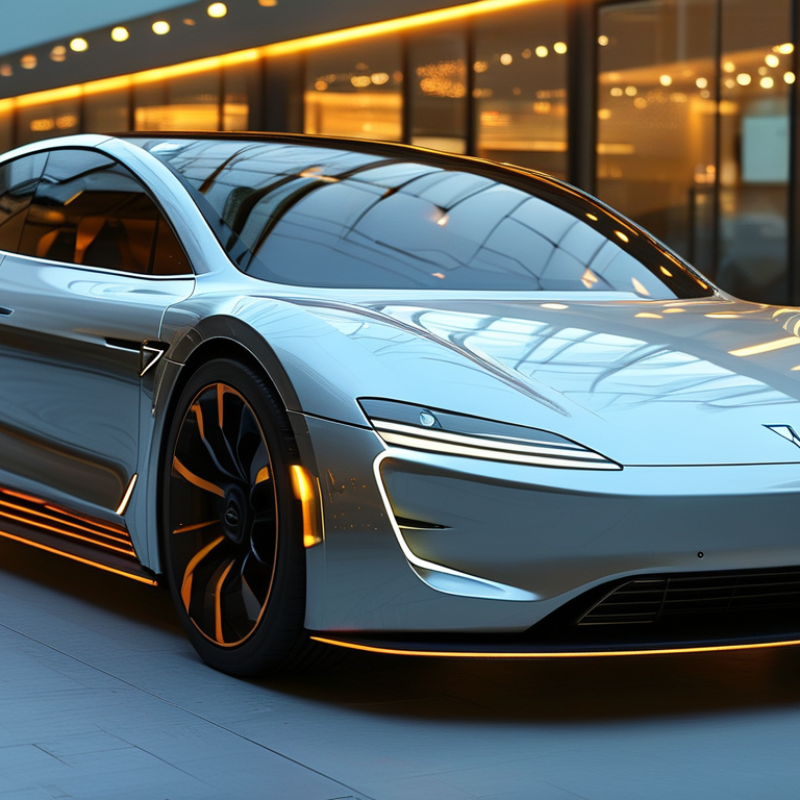
The emergence of LED technology in electric vehicle lighting marks a significant shift in automotive design and safety. These lights are more efficient than traditional halogen bulbs. They consume less energy and produce brighter illumination. This efficiency enhances visibility on the road, improving safety for drivers and pedestrians alike.
Despite their advantages, there are areas for improvement. LED lights can generate heat, which may affect their lifespan and performance. Also, the initial cost of upgrading to LED lighting can be a burden for some manufacturers. However, the long-term savings in energy use and replacement parts often outweigh these initial expenses.
Innovative designs continue to evolve. Integrating adaptive lighting systems could enhance driver experience further. These systems adjust the brightness and direction based on speed and traffic conditions. As electric vehicles grow in popularity, the advancements in LED technology will play a pivotal role in shaping the future of automotive lighting.
Adaptive lighting systems are transforming electric vehicle (EV) lighting. These systems adjust brightness and direction based on road conditions. They enhance visibility in low-light situations and help reduce glare for oncoming drivers. This not only improves safety but also increases the overall driving experience.
For drivers, understanding how adaptive lighting works can be crucial. When turning a corner, the lights may pivot to illuminate the road ahead. This function can help identify pedestrians or obstacles more effectively. It’s important to ensure that your vehicle's lighting system is well-maintained. Check bulbs regularly and clean lenses for optimal performance.
Moreover, the design of these systems raises questions. Are all adaptive lights equally effective in various environments? Different driving conditions may affect performance. Evaluating these systems and reflecting on their limitations is essential. While they offer benefits, full reliance on technology might lead to complacency. Always remain alert while driving, regardless of the lighting system in place.
The evolution of electric vehicle (EV) lighting is remarkable. Aesthetic innovation in headlight design has captured the attention of both manufacturers and consumers. Sleeker shapes are replacing traditional forms. Modern headlights often feature sharp angles and dynamic lines.
These designs not only improve aerodynamics but also enhance visual appeal.
Sustainable materials are gaining traction in headlight manufacturing. Eco-friendly elements are being integrated into the aesthetics. This shift reflects a broader commitment to sustainability within the automotive industry.
However, some designs may prioritize looks over function. For instance, intricate shapes and striking colors may compromise light efficiency. Consumers are increasingly aware of this balance.
Adaptive lighting technology is another trend. It adjusts illumination based on driving conditions, improving safety while adding a futuristic look. Many designs now incorporate LED technology, known for its efficiency and longevity.
Nevertheless, the challenge remains to create visually stunning lights that do not sacrifice usability. Integrating style with performance is an ongoing effort for designers.
The integration of smart lighting features in electric vehicles (EVs) is rapidly evolving. According to a 2023 industry report, the global market for automotive lighting is expected to surpass $40 billion by 2025. Smart lighting systems are enhancing visibility and safety. Adaptive lighting adjusts based on speed, steering angle, and road conditions, providing a more responsive driving experience.
LED technology plays a crucial role in this evolution. It offers longer lifespans and energy efficiency. Reports indicate that LED lights use 75% less energy than halogen counterparts. This efficiency aligns with the eco-friendly ethos of electric vehicles. Furthermore, features such as daytime running lights and ambient interior lighting are becoming standard. They increase not only safety but also the user experience.
However, challenges remain. The implementation of smart lighting can raise costs. Some manufacturers struggle to balance affordability with advanced features. There’s also the question of reliability in varying weather conditions. Ensuring that smart lighting works optimally during rain or fog is an ongoing concern. These issues necessitate continuous innovation and testing in the automotive lighting field.
| Feature | Description | Benefits | Adoption Rate (%) |
|---|---|---|---|
| Adaptive Headlights | Headlights that adjust the beam direction based on the vehicle's speed and steering | Improved visibility and safety during night driving | 35% |
| Ambient Lighting | Interior lighting that creates a relaxing atmosphere based on user preferences | Enhances user experience and comfort | 50% |
| Matrix LED Lights | LED headlights that distribute light in a customizable manner to minimize glare for oncoming traffic | Enhances road safety without blinding other drivers | 28% |
| Smart Turn Signals | Turn signals that incorporate LED technology to provide clearer indications | Increases visibility and reduces the chance of accidents | 45% |
| Vehicle-to-Everything (V2X) Lighting | Lights that communicate with other vehicles and infrastructure to improve safety | Promotes cooperative driving and enhances situational awareness | 15% |
The emergence of electric vehicles (EVs) has spurred innovation in lighting solutions, prioritizing sustainability and energy efficiency. Modern EV lighting systems focus on the use of LED technology, which consumes less energy and has a longer lifespan than traditional options. This shift not only reduces the vehicle's overall energy consumption but also contributes to lower carbon emissions. Furthermore, adaptive lighting systems are gaining traction, allowing lights to adjust based on road conditions or driving speed. This feature enhances safety while maximizing energy use.
Another trend involves the integration of solar power into EV lighting systems. Some vehicles now incorporate solar panels that charge auxiliary lighting, providing an additional energy source. This innovation highlights the continuous pursuit of self-sufficient energy solutions. However, the challenge remains to optimize these systems without compromising design or functionality. Effective recycling methods for outdated lighting components are also essential in promoting sustainability. It raises questions about the lifecycle management of lighting technologies in EVs. Each advancement must be evaluated for its environmental impact and long-term viability.
: LED lights are more efficient than traditional bulbs. They consume less energy and provide brighter illumination.
Brighter lighting improves visibility for drivers and pedestrians, enhancing overall safety on the road.
LED lights can generate heat, affecting lifespan and performance. The initial upgrade cost can be high for manufacturers.
Yes, long-term savings in energy and fewer replacement parts often justify the initial expenses.
They adjust brightness and direction based on road conditions, enhancing visibility and reducing glare for oncoming drivers.
Regularly check bulbs and clean lenses to ensure optimal performance of the lighting system.
Yes, different driving conditions may affect how well these systems perform in various environments.
Relying solely on technology can lead to complacency. Drivers should remain alert at all times.
Ensure you understand how adaptive lighting works, especially when navigating turns or identifying obstacles.
No, while they offer many benefits, no system is flawless. It’s essential to evaluate their capabilities and limitations.
The latest electric vehicle lighting trends highlight significant advancements in design and technology. One major trend is the emergence of LED technology, which not only enhances visibility but also improves energy efficiency. Adaptive lighting systems are becoming increasingly popular, providing enhanced road safety by adjusting brightness and beam patterns based on driving conditions. Additionally, innovative design trends focus on aesthetic elements of EV headlights, which now reflect the modern and sleek styles of electric vehicles.
Moreover, the integration of smart lighting features is changing the landscape of EV lighting solutions. These features enable vehicles to communicate and respond to their surroundings, promoting a safer driving experience. Sustainability remains a key consideration, with many manufacturers aiming to develop eco-friendly lighting solutions that contribute to the overall energy efficiency of electric vehicles. In summary, understanding what are the latest electric vehicle lighting trends reflects a commitment to innovation, safety, and sustainability in the ever-evolving automotive industry.

EV Light