In the world of electric vehicles (EVs), efficiency is key. One critical aspect that significantly impacts this efficiency is lighting. This leads us to ask, why is lightweight lighting important for electric vehicles? The choice of materials and design directly affects both the vehicle's energy consumption and overall performance. Lightweight lighting allows manufacturers to reduce the weight of the vehicle, increasing its range and energy efficiency.
Modern electric vehicles demand innovative solutions. Traditional lighting systems can be heavy and energy-draining. In contrast, lightweight options, such as LED technology, offer brighter illumination with less power. This helps EVs use their battery resources more wisely. Besides enhancing safety, streamlined lighting adds to the vehicle's aesthetic appeal. However, manufacturers must balance lightness with durability. Compromises can lead to lighting systems that may not withstand harsh conditions.
The challenge remains in aligning innovativeness with functionality. While lightweight lighting presents clear advantages, it is not without potential drawbacks. More research is needed to address long-term reliability. As the demand for electric vehicles grows, understanding the importance of lightweight lighting is essential for the industry's future. The ongoing quest for efficiency pushes the boundaries of design and technology.
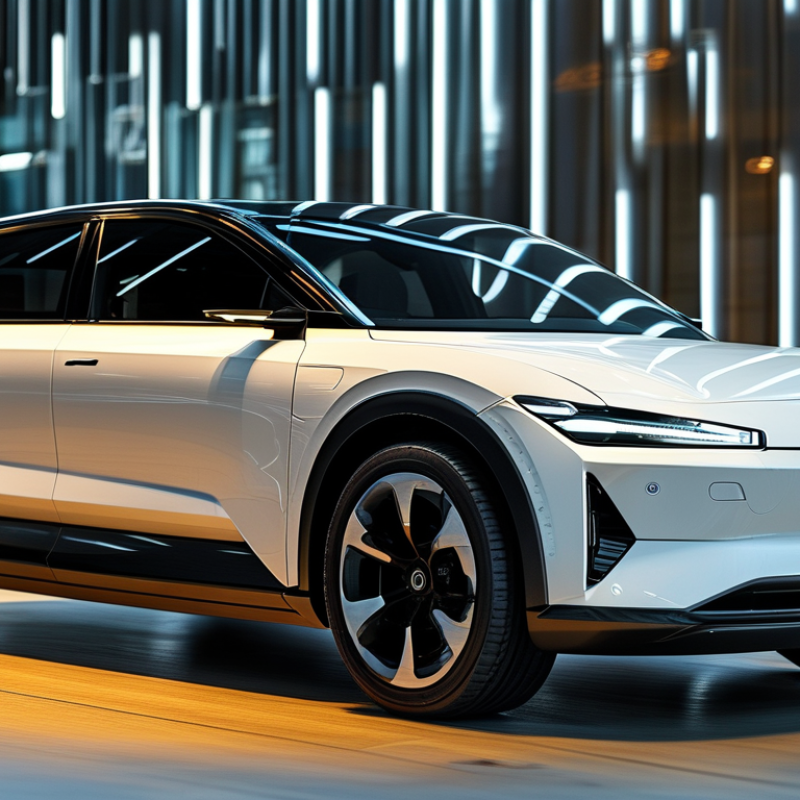
Importance of Weight Reduction in Electric Vehicles
Weight reduction is a key factor in enhancing electric vehicle (EV) performance. Lighter vehicles accelerate faster and consume less energy. Every kilogram counts, especially when it comes to battery capacity and range. For electric vehicles, overcoming weight challenges translates directly into improved efficiency. Traditional materials often add unnecessary bulk, making it vital to explore lighter alternatives.
Innovations in lightweight materials are transforming the EV landscape.
Carbon fiber and aluminum are popular choices that offer strength without the weight. Designers are tasked with balancing these materials' benefits. Yet, achieving this balance is not easy. The production processes for lightweight materials can be costly and complex. There are ongoing debates about their environmental impact and sustainability.
The quest for lightweight solutions requires rethinking vehicle design. Engineers must navigate trade-offs between durability and weight. While lighter designs promise better mileage, they might compromise other safety features. Ensuring robust safety standards in lightweight vehicles is crucial. This ongoing challenge reflects the industry's commitment to marrying innovation with responsibility.
Impact of Lighting Technology on Vehicle Weight
Lighting technology plays a critical role in the overall weight of electric vehicles (EVs). As manufacturers strive to increase efficiency, every gram counts. Lightweight lighting options, such as LED technology, can significantly reduce the weight of vehicle designs. LEDs are small and energy-efficient, making them an obvious choice over traditional options. This reduction in weight contributes to improved battery life and greater mileage.
However, implementing lightweight lighting is not without challenges. Some manufacturers might overlook the trade-off between weight reduction and adequate illumination. Efficient lighting must still provide safety and visibility in all conditions. Additionally, a shift to lighter materials may impact the durability and longevity of lighting systems. Striking a balance is essential.
Moreover, the integration of new materials can complicate the manufacturing process. Advanced composites may aid in reducing weight but require specialized knowledge and equipment. Understanding the full impact of these choices is crucial in achieving the optimal synergy between weight and performance. This is where expertise and careful engineering come into play.
Why is Lightweight Lighting Crucial for Electric Vehicles?
This chart illustrates the impact of different lighting technologies on the overall weight of electric vehicles. As lighting technology advances, it significantly reduces the weight of vehicles, contributing to better efficiency and performance.
Benefits of Lightweight Materials in Lighting Systems
Lightweight materials significantly enhance the performance of lighting systems in electric vehicles (EVs). According to a report by the International Energy Agency, reducing weight is vital for improving energy efficiency. Lighter lighting components contribute to overall vehicle weight reduction, which can increase driving range by up to 15%. This efficiency is crucial in a market increasingly focused on sustainability.
Incorporating lightweight elements in lighting allows for innovative designs while maintaining functionality. For instance, advanced materials like polycarbonate and aluminum are replacing traditional options, resulting in substantial weight savings. Studies suggest these materials can reduce the weight of lighting systems by nearly 25%. However, the challenge lies in ensuring durability and safety standards are met.
Moreover, lightweight lighting can lead to better energy consumption. By using LEDs, which are lighter and more efficient than conventional bulbs, manufacturers can enhance vehicle performance. Reports indicate that the adoption of LED technology can improve energy use by 75%. However, the transition must balance weight, cost, and reliability, as not all lightweight solutions perform equally well under different conditions.
Energy Efficiency and Performance of Lightweight Lighting
Lightweight lighting is becoming a game-changer in electric vehicles (EVs). Reducing weight in lighting fixtures leads to better energy efficiency. Lightweight materials can improve battery performance and extend driving range. Each gram saved contributes to overall vehicle efficiency. This fact is crucial as EV manufacturers continuously look to enhance performance.
The energy efficiency of lightweight lighting directly impacts overall vehicle dynamics. Traditional lighting options often consume considerable power, which can drain batteries faster. In contrast, LED options provide bright illumination without the weight of older technologies. They also generate less heat, making them ideal for compact designs. Yet, not all lightweight lighting solutions are created equal. Some may lack durability or performance, raising questions about their practicality.
We need to evaluate the long-term effects of lightweight lighting. Could there be trade-offs with safety and reliability? The aspiration for lighter vehicles should not overshadow quality. Striking a balance between weight, efficiency, and performance is essential. Continuous innovation is key as we explore the future of EV lighting.
Why is Lightweight Lighting Crucial for Electric Vehicles? - Energy Efficiency and Performance of Lightweight Lighting
| Lighting Type |
Weight (grams) |
Energy Consumption (W) |
Luminous Flux (lm) |
Efficiency (lm/W) |
| LED |
50 |
5 |
600 |
120 |
| Halogen |
150 |
10 |
300 |
30 |
| Xenon |
100 |
15 |
900 |
60 |
Future Trends in Lightweight Lighting for Electric Vehicles
Lightweight lighting plays a pivotal role in enhancing the efficiency of electric vehicles (EVs). Reports from the International Energy Agency (IEA) indicate that EV growth could reach up to 145 million vehicles by 2030. With this expansion, the demand for lightweight materials in vehicle design is becoming increasingly essential. Research highlights that reducing the weight of lighting systems can lead to significant energy savings. For instance, using advanced materials can cut the weight of automotive lighting by up to 50%.
The trend toward lightweight lighting solutions is also backed by a growing focus on sustainability. Data from recent industry studies show that lightweight components can improve vehicle range by as much as 10%. As battery technology evolves, maintaining energy efficiency becomes crucial. However, there are challenges in ensuring durability and performance while pursuing lightweight designs. Manufacturers often grapple with balancing these elements, leading to potential compromises in quality.
Emerging technologies, such as LED and organic light-emitting diode (OLED) systems, represent a step forward. These solutions are transforming the lighting landscape for EVs. They offer low energy consumption and long life, but their implementation can be complex. The industry must continue to innovate while navigating these challenges. This evolution will shape the future of electric vehicle lighting and contribute to greener transportation solutions.
FAQS
: Lighting technology influences the total weight, affecting efficiency and performance. Every gram saved counts towards better mileage.
Lightweight options, like LED technology, reduce overall weight. They are small and energy-efficient, enhancing battery life.
Manufacturers may overlook the need for sufficient illumination. Ensuring safety while reducing weight is crucial for effective lighting.
They improve energy efficiency, allowing for greater driving ranges. Lighter components can increase efficiency by up to 15%.
Advanced materials like polycarbonate and aluminum are being used. These can reduce lighting weight by nearly 25%.
Lightweight lighting, especially LEDs, can improve energy use significantly. Reports suggest a 75% improvement in energy consumption.
Not all solutions are equal. Some may lack durability or performance in challenging environments, raising concerns.
A balance must be struck between weight reduction and maintaining safety standards. Quality should not be compromised for weight.
There might be trade-offs with reliability and safety. The pursuit of lighter vehicles should focus on quality and performance.
Yes, ongoing advancements are essential to improve efficiency and ensure functionality in all conditions without safety sacrificing.
Conclusion
The significance of lightweight lighting in electric vehicles is primarily rooted in the ongoing need for weight reduction, which directly influences vehicle performance and efficiency. As electric vehicles strive for longer ranges and improved handling, every ounce of weight matters. Lightweight lighting technologies play a pivotal role in minimizing overall vehicle weight, allowing manufacturers to integrate more advanced systems without compromising performance.
The use of lightweight materials in lighting systems not only contributes to a reduction in weight but also enhances energy efficiency. Advanced lighting technologies can deliver superior illumination while consuming less power, which is essential for maximizing the range of electric vehicles. As the industry evolves, the future trends in lightweight lighting will likely focus on even more innovative materials and designs, solidifying why lightweight lighting is important for electric vehicles, ultimately facilitating a shift towards more sustainable and efficient automotive solutions.

 EV Light