Adaptive lighting systems are rapidly gaining traction in various sectors, thanks to their ability to enhance energy efficiency and improve user experience. A recent report by the International Energy Agency highlights that adaptive lighting can reduce energy consumption by up to 60%. This shift isn't just about savings; it's also about creating healthier and more dynamic environments.
Experts like Dr. Emily Sanders from the Lighting Research Center emphasize the importance of this trend: "Adaptive lighting systems are not merely a technological advancement; they represent a fundamental shift in how we interact with light." Her insights underline the growing realization of the significant benefits these systems can offer, including improved mood and productivity.
Moreover, the demand for smart building technologies is pushing industries to adopt adaptive lighting. Organizations are recognizing the importance of flexibility in lighting solutions. As cities evolve and populations grow, the question remains, "why are adaptive lighting systems becoming popular?" The answer lies in their multi-faceted benefits, which are reshaping our approach to illumination and energy management.
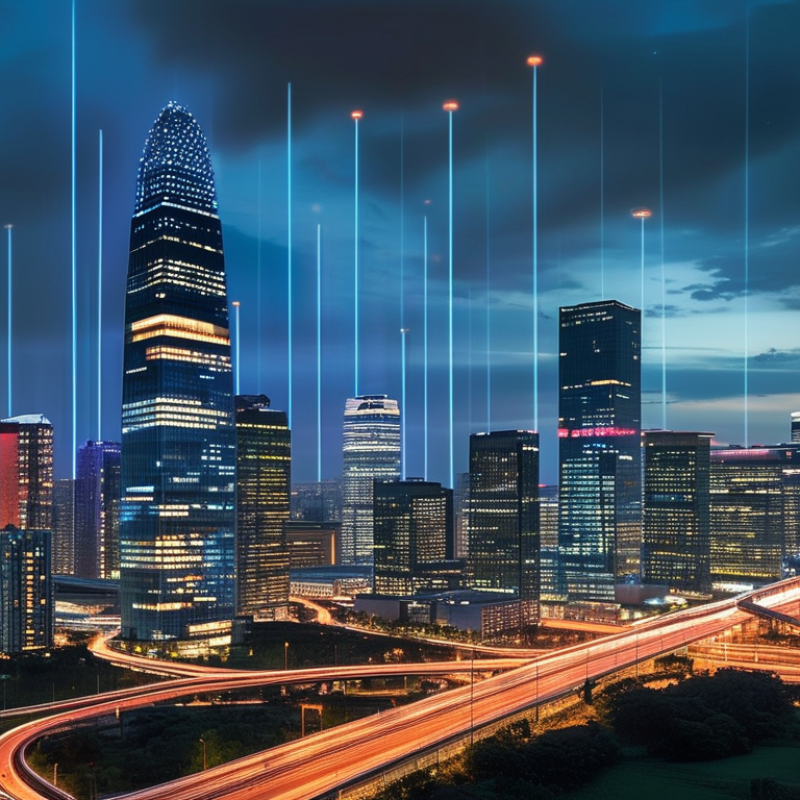
Adaptive lighting systems are transforming how we think about energy efficiency. These systems adjust light levels based on usage and ambient conditions. According to the U.S. Department of Energy, such systems can reduce energy consumption by 30% to 60%. In commercial buildings, this translates to significant cost savings. For instance, an office can cut its lighting energy bill dramatically, enhancing the bottom line.
Despite their benefits, challenges remain. Many users are still unfamiliar with these technologies. Implementation can require upfront investment, although long-term savings are clear. For example, a report from the International Energy Agency shows that smart lighting systems may have a return on investment (ROI) of up to 200%. Yet, the technology is not universally accessible. Regions with limited infrastructure may lag in adoption.
Overall, the advantages of adaptive lighting systems are evident. They reduce energy waste while promoting sustainability. However, user education and infrastructure development are crucial. Overcoming these hurdles can unlock the full potential of this innovative technology in energy efficiency.
Adaptive lighting systems are becoming increasingly popular due to their positive effects on health and wellbeing. These systems adjust the intensity and color temperature of light based on time of day, mimicking natural sunlight. Research shows that exposure to the right light can enhance mood, boost productivity, and regulate circadian rhythms. People often report improved sleep quality and overall comfort in spaces with adaptive lighting.
Moreover, these systems address common issues faced by individuals with mood disorders or Seasonal Affective Disorder (SAD). By providing a tailored lighting experience, they create an environment conducive to mental wellness. While the benefits are clear, the adoption rate may be hindered by initial costs and the need for user education. Not everyone understands how to use these systems effectively.
Adoption also requires trust in the technology. People may be hesitant to rely on something unfamiliar. Experiments and studies are essential to demonstrate long-term impacts. As awareness grows about the connection between light and wellbeing, more institutions might consider implementation. The relevance of custom lighting solutions cannot be overstated, yet challenges remain in promoting accessibility for all users.
Adaptive lighting systems are on the rise, largely due to technological advancements. Recent studies indicate that smart lighting can reduce energy consumption by up to 75%. These systems dynamically adjust brightness according to daylight levels and occupancy. Sensors and IoT technology play a crucial role in this innovation. They gather real-time data, making the lighting experience personal and efficient.
Tips: To maximize efficiency, utilize motion detectors in low-traffic areas. This minimizes wasted energy and prolongs bulb life.
Another key driver is user control. Advanced mobile applications allow users to customize their settings. A report by the Lighting Research Center found that personalized lighting improves mood and productivity by 15% in workspaces. The flexibility of adaptive lighting meets the needs of diverse environments, from homes to offices and public spaces. However, technology can sometimes malfunction. Regular maintenance is essential to ensure reliable performance.
Tips: Schedule routine checks on your lighting system. This can prevent potential issues before they arise.
| Reason | Description | Impact |
|---|---|---|
| Energy Efficiency | Adaptive lighting systems adjust brightness based on occupancy and daylight. | Reduces energy consumption significantly. |
| Improved Safety | Automatically brightens in response to movement. | Enhances safety in public and private spaces. |
| Enhanced Comfort | Adjusts lighting based on user preference and activity. | Improves mood and productivity. |
| Sustainability | Utilizes eco-friendly lighting technologies. | Supports environmental conservation efforts. |
| Flexibility | Can be tailored to different environments and needs. | Ideal for a wide range of applications. |
| Integration with Smart Systems | Seamlessly connects with other smart home devices. | Enhances overall home automation experience. |
| Cost Savings | Reduces maintenance and electricity costs over time. | Offers long-term financial benefits. |
| Aesthetic Appeal | Provides customizable lighting schemes and colors. | Enhances visual appeal of spaces. |
| Health Benefits | Supports circadian rhythms with appropriate light exposure. | Promotes better sleep and overall health. |
| Data Analytics | Collects usage data for further optimization. | Enhances future planning and adaptability. |
Adaptive lighting systems have emerged as a focal point in the pursuit of environmental sustainability. Research indicates that these systems can lead to a 30% reduction in energy consumption compared to traditional lighting. This considerable decrease stems from their ability to adjust light intensity based on occupancy and natural light levels. With cities becoming smarter, adaptive lighting solutions are evolving to meet the demands for greener infrastructure.
Many municipalities are adopting adaptive systems to lower their carbon footprints. According to the International Energy Agency, lighting accounts for 15% of global electricity consumption. By switching to adaptive solutions, cities can contribute to global sustainability efforts. However, the transition is not without challenges. Some systems require significant upfront investment, which can deter their implementation.
Tips for consideration: Assess your current lighting's energy needs. Look for adaptive solutions that fit your budget. Be mindful of maintenance costs as these systems evolve. Embrace change, but understand the long-term benefits, such as reduced energy bills and lower emissions. Sustainable choices today can shape a better tomorrow.
Adaptive lighting systems are rapidly gaining traction, particularly in smart home environments. The growing demand for seamless integration drives this trend. According to a recent industry report, smart lighting adoption is expected to reach over 40% by 2025. Consumers increasingly desire systems that adapt to their daily routines, enhancing comfort and convenience. Adaptive lighting can mimic natural sunlight, which positively impacts mood and productivity.
Despite the benefits, some challenges remain. Compatibility issues with existing home technologies can hinder smooth implementation. Users often feel overwhelmed by the complexity of setup and configuration. It’s essential to research and choose systems that offer user-friendly interfaces.
When considering adaptive lighting, remember these tips:
: Adaptive lighting systems automatically adjust light levels based on usage and ambient conditions. They enhance energy efficiency.
These systems can reduce energy consumption by 30% to 60%, leading to significant cost savings, especially in commercial buildings.
Adaptive lighting can boost mood, improve sleep quality, and enhance productivity by mimicking natural sunlight throughout the day.
Hesitation may stem from initial costs and uncertainty about how to use the technology effectively, leading to confusion.
Sensors and IoT technology gather real-time data, enabling the lighting to adjust dynamically for improved efficiency and personalization.
Using motion detectors in low-traffic areas minimizes wasted energy, extends bulb life, and enhances overall system efficiency.
Many users are unfamiliar with how these systems work, and proper understanding can lead to better adoption and satisfaction.
Regular checks and maintenance are crucial to ensure reliable performance and address any potential issues that may arise.
Yes, adaptive lighting can create a positive environment that supports mental wellness, beneficial for individuals with mood disorders or SAD.
Limited infrastructure and the need for user education can hinder wider adoption, making access difficult for some users.
Adaptive lighting systems are gaining popularity for several compelling reasons. Firstly, their energy efficiency contributes to significant cost savings and reduced environmental impact, making them an attractive choice for both consumers and businesses. Additionally, the positive effects on health and well-being, such as improved mood and productivity through aligned lighting conditions, play a key role in their adoption.
Technological advancements are also driving innovations in this field, enabling more sophisticated systems that seamlessly integrate with smart home technologies. As consumers become increasingly environmentally conscious, the demand for sustainable lighting solutions rises. Overall, the question of why are adaptive lighting systems becoming popular can be answered by their combination of energy efficiency, health benefits, technological integration, and sustainability, addressing modern consumers' diverse needs and preferences.

EV Light