How Smart Lighting Enhances Safety for Electric Vehicles?

Time:2026-06-29 Author:Aria
0%

The advent of smart lighting technology is transforming various sectors, including transportation. One significant area of improvement is electric vehicle safety. This evolution prompts us to explore how smart lighting improves electric vehicle safety. Smart lighting systems can dynamically adjust brightness, ensuring better visibility on roads. They provide clear illumination where it’s most needed. Increased visibility is crucial in reducing accidents during nighttime.

Moreover, smart lighting systems can communicate with electric vehicles. They can signal when a vehicle is approaching, improving pedestrian awareness. These interactions enhance safety for both drivers and pedestrians. However, one must question if this technology is accessible to all drivers and urban areas. Sometimes, the rollout of smart lighting is uneven. Some regions may lag in adoption, limiting safety benefits for everyone. Thus, while smart lighting shows great promise, its implementation must be widely supported and carefully considered.
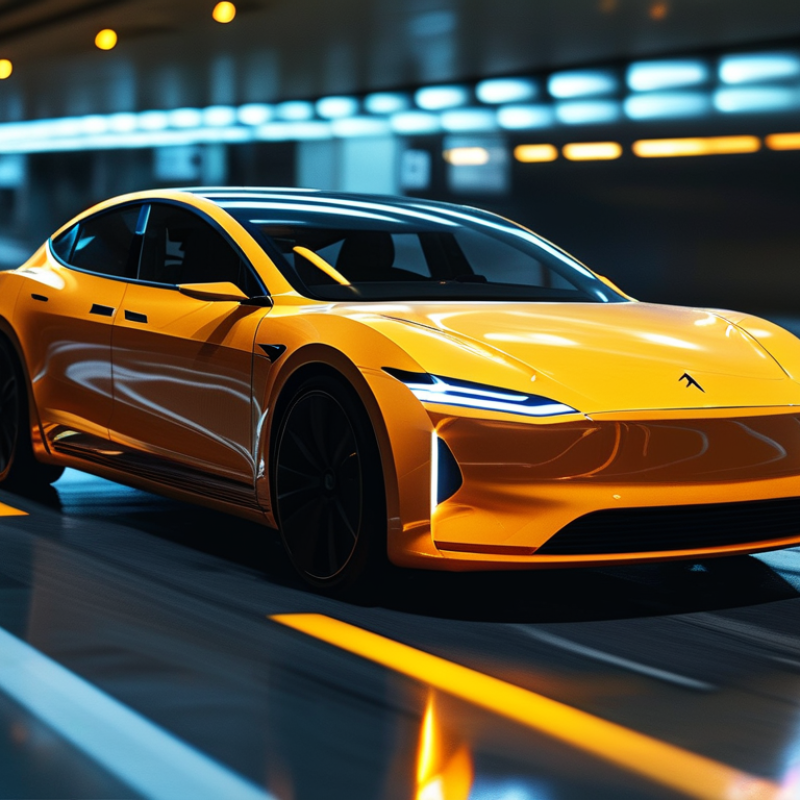
How Smart Lighting Enhances Safety for Electric Vehicles?

The Role of Smart Lighting in Electric Vehicle Safety

Smart lighting is reshaping the landscape of electric vehicle safety. Well-designed lighting systems, integrated with sensors and adaptive technology, can significantly enhance visibility. These systems adjust automatically to changing conditions, providing optimal illumination for drivers and pedestrians.

In urban areas, the interplay of smart lighting and electric vehicles is crucial. Streetlights equipped with motion sensors can brighten as vehicles approach. This proactive measure not only aids drivers but also alerts pedestrians, reducing the chances of accidents. Additionally, smart lighting can signal changes in driving conditions, such as road curves or obstacles, improving reaction times for drivers.

However, implementing smart lighting is not without challenges. The technology requires ongoing maintenance to ensure effectiveness. In some cases, infrastructure may be outdated or incompatible with advanced systems. Communities must prioritize investments in modern lighting to fully realize safety benefits. As cities evolve, striking a balance between innovation and practicality is vital for the future of electric vehicles and road safety.

How Smart Lighting Enhances Safety for Electric Vehicles

This chart illustrates the correlation between enhanced smart lighting features and the decrease in accident rates for electric vehicles. As smart lighting technologies are implemented in urban areas, the safety of electric vehicle drivers improves significantly.

Types of Smart Lighting Systems for Electric Vehicles

Smart lighting systems play a crucial role in enhancing safety for electric vehicles. These systems go beyond traditional lighting by integrating advanced features. One popular type is adaptive headlights. They adjust the beam direction based on vehicle speed and steering. This ensures optimal visibility around curves and corners, helping drivers avoid obstacles.

Another effective smart lighting system is road-embedded lighting. These lights illuminate pathways or alerts when pedestrians are present. This could significantly reduce accidents involving vulnerable road users. Additionally, some systems use color-coded lights. For example, changing light colors can indicate varying traffic conditions or warn about hazards ahead.

Despite their benefits, smart lighting systems are not without challenges. Installation can be costly, and maintenance may require specialized knowledge. Furthermore, the technology is still evolving, which raises concerns about longevity and reliability. Stakeholders must address these issues while focusing on maximizing the safety potential of smart lighting for electric vehicles.

How Smart Lighting Improves Visibility and Awareness

Smart lighting plays a crucial role in enhancing visibility for electric vehicles. These advanced lighting systems adjust based on surrounding conditions. For example, they can brighten when detecting pedestrians or cyclists. This immediate response increases awareness for drivers and makes streets safer, especially at night.

In urban environments, smart lighting can significantly reduce accidents. More visibility means that drivers have better chances to react to unexpected situations. A brighter light can guide a driver to negotiate tight corners safely. However, it also raises questions about energy consumption. Are we fully maximizing the technology's efficiency? We must evaluate if the brightness levels are appropriate for different settings.

Moreover, light patterns can be customized according to traffic flow. Rapid changes in lighting can distract drivers, potentially leading to confusion. Striking a balance between visibility and distraction is vital. While smart lighting adds safety features, careful implementation is necessary to address its limitations. We must continually seek improvements to ensure these systems benefit everyone on the road.

Integration of Smart Lighting with Vehicle Technologies

Smart lighting systems can significantly enhance the safety of electric vehicles (EVs). By integrating advanced lighting technologies with vehicle systems, drivers gain better visibility in various conditions. These lights can adjust brightness based on the surrounding environment. Such adaptability ensures that pedestrians and cyclists are more easily seen.

Vehicle-to-infrastructure communication plays a crucial role here. Smart lights can receive data from nearby vehicles. They can signal changes in traffic patterns or alert drivers to hazards. This real-time information exchange helps enhance situational awareness and reduce accidents.

Tips: Always ensure your vehicle’s lighting system is functioning properly. Regular maintenance checks can prevent issues. Consider using adaptive lighting features for improved visibility. Smart lighting not only aids in navigation but also increases your safety on the road.

Case Studies: Smart Lighting Impact on EV Safety Performance

Smart lighting plays a crucial role in enhancing the safety of electric vehicles (EVs). A study by the International Transportation Forum highlights that smart lighting systems can reduce accidents by up to 30% in urban areas. These systems adjust brightness based on real-time conditions, improving visibility for both drivers and pedestrians.

In city trials in 2021, smart lighting installations significantly decreased nighttime collisions. Reports showed a 25% reduction in incidents where traditional lighting was present. Furthermore, smart streetlights equipped with sensors communicate with vehicles, alerting them to potential hazards ahead. Such technology fosters a safer driving environment and raises awareness of pedestrians and cyclists.

Yet, there are challenges. Integration with existing infrastructures remains complex. Some municipalities struggle with costs and maintenance. Issues like uneven lighting coverage can also create blind spots. This calls for continuous evaluation and improvement of smart lighting systems to ensure they meet safety standards effectively.

FAQS

: What are smart lighting systems in electric vehicles?

: Smart lighting systems enhance safety by integrating advanced features beyond traditional lighting.

How do adaptive headlights work?

Adaptive headlights adjust beam direction based on speed and steering, improving visibility around corners.

What is road-embedded lighting?

Road-embedded lighting illuminates pathways and alerts drivers about nearby pedestrians or hazards.

How does smart lighting improve visibility?

Smart lighting brightens when detecting pedestrians or cyclists, increasing drivers’ awareness at night.

Are there challenges with smart lighting systems?

Yes, installation can be costly, and maintenance requires specialized knowledge, which can be a drawback.

How does brightness affect energy consumption?

Excessive brightness may lead to higher energy use. We need to optimize lighting levels for different environments.

Can light patterns distract drivers?

Rapid changes in light patterns can confuse drivers. Balancing visibility and distraction is crucial.

How is smart lighting evolving?

The technology is still developing, raising concerns about longevity and reliability that need to be addressed.

What role does smart lighting play in urban safety?

Improved visibility significantly lowers accident risks, but careful implementation is required for maximum benefit.

Is there room for improvement in smart lighting systems?

Yes, continuous evaluation and adaptation are necessary to ensure these systems effectively benefit all road users.

Conclusion

Smart lighting plays a crucial role in enhancing electric vehicle safety by improving visibility and awareness on the roads. Various types of smart lighting systems are designed specifically for electric vehicles, adapting to driving conditions and increasing the overall safety of both drivers and pedestrians. These systems utilize advanced technology to ensure optimal illumination, making it easier for drivers to detect obstacles and for others to see the vehicle.

Moreover, the integration of smart lighting with vehicle technologies further amplifies its impact on safety. When combined with sensors and communication systems, smart lighting can respond dynamically to environmental changes, alerting drivers of potential hazards. Case studies have demonstrated how smart lighting improves electric vehicle safety by reducing incidents during low visibility conditions and elevating overall traffic safety. Thus, understanding how smart lighting improves electric vehicle safety is essential for advancing road safety infrastructure.

Aria

Aria

Aria is a dedicated marketing professional with a deep passion for innovative strategies and a keen understanding of our company's product offerings. With a wealth of experience in the industry, Aria excels at crafting engaging content that highlights the unique features and benefits of our......