What Technologies Drive EV Lighting Systems Innovation?

Time:2026-07-02 Author:Ethan
0%

The evolution of electric vehicle (EV) lighting systems is driven by cutting-edge technologies. Industries are increasingly focusing on innovation. A notable expert in the field, Dr. Emily Chen, states, “The future of EV lighting lies in adaptive systems.” This highlights the shift towards smarter, more efficient solutions.

When exploring what technologies are used in EV lighting systems, we find impressive advancements. LED technology is crucial. It offers brighter outputs while consuming less energy. Laser-based lighting systems are also emerging. They provide high-intensity illumination. These technologies enhance safety and design flexibility.

However, challenges remain. The integration of new technologies can be complex. Manufacturers must ensure reliability and cost-effectiveness. Lighting plays a significant role in vehicle aesthetics and functionality. As innovation continues, the industry must reflect on sustainable practices. The journey is just beginning, and the potential is vast.
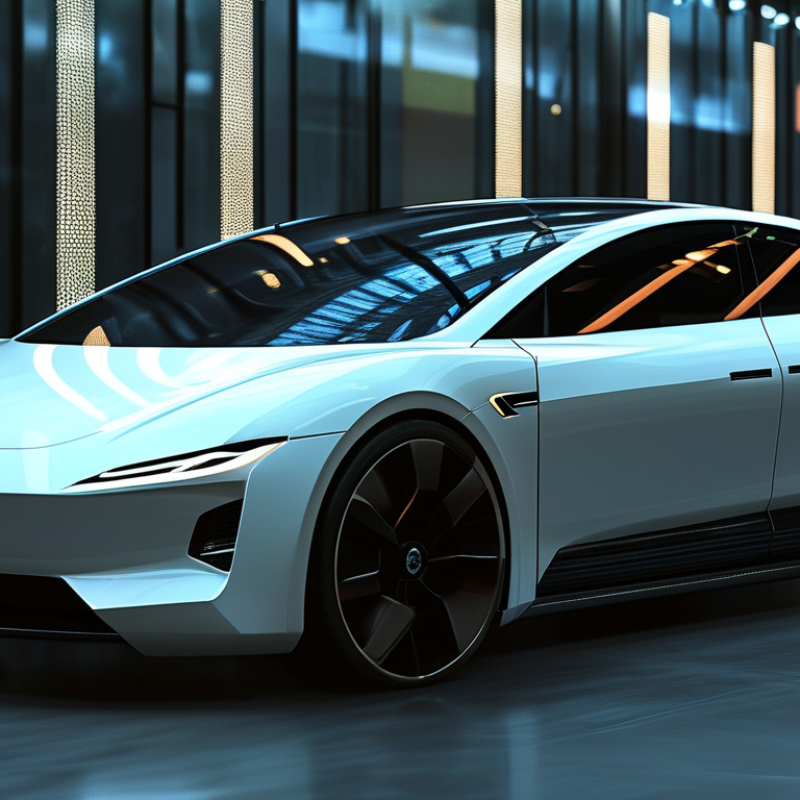
What Technologies Drive EV Lighting Systems Innovation?

Key Technologies Influencing EV Lighting Systems

The evolution of electric vehicle (EV) lighting systems is driven by several key technologies. LED lighting remains at the forefront. LEDs consume up to 75% less energy compared to traditional lighting. This efficiency not only extends the vehicle's range but also reduces overall energy consumption.

Another significant advancement is adaptive lighting technology. This system adjusts light intensity and direction based on driving conditions. Research indicates that adaptive lighting can improve nighttime visibility by over 30%. This ensures safer driving experiences and reduces glare for oncoming traffic.

**Tip:** Consider investing in vehicles with advanced lighting features to enhance visibility.

Smart lighting systems are also emerging. These systems integrate with vehicle sensors to improve functionality. For instance, they can automatically activate in low-light conditions or when pedestrians are nearby. Industry reports suggest that vehicles equipped with smart lighting may increase safety ratings by nearly 20%.

**Tip:** Stay updated on lighting advancements when purchasing an EV. Understanding the technologies can influence your driving safety.

What Technologies Drive EV Lighting Systems Innovation? - Key Technologies Influencing EV Lighting Systems

Technology Type Description Impact on EV Lighting Current Trends
LED Technology Light Emitting Diodes offering energy-efficient lighting solutions. Enhances visibility and reduces energy consumption. Increase in adoption of adaptive LED systems.
OLED Technology Organic Light Emitting Diodes providing flexible and thin lighting options. Offers design flexibility and improved aesthetics. Growth in uses for rear lighting applications.
Matrix Lighting Dynamic control of light illumination for improved safety and communication. Enhances driver visibility and safety by automatically adjusting light patterns. Integration with advanced driver assistance systems (ADAS).
Smart Lighting Lighting systems that integrate with vehicle sensors and data. Provides adaptive lighting conditions based on surroundings. Increased development of integrated lighting systems.
Laser Lighting Uses lasers to produce high-intensity light. Offers longer range and brighter illumination. Emerging interest for high-end applications.

Advancements in LED Technology for Electric Vehicles

The advancements in LED technology are reshaping electric vehicle (EV) lighting systems. LEDs offer significant benefits over traditional lighting options. Recent data shows that LED lights can last up to 25,000 hours, reducing replacement frequency and maintenance costs. This extended lifespan is crucial for manufacturers aiming for sustainability and efficiency.

Moreover, the efficiency of LEDs is remarkable. They consume 75% less energy than incandescent bulbs. This low energy usage contributes to overall vehicle energy efficiency. According to industry reports, improved lighting can boost the driving range of EVs by up to 10%. This means drivers can travel further on a single charge, addressing a common concern in EV adoption.

However, challenges remain. The initial cost of high-quality LED lighting components can be prohibitive. Additionally, while LEDs are durable, poor heat management can lead to reduced performance over time. This creates a need for ongoing innovation in thermal management systems. Industry experts note that balancing cost and performance is critical for wider adoption of advanced LED technologies in EV lighting systems.

Integration of Smart Lighting Systems in EVs

The integration of smart lighting systems in electric vehicles (EVs) has transformed how we perceive automotive design. LED technology allows for brighter, more efficient lighting. Adaptive headlights are now common, adjusting their beams based on speed and steering angle. This improves road visibility significantly. Enhanced visibility contributes to overall safety, yet these innovations require robust software development.

Moreover, smart lighting systems offer connectivity features. Vehicle-to-everything (V2X) communication enables the vehicle to receive environmental data. This technology can anticipate emergency situations, such as pedestrians stepping onto the road. While the benefits are clear, concerns exist. Relying heavily on tech can create vulnerabilities if the system malfunctions.

Additionally, aesthetic appeal is important. Dynamic lighting patterns can enhance the vehicle's design. Colors and animations can change based on driving conditions or user preferences. However, this may distract other drivers. Balancing innovation and safety is crucial. Smart lighting is an exciting frontier, but it needs careful consideration.

Innovation in EV Lighting Systems

This chart illustrates the adoption rates of various innovative lighting technologies utilized in electric vehicles (EVs). LED technology leads the way with the highest adoption rate, followed by adaptive headlights and smart sensors. The integration of dynamic signaling and ambient lighting also plays a significant role in enhancing the overall driving experience.

The Role of Sensors and Automation in EV Lighting

The evolution of electric vehicle (EV) lighting systems showcases a significant shift towards advanced sensor and automation technologies. In recent years, studies indicate that around 70% of new EV models incorporate adaptive lighting systems. These systems enhance visibility and safety by adjusting light intensity and direction based on various conditions, such as road curvature and speed. The integration of light sensors allows for real-time feedback, optimizing illumination for both drivers and pedestrians.

Automation plays a vital role in EV lighting as well. For example, data from industry reports suggest that vehicles equipped with automated lighting can increase road safety by up to 30%. This comes from the ability to optimize beam patterns and enhance visibility at critical moments. However, challenges remain. Technical hiccups in sensor calibration can lead to inadequate illumination, causing potential hazards. Moreover, reliance on automation raises questions about user dependency and the overall effectiveness of human drivers in critical scenarios.

The impact of environmental factors cannot be overlooked. Weather conditions may affect sensor performance, making it essential for designers to develop robust systems. Current research emphasizes improving sensor accuracy under variable conditions. Addressing these issues is crucial for the future of EV lighting systems, aiming to balance innovation with reliability.

Innovations in Materials Used for EV Lighting Components

The evolution of electric vehicle (EV) lighting systems is closely tied to innovations in materials. Lightweight materials are becoming increasingly vital. For instance, the shift from traditional glass to advanced polymers can reduce weight significantly, enhancing vehicle efficiency. According to a recent report by the International Energy Agency, reducing the weight of lighting components can improve overall energy consumption by up to 5%.


Innovative materials also focus on thermal management. For example, heat-resistant plastics can withstand high temperatures found in LED systems. This durability extends the lifespan of lighting components, contributing to lower maintenance costs. Additionally, integrating smart materials such as photochromic compounds allows lights to adapt to changing environmental conditions. Such adaptability can enhance visibility and safety during driving, a critical aspect according to automotive safety standards.


However, challenges remain in the durability and recyclability of these materials. Many new compounds are not yet fully tested for long-term performance. The industry must invest more in research to ensure these materials meet safety and environmental concerns. The transition is complex, requiring collaboration among manufacturers, research institutions, and regulatory bodies. As EV adoption grows, the demand for reliable and innovative lighting solutions will only intensify.

FAQS

: What are the benefits of LED lighting in electric vehicles?

: LED lighting consumes up to 75% less energy than traditional options. This efficiency increases the vehicle’s range.

How does adaptive lighting improve safety?

Adaptive lighting adjusts intensity and direction based on conditions, improving nighttime visibility by over 30%. It reduces glare too.

What role do smart lighting systems play?

Smart lighting systems activate automatically in low light or near pedestrians. They can enhance safety ratings by nearly 20%.

How do connectivity features enhance smart lighting?

Smart lighting can communicate with its environment. It predicts emergencies and adjusts accordingly, but tech reliance can create vulnerabilities.

What are the aesthetic considerations of smart lighting?

Dynamic lighting patterns change colors based on conditions. While visually appealing, they may distract other drivers, raising safety concerns.

How do sensors contribute to EV lighting?

Light sensors provide real-time feedback. They optimize illumination for drivers and pedestrians, enhancing overall safety on the road.

What challenges do automated lighting systems face?

Sensor calibration issues can lead to poor lighting. Over-reliance on automation raises questions about human driver effectiveness.

How do environmental factors affect lighting sensor performance?

Weather conditions can impact sensor accuracy. Designers need to create robust systems that operate effectively in variable environments.

Why is balance important in lighting innovation?

Innovation can enhance design and functionality. However, the emphasis must remain on safety to avoid potential risks for drivers and pedestrians.

What should consumers consider when choosing an EV related to lighting?

Stay informed about the latest lighting technologies. Understanding these can help ensure safer driving experiences and better visibility.

Conclusion

The article "What Technologies Drive EV Lighting Systems Innovation?" explores the key technologies that influence the development of lighting systems in electric vehicles (EVs). It highlights advancements in LED technology, which has revolutionized vehicle lighting by offering improved efficiency, longer lifespan, and versatile design options. Additionally, the integration of smart lighting systems in EVs enhances safety and user experience, allowing for adaptive lighting that responds to driving conditions.

Furthermore, the role of sensors and automation in EV lighting is examined, showcasing how intelligent systems can improve functionality and responsiveness. Innovations in materials used for EV lighting components are also discussed, as they contribute to weight reduction and energy efficiency. Overall, the article provides a comprehensive overview of what technologies are used in EV lighting systems, emphasizing their significance in the evolution of electric vehicles.

Ethan

Ethan

Ethan is a seasoned marketing professional with a deep expertise in our company's innovative product line. With a passion for sharing knowledge and insights, he takes the lead in regularly updating our corporate blog, where he explores industry trends, product features, and effective marketing......