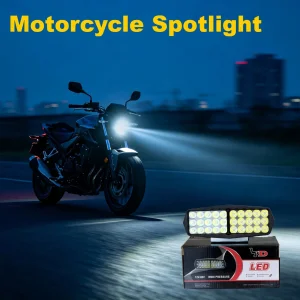
Engineered to withstand rigorous automotive operations with certified energy efficiency metrics
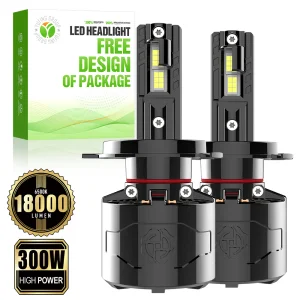
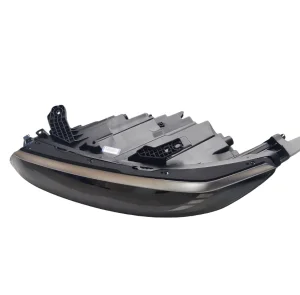
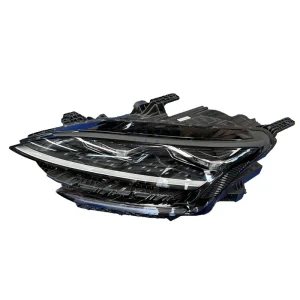
Hangzhou EV Light Co., Ltd. stands at the forefront of China's automotive supply chain as a tier-1 professional manufacturing exporter specializing in advanced Electric Vehicle (EV) LED lighting and smart integration systems. In the context of the global transition to sustainable mobility, we recognize that lighting is no longer merely a functional component; it has evolved into a key element of vehicle safety, branding, energy efficiency, and occupant interaction.
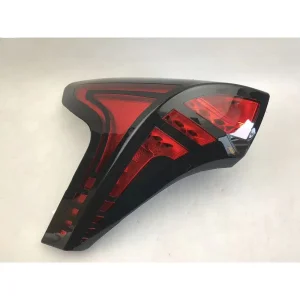
Our product portfolio ranges from high-lumen headlights and rear combination lights to dynamic ambient interior lights, charging status displays, and smart street infrastructure. By integrating cutting-edge LED architectures, optimized optical designs, and smart CAN-bus protocols, we ensure our systems seamlessly interface with modern electric drivetrains without causing electromagnetic interference (EMI) or excessive battery draw.
We serve global vehicle manufacturers (OEMs), aftermarket distributors, fleet operators, and transit authorities across Europe, North America, Southeast Asia, and the Middle East, ensuring our products comply with demanding local regulatory standards including ECE, DOT, and SAE.
Our core mission is to provide global Tier-1 buyers and automotive assembly lines with a highly integrated supply pipeline. We combine rapid R&D cycles, automotive-grade product validation (including rigorous thermal, vibration, ingress protection, and optical photometrics testing), and low-friction logistical coordination to reduce overall procurement risks.
Years of R&D Innovation
Exporting Countries Served
Automotive Grade Certified
Ingress Protection Standards
How our localization in Hangzhou leverages China's industrial network to maximize client ROI
China's automotive clusters concentrate raw semiconductor manufacturing, optical molding, thermal management suppliers, and PCB fabricators within immediate geographic proximity, dramatically reducing lead times.
Advanced tooling, CAD rendering, and simulation methodologies permit our engineers to move from concept designs to functional optoelectronic prototypes within weeks, compared to months in traditional markets.
Highly automated assembly lines, surface mount technology (SMT) machines, and vertical manufacturing integration ensure low unit costs without compromising raw material quality or engineering tolerances.
Exploring the technology and system requirements for next-generation vehicle systems
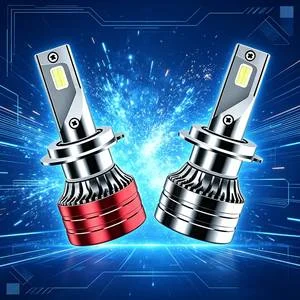
As ADAS (Advanced Driver Assistance Systems) become standard, headlights are evolving from static illumination units to dynamic projection interfaces. ADB systems utilize matrix-LED technologies coupled with vehicle camera feeds to dynamically dim specific illumination zones, preventing glare for oncoming motorists while maintaining maximum visibility.
Every watt of energy consumed by auxiliary electronics is a watt subtracted from the vehicle's driving range. Consequently, manufacturers are optimizing light engines to emit high lumens-per-watt values. Modern heat sink integration, dual copper pipe heat systems, and highly efficient constant-current drivers are critical components in minimizing parasitic power draw.
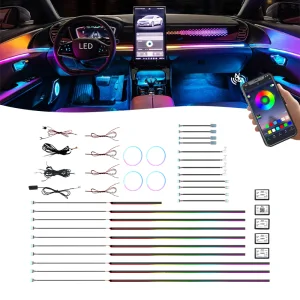
With electric drivetrains operating in near silence, visual signatures serve as the primary brand differentiator. Features like greeting sequences, integrated projection lights, and dynamic rear lightbars allow manufacturers to project clear visual identities. Additionally, smart ambient cabin lighting synchronizes with drive modes and infotainment systems to elevate the passenger experience.
Unlike internal combustion engine (ICE) cars, EVs are designed for minimal scheduled mechanical servicing and longer operational lifespans. Their lighting systems must match this profile, requiring robust potting compounds, dust/moisture sealings (IP69K), and superior thermal dispersion elements to avoid lumen degradation over a 15-year lifecycle.
Tailored engineering solutions configured for diverse transportation environments
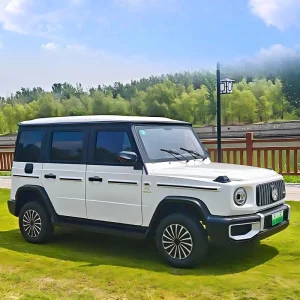
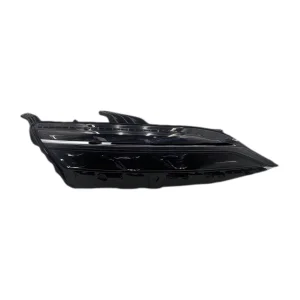
We supply precision replacements and custom lighting modules for popular consumer models like the BYD Han, Wuling Hongguang Mini, and Neta V. Our solutions focus on plug-and-play compatibility, ensuring trouble-free CAN-bus communication and error-free operation.
Heavy-duty commercial applications rely on durable lighting fixtures with superior ingress protection. We develop high-vibration resistant headlights and signal systems for electric delivery vans, waste management vehicles, and logistics trucks.
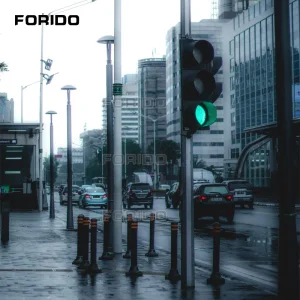
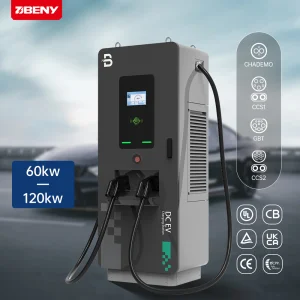
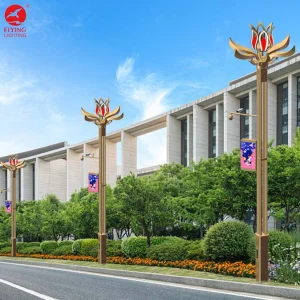
Bridging the gap between vehicles and environment, our intelligent wireless street light pole systems feature integrated EV charging piles, allowing cities to optimize parking spots and deploy public charging without installing bulky standalone columns.
Entering international automotive supply pipelines requires strict adherence to global regulatory frameworks and safety standards. At Hangzhou EV Light Co., Ltd., we establish deep quality checkpoints at every key phase of manufacturing, spanning material inspection, SMT placement, final casing welding, and end-of-line optical testing.
Our validation engineers utilize specialized laboratories to subject lighting units to environmental simulations: thermal shock testing (-40°C to +85°C), humidity cycle testing, dust ingress analysis, salt-spray corrosion tests, and electromagnetic compatibility (EMC) assessments to verify compliance with ECE R10 standards. We guarantee that all light-distribution patterns comply with DOT (US Department of Transportation) and ECE directives, preventing potential customs holds or regulatory penalties.
Evaluation of client drawings, optical target distributions, and electrical inputs.
Producing physical samples and conducting Design Verification Plan & Report tests.
Initiating production runs validated under PPAP (Production Part Approval Process).
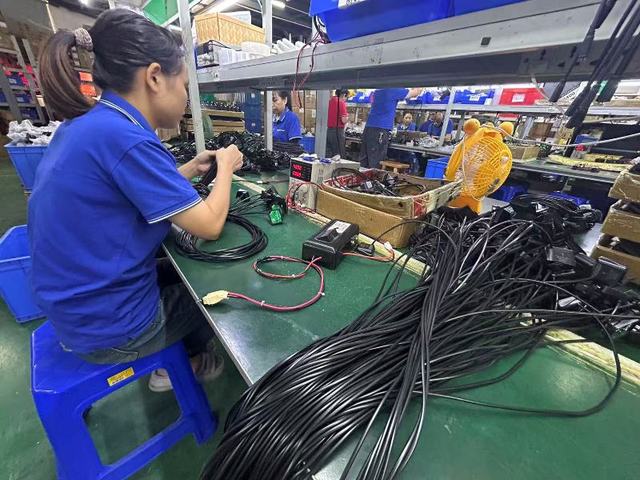
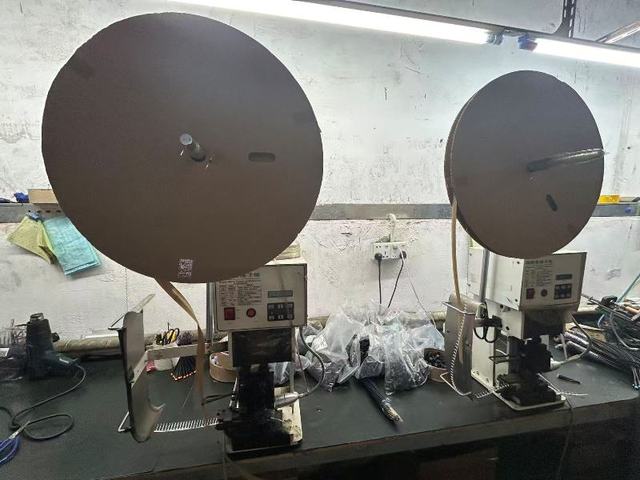
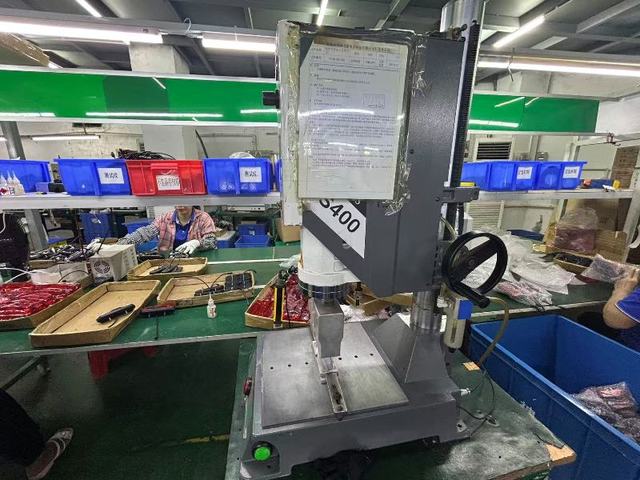
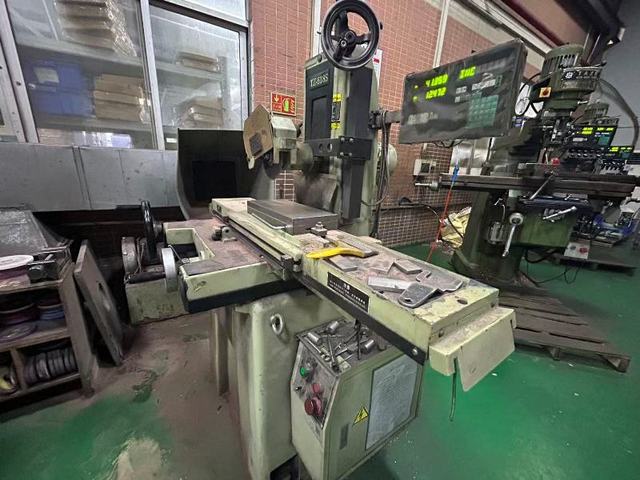
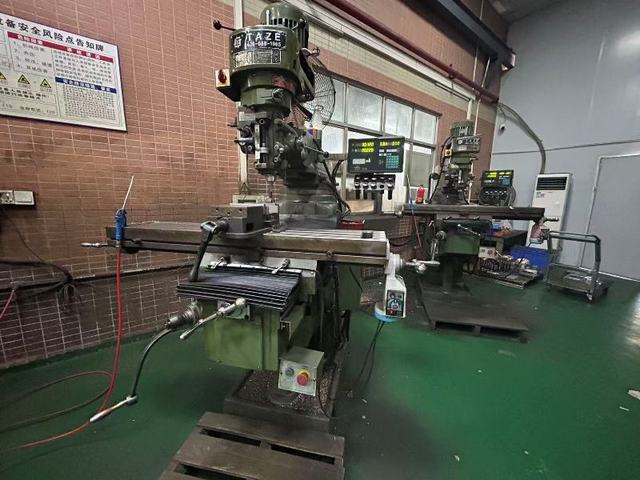
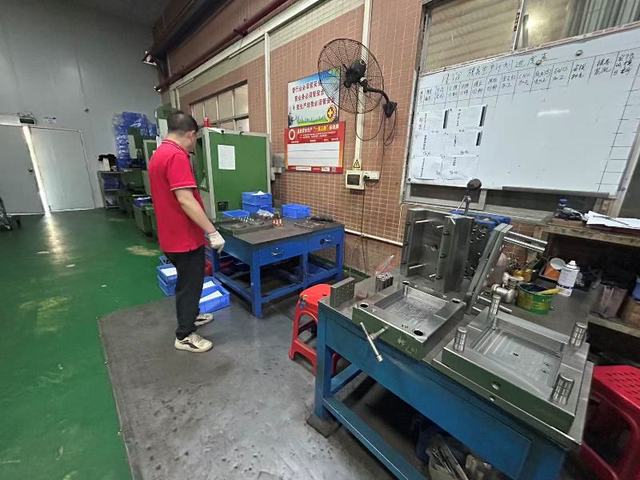
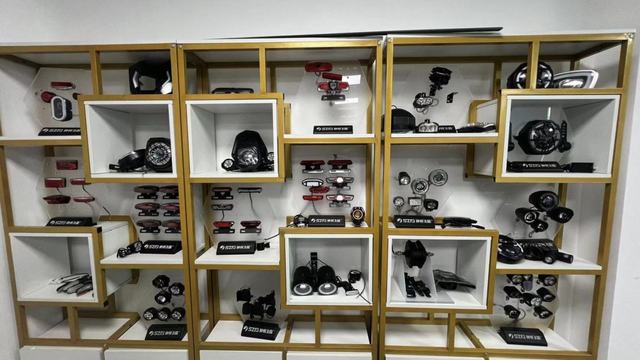
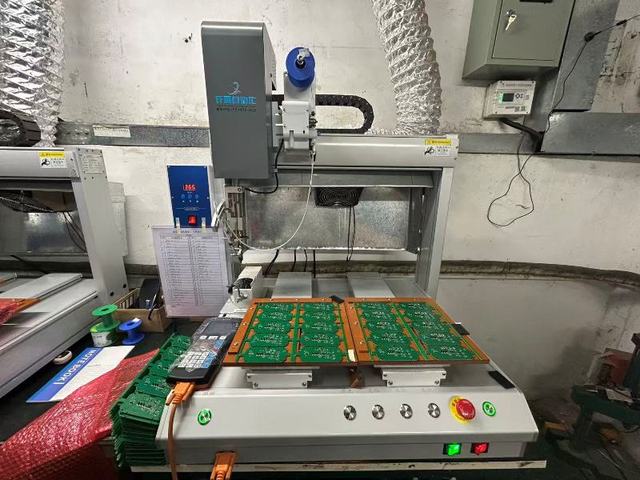
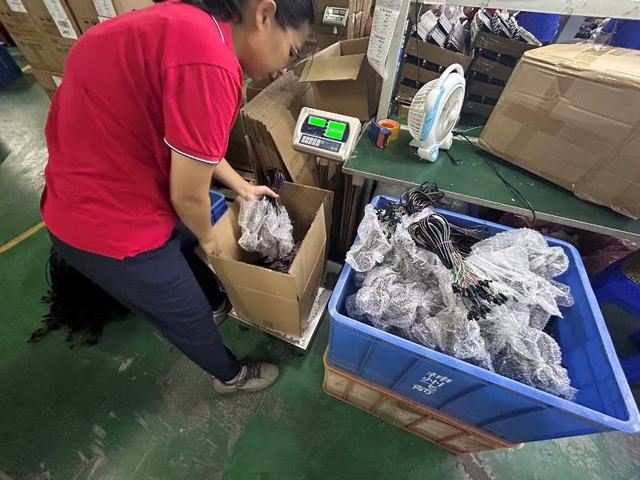
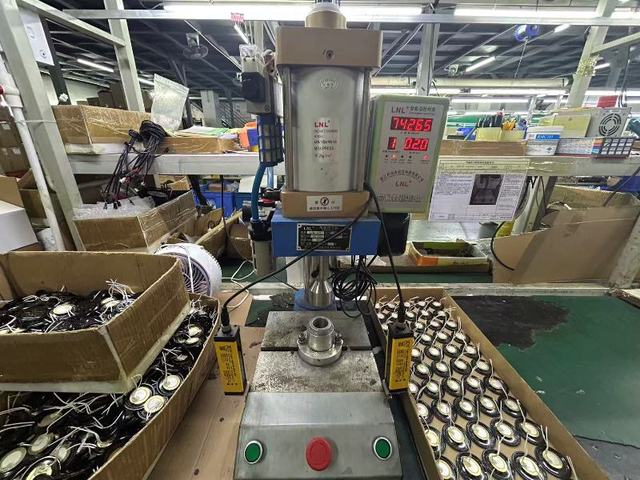
Inside our production facilities: advanced machinery, cleanrooms, and quality-testing laboratories
Hangzhou EV Light Co., Ltd. continuously invests in production automation and optical research. Our state-of-the-art facilities features SMT lines, automated optical alignment testing benches, robotic silicone adhesive application stations, and ultrasonic welding machines. Explore our production lines below:
Technical guidance for supply chain managers, engineering leads, and B2B buyers
A: All our electric vehicle lighting assemblies and electrical accessories undergo rigorous validation testing to meet global standards. We supply components carrying ECE (E-mark) markings for European markets, and DOT/SAE approvals for North America. Additionally, our factories operate under ISO 9001 and IATF 16949 quality management certifications, ensuring every shipment complies with automotive-grade tolerances.
A: Yes. We offer comprehensive OEM/ODM services. Our engineering team can develop custom components based on your 3D CAD files or performance specifications. We also offer customization of light patterns, welcome projections, mounting dimensions, cable connectors, and integrated CAN-bus drivers to fit your chassis wire harness.
A: High-power LED headlights require robust cooling systems to prevent lumen degradation. Our premium units, such as the X9 headlight series, integrate dual copper heat pipe systems combined with high-RPM silent turbo cooling fans. This design keeps junction temperatures low, ensuring long-term durability and consistent light output.
A: For standard inventory items, MOQs start as low as 10 to 50 units. For custom OEM/ODM tooling projects, MOQs vary depending on the tooling complexity. Typical lead times are 15-20 days for batch orders of standard components, and 45-60 days for fully customized design runs including mold fabrication.
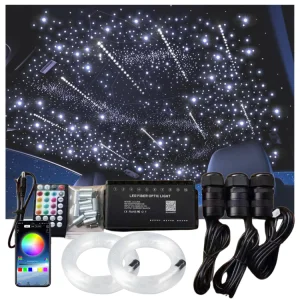
A: Yes. Our RGB and Symphony interior lighting solutions are designed to support digital signal protocols. They can be operated via localized Bluetooth app integrations or directly mapped to the vehicle's central CAN-bus, allowing cabin colors to adapt to driving modes, ambient noise, and system alerts.
A: Yes, we handle international shipping logistics. We provide full shipping documentation including Commercial Invoices, Packing Lists, Certificates of Origin, Bill of Ladings, and E-mark / DOT declarations to ensure smooth customs clearance at all global ports.
Commercial-grade power management, illumination control, and public utility fixtures
 EV Light