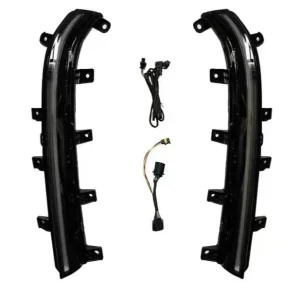
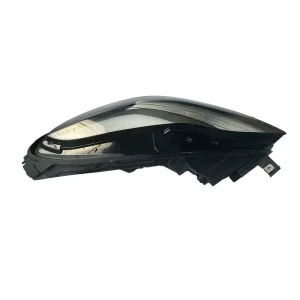
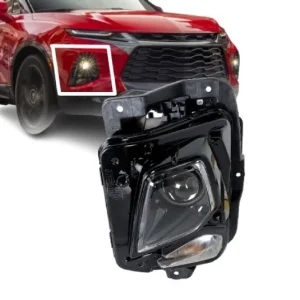
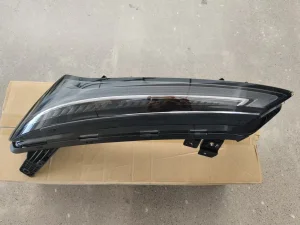
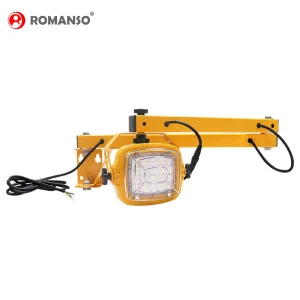
Explore our cutting-edge primary headlights, smart adaptive systems, dynamic ambient light elements, and commercial safety infrastructure engineered for next-generation electric platforms.
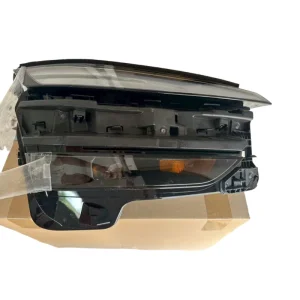
The global transition to electrification has fundamentally redefined vehicle design, powertrain configuration, and electronic network topologies. In modern Electric Vehicles (EVs) and Hybrid Electric Vehicles (HEVs), lighting has evolved from simple analog safety hardware into an active subsystem linked with Advanced Driver Assistance Systems (ADAS), state-of-charge communications, and passenger-compartment biometrics. As a premier Chinese manufacturer and global exporter, Hangzhou EV Light Co., Ltd. stands at the forefront of this industrial transformation, pioneering custom solutions that address the engineering challenges unique to electric mobility platforms.
"Modern EV lighting must achieve high photometric yield, comply with functional safety profiles, and optimize electrical loads on the vehicle's high-voltage bus architectures. Low-power, high-lumen density solid-state lighting is no longer just an aesthetic option—it is a critical range-extension factor."
Global automotive OEMs, system integrators, and distributors operate under rigorous sourcing criteria. Procurement parameters now extend beyond simple unit costs to encompass lifecycle dependability, tooling flexibility, and compliance with the functional safety frameworks mandated by ISO 26262. Key procurement demands across major regions include:
Deploying cutting-edge optical systems across diverse vehicle structures, municipal configurations, and global commercial platforms.
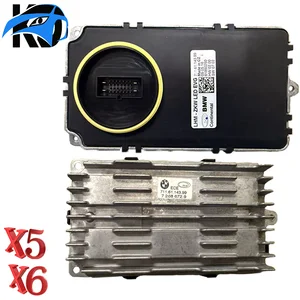
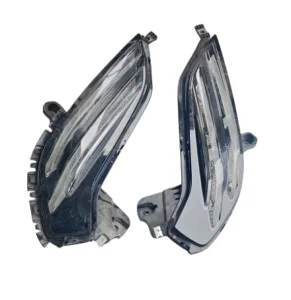
Utilizing multi-channel constant current LED drivers, our matrix systems selectively disable individual pixel blocks based on real-time camera data to prevent blinding oncoming drivers while maximizing high-beam illumination.
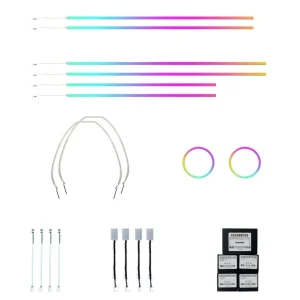
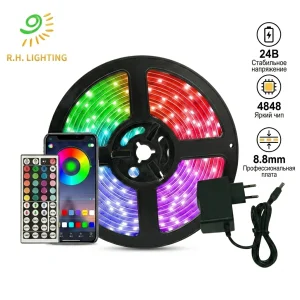
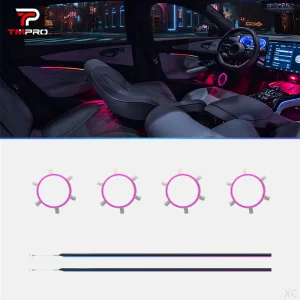
Dynamic, addressable RGB/RGBW light strips utilizing LIN-bus transceivers. These systems sync with vehicle drivestates, ADAS warnings, battery levels, and custom human-machine interfaces (HMI).
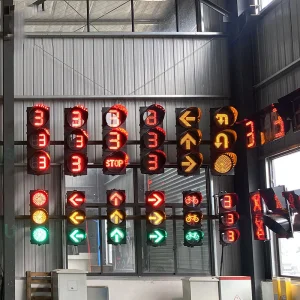
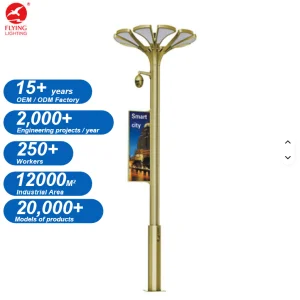
Cross-disciplinary lighting systems designed to sync with smart grids, featuring integrated EV charging stations, IP-rated CCTV signage enclosures, and customizable aluminum structural support poles.
The evolution of custom lighting solutions follows three parallel developmental vectors:
1. Optical Component Density and Laser Diodes: While high-power LEDs remain the industry standard, near-future designs incorporate laser lighting systems for high-beam functions. Laser systems can double light throw range to 600+ meters while reducing physical housing dimensions, enabling ultra-slim, low-drag aerodynamic vehicle silhouettes.
2. Optical Signaling Communication (V2X): Front-facing light assemblies are transitioning from passive safety markers into active projection units. In future autonomous-driving scenarios, high-resolution digital light processing (DLP) projections can project navigation lines, safety warnings, and pedestrian guidance directly onto the pavement, forming a vital component of Vehicle-to-Everything (V2X) visual communication networks.
3. Advanced Sustainable Polymers: In pursuit of circular manufacturing goals, our material development focuses on replacing petroleum-derived polycarbonates with bio-derived, high-transmittance polymers that offer excellent UV yellowing resistance, high scratch resistance, and low carbon footprints during injection molding.
Hangzhou EV Light Co., Ltd. is a professional China electric vehicle lighting manufacturer specializing in EV LED lighting and smart automotive lighting solutions for the rapidly evolving new energy vehicle industry. With a strong commitment to innovation, performance, and reliability, we provide advanced lighting technologies that enhance vehicle safety, energy efficiency, functionality, and visual appeal.
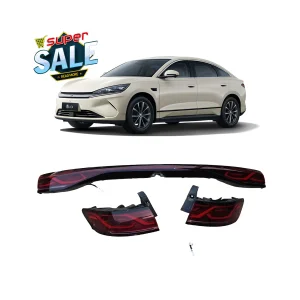
Our product portfolio includes EV headlight systems, taillight assemblies, daytime running lights, signal lighting, interior ambient lighting, charging status indicators, smart lighting modules, and customized automotive lighting solutions. Designed to meet the requirements of modern electric vehicles, our products are widely used in passenger EVs, commercial electric vehicles, electric buses, electric motorcycles, electric scooters, and emerging smart mobility applications.
At Hangzhou EV Light, we combine advanced engineering expertise with modern manufacturing capabilities to develop lighting solutions that deliver superior brightness, durability, and energy efficiency. Our experienced research and development team continuously explores new technologies in intelligent lighting control, adaptive lighting systems, LED integration, and automotive electronics to support the future of electric transportation.
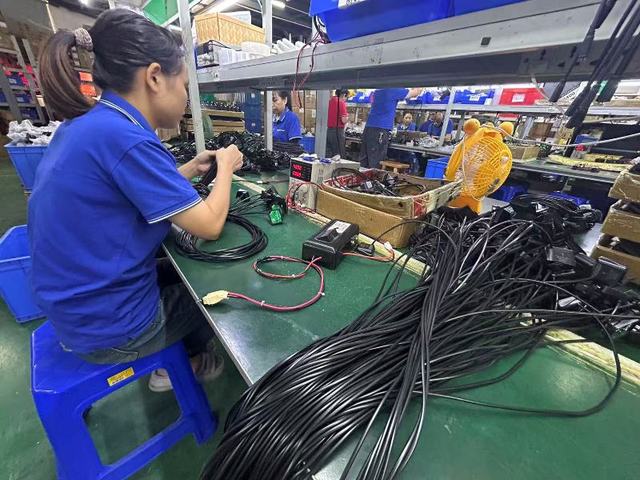
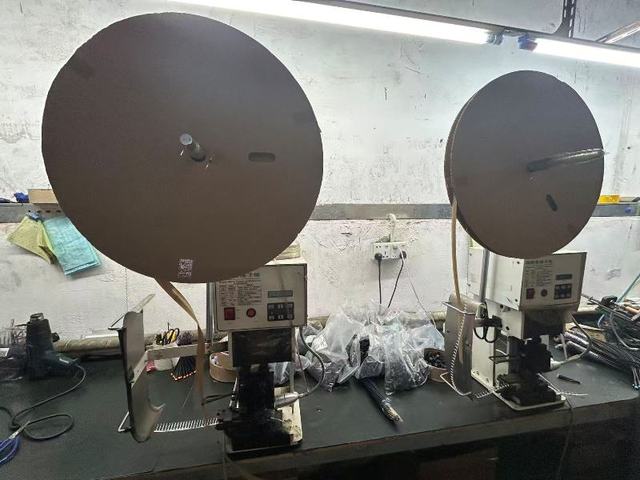
Quality is at the core of our operations. From component sourcing and product development to production and final testing, every stage follows strict quality management procedures to ensure consistent performance and compliance with international automotive standards. Our manufacturing facility is equipped with advanced production and testing equipment, enabling us to provide reliable products for demanding automotive environments.
We offer comprehensive OEM and ODM services for vehicle manufacturers, automotive suppliers, distributors, and mobility brands worldwide. Whether customers require customized designs, private-label production, or large-scale manufacturing, our flexible production capabilities support projects of various sizes and specifications.
Serving clients across North America, Europe, Southeast Asia, the Middle East, and other global markets, Hangzhou EV Light Co., Ltd. is dedicated to delivering innovative electric vehicle lighting solutions that contribute to safer, smarter, and more sustainable transportation. Our mission is to become a trusted global partner in advanced automotive lighting technology and smart mobility innovation.
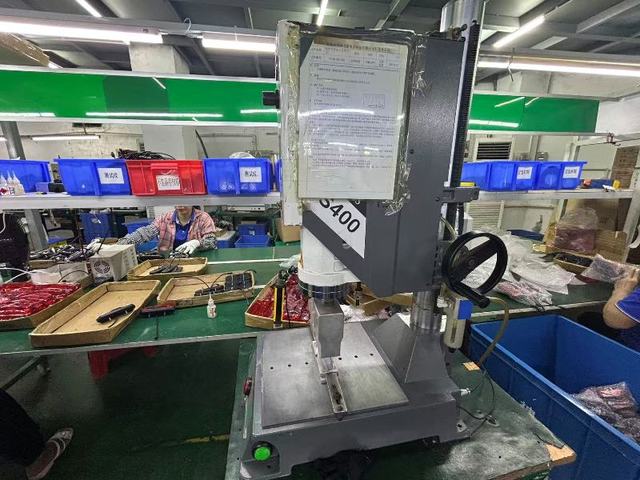
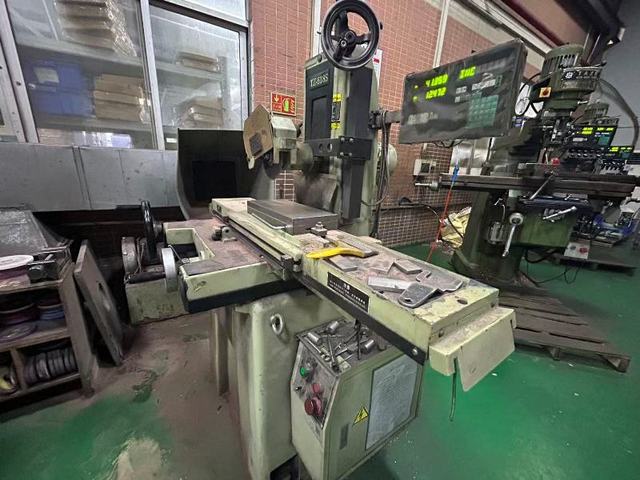
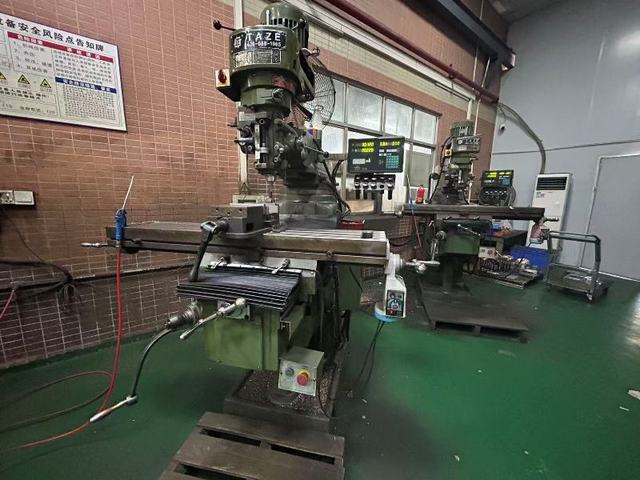
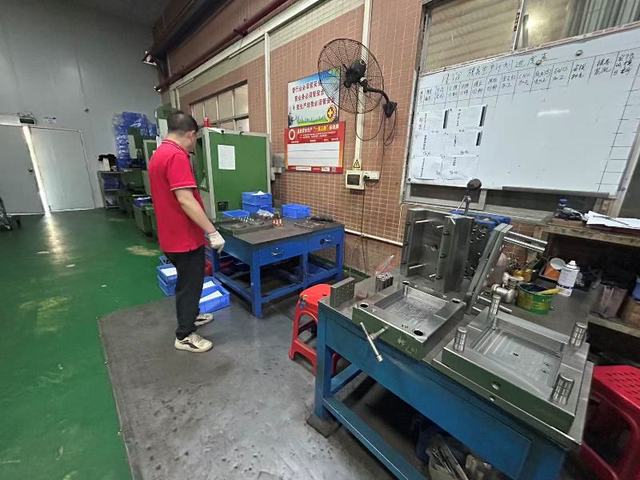
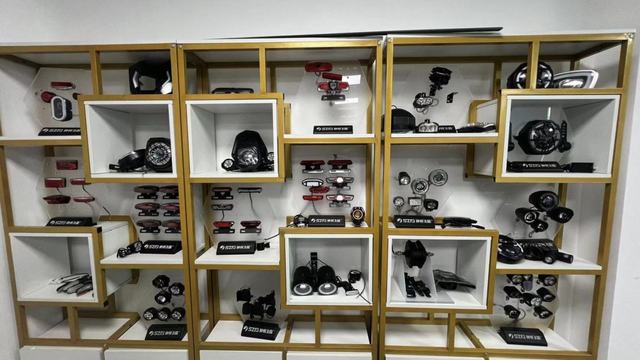
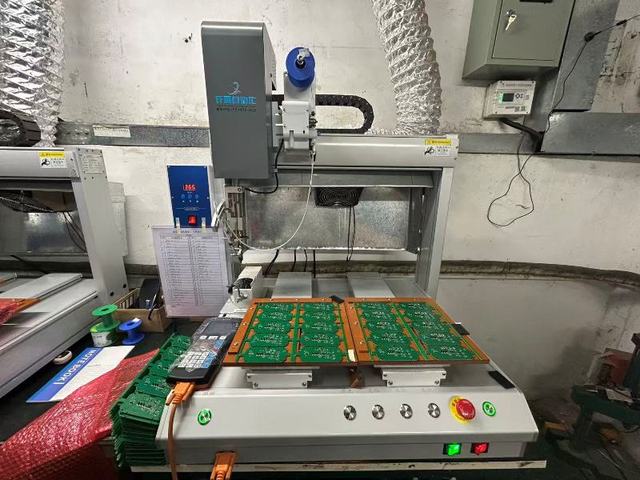
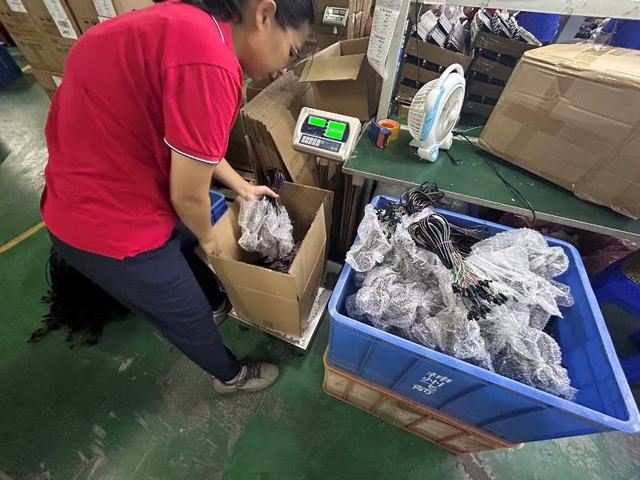
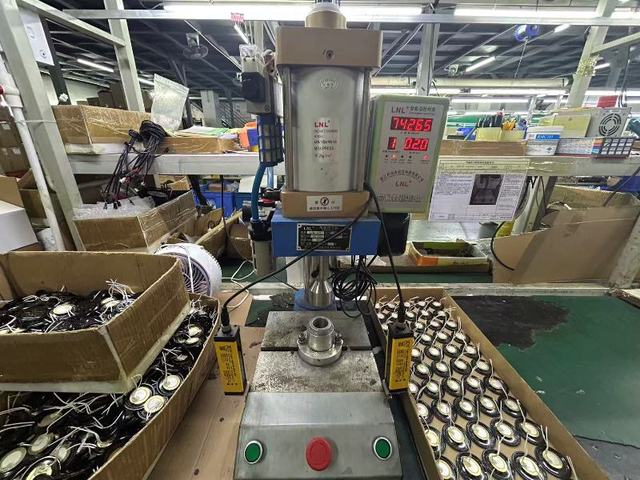
Exporting automotive electrical components globally requires strict adherence to localized safety frameworks and certification systems. Hangzhou EV Light Co., Ltd. conducts comprehensive structural and optical compliance tests at every phase of development:
ECE & DOT Compliance: Headlamps destined for Europe must carry the E-Mark certificate (demonstrating compliance with UN regulations like R112, R128, and R149). Products bound for the United States must strictly adhere to the FMVSS 108 standards mandated by the Department of Transportation (DOT), governing luminous intensity distributions, lens materials, and weatherproofing capabilities.
Ingress Protection & Environmental Stress Testing: To withstand diverse driving conditions, our exterior lighting enclosures undergo dust ingress and high-pressure hot water spray tests to meet IP67 and IP69K ratings. Assemblies are further tested in computerized environmental chambers for thermal shock resistance from -40°C to +105°C and long-term relative humidity resilience.
Get professional, engineering-level insights regarding custom integration, order volumes, and regulatory compliance.
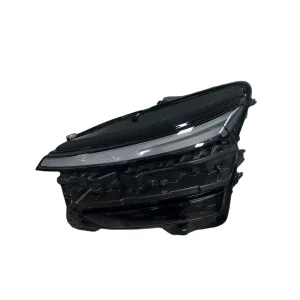
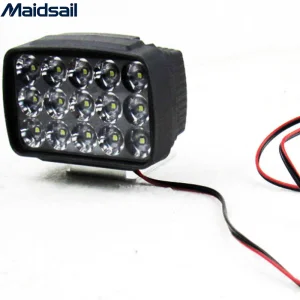
A comprehensive showcase of lighting assemblies, controllers, and industrial hardware designed to support international vehicle systems and municipal layouts.
 EV Light