EV Light
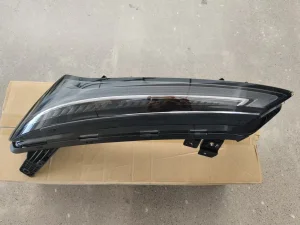
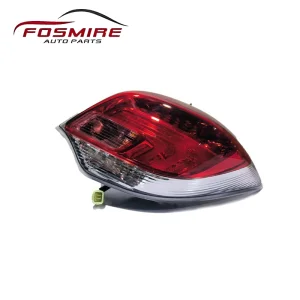
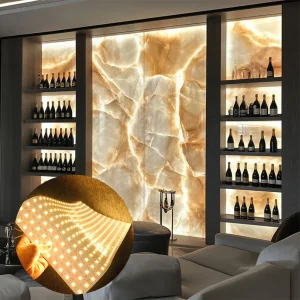
Whitepaper: Engineering Next-Generation EV Road Safety & Intelligent Automotive Lighting Systems
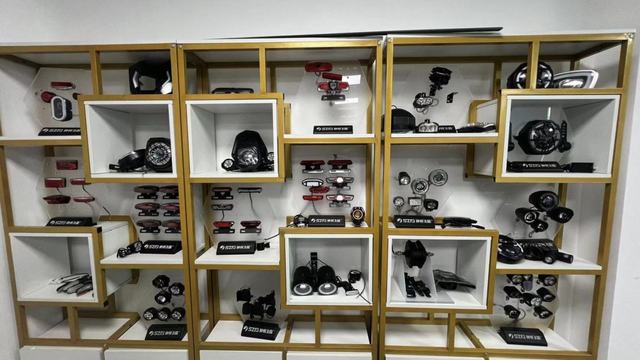
In the transition toward sustainable transport, the electric vehicle (EV) sector is undergoing rapid technological development. While powertrain electrification, battery chemistry, and autonomous driving architectures remain central to industry discussions, the engineering of specialized **EV road safety lighting systems** represents a critical safety domain. Hangzhou EV Light Co., Ltd., as an experienced China electric vehicle lighting manufacturer, is at the forefront of this sector, delivering highly customized OEM/ODM lighting solutions that meet strict safety, energy conservation, and system integration demands.
"Modern automotive lighting has evolved from a basic nighttime illumination tool into a critical smart signaling terminal. In the EV ecosystem, lights must actively communicate with pedestrians, read ADAS sensors, and conserve energy to maximize range."
1. Global EV Road Safety Lighting Industry Landscape & Regulatory Trends
The global automotive lighting market is transitioning from conventional halogen and Xenon architectures to semiconductor-based solid-state lighting (SSL) technologies, specifically high-efficiency LEDs and Micro-LEDs. For electric vehicles, this change is driven by safety standards and energy constraints. Regulatory frameworks, such as the United Nations Economic Commission for Europe (UN ECE) regulations (e.g., ECE R149 for road illumination devices) and the Federal Motor Vehicle Safety Standards (FMVSS 108) in the United States, enforce strict requirements regarding luminous flux distribution, beam patterns, and electromagnetic compliance (EMC).
Concurrently, the growth of new energy vehicles has created new lighting requirements. Headlamp assemblies must deliver high optical clarity while managing the electrical properties of high-voltage battery systems. Because internal combustion engines (ICE) rely on alternator-generated power, they do not face the same strict power consumption constraints as EVs, where every watt saved directly extends battery range. Designing energy-efficient lighting systems that deliver maximum lumens per watt (lm/W) has become a primary engineering objective for Tier 1 suppliers and OEMs globally.
2. Core Advantages of Chinese OEM/ODM Manufacturing Excellence
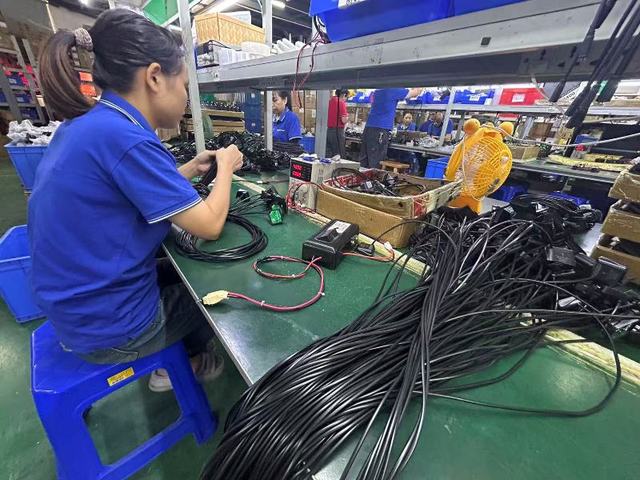
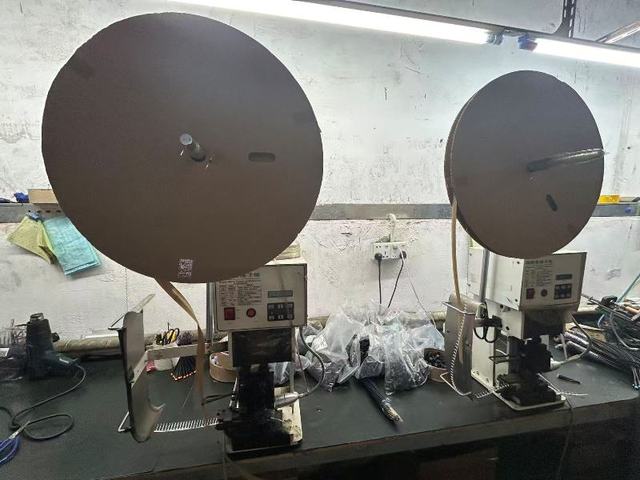
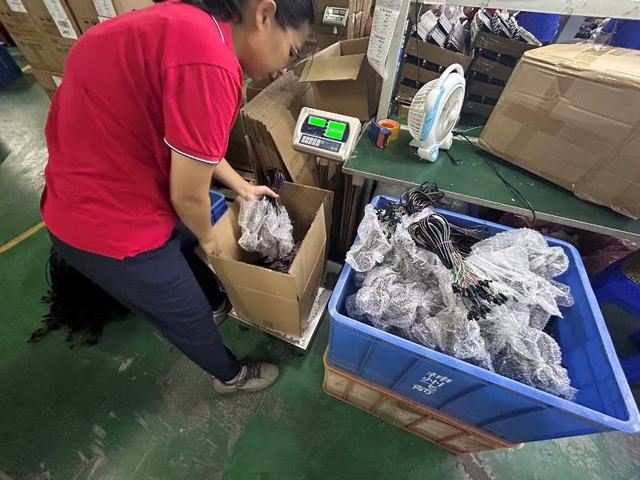
China has established a comprehensive manufacturing ecosystem for automotive lighting, particularly in industrial hubs like Zhejiang. By leveraging these regional supply chains, Hangzhou EV Light Co., Ltd. integrates component sourcing, precision tooling, cleanroom electronics assembly, and optical testing to optimize production efficiency and quality control.
Advanced SMT & Electronics Production
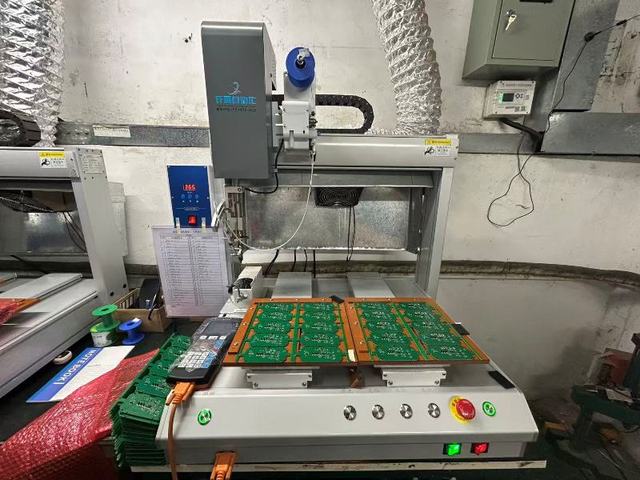
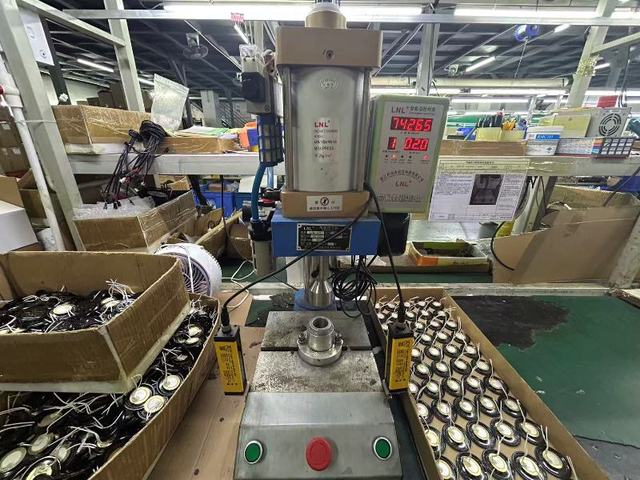
Our surface mount technology (SMT) lines process high-density, multi-layer circuit boards (PCBs) with precise control over component placement and thermal interface material application, preventing heat buildup in high-power LEDs.
Automated Testing & QA Compliance
Each batch of lights undergoes Automated Optical Inspection (AOI), goniophotometric distribution testing, and environmental simulation (thermal cycling, humidity, ingress protection, vibration) to ensure reliability.
Flexible Tooling & Rapid Prototyping
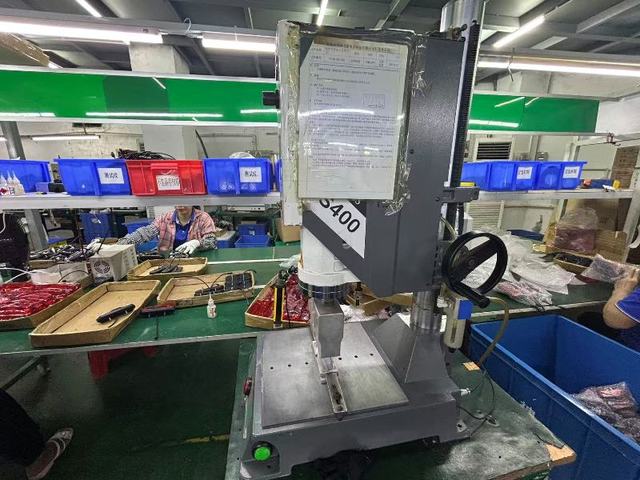
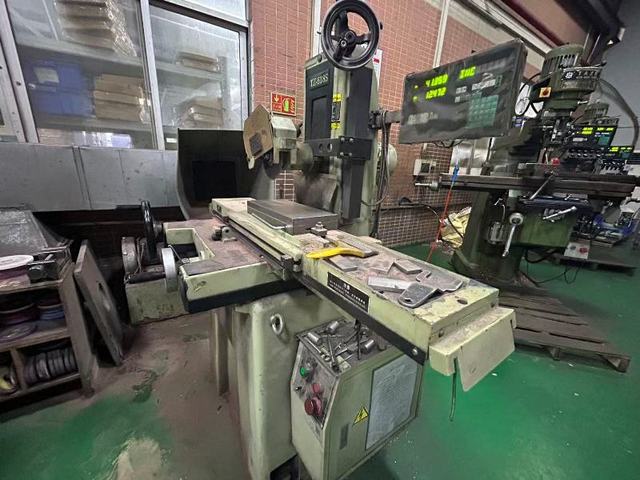
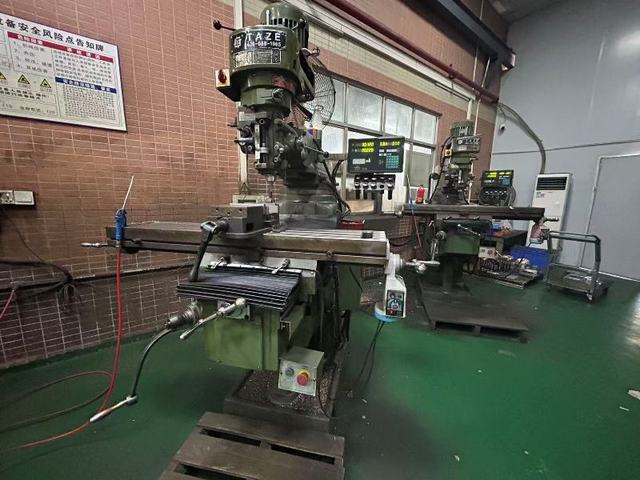
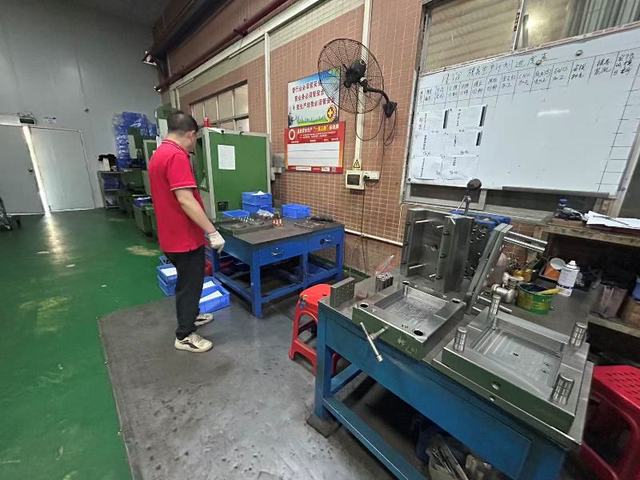
Our injection molding capabilities enable rapid prototyping for custom headlight bezels and optical lenses, shortening development times for new vehicle models from concept to final SOP.
3. Localized Applications & Smart Integration Scenarios
EV lighting designs must adapt to the environmental and operational challenges of different markets. From sub-zero northern climates to humid tropical environments, lighting fixtures require tailored engineering adjustments:
| Vehicle Class / Application | Environmental Challenge | Technical Design Requirements |
|---|---|---|
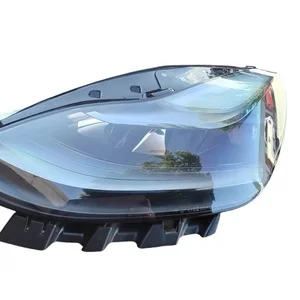
| Passenger EVs (BYD, Tesla, Geely replacements) | Highway speeds, changing ambient light, high heat. | Adaptive Front-lighting Systems (AFS), intelligent dimming, thermal dissipation structures, UV-stabilized hard-coated polycarbonate lenses. |
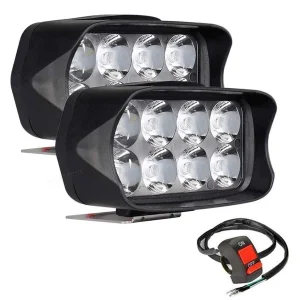
| Urban Two-Wheelers & E-Bikes | Frequent vibration, wet city roads, limited onboard power. | Highly compact assemblies with wide input voltage compatibility (12V–72V DC), high vibration resistance, and wide-angle beam optics. |
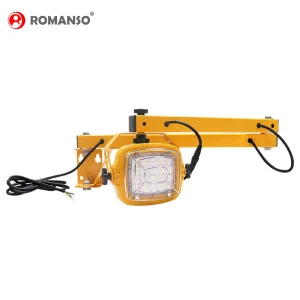
| Commercial & Heavy Machinery (Tractors, Docks) | Dust, mud, chemical exposures, continuous operation. | Heavy-duty aluminum die-cast housings, IP69K sealing rating, high-power LED drivers, and impact-resistant lenses. |
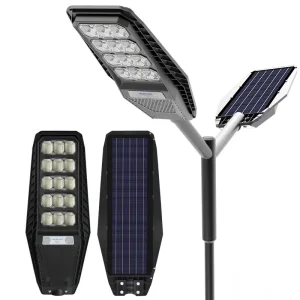
| Solar Powered Infrastructure & Streetlights | Off-grid locations, zero maintenance, extreme weather. | IP67 weatherproof enclosures, integrated MPPT solar chargers, low standby current consumption, and optical lenses designed for path safety. |
4. Technical Trends: The Convergence of AI and Automotive Photonics
The automotive lighting industry is shifting toward smart, interactive systems. Future safety lighting will move beyond basic static illumination to become dynamic communication channels between the vehicle and its environment:
Adaptive Driving Beam (ADB): Real-time ADAS camera integration allows modern LED headlight matrices to dynamically adjust their light patterns, shading oncoming vehicles to prevent glare while maintaining full illumination elsewhere.
CAN-bus & LIN-bus Protocols: Seamless communication between lighting modules and the central vehicle domain controller is essential. Intelligent tail lights and daytime running lights (DRLs) indicate charging levels, vehicle diagnostics, and autonomous mode status through dynamic illumination patterns.
Advanced Thermal Dissipation: High-density LEDs generate localized heat, which can degrade light output over time. Engineers utilize copper core PCBs, vapor chambers, and heat dissipation materials to maintain stable junction temperatures without the need for noisy or power-hungry mechanical fans.
5. Strategic B2B Sourcing Guide for Automotive Buyers
When sourcing B2B electric vehicle lighting, procurement teams must look beyond unit costs. Developing partnerships with manufacturers that prioritize quality assurance and design support is key to ensuring long-term program success:
Ensure your supplier utilizes advanced test equipment, such as goniophotometers for optical validation, integrating spheres for luminous flux measurements, and environmental chambers for ingress and vibration testing. Choosing partners with dedicated engineering teams helps ensure fast prototyping and reliable product validation, minimizing assembly reworks and safety recalls.