Explore our core portfolio of certified electric vehicle auxiliary headlights, interior ambient systems, and heavy-duty signal arrays engineered for Tier-1 deployment.
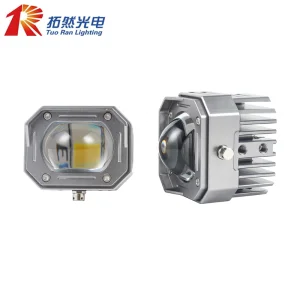
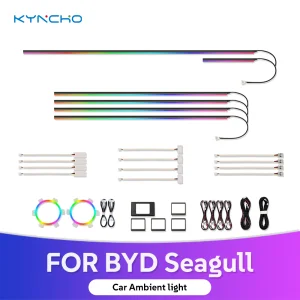
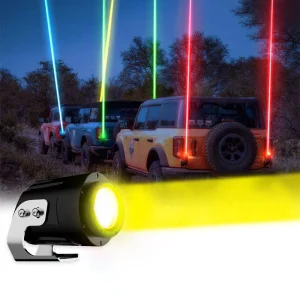
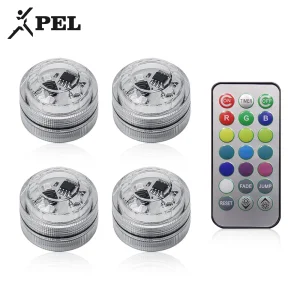
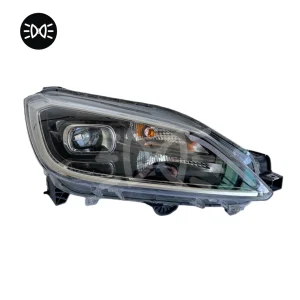
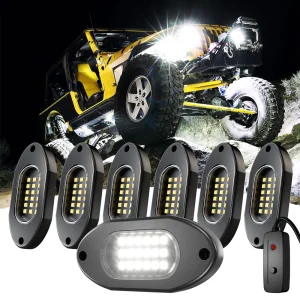
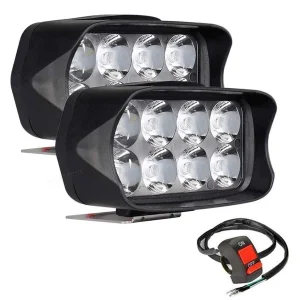
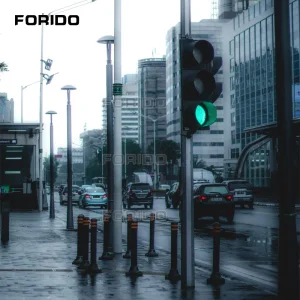
In the automotive sector, lighting is no longer just a passive utility to pierce through darkness. In the context of Electric Vehicles (EVs) and autonomous transport, lighting functions as an extension of the vehicle's electronic ecosystem, a conduit for digital communication, and a key factor in thermal-to-electric efficiency. Hangzhou EV Light Co., Ltd. is a leading China electric vehicle lighting manufacturer, focusing on EV LED lighting and smart automotive lighting solutions for the rapidly evolving new energy vehicle industry.
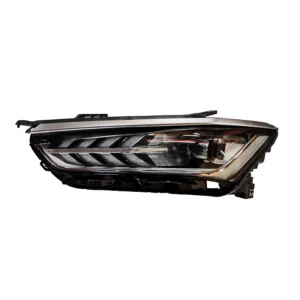
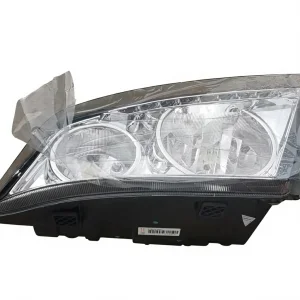
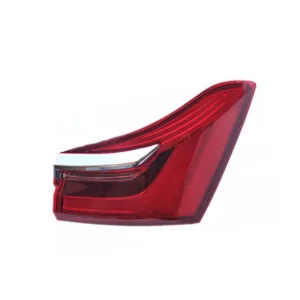
With our commitment to technical innovation and engineering reliability, we provide advanced lighting systems that enhance vehicle safety, energy efficiency, functionality, and visual design. Our comprehensive product portfolio includes EV headlight systems, taillight assemblies, daytime running lights, signal lighting, interior ambient lighting, charging status indicators, smart lighting modules, and customized solutions. Designed to meet the requirements of modern electric vehicles, our systems are deployed in passenger EVs, commercial electric vehicles, electric buses, electric motorcycles, electric scooters, and emerging smart mobility applications.
By combining electrical, optical, and thermal engineering, we design systems that deliver optimal brightness, durability, and energy efficiency. Our experienced R&D team explores new configurations in intelligent lighting control, adaptive lighting systems, LED integration, and automotive electronics to support the future of global electric transportation. Quality is central to our operations: from component sourcing and product development to production and final optical testing, every stage follows structured quality management procedures to ensure compliance with international automotive standards.
The global market for electric vehicle lighting systems is expanding. As automotive manufacturers transition away from internal combustion engines (ICE), the electrical architecture of vehicles is shifting to high-voltage platforms (400V to 800V). In legacy architectures, lighting drew power from standard 12V lead-acid batteries, with efficiency being a secondary consideration. Modern EVs, however, optimize every watt of power to maximize range. A typical halogen system drawing 110W per pair is no longer viable; modern solid-state LED systems reduce this draw to under 30W while increasing lumen output and beam pattern precision.
Furthermore, the aesthetic requirements of EVs have changed. Without the traditional front grille, automakers utilize light bars, illuminated logos, and dynamic matrix headlights to establish brand identity. Dynamic lighting—ranging from sequential turn indicators to welcome sequences and exterior state-of-charge projections—has transitioned from premium models to entry-level passenger vehicles. According to industry analysis, the demand for dynamic and adaptive lighting is expected to grow at a CAGR of 12.4% over the next decade, driven by regulatory updates for safety and the integration of ADAS (Advanced Driver Assistance Systems).
"Dynamic EV lighting is a safety-critical system. The integration of high-density LED arrays with microcontrollers allows real-time beam shaping, protecting oncoming motorists while projecting directional light paths onto the road."
Establishing Hangzhou, China, as our primary manufacturing hub offers significant supply-chain advantages. The regional tech cluster provides access to high-precision SMT (Surface Mount Technology) assembly lines, silicon wafer packaging facilities, and automotive-grade optical polycarbonate suppliers. This integration reduces transportation overheads and lead times.
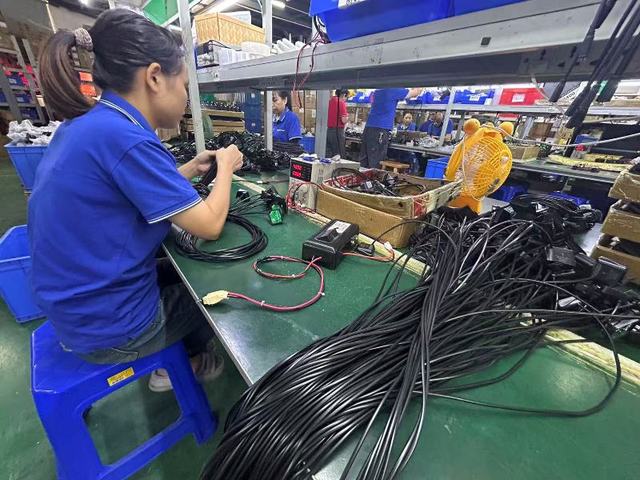
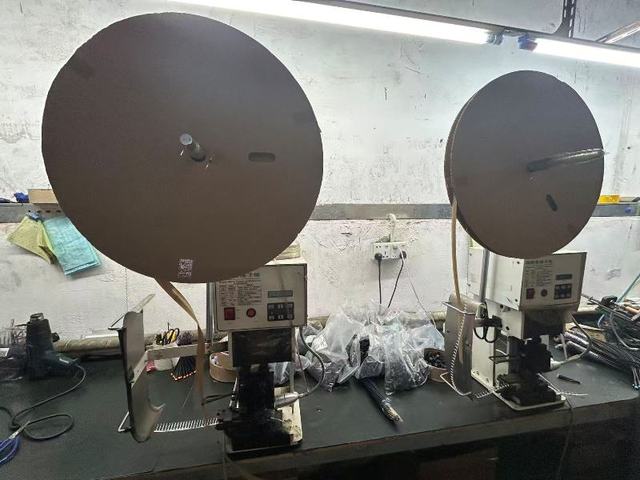
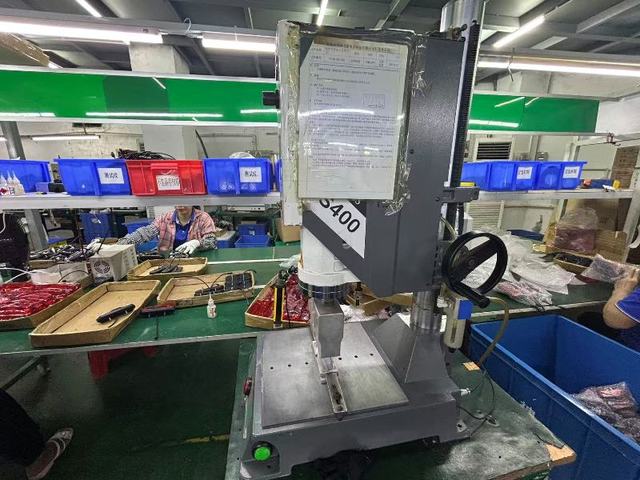
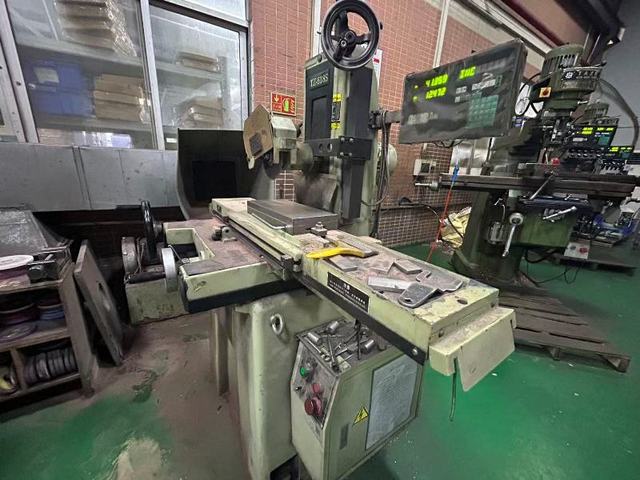
Our facility uses automated pick-and-place lines, cleanrooms, and testing setups. In-house capabilities include:
Placement of automotive-grade LEDs on metal-core PCBs (MCPCB) for optimal thermal dissipation and electrical continuity.
Use of goniophotometers and integrating spheres to map luminous flux, candela distribution, and chromaticity coordinates.
Vertical integration allows us to offer OEM solutions with lower tooling costs and shorter development cycles.
This manufacturing setup enables rapid prototyping. While traditional design-to-production cycles in Western markets can exceed 18 months, our engineering team in Hangzhou can deliver functional prototypes in under 8 weeks. This allows global EV brands to align their design cycles with rapid software and platform development.
A major challenge in automotive lighting supply is ensuring regulatory compliance across different markets. A light system designed for domestic use in China (under GB standards) cannot be directly exported to North America without meeting FMVSS (Federal Motor Vehicle Safety Standards) 108, or to Europe without achieving ECE (Economic Commission for Europe) Type Approval.
At Hangzhou EV Light, we design all systems to meet regional requirements:
Our products undergo testing for environmental resistance, including thermal cycling from -40°C to +105°C, salt spray corrosion test protocols (ASTM B117), dust ingress simulation (ISO 20653), and high-pressure washdowns (IP69K testing).
Understanding that lighting defines a vehicle’s signature, our OEM/ODM division offers custom engineering services. Our development process follows five phases:
Inside Hangzhou EV Light Co., Ltd.: Standardized SMT cleanrooms, precision injection molding, and optical verification processes.
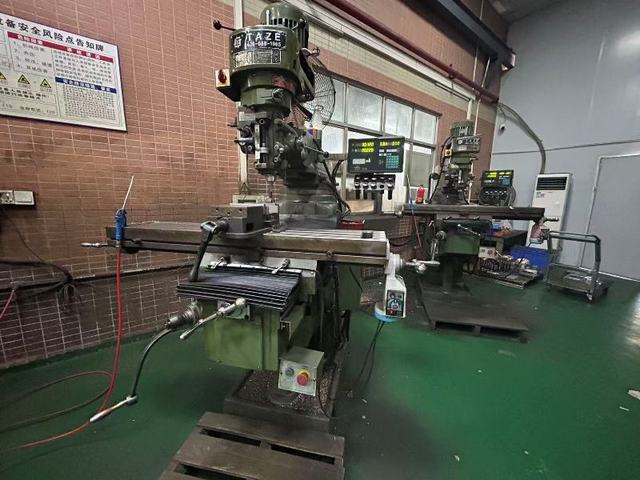
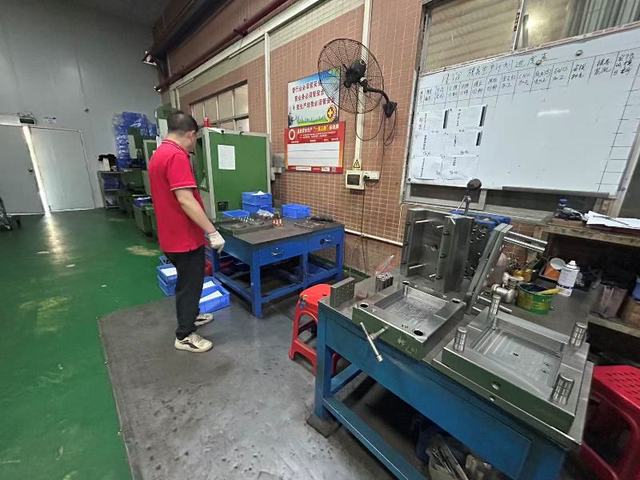
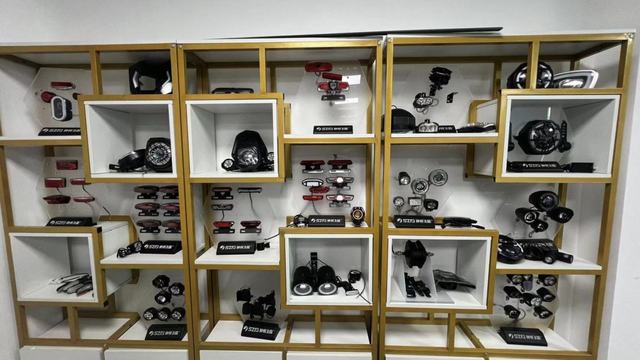
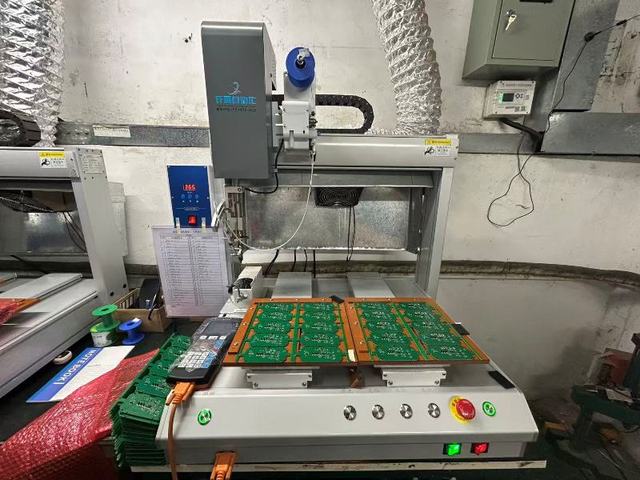
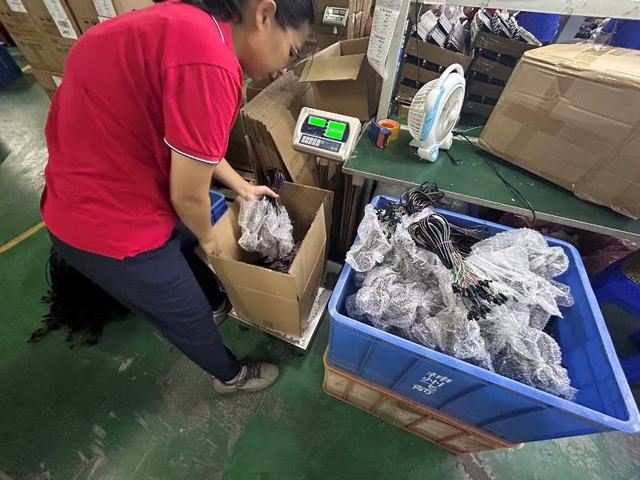
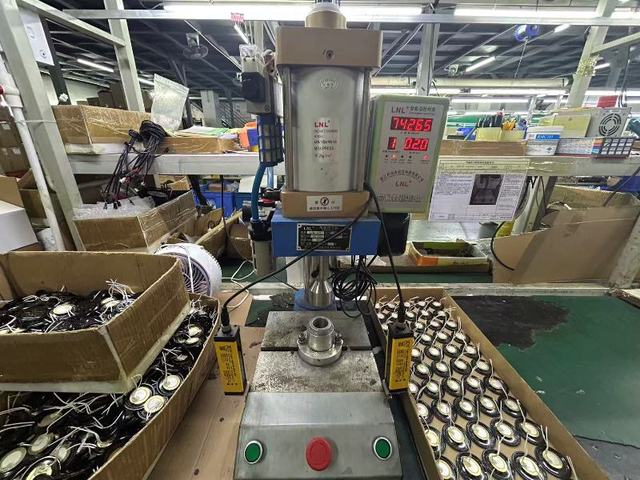
Looking forward, electric vehicle lighting is moving toward high-definition projection and software-defined architectures. Adaptive Driving Beams (ADB) utilizing micro-LED matrix technologies containing thousands of individually addressable pixels are transitioning from luxury sedans to high-volume commuter models. This technology allows headlamps to project symbols onto the road surface—such as navigation arrows, construction warnings, and pedestrian crosswalk indicators.
Rear lighting is also shifting toward digital OLED technology, offering high contrast and flexibility. This enables customizable tail signatures, variable graphics, and dynamic safety alerts to warn tailgating vehicles.
Simultaneously, the integration of radar, LiDAR, and camera optics into headlight housings is a growing trend. This simplifies front-end styling and centralizes the sensor cluster. Thermal management is critical in these configurations, as heat from high-output LED matrices can impact sensor calibration. Hangzhou EV Light resolves this through advanced thermal simulation, employing phase-change interface materials and active liquid cooling channels in our high-power systems.
Technical responses for procurement directors, product managers, and engineering leads regarding our custom OEM lighting capabilities.
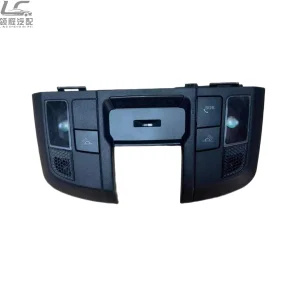
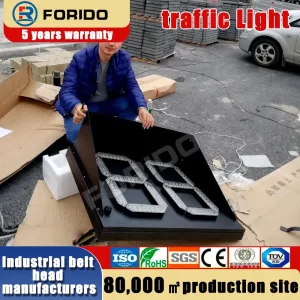
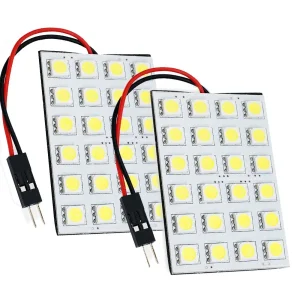
Browse our specialty application vehicle components, interior dome assemblies, and heavy commercial vehicle lighting systems.

 EV Light