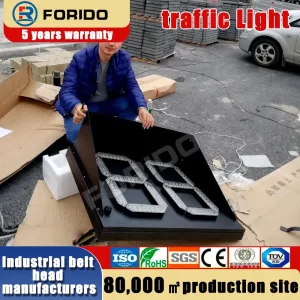
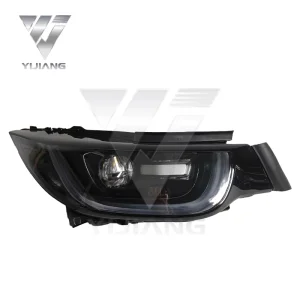
Explore our state-of-the-art visual communication, exterior lighting architectures, and performance styling systems designed for the global electric vehicle infrastructure.
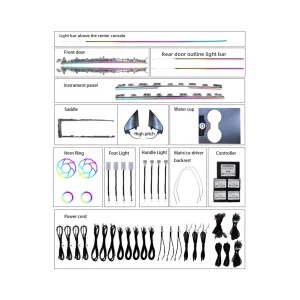
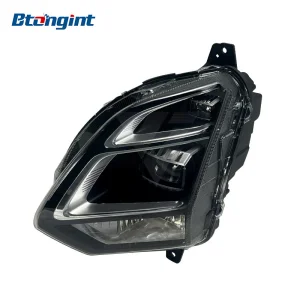
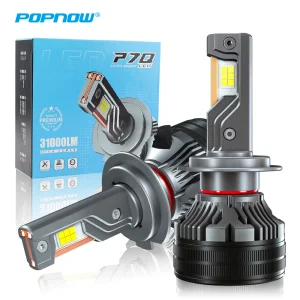
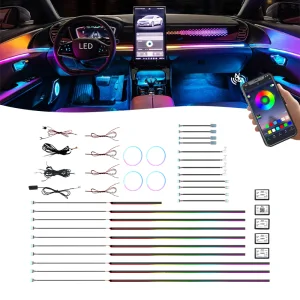
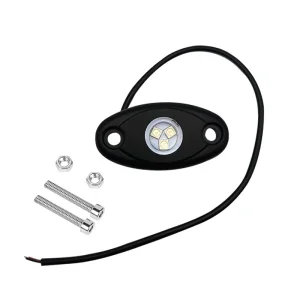
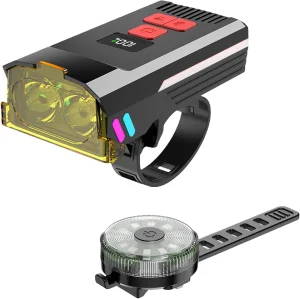
Hangzhou EV Light Co., Ltd. is a professional China electric vehicle lighting manufacturer specializing in EV LED lighting and smart automotive lighting solutions for the rapidly evolving new energy vehicle industry. With a strong commitment to innovation, performance, and reliability, we provide advanced lighting technologies that enhance vehicle safety, energy efficiency, functionality, and visual appeal.
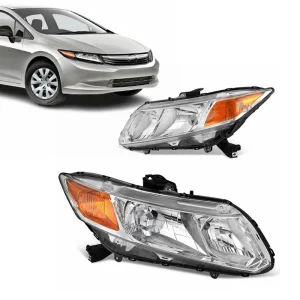
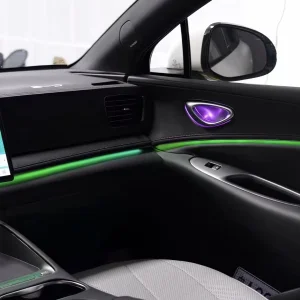
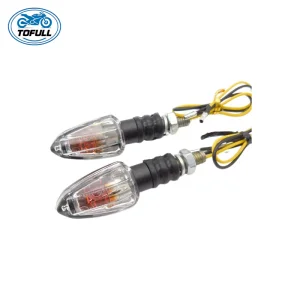
Our product portfolio includes EV headlight systems, taillight assemblies, daytime running lights, signal lighting, interior ambient lighting, charging status indicators, smart lighting modules, and customized automotive lighting solutions. Designed to meet the requirements of modern electric vehicles, our products are widely used in passenger EVs, commercial electric vehicles, electric buses, electric motorcycles, electric scooters, and emerging smart mobility applications.
At Hangzhou EV Light, we combine advanced engineering expertise with modern manufacturing capabilities to develop lighting solutions that deliver superior brightness, durability, and energy efficiency. Our experienced research and development team continuously explores new technologies in intelligent lighting control, adaptive lighting systems, LED integration, and automotive electronics to support the future of electric transportation.
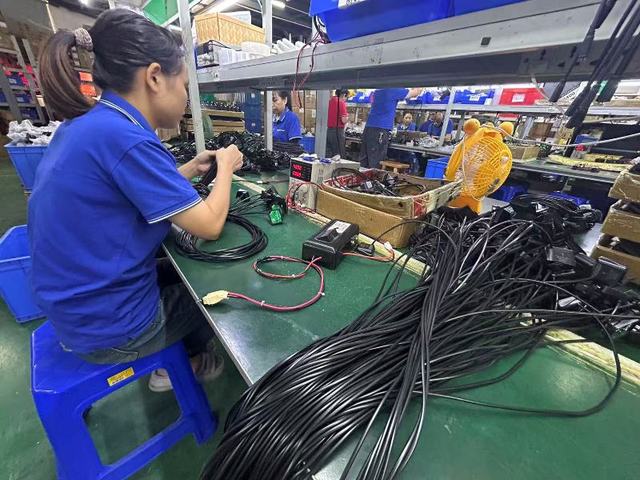
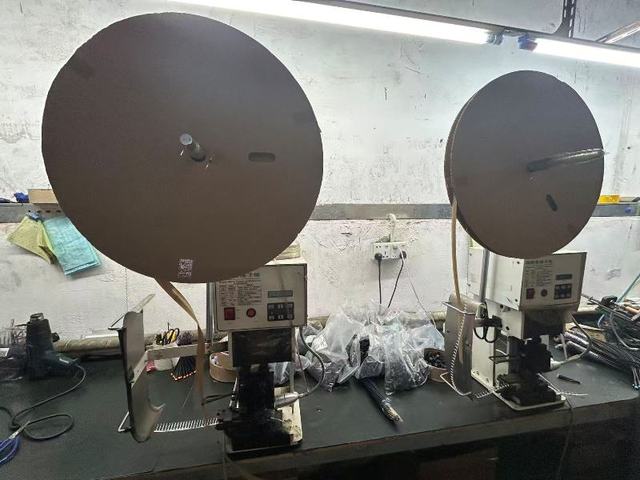
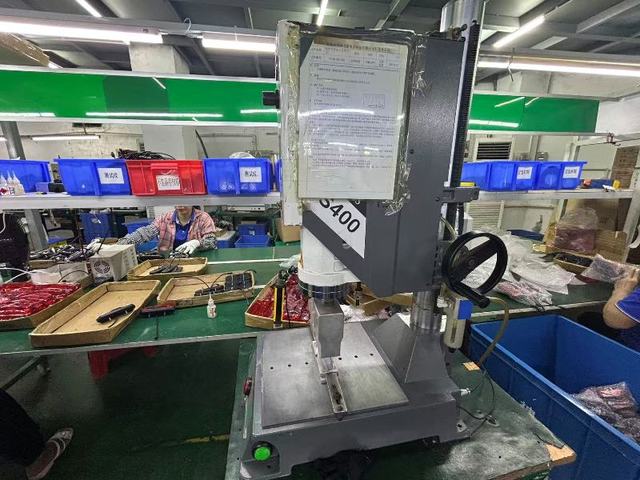
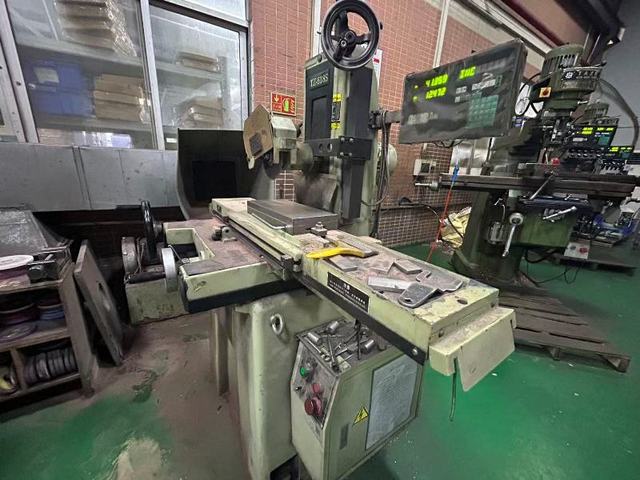
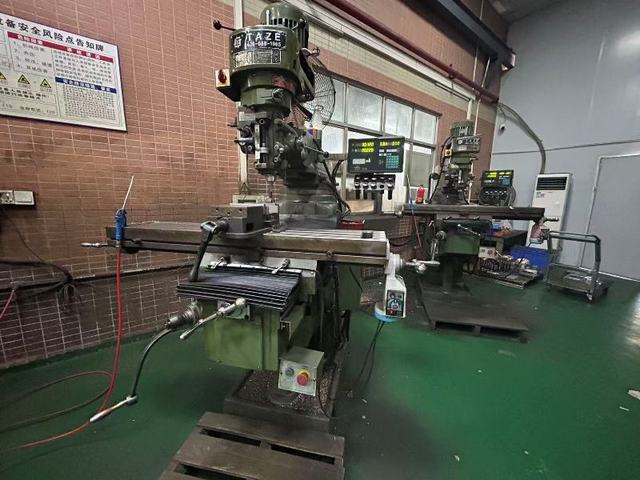
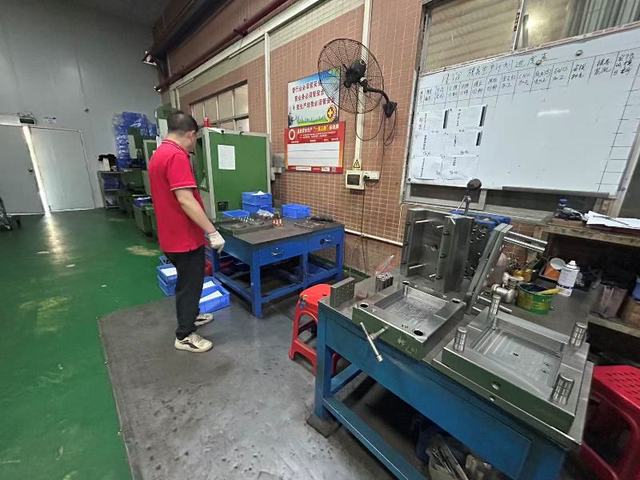
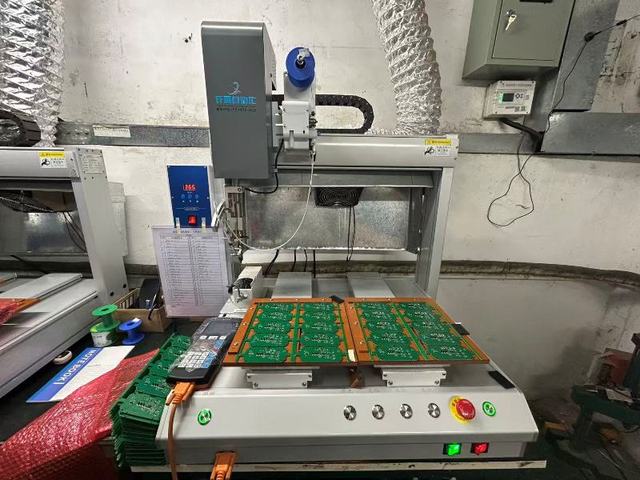
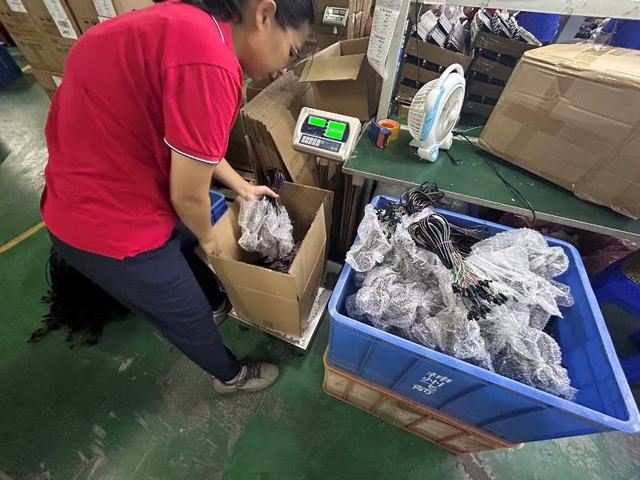
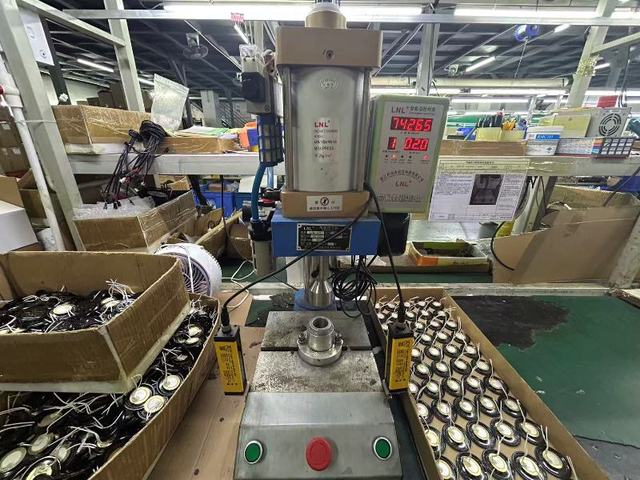
Quality is at the core of our operations. From component sourcing and product development to production and final testing, every stage follows strict quality management procedures to ensure consistent performance and compliance with international automotive standards. Our manufacturing facility is equipped with advanced production and testing equipment, enabling us to provide reliable products for demanding automotive environments.
Engineered to pass global Tier-1 automotive qualification and reliability stress tests.
Analyzing market-driving factors, the integration of advanced sensors, and the evolving regulations governing automotive lighting globally.
The global shift toward battery electric vehicles (BEVs) has redefined tail lamp integration. Modern architectures leverage low-power LED matrices and thin-profile OLED units to minimize parasitic power draw from the auxiliary battery, maximizing driving range and thermal efficiency.
OEM brands leverage unique lighting signatures as their primary design differentiator. Continuous light bars, customized greeting sequences, dynamic welcome animations, and complex 3D-effect light guides help electric vehicles establish an recognizable brand identity in a crowded market.
Navigating global compliance standards is critical for international distribution. Manufacturers must meet both ECE (European Regulation 148) for sequential and functional illumination limits and FMVSS 108 (US Standard) detailing strict mechanical surface area constraints.
A deep dive into the engineering, electronics, communication layers, and thermal management paradigms of intelligent automotive illumination.
Modern rear lighting configurations have moved beyond simple on/off relays. Smart tail lights utilize dedicated constant-current multichannel LED drivers controlled by localized 32-bit Microcontroller Units (MCUs). These integrated circuits implement Pulse Width Modulation (PWM) to regulate brightness dynamically across thousands of segments, allowing smooth animations and adaptive luminance adjustment depending on ambient conditions (night, rain, fog).
Smart tail lights act as active network nodes on the vehicle's communication bus. Integrated transceivers for Controller Area Network (CAN, CAN-FD) or Local Interconnect Network (LIN) allow the tail light assembly to communicate directly with the Body Control Module (BCM) and Advanced Driver Assistance Systems (ADAS). This enables the tail light to change behavior based on real-time vehicle telemetry—such as flash rate changes during sudden ABS-level deceleration.
To ensure the semiconductor components meet a 15-year automotive lifespan, thermal design is paramount. High-power LED setups utilize premium Metal Core PCBs (MCPCBs) paired with high-conductivity thermal interface materials (TIM) and custom-molded aluminum heat sinks. Advanced units also incorporate built-in thermal NTC thermistors to monitor localized temperatures and trigger diagnostic "derating" algorithms if thermal thresholds are breached.
Our engineered optical designs use internal reflection and advanced micro-lens arrays to convert point-source LED light into homogeneous illumination surfaces.
How customized smart tail light applications solve critical regulatory, styling, and functional challenges across global markets.
Our solutions for heavy commercial electric vehicles incorporate high-intensity, modular light bars that comply with both DOT (Department of Transportation) requirements in North America and E-Mark standards in Europe. Equipped with integrated shock-absorption mountings, these assemblies withstand continuous heavy-duty industrial use.
For Level 4 and Level 5 autonomous passenger shuttles, the smart tail light functions as a communication display. It utilizes integrated dot-matrix screens to project text signs or symbolic representations to pedestrians and manually-driven cars, showing indications such as "YIELDING" or "CHARGING STATUS".
Smart tail light technology designed for high-end electric scooters and mountain bikes. These compact, waterproof, rechargeable systems feature micro-gyroscope-driven automatic brake light activation. Even without physical brake wire connections, they detect decel and trigger immediate warnings to trailing traffic.
The development timeline and upcoming optical technologies driving the next generation of automotive illumination.
Integration of multi-channel LED drivers and LIN transceivers directly into the rear lamp assembly. This phase eliminated heavy wire harnesses and introduced sequential dynamic turn indicators, personalized greeting modes, and custom startup behaviors.
Transition from point-source LEDs to micro-organic light-emitting diodes (OLEDs). These thin-film elements provide absolute color saturation, high contrast, and zero glare, creating sharp contrast configurations without deep optical reflectors.
Integrating micro-projectors (DMD or laser diodes) into the rear tail lamp housing to project warnings directly onto the pavement behind the car. In parallel, utilizing smart glass technology to turn the entire rear glass panel into an interactive auxiliary tail light.
Technical and regulatory answers regarding smart tail light deployment, design compliance, and custom integration.
We operate modern automotive manufacturing facilities, utilizing advanced optical assembly lines, testing chambers, and precision verification equipment.
We offer comprehensive OEM and ODM services for vehicle manufacturers, automotive suppliers, distributors, and mobility brands worldwide. Whether customers require customized designs, private-label production, or large-scale manufacturing, our flexible production capabilities support projects of various sizes and specifications.
Serving clients across North America, Europe, Southeast Asia, the Middle East, and other global markets, Hangzhou EV Light Co., Ltd. is dedicated to delivering innovative electric vehicle lighting solutions that contribute to safer, smarter, and more sustainable transportation. Our mission is to become a trusted global partner in advanced automotive lighting technology and smart mobility innovation.
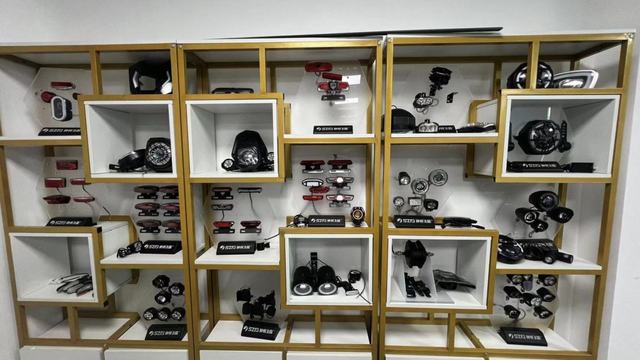
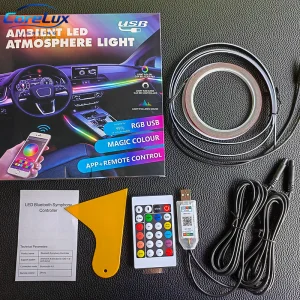
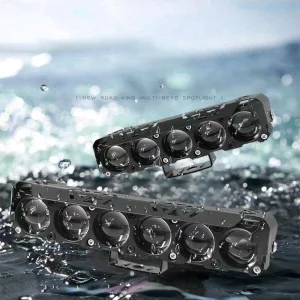
Discover our comprehensive collection of aftermarket retrofits, OEM assemblies, interior atmospheric illumination, and heavy-duty auxiliary systems.
 EV Light