Explore our top-performing engineering solutions, ranging from vehicle headlight assemblies to commercial IoT smart street infrastructure.
Hangzhou EV Light Co., Ltd. is a professional China electric vehicle lighting manufacturer specializing in EV LED lighting and smart automotive lighting solutions for the rapidly evolving new energy vehicle industry. With a strong commitment to innovation, performance, and reliability, we provide advanced lighting technologies that enhance vehicle safety, energy efficiency, functionality, and visual appeal.
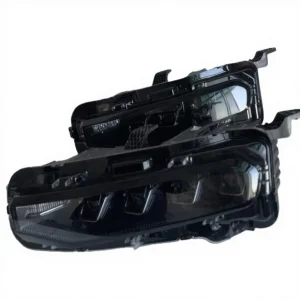
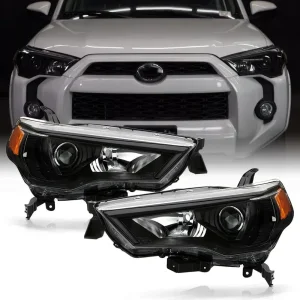
Our product portfolio includes EV headlight systems, taillight assemblies, daytime running lights, signal lighting, interior ambient lighting, charging status indicators, smart lighting modules, and customized automotive lighting solutions. Designed to meet the strict requirements of modern electric vehicles, our products are widely integrated into passenger EVs, commercial electric vehicles, electric buses, electric motorcycles, electric scooters, and emerging smart mobility platforms.
At Hangzhou EV Light, we combine advanced engineering expertise with modern manufacturing capabilities to develop lighting solutions that deliver superior brightness, durability, and energy efficiency. Our experienced research and development team continuously explores new technologies in intelligent lighting control, adaptive lighting systems (ADB), LED integration, and automotive electronics to support the future of electric transportation.
How the transition to electrification and autonomous driving is redefining automotive optics on a global scale.
Unlike traditional combustion cars, EVs rely entirely on battery capacity for mileage. Every watt saved in lighting increases vehicle range. This reality has driven manufacturers to adopt hyper-efficient solid-state LED systems and high-efficacy drivers that minimize power consumption while maximizing optical output.
Lighting is no longer a standalone safety feature; it is now intrinsically linked with Advanced Driver Assistance Systems (ADAS). Adaptive Driving Beams (ADB), Matrix LED headlights, and projection systems coordinate with vehicle camera suites to dynamically steer and dim light paths, preventing oncoming glare while illuminating critical roadway areas.
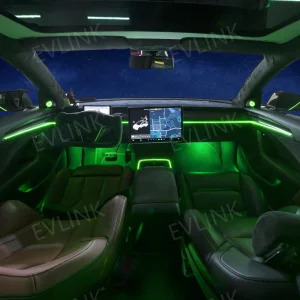
EV architectures afford designers creative freedoms previously restricted by engine cooling grilles. Thin-profile lightbars, animated projection sequences, interactive grill lights, and customizable interior cabin ambiance have emerged as vital brand signifiers for automakers seeking to capture modern consumer interest.
As electric vehicles pivot from 400V platforms to high-voltage 800V powertrains, and electrical systems consolidate toward zonal ECU control architectures, automotive lighting assemblies must adapt. Modern systems utilize decentralized micro-controllers integrated directly into the lamp unit. These localized controllers manage matrix functions, RGB LED calibration, and heat management locally, passing lightweight CAN or LIN commands to the vehicle's central computer. This dramatically reduces copper wiring weight, further contributing to overall range optimization.
Why Tier-1 global automotive companies trust Hangzhou manufacturing centers for fast prototyping, high-volume production, and rigorous quality control.
The manufacturing cluster of Zhejiang province, centered in Hangzhou, represents the absolute cutting edge of automotive electronics supply chains globally. Hangzhou EV Light Co., Ltd. leverages this ecosystem to offer unmatched advantages to global OEMs and Tier-1 suppliers.
Our production processes align with the highest quality management standard mandated by global automotive groups.
In-house goniophotometers, thermal shock chambers, dust-proof IP chambers, and salt-spray rooms verify long-term durability before shipping.
We manufacture systems fully verified for legal on-road use across European (E-mark) and North American (DOT/SAE) territories.
From freezing climates to dense modern megacities, our lighting designs are built to perform under diverse external environments.
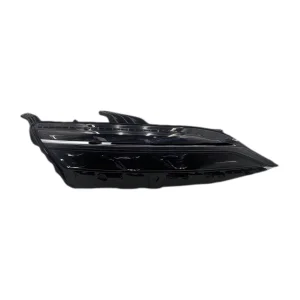
Integrated high-brightness ADB front headlight arrays dynamically mask individual LEDs to create glare-free corridors for oncoming drivers on high-speed urban ring roads and rural bypasses.
Engineered with rugged polycarbonate lenses and heavy-duty structural cast housings to withstand the mechanical shocks and constant operational vibratory loads experienced by electric regional buses.
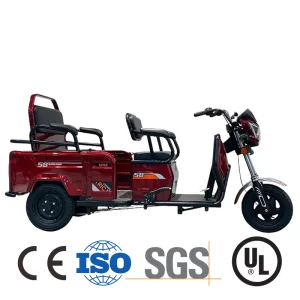
Designed for low-wattage 12V-72V setups on electric scooters and three-wheel logistics vehicles. Focused optic geometries illuminate dark paths while maintaining low drain on smaller battery units.
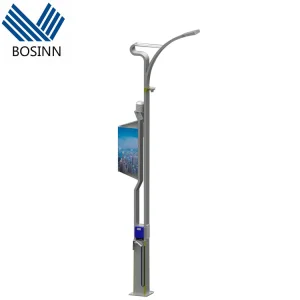
Combining IoT modules and high-efficacy road illumination. Our integrated systems allow municipal charge poles to communicate charge statuses through RGB colored projection halos, creating intuitive parking zones.
In northern geographical regions, the lack of radiant heat from energy-efficient LEDs can lead to lens icing. Hangzhou EV Light manufactures specialized lenses integrated with ultra-thin, ITO resistive heating wires. These automatically cycle on when ambient temperatures drop below 2°C, melting ice and snow accumulation and maintaining optical integrity in sub-zero highway runs.
The future of automotive illumination is connected, communicative, and sustainable.
Pixel counts in headlights are scaling from dozens of segments to millions of micro-pixels. This lets headlights project lane guidance arrows, navigation graphics, and safety warnings directly onto the pavement ahead.
As Level 3 and Level 4 autonomous systems gain ground, vehicles must signal intent to pedestrians. Exterior smart lighting strips project crossing symbols or flash colored warning signatures to indicate safe paths.
Global environmental mandates require reducing the carbon footprint of components. R&D efforts are shifting toward bio-based polycarbonates and highly recyclable optical alloys that maintain thermal stability.
Navigating complex international validation workflows to secure reliable, long-term supply partnerships.
Procuring automotive components involves rigorous safety and performance checks. For sourcing managers, verifying critical technical specifications upfront reduces recall risks and shortens the path to market. Key assessment criteria include:
| Evaluation Parameter | Critical Engineering Benchmarks | Why it Matters for EVs |
|---|---|---|
| Thermal Management Coefficient | Junction temp < 85°C at 35°C ambient; active thermal throttling algorithms. | LED efficiency drops as temperatures rise. Keeping modules cool extends unit lifetime. |
| EMI / EMC Compatibility | Compliance with CISPR 25 Class 5 limits for conducted and radiated emissions. | Prevents optical driver electronics from interfering with sensitive onboard vehicle lidar, radar, and communication receivers. |
| Ingress Protection Rating | IP67, IP69K minimum for external dynamic lenses and housings. | Protects optics from damage during high-pressure jet washing and dirt exposure on wet roads. |
| Optical Consistency | MacAdam Ellipse < 3 SDCM color consistency across LED batches. | Ensures uniform beam patterns and visual appearance across production runs. |
At Hangzhou EV Light, we assist procurement teams by providing comprehensive APQP (Advanced Product Quality Planning) documentation and PPAP (Production Part Approval Process) Level 3 packets. This documentation gives engineering teams full transparency into raw material origins and validation tests.
Answers to common technical, design, and supply-chain inquiries from B2B partners.
Take a virtual tour of our cleanroom manufacturing, automated testing, and assembly workshops.
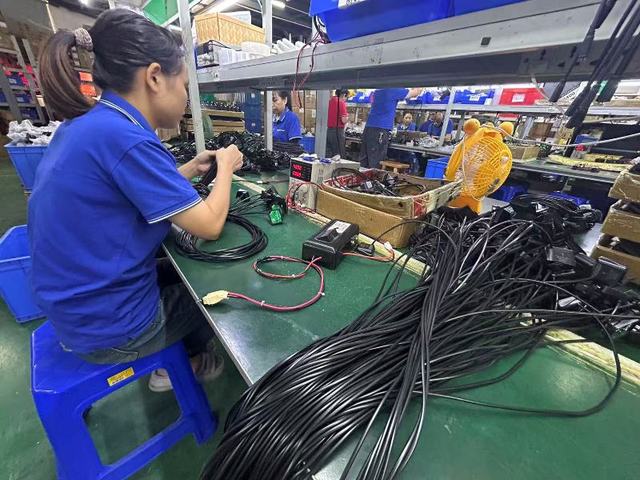
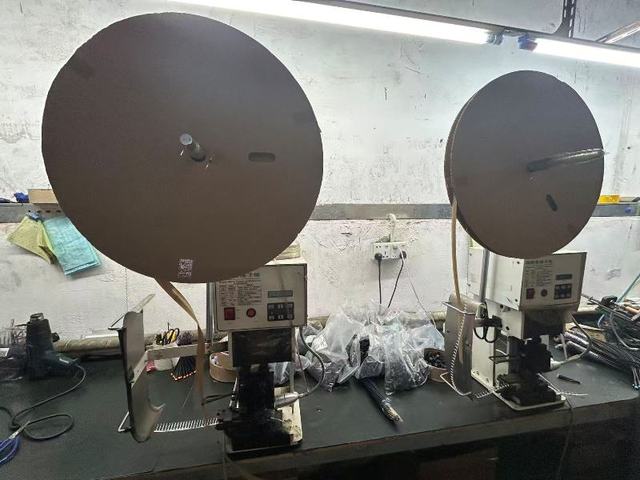
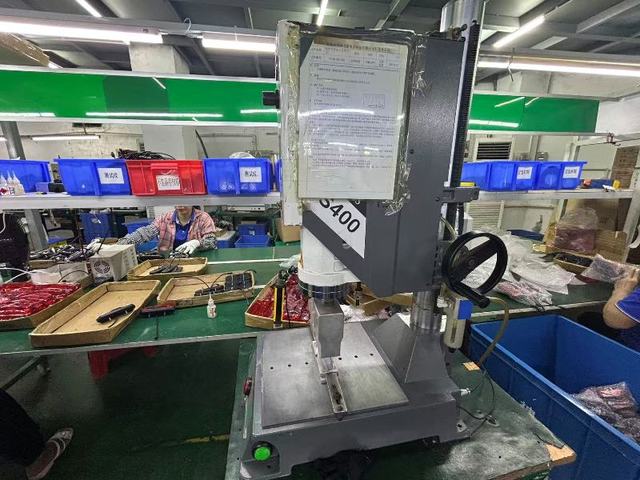
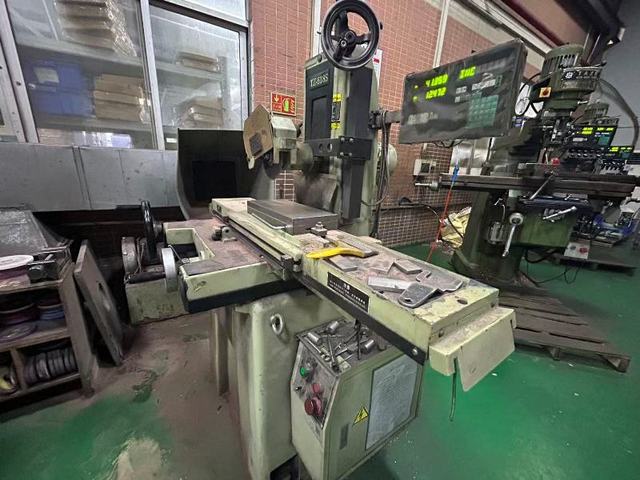
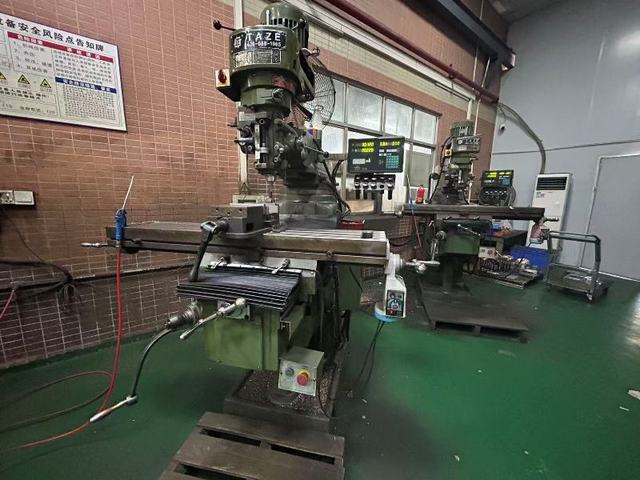
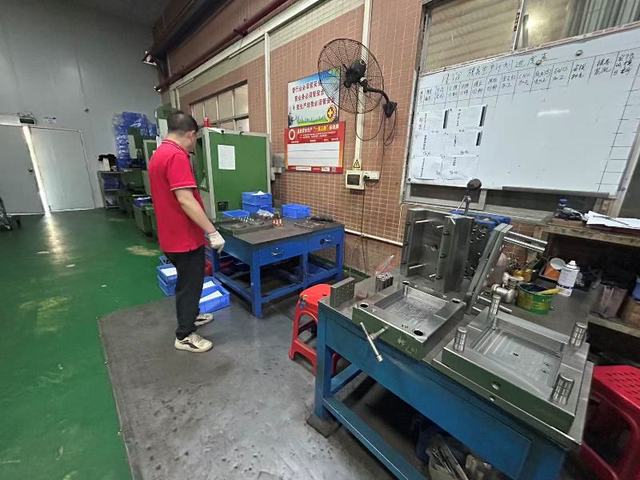
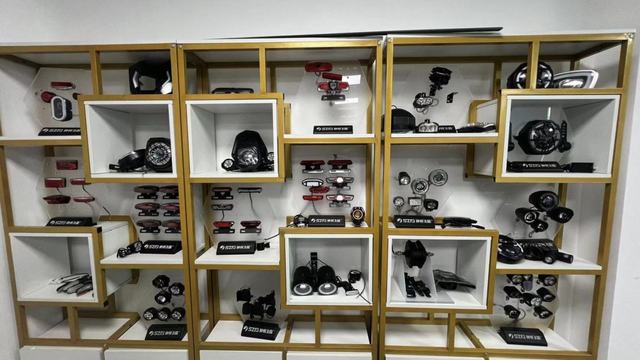
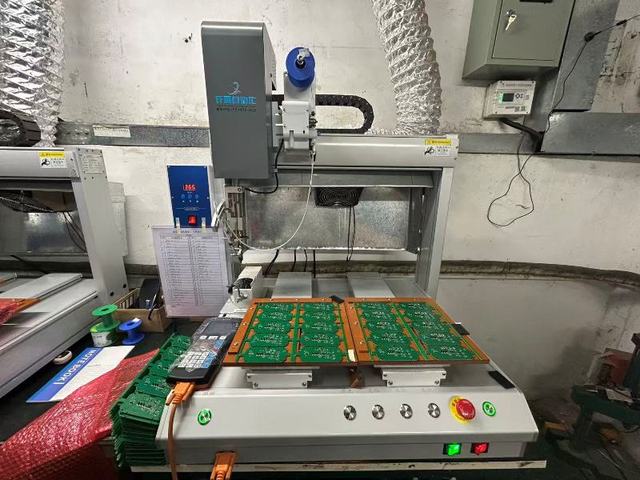
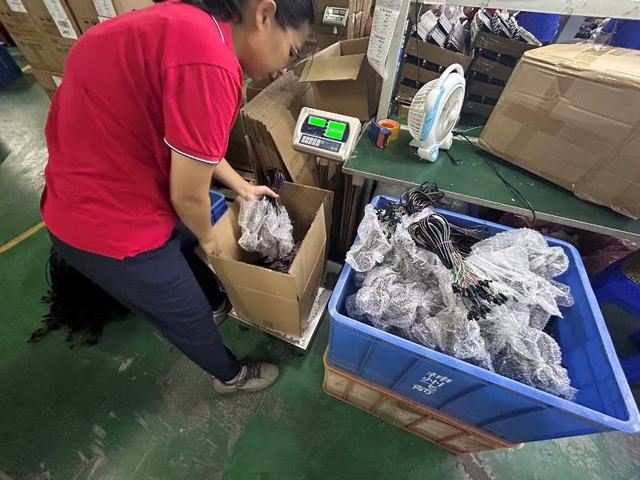
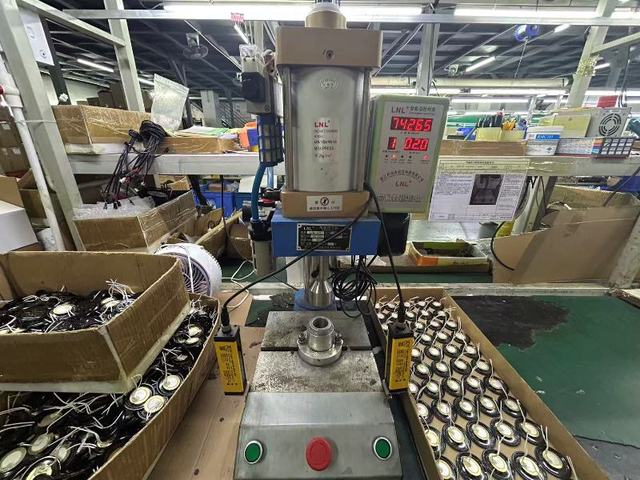
Engineered for durability, optical performance, and seamless vehicle integration.
 EV Light