Explore our highly integrated engineering solutions designed for premium performance, energy conservation, and robust compliance across global markets.
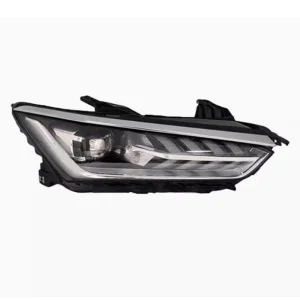
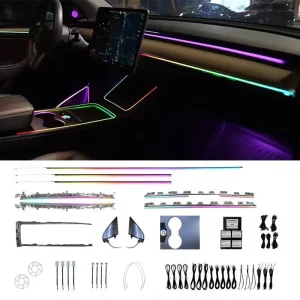
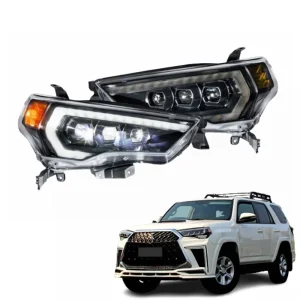
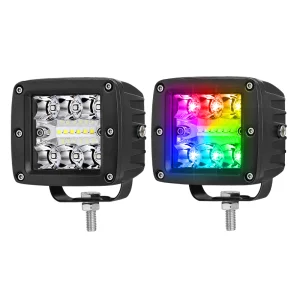
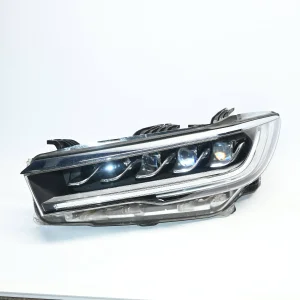
As the global automotive industry shifts from Internal Combustion Engines (ICE) to Software-Defined Electric Vehicles (SDVs), the architecture of the taillight assembly has evolved from basic safety indicators to complex communication terminals. Current EV styling paradigms demand seamless horizontal lightbars, matrix LED displays, dynamic sequencing, and complex vehicle-to-everything (V2X) lighting signals.
Unlike ICE vehicles that rely on high-capacity alternators and simple 12V lead-acid batteries, electric vehicles manage complex high-voltage architectures (400V–800V) mapped down to low-voltage auxiliary rails. Any electromagnetic interference (EMI) generated by high-power DC-DC converters can disrupt automotive microcontrollers in the rear lighting node. At Hangzhou EV Light, we integrate advanced EMC/EMI filtering circuits directly onto our aluminum PCB substrates, complying with strict CISPR 25 Class 5 emission standards. Additionally, the minimization of power consumption directly increases the EV's driving range, requiring taillight configurations that operate at maximum luminous efficacy (lm/W).
Automotive lighting must withstand localized environmental and operational extremes. Hangzhou EV Light modifies and optimizes product designs based on targeted geographic deployments:
In regions with heavy snowfall and prolonged freezing conditions, LED light sources pose a unique challenge: they emit no IR heat forward. This results in ice buildup over the lens, obscuring safety signals. We integrate ultra-thin PTC heating grids within the polycarbonate lens that activate automatically under 5°C to ensure persistent visibility.
High humidity, tropical downpours, and thermal cycles can cause condensation inside the lamp housing. We utilize custom ePTFE pressure relief vents that balance inner air pressure while blocking liquid water entry (rated IP69K), preventing optical degradation and corrosion of driving electronics.
In dense urban environments, dynamic turn signals and braking patterns communicate real-time vehicle intentions. Our products feature smart controller interface compatibility, offering CAN/LIN bus programming that allows lighting signatures to sync with Autonomous Emergency Braking (AEB) systems.
We bridge the gap between present industrial standardizations and future autonomy designs. Our R&D focuses on the transition from traditional light guides to high-definition interactive rear lighting systems.
Our R&D department is pursuing a three-phase technological pathway to solidify our market dominance:
Phase 1: Dynamic Surface Uniformity (Current Production) - Replacing localized chip-on-board modules with high-dispersion light guides and organic LED (OLED) technology. This produces hot-spot-free light output and allows customizable startup sequences.
Phase 2: Micro-LED Interactive Displays (2025-2027) - Integrating high-density pixel blocks directly on the rear assembly, allowing real-time text and symbol output (e.g., "ACCIDENT AHEAD" or pedestrian warnings) to vehicles behind, forming an extension of V2V communications.
Phase 3: Sensor Integration (2027-2030) - Merging rear radars, ultrasonic sensors, and blind spot cameras directly inside the taillight housing to streamline exterior body panels and minimize EV aerodynamic drag.
Hangzhou's automotive manufacturing ecosystem offers unparalleled supply chain advantages. Our vertically integrated production model minimizes lead times and shields B2B clients from global supply chain disruptions.
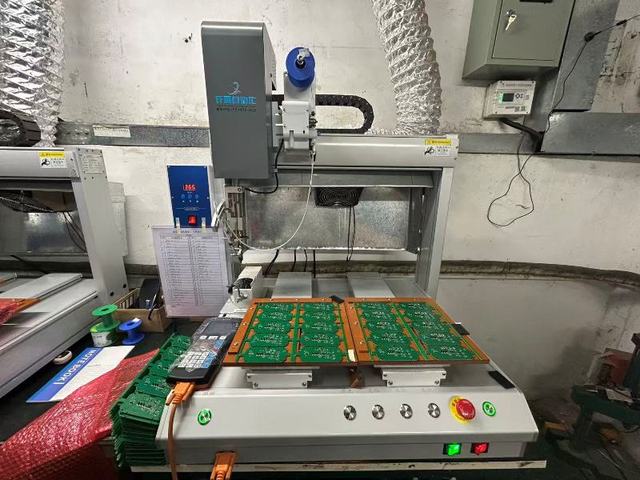
We run high-precision Yamaha and Fuji SMT lines that place thousands of LED units per hour, with 100% Automated Optical Inspection (AOI) to eliminate solder voids and cold joints.
Equipped with internal darkroom photometers, goniometers, and thermal chambers, we perform real-time verification of luminous intensity distributions to ensure immediate passing of global testing standards.
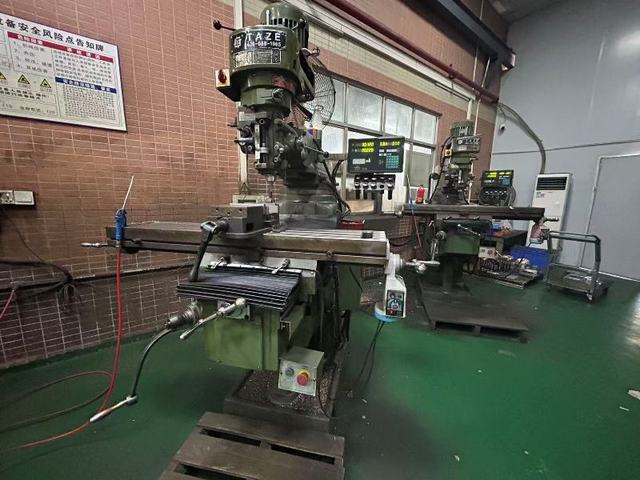
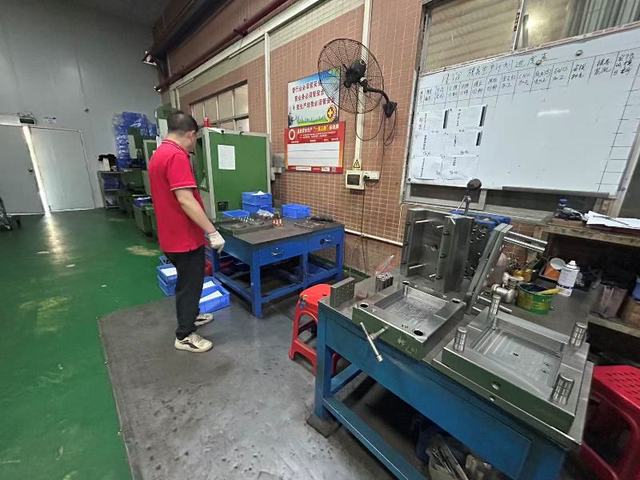
With localized injection molding factories and tooling workshops, we can finalize concept-to-prototype steps in under 30 days, cutting down development pipelines significantly.
We understand that global market access hinges on strict safety certifications. Our engineering practices align directly with ECE, DOT, and FMVSS regulatory expectations.
Our products undergo testing to satisfy the following international benchmarks:
• ECE Regulations (Reg 7, Reg 48, Reg 148): Securing the E-Mark homologation necessary for sale in the European Economic Area (EEA).
• FMVSS 108 (Federal Motor Vehicle Safety Standard): Ensuring legal compliance for DOT and SAE markings in the United States and Canada.
• ISO 26262 (ASIL-B): Formulating safety mechanisms in microcontroller firmware to prevent system anomalies and optical failures.
• IATF 16949: Certifying that our core manufacturing processes adhere to the highest standard of the automotive quality management system.
Direct technical answers for supply chain managers, design engineers, and commercial vehicle importers.
We utilize automotive-grade LED chipsets from premium global brands such as Osram, Lumileds, and Cree to guarantee high luminous flux, color consistency, and thermal resilience. Our PCB assemblies use copper or aluminum-clad laminates for optimal heat dissipation, coupled with UV-stabilized polycarbonate lenses to prevent yellowing or cracking under outdoor exposure.
Our QA flow operates under the IATF 16949 framework. We execute 100% Incoming Quality Control (IQC) on LEDs and microcontrollers, in-process AOI inspections on the SMT lines, automated leak testing using air pressure decay methods to confirm IP67/IP69K sealing, and final end-of-line functional and photometric checks using computerized goniophotometers.
Yes. Our engineering department can handle full-scale ODM projects starting from CAD design, optical simulations (LightTools/TracePro), prototype tooling, sample testing, through to final certification support. We also offer OEM manufacturing matching customer-supplied design prints.
Standard production runs typically require 30 to 45 days after deposit confirmation, depending on material complexity and mold requirements. For custom tooling developments, the process takes approximately 60 to 90 days from industrial design sign-off to final pre-production samples.
EV lights operate in vehicles with no engine heat but with substantial high-voltage DC-DC converter warmth nearby. To mitigate this, our layouts utilize advanced thermal simulation models to isolate the heat-generating driver ICs from the main LED array. This prevents thermal runaway and ensures the LEDs operate at optimal temperature profiles, extending the assembly lifespan past 100,000 operational hours.
Take an inside look at our manufacturing facilities, assembly chambers, and precision optical testing instrumentation.
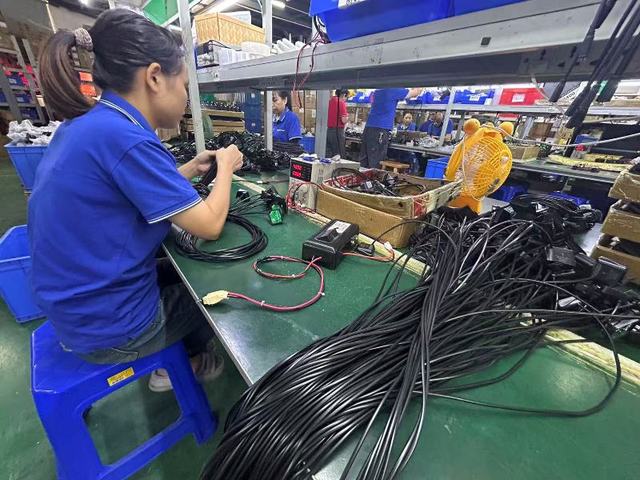
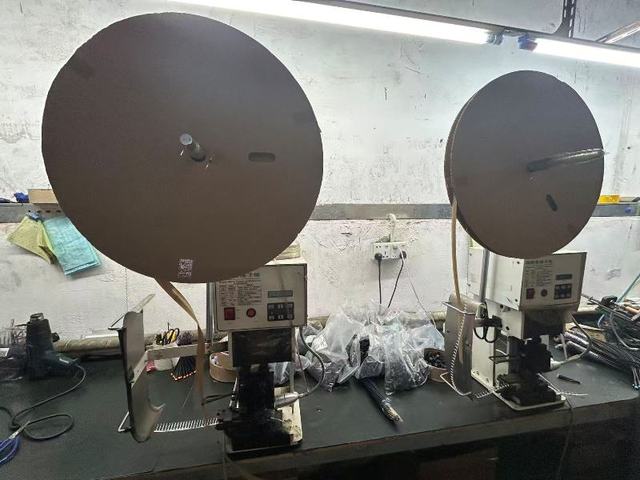
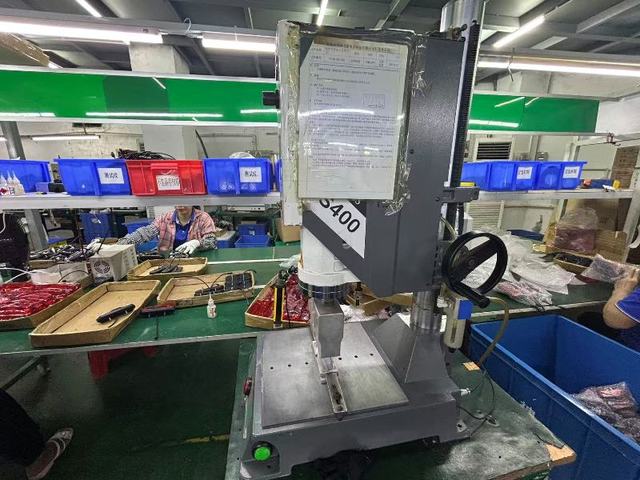
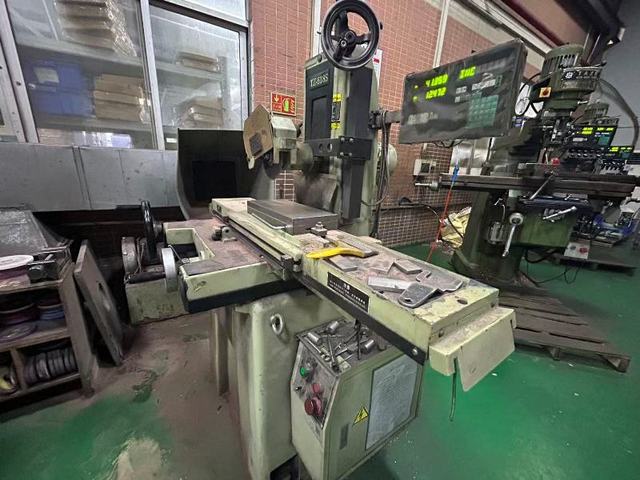
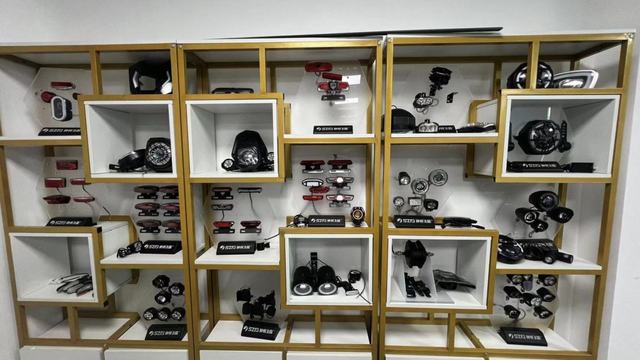
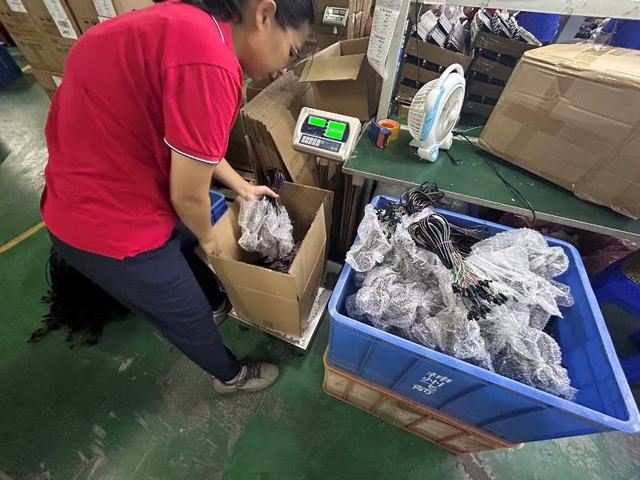
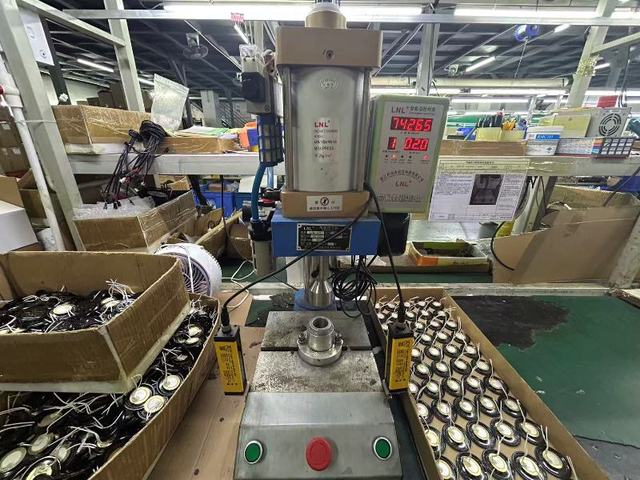
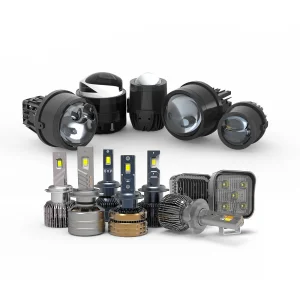
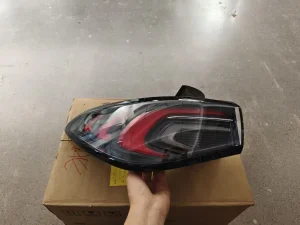
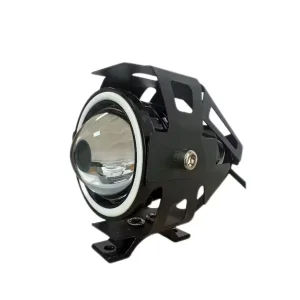
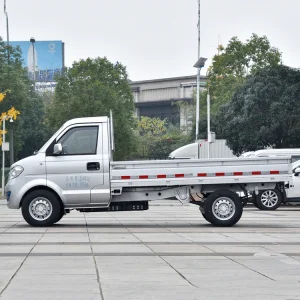
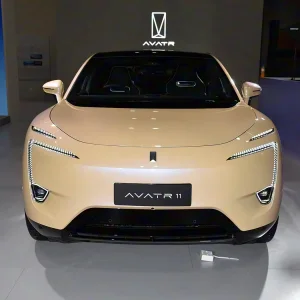
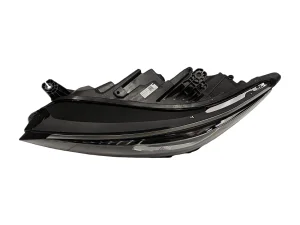
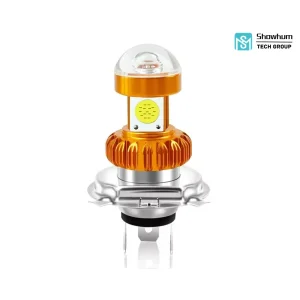
We provide comprehensive lighting accessories for diverse vehicle classes including passenger cars, delivery trucks, motorcycles, and public infrastructure systems.
 EV Light