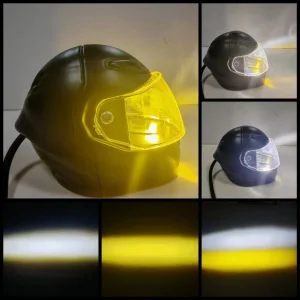
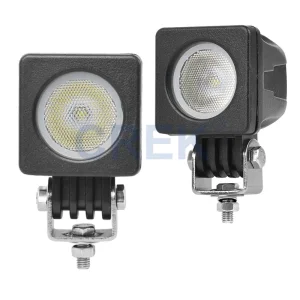
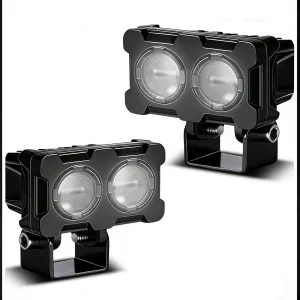
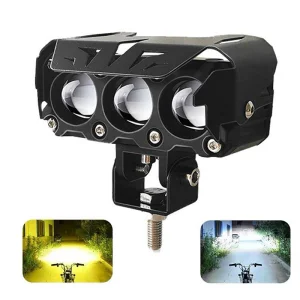
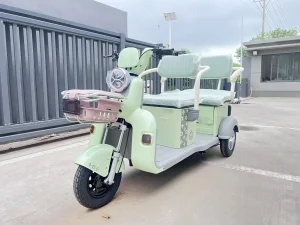
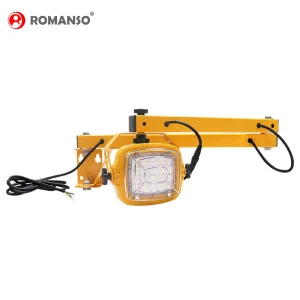
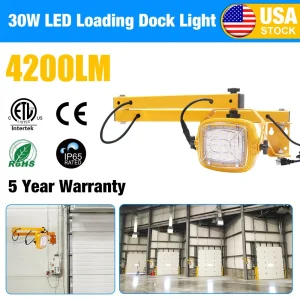
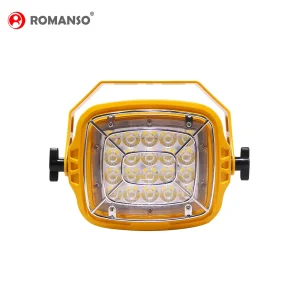
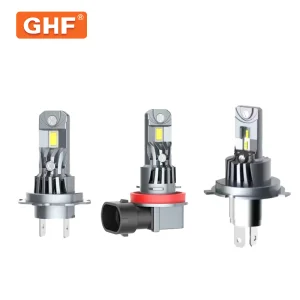
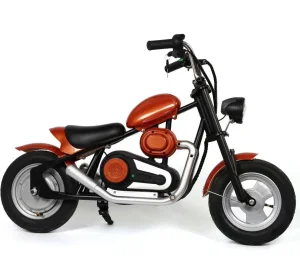
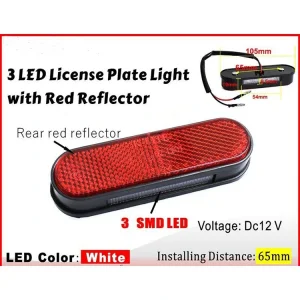
Our primary high-performance configurations built specifically to handle urban transit, highway logistics, and uneven rural terrains.
The Indian two-wheeler market is undergoing an unprecedented structural transition towards electrification. Supported by the Indian government's FAME-II (Faster Adoption and Manufacturing of Hybrid and Electric Vehicles) policy, the Production Linked Incentive (PLI) schemes, and aggressive state-level mandates, electric motorcycles and scooters have moved from niche concepts to core urban logistics vehicles. Millions of units of E-2Ws now operate across major metropolises like Delhi NCR, Mumbai, Bengaluru, Pune, and Chennai.
However, India’s operational landscape presents extreme challenges for electrical accessories. Standard automotive lighting systems designed for temperate climates and smooth motorways consistently fail under local conditions. Ambient summer heat frequently exceeds 48°C, monsoon seasons submerge roads under feet of water, and rural roadways deliver severe high-impact vibrations. In this severe operating framework, lighting is no longer just a cosmetic element; it is a critical safety component. Electric two-wheelers rely heavily on highly engineered, low-draw LED setups to conserve battery capacity while providing the luminous intensity required to safely navigate poorly lit highways.
Information Gain Insight: According to local automotive studies, lighting accounts for up to 8% of an E-2W’s auxiliary energy usage when legacy halogen assemblies are used. Upgrading to optimized, high-efficacy LED modules (yielding >130 lm/W) can reclaim up to 5% of overall battery range per charge, directly improving the vehicle's total cost of ownership (TCO) for commercial delivery fleets.
This dynamic has forced Indian OEMs and Tier-1 suppliers to search globally for specialized manufacturers who understand the thermal and mechanical strains unique to the subcontinent. As a result, the import of high-performance electric vehicle lighting has surged, establishing a vital trade corridor between Chinese engineering centers and the rapidly expanding automotive hubs in Haryana, Maharashtra, and Tamil Nadu.
Our products are engineered to endure the most demanding environments. We back our manufacturing process with verified performance metrics.
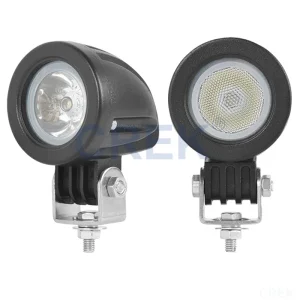
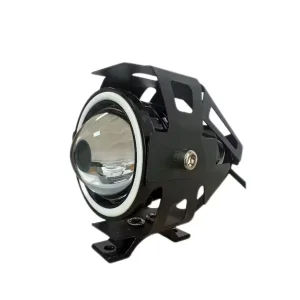
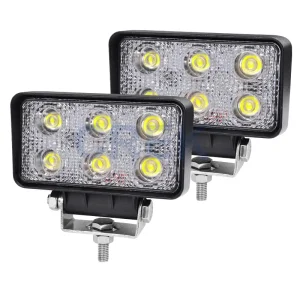
Heavy-duty auxiliary lamps designed for delivery riders, off-road applications, and retrofitting projects across India.
The transition from internal combustion engines (ICE) to electric platforms has fundamentally changed automotive architecture. In traditional motorcycles, lighting power is drawn from an alternator system buffered by a standard 12V lead-acid battery. Electric motorcycles, in contrast, rely on high-voltage traction battery packs ranging from 48V to 96V. Using a DC-to-DC converter to step down power to a nominal 12V introduces energy conversion losses and adds single-point failure risks. Because of this, global B2B procurement trends are shifting toward native wide-voltage lighting inputs that can run directly off the vehicle's high-voltage bus (typically supporting DC 12V to 80V, and up to 100V transients).
Concurrently, safety agencies globally have updated certification frameworks to reflect the higher speeds and silent operation of electric two-wheelers. The United Nations Economic Commission for Europe (ECE) enforces regulations such as ECE R50 and R113, which govern the light distribution patterns of LED headlamps to prevent oncoming motorists from being blinded. In the United States, DOT FMVSS 108 regulates high-beam and low-beam photometry. In India, the Automotive Industry Standards (AIS) committee enforces strict rules like AIS-010, AIS-012, and AIS-037. These regulations require comprehensive lab testing for vibration stability, photometrical consistency, and high-low voltage survival. Manufacturers exporting to India must build and verify their products against these exact compliance metrics.
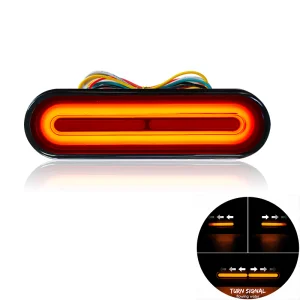
Due to the silent propulsion of E-2Ws, they are often less noticeable to pedestrians and other drivers, leading to higher collision rates in high-density urban traffic. Regulators worldwide are responding by making Daytime Running Lights (DRLs) mandatory. Modern DRLs require specialized optical design, such as light guide technology with high-transparency PMMA polymers, to achieve uniform light distribution. This must be balanced with low power draw to prevent draining the vehicle's primary battery. As a result, engineering high-efficiency DRLs has become a key area of focus for modern automotive lighting designers.
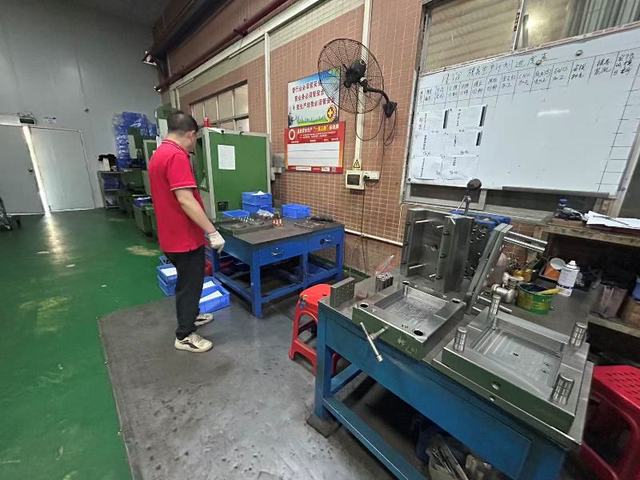
The manufacturing ecosystem in China offers unparalleled supply chain integration, material sourcing efficiency, and specialized technical expertise. While regional manufacturers in other markets struggle with long development lead times and high component costs, the manufacturing corridor in Hangzhou, Zhejiang, benefits from a fully realized tier-of-suppliers cluster. This ecosystem integrates electronic component sourcing, raw aluminum smelting, precision plastic injection molding, and optical software design within a narrow geographical radius.
At Hangzhou EV Light Co., Ltd., we leverage this industrial base to deliver high-quality, cost-competitive products. Our operations combine state-of-the-art tooling with rigorous manufacturing processes, allowing us to rapidly iterate new designs and ramp up to high-volume production. This approach helps global OEMs reduce development cycles from months to weeks.
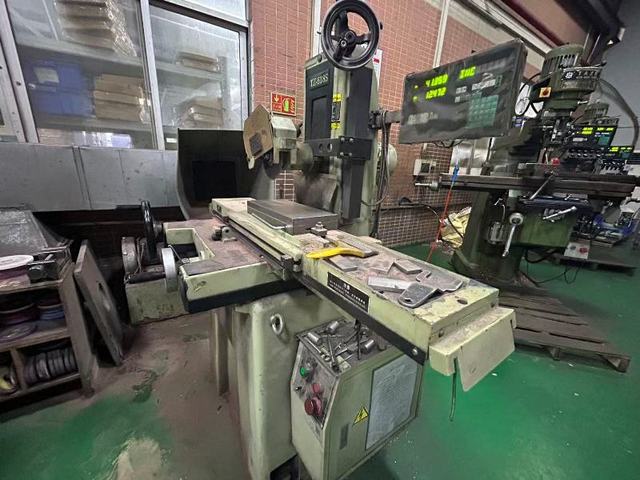
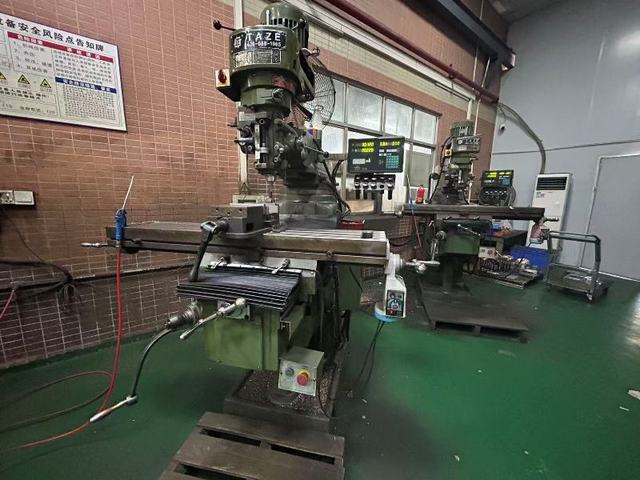
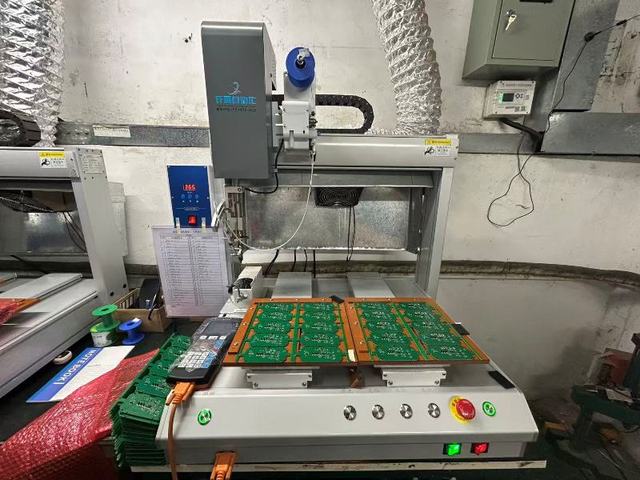
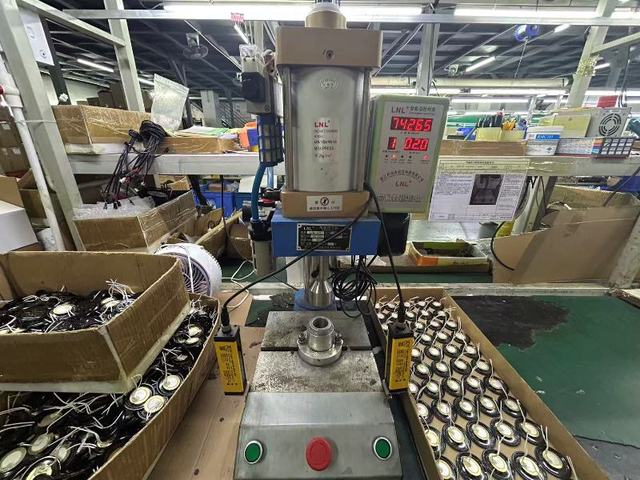
Vertical Integration Capabilities: Hangzhou EV Light manages every step of the production process under one roof. Our facilities include automated Surface Mount Technology (SMT) lines for precise placement of LED chipsets, computerized optical simulation labs to optimize beam patterns, and robotic CNC aluminum milling stations that manufacture high-performance heat sinks designed to withstand extreme thermal conditions.
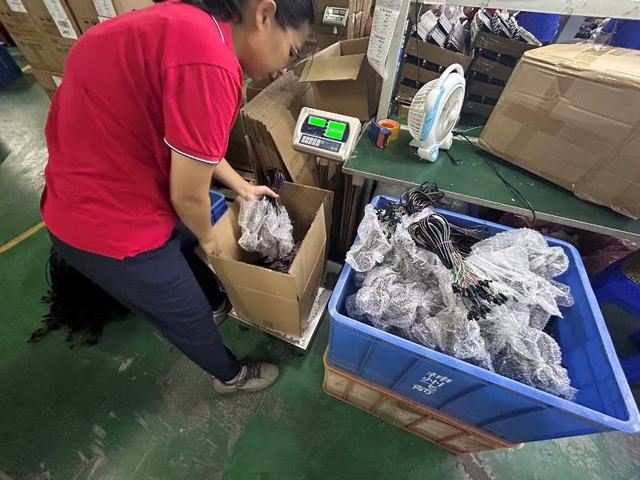
By using automated manufacturing systems and strict quality controls, we ensure that every production run meets the highest automotive standards. For B2B buyers, this level of control translates into reliable supply chains, consistent product quality, and competitive pricing that is difficult to replicate through decentralized localized sourcing models.
To succeed in the Indian market, automotive components must be designed to withstand severe real-world operating conditions. We have optimized our electric motorcycle lighting line to directly address these local engineering challenges:
During peak summer in regions like Rajasthan, Uttar Pradesh, and Gujarat, surface temperatures on asphalt roads can exceed 55°C. When combined with the heat generated by high-power LED light sources, junction temperatures inside the lamp housing can rise to dangerous levels. Without proper thermal management, this leads to rapid lumen depreciation, color shifting, and premature driver board failure. To combat this, we use high-conductivity metal core PCBs (MCPCBs) coupled with housings made from cast A380 or 6063 aviation-grade aluminum. Additionally, our intelligent driver circuitry monitors operating temperatures in real-time, automatically reducing power output when critical thresholds are reached to protect the LED chips.
The monsoon season in India brings heavy rain, localized flooding, and standing water. Standard IP65-rated lights often suffer from moisture ingress due to capillary action and pressure changes inside the housing. To prevent this, our lights feature high-density silicone perimeter gaskets, double-sealed cable entries, and integrated hydrophobic breather membranes. These membranes allow internal pressure to equalize during temperature changes while blocking water, dust, and fine mud, ensuring reliable performance even under temporary submersion.
Potholes and unpaved roads subject two-wheeler suspension systems to constant, high-impact shocks. Traditional lights with weak mechanical mountings or delicate soldering spots quickly fail. We address this by potting the entire driver circuit in a specialized polyurethane compound that absorbs mechanical vibrations. We also use locking wire connectors and reinforced stainless steel brackets to prevent mechanical failure during prolonged use.
Unlike internal combustion vehicles with stable 12V outputs, electric motorcycle battery voltages fluctuate based on load, acceleration, and regenerative braking. During heavy acceleration, battery voltages can drop significantly, while regenerative braking can cause sudden voltage spikes. Our LED drivers use wide-input buck-boost converters that deliver a constant current to the LEDs even when the system voltage fluctuates between 12V and 80V, preventing flickering and extending the lifespan of the light.
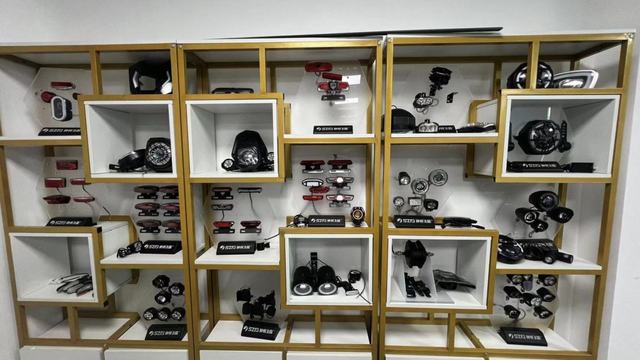
Our complete portfolio of E-mark and AIS compliant vehicle lights, optimized for bulk procurement and manufacturing integration.
The global electric two-wheeler market is evolving rapidly, driven by technological advancements and shifting B2B buyer demands. For OEMs, choosing the right lighting partner requires evaluating several critical factors:
Modern electric motorcycles are moving away from simple standalone lights toward integrated, software-controlled systems. Standard headlamps are being replaced by smart lighting arrays that interface directly with the vehicle's Central Control Unit (CCU) via Controller Area Network (CAN) bus protocols. This enables advanced features such as speed-sensing adaptive beams, dynamic startup sequences, and real-time diagnostic reporting to help riders detect electrical faults.
B2B procurement departments are placing greater emphasis on product quality, lifetime warranties, and supply chain transparency. Sourcing teams look for manufacturing partners with verified ISO 9001:2015 and IATF 16949 certifications. Additionally, components must meet international environmental and safety standards, such as RoHS, CE, and E-mark certifications, to ensure compliance in key export markets.
Volatile shipping costs and global trade shifts have made supply chain resilience a priority. Procurement managers favor manufacturers that offer end-to-end design and production services. By choosing a partner capable of handling optical design, prototyping, tooling development, and mass manufacturing, OEMs can reduce development risks, control project costs, and accelerate product launch cycles.
Learn more about our production facilities, quality management processes, and customized engineering services.
Hangzhou EV Light Co., Ltd. is a professional China electric vehicle lighting manufacturer specializing in EV LED lighting and smart automotive lighting solutions for the rapidly evolving new energy vehicle industry. With a strong commitment to innovation, performance, and reliability, we provide advanced lighting technologies that enhance vehicle safety, energy efficiency, functionality, and visual appeal.
Our product portfolio includes EV headlight systems, taillight assemblies, daytime running lights, signal lighting, interior ambient lighting, charging status indicators, smart lighting modules, and customized automotive lighting solutions. Designed to meet the requirements of modern electric vehicles, our products are widely used in passenger EVs, commercial electric vehicles, electric buses, electric motorcycles, electric scooters, and emerging smart mobility applications.
At Hangzhou EV Light, we combine advanced engineering expertise with modern manufacturing capabilities to develop lighting solutions that deliver superior brightness, durability, and energy efficiency. Our experienced research and development team continuously explores new technologies in intelligent lighting control, adaptive lighting systems, LED integration, and automotive electronics to support the future of electric transportation.
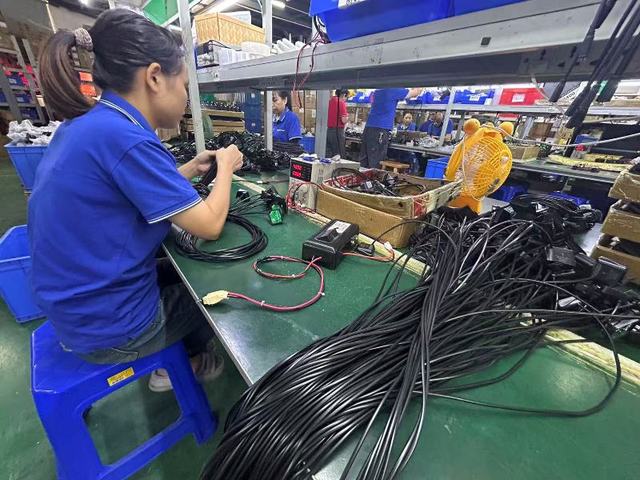
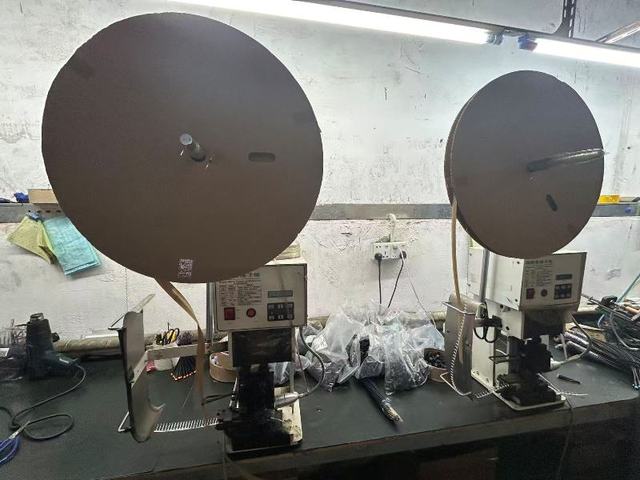
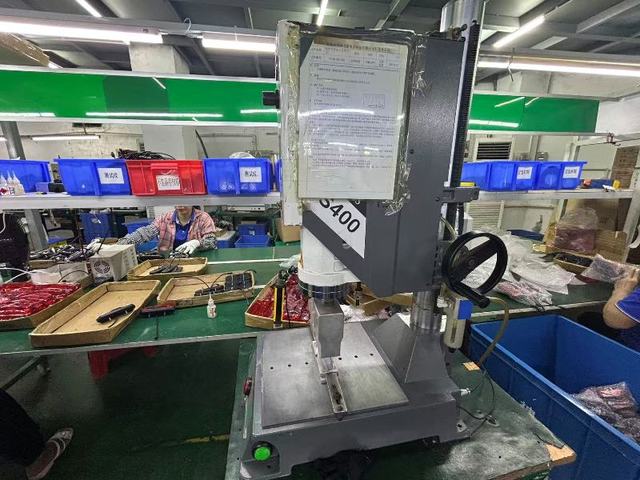
Quality is at the core of our operations. From component sourcing and product development to production and final testing, every stage follows strict quality management procedures to ensure consistent performance and compliance with international automotive standards. Our manufacturing facility is equipped with advanced production and testing equipment, enabling us to provide reliable products for demanding automotive environments.
We offer comprehensive OEM and ODM services for vehicle manufacturers, automotive suppliers, distributors, and mobility brands worldwide. Whether customers require customized designs, private-label production, or large-scale manufacturing, our flexible production capabilities support projects of various sizes and specifications.
Serving clients across North America, Europe, Southeast Asia, the Middle East, and other global markets, Hangzhou EV Light Co., Ltd. is dedicated to delivering innovative electric vehicle lighting solutions that contribute to safer, smarter, and more sustainable transportation. Our mission is to become a trusted global partner in advanced automotive lighting technology and smart mobility innovation.
Technical details regarding compliance, custom development, shipping, and integration parameters.
Yes. Our electric motorcycle lighting products are engineered to meet key international standards, including ECE, DOT, and India's AIS-010 and AIS-012 requirements. We design our optics to comply with local regulations on beam cutoff, high-low beam illumination levels, and vibration resistance.
We supply wide-voltage configurations supporting 12V to 80V DC input ranges. This allows the lights to connect directly to 48V, 60V, or 72V traction battery packs without needing external DC-to-DC converters, simplifying the vehicle's electrical layout and improving system efficiency.
We use high-conductivity metal core PCBs (MCPCBs) paired with housings made from cast A380 or 6063 aviation-grade aluminum. Additionally, our driver circuits feature thermal throttling protection that automatically manages power output during high temperature spikes to protect the LED chips.
For standard catalog products, our MOQ typically starts at 500 units. For fully customized OEM or ODM designs (which include custom injection molds or custom PCB engineering), the MOQ varies from 1,000 to 3,000 units. Standard production lead times run between 25 and 35 days post-deposit confirmation.
Yes, we provide engineering samples to qualified B2W manufacturers for lab testing, mechanical fitting, and ARAI (Automotive Research Association of India) certification. Please contact our sales team to discuss your testing requirements and arrange sample shipments.
Our premium motorcycle lighting assemblies are rated IP67, with select commercial-grade lights certified up to IP69K. This ensures protection against water immersion during heavy rains and resists high-pressure washdowns.
Partner with Hangzhou EV Light for certified, high-performance electric vehicle lighting solutions optimized for the Indian market.
Contact Our Engineering Team Now EV Light