Engineered for high thermal tolerance and superior lumen output under intensive driving schedules.
The city of Bangkok is currently spearheading the transition to sustainable urban mobility across Southeast Asia. Driven by the Thai Government's aggressive 30@30 policy—which aims to ensure that zero-emission vehicles represent at least 30% of total domestic automotive production by 2030—the capitalization of electric motorcycles is surging. The city’s ubiquitous motorcycle taxis (Win Motosai), high-speed delivery fleets (Grab, Foodpanda, Shopee), and thousands of daily commuters are rapidly upgrading to battery electric vehicles (BEVs).
However, Bangkok presents a unique and incredibly severe operational landscape. Unlike Western climates, Bangkok is subjected to the monsoonal rain regime, resulting in high humidity, heavy flooding (reaching 30-50 cm on inner-city streets), and persistent ambient temperatures exceeding 38°C (100°F). These harsh conditions place extraordinary demands on electrical component durability, thermal dissipation, and structural sealing of vehicle electronics.
Traditional incandescent and low-grade LED lights deteriorate rapidly in high-humidity tropical microclimates. Water vapor penetration leads to interior lens condensation, which disrupts optical focus and accelerates the oxidation of circuit boards. When electric motorcycles encounter the severe street flooding typical of areas like Sukhumvit or Ladprao, under-chassis or low-mounted auxiliary lighting is completely submerged. Without a specialized, hermetically sealed IP67/IP68 ingress protection package, capillary action will draw water into the light, destroying the internal drivers. Hangzhou EV Light Co., Ltd. resolves these challenges by using specialized breathing membranes and hydrophobic adhesives to secure all optical seals.
Electric two-wheeler lighting requires a fundamentally different electrical architecture than traditional internal combustion engines (ICE). While ICE vehicles use simple 12V alternating current generators, modern electric drivetrains operate at nominal voltages of 48V, 60V, 72V, or higher. Our engineering team designs all LED controllers to support a continuous wide-voltage input range of 12V to 80V DC. This ensures maximum stability and eliminates the risk of component failure from voltage spikes generated by regenerative braking systems (RBS) and battery management systems (BMS).
Due to the heat island effect in downtown Bangkok, ambient temperatures can remain elevated even during night operation. LEDs generate substantial localized heat, which must be systematically managed to prevent thermal degradation and lumen depreciation. Hangzhou EV Light integrates high-conductivity die-cast ADC12 aluminum alloys with engineered vertical heat sinks. This design facilitates efficient natural convection cooling even when the motorcycle is idling in congested traffic lanes.
Maintains highly stable current output regardless of battery state-of-charge fluctuations, preventing flickering and protecting sensitive LED chips from degradation.
Our lenses feature advanced UV-stabilized polycarbonate materials that resist yellowing under the intense sunlight of Southeast Asia, maintaining clean light transmission.
Integrated NTC thermistors monitor junction temperature in real-time, reducing operational current slightly when safe thresholds are exceeded, ensuring a 50,000-hour operational lifespan.
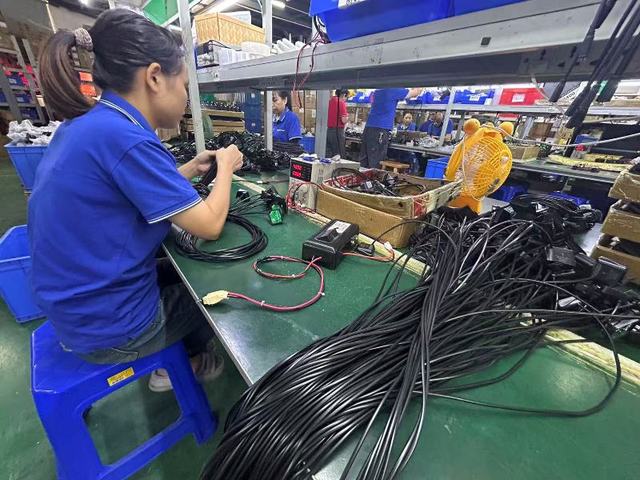
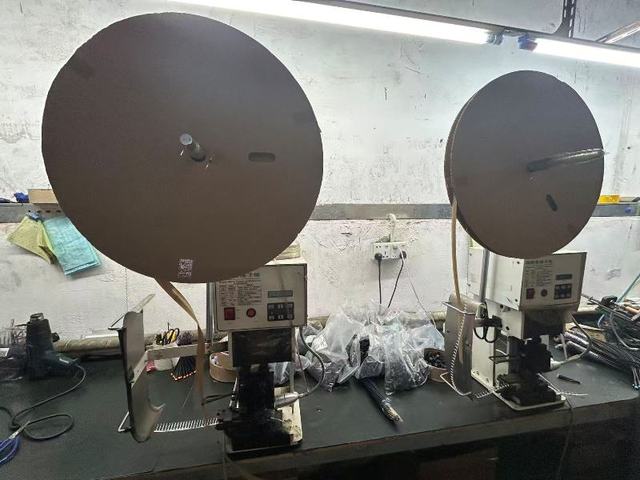
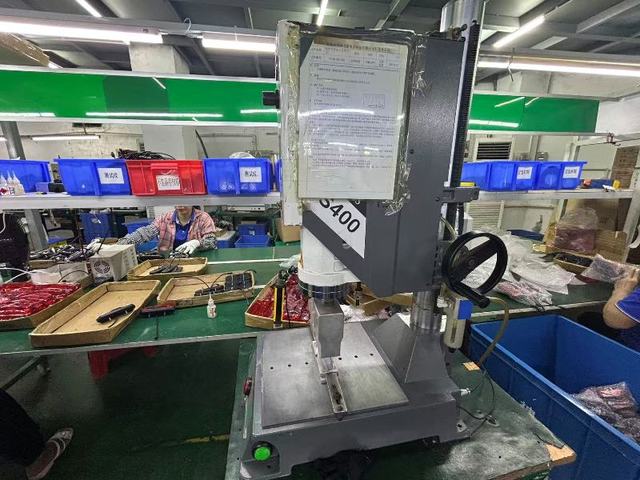
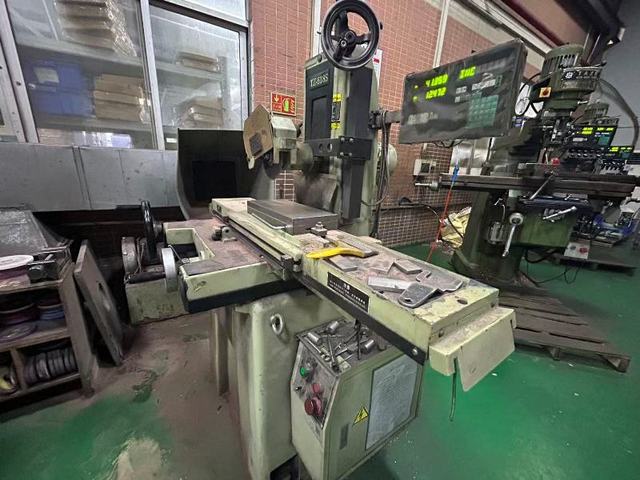
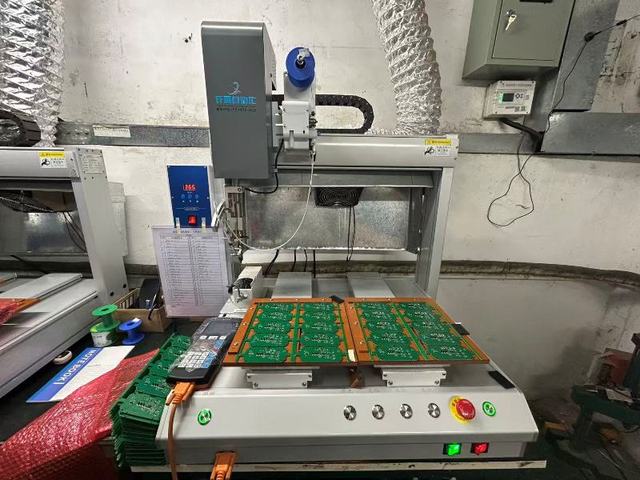
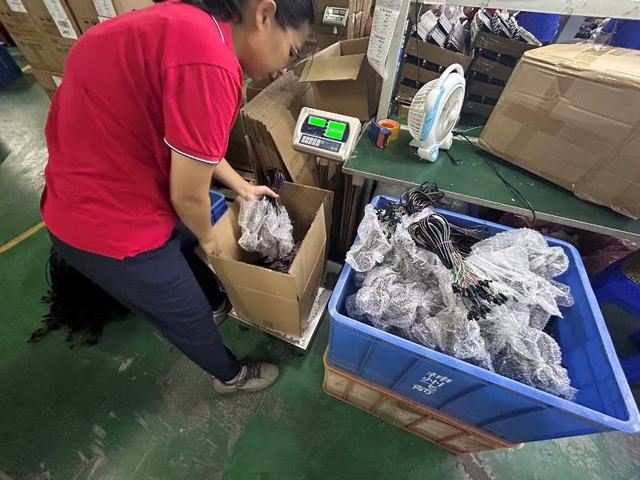
Procurement departments for international delivery networks and electric vehicle manufacturers require highly reliable tier-1 suppliers who can maintain consistent product quality and reliable delivery timelines. Hangzhou EV Light Co., Ltd. provides robust OEM and ODM services, supported by raw material sourcing networks, fully automated SMT assembly lines, and comprehensive quality assurance protocols.
We work closely with local assembly facilities in Thailand (such as those in the Samut Prakan and Chonburi industrial zones) to streamline customs clearing and minimize shipping lead times to Laem Chabang Port. All components are shipped in standardized, moisture-barrier packaging to ensure they arrive in pristine condition and are ready for immediate integration on assembly lines.
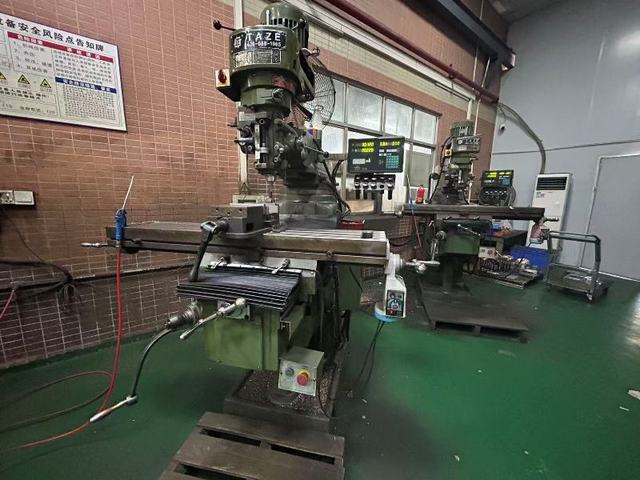
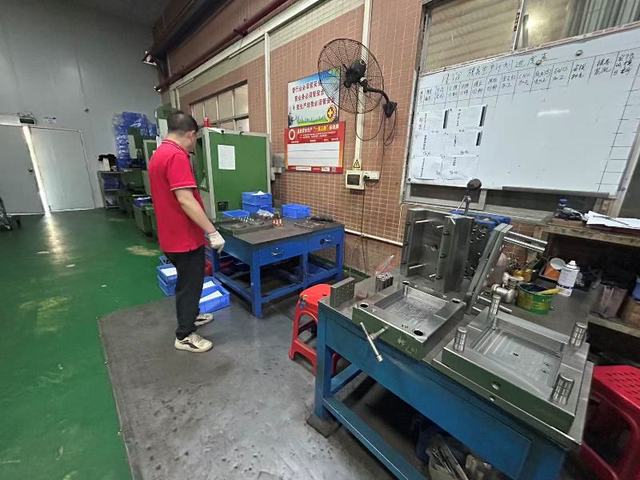
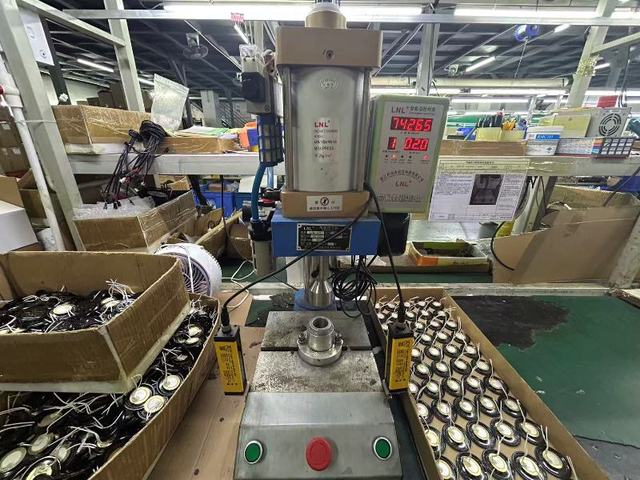
Our facility is equipped with automated SMT placement machines, continuous environmental testing chambers, and precision optical measurement laboratories.
In Thailand, importing or manufacturing electric motorcycles requires strict adherence to regulations set by the Thai Industrial Standards Institute (TISI). TISI standards for automotive lighting systems focus on beam patterns, glare mitigation, and durability under high humidity. Our lighting components are designed to meet both international standards and specific TISI regulations.
Furthermore, for vehicles developed for export markets from Thailand’s manufacturing hubs, our products carry complete E-Mark (ECE R113, ECE R50) and DOT certification. This simplifies global compliance and shortens the time-to-market for international vehicle rollouts.
Quality control at Hangzhou EV Light begins at the material intake stage. All incoming LEDs, driver ICs, and aluminum housings are subjected to rigorous testing before assembly. Finished assemblies undergo automated aging tests, thermal shock testing, and high-pressure water spray immersion tests to verify their long-term performance in demanding real-world conditions.
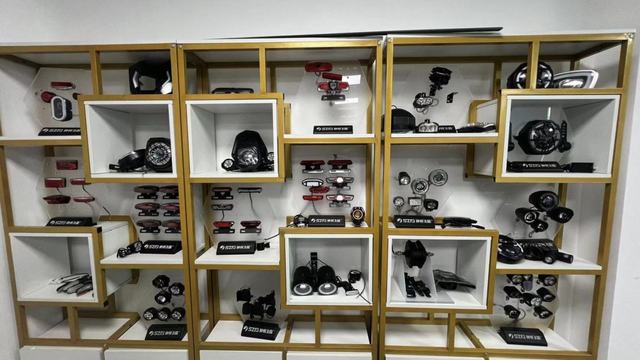
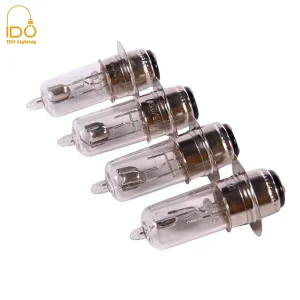
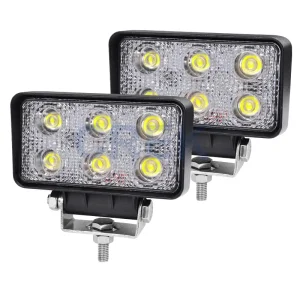
Explore our full line of primary headlamps, work lights, conversion kits, and specialty lighting systems designed for the global market.
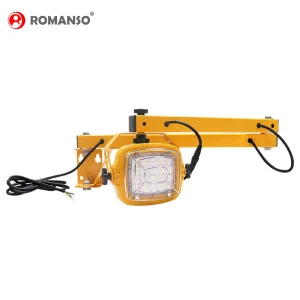
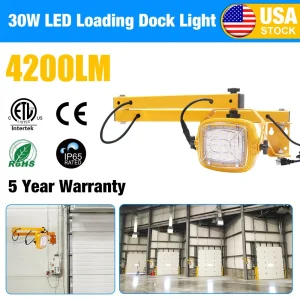
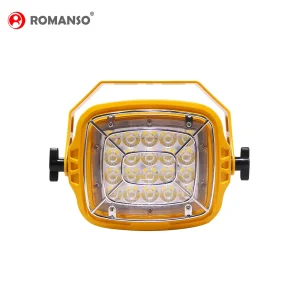
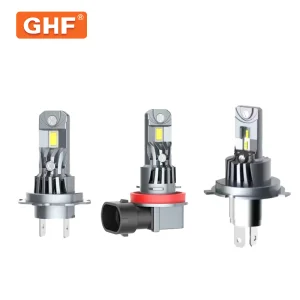
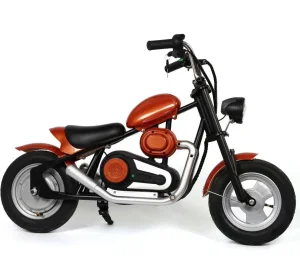
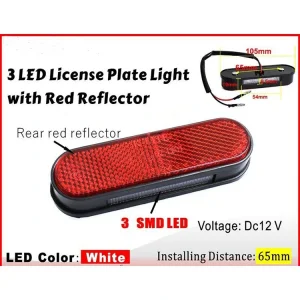
Important technical details on electric motorcycle lighting systems, waterproofing, voltage stability, and OEM partnerships.
Partner with Hangzhou EV Light Co., Ltd. to access high-quality, OEM-certified, and monsoon-resistant lighting systems designed for Bangkok’s demanding environment.
Send Inquiry Now EV Light