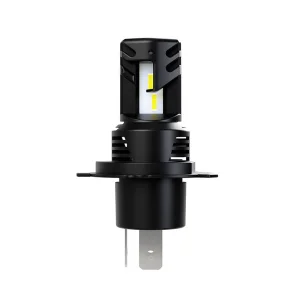
Engineered for long-range night navigation across unlit Namibian gravel routes.
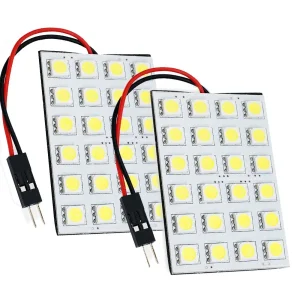
Optimized power consumption for logistics cabin comfort and driver duty focus.
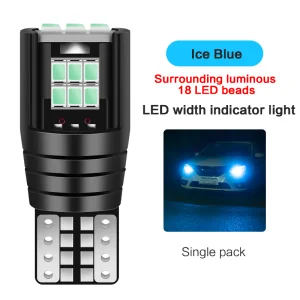
Sub-compact, high-luminance markers perfect for long-haul logistics corridors.
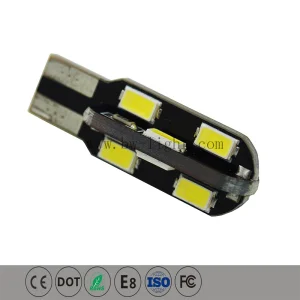
High shock-absorption interior nodes built to survive corrugated dirt roads.
Namibia is home to some of the most challenging operating environments for motorized vehicles in the world. Characterized by vast driving distances, harsh gravel roads, extreme solar UV radiation, and severe diurnal temperature shifts, fleet vehicles require automotive components that offer unmatched durability and resilience. From the heavy cargo haulers operating along the Trans-Kalahari and Trans-Caprivi corridors to the rugged support fleets operating in open-cast mines like Husab and Rössing, electrical systems are subject to constant high-vibration stress and heat accumulation.
Traditionally, halogen and high-intensity discharge (HID) lamps have been standard. However, these legacy systems consume significant alternator energy and have high failure rates due to filament fracture caused by road vibration. Implementing advanced, energy-efficient vehicle lighting systems specifically engineered for Namibian conditions presents a major cost-saving opportunity for transport companies, mining houses, and public sector organizations. Our customized vehicle lighting modules reduce energy consumption, relieve pressure on vehicle alternators, decrease carbon footprint, and improve vehicle uptime.
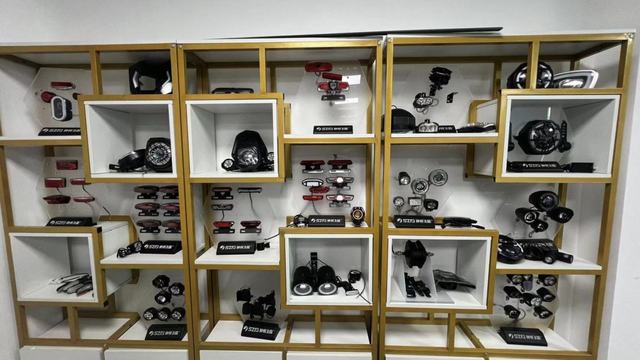
Our engineering team designs automotive lighting solutions built to survive the extreme elements of the Namib desert and Central Plateau. Below is our technology matrix geared specifically for the Namibian market:
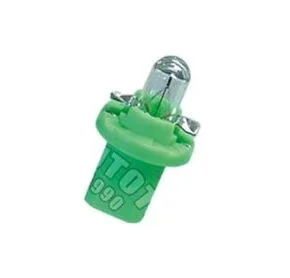
Ultra-low draw dash and exterior signals to protect battery reserves.
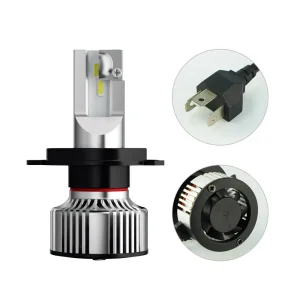
Heavy-duty cast enclosure providing extreme durability and long throw illumination.
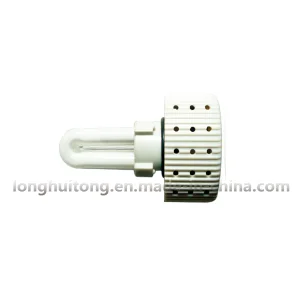
Tailored for long-haul trucks and buses operating on logistics highways.
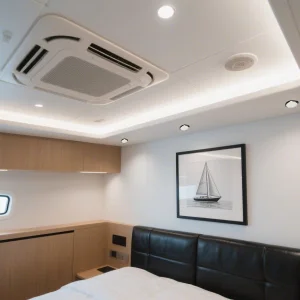
Sleek profile, low thermal output interior lighting solutions for transport cabs.
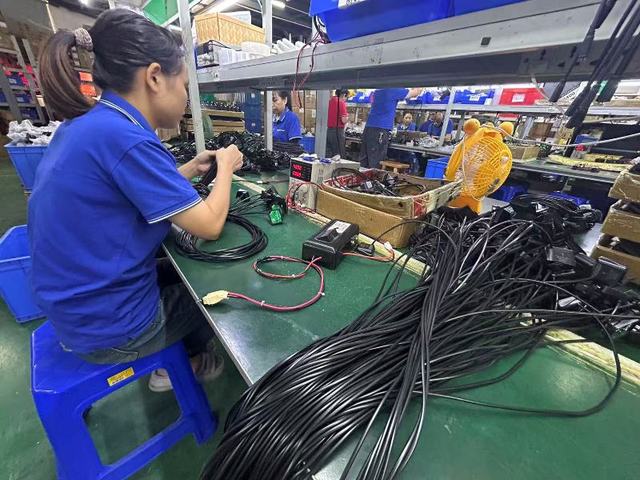
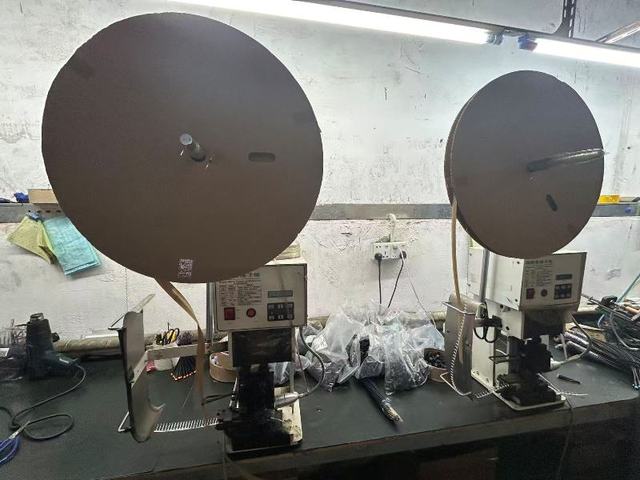
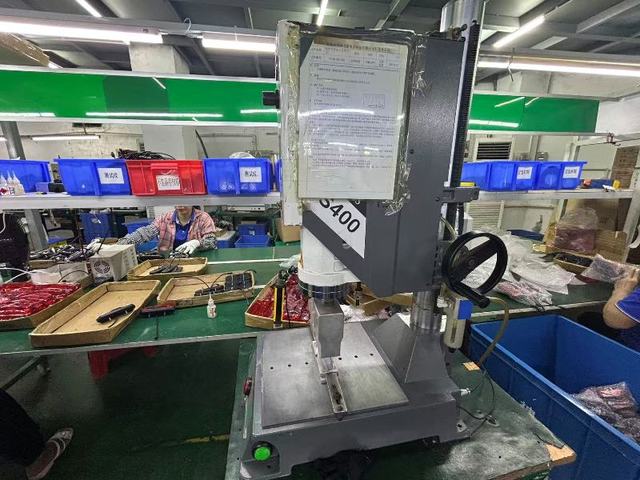
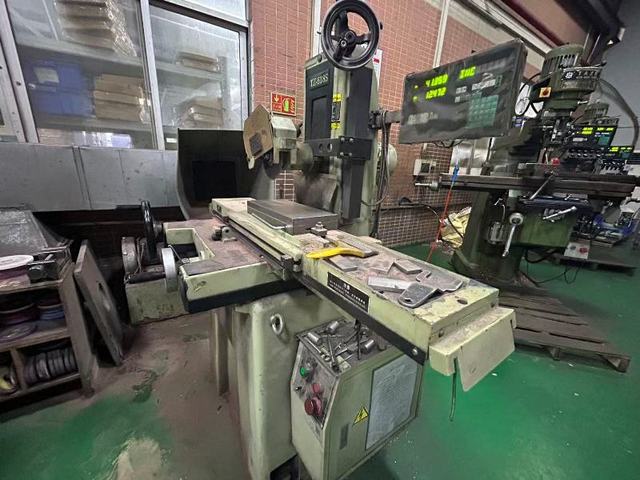
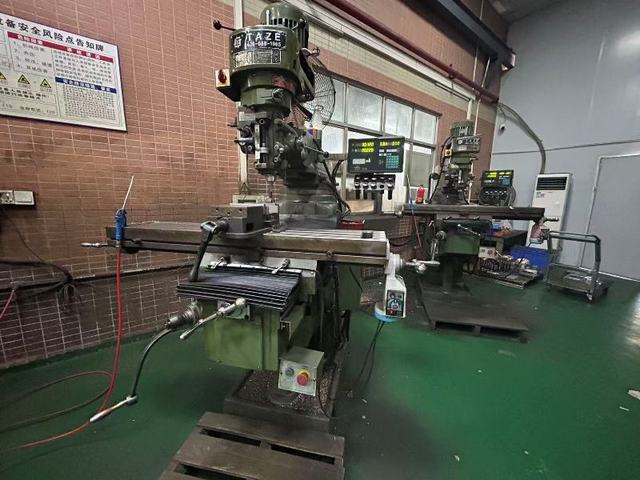
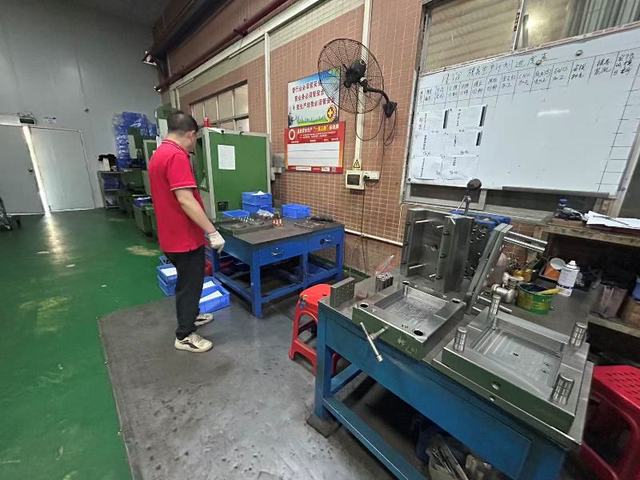
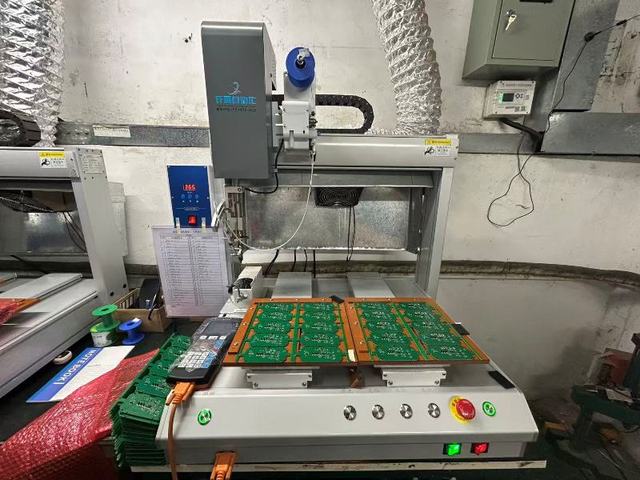
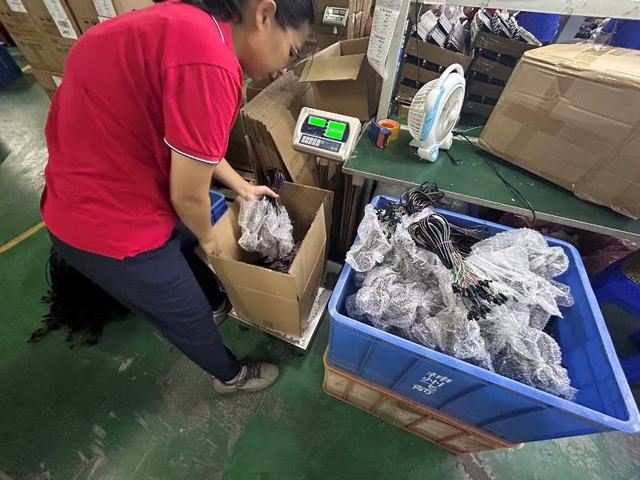
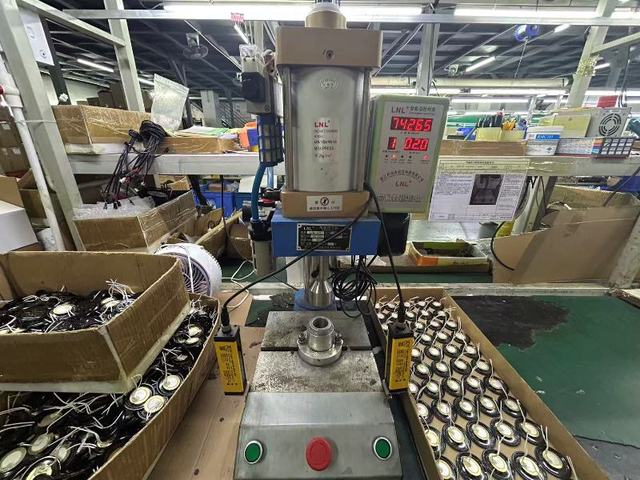
As a leading supplier of automotive lighting, Hangzhou EV Light Co., Ltd. uses advanced Factory 4.0 systems. Our smart production center integrates robotic chip mounters, automated optical inspection (AOI), and environmental chambers that simulate extreme African road heat and vibration. This high level of automation guarantees that each batch of LED headlamps and indicator lights is manufactured to consistent, high-quality standards.
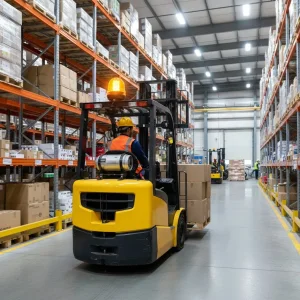
For Namibia and the wider SADC region, shipping delays can lead to downtime. By using smart logistics systems, real-time inventory planning, and partnerships with shipping lines via Walvis Bay, we ensure a reliable supply chain. We maintain raw material inventories that allow us to scale production up to 100,000 units per month, supporting both high-volume OEM integrations and fast aftermarket distribution.
Namibian buyers require assurance that imported electrical components meet all local and international regulatory requirements. We design and test our automotive lighting systems to meet these expectations:
High-visibility safety warning beacon for Namibian open-pit mining operations.
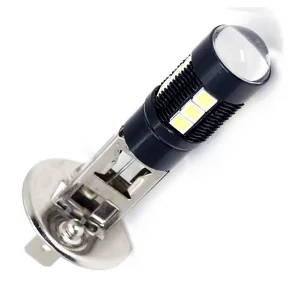
Universal fit indicator upgrade delivering low power draw and long life.
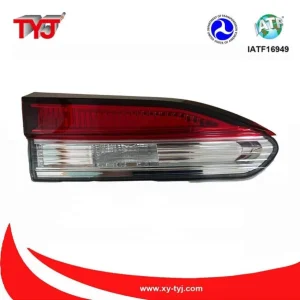
Precision fit rear tail assemblies designed to handle gravel road vibration.
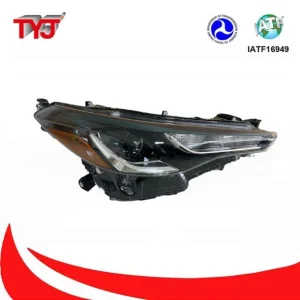
Plug-and-play assembly featuring an energy-conserving internal chip driver.
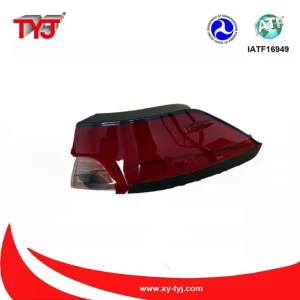
Highly visible rear signaling arrays designed to resist fine desert dust ingress.
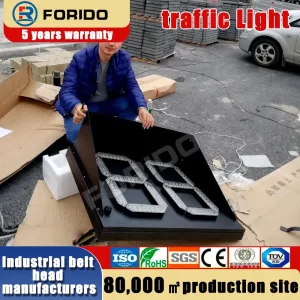
Municipal-grade, low-voltage control systems designed for rugged industrial zones.
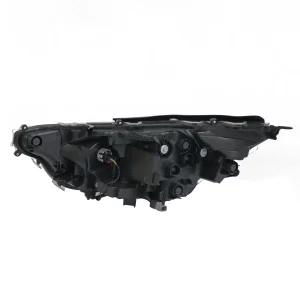
Optimized beam pattern design perfect for the popular Namibian SUV market.
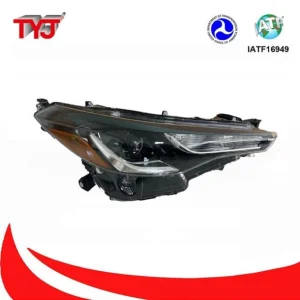
Professional wholesale replacement option designed for commercial rental and passenger fleets.
Namibian road cargo transport operates over very long distances, where alternator failure can cause serious downtime. Traditional lighting systems generate high heat and draw significant current from the vehicle's electrical system. High-efficiency LEDs consume up to 80% less power, reducing load on the alternator. This helps improve fuel efficiency and ensures longer battery lifespans under high thermal operating conditions.
Our LED systems feature IP68 and IP69K sealed housings, preventing the ingress of micro-fine dust particles common in Namibian mining and desert areas. Without proper sealing, dust can scratch internal surfaces, reduce light output, and cause electrical failures. Our lamps also use UV-stabilized polycarbonate lenses that resist hazing and yellowing under intense African sun exposure.
Our products are built with high-grade aluminum housings, solid-state SMD circuitry, and reinforced solder points. Solder pins and microchips are secured with thermal-conductive epoxy. This design eliminates the delicate wire filaments found in traditional bulbs, helping our lights withstand the constant vibration of Namibia's gravel roads.
We support Namibian automotive distributors, mining companies, and retail networks with flexible wholesale packages. We offer customized housing colors, custom beam spreads, private labeling, and regional compliance packaging. Please contact our sales team to discuss specific order requirements.
We ship container loads (FCL) and partial container loads (LCL) directly from our manufacturing hub in China to the Port of Walvis Bay. We handle export documentation, customs packing lists, and regulatory compliance checks, ensuring a smooth customs clearance process and quick delivery to Windhoek, Swakopmund, or local mining operations.
Get in touch with our automotive engineering team today. We provide high-performance, energy-efficient vehicle lighting systems designed to meet the technical demands and tough road conditions of the Namibian market.
Request Technical Specification & Pricing EV Light