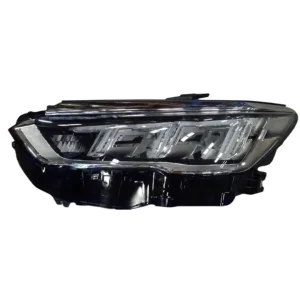
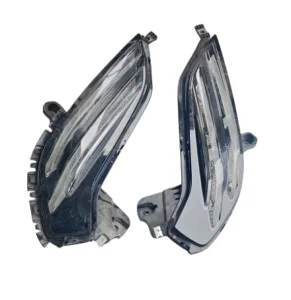
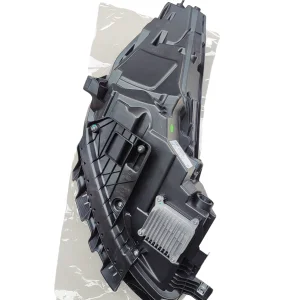
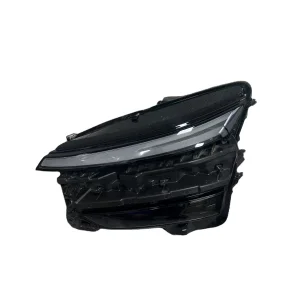
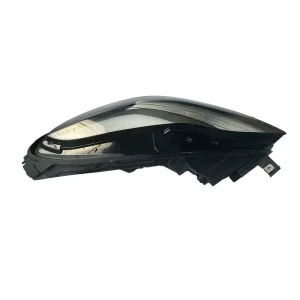
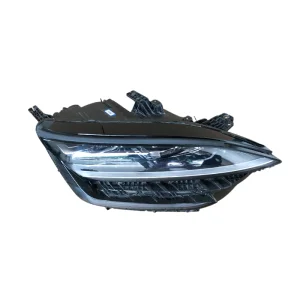
Direct-fit, energy-efficient LED modules configured to support local fleet conversions, municipal infrastructure, and regulatory guidelines for New York's transition to zero-emission vehicles.
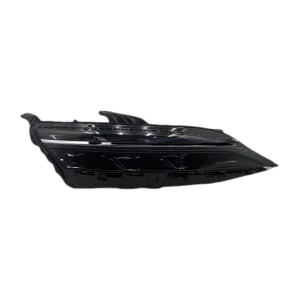
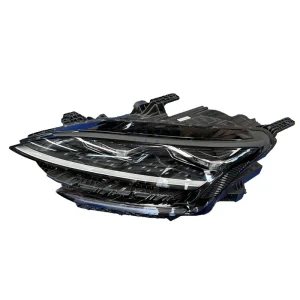
As New York accelerates toward its target of having 100% zero-emission passenger vehicles by 2035 and all medium and heavy-duty vehicles zero-emission by 2045 under the Climate Leadership and Community Protection Act (CLCPA), commercial and municipal transit authorities are rapidly modernizing their fleets. A critical but frequently overlooked element of this transformation is the integration of advanced safety components—primarily Electric Vehicle (EV) Adaptive Lighting systems.
Operating an EV in New York presents unique challenges. Drivers must navigate high-density metropolitan areas like Manhattan, where heavy pedestrian activity requires precise, wide-angle low-beam patterns, and then transition seamlessly to dark upstate highways (such as the I-87 corridor or the Taconic State Parkway), where long-range adaptive high beams are vital for avoiding hazards like black ice and wildlife crossings.
Furthermore, local weather conditions—including intense winter blizzards, dense coastal fog along Long Island, and heavy summer downpours—require headlight systems with superior ingress protection (IP68+) and specialized thermal management. Unlike traditional combustion vehicles, EVs generate minimal waste engine heat. Therefore, adaptive headlights must feature engineered heat-sink paths and integrated lens-heating technologies to prevent snow and ice accumulation.
For New York automotive importers, distributors, and fleet retrofitters, the regulatory landscape is dominated by the National Highway Traffic Safety Administration's (NHTSA) Federal Motor Vehicle Safety Standard No. 108 (FMVSS 108).
With the federal authorization of Adaptive Driving Beam (ADB) systems in the United States, importers must partner with manufacturers whose factories can execute precise engineering checks. ADB technology allows for active, glare-free high beams that dynamically shadow oncoming drivers while maintaining maximum illumination elsewhere.
To legally access the New York market, adaptive lighting imports must feature:
Hangzhou EV Light Co., Ltd. is a leading China electric vehicle lighting manufacturer, specializing in EV LED lighting and smart automotive lighting solutions designed for the global new energy vehicle industry. Backed by a strong commitment to innovation, high-performance optical engineering, and reliable supply chains, we provide advanced lighting systems that enhance vehicle safety, energy efficiency, and modern visual design.
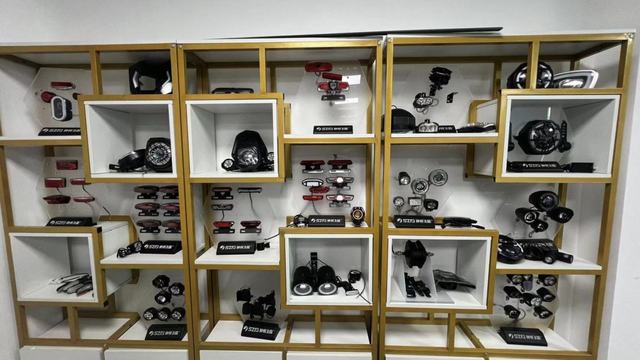
Our extensive product portfolio features EV headlight systems, taillight assemblies, daytime running lights (DRL), dynamic signaling systems, interior ambient lighting, charging status indicators, and smart lighting control modules. Our systems are engineered to meet the demands of modern electric transit networks, including passenger EVs, commercial distribution fleets, electric buses, motorcycles, and next-generation smart mobility solutions.
At Hangzhou EV Light, we combine advanced electronic design with state-of-the-art manufacturing to deliver lighting systems that offer superior brightness, durability, and reduced power consumption. Our experienced R&D team continuously explores new technologies in intelligent lighting control, adaptive lighting systems (ADB), LED integration, and automotive electronics to help lead the future of electric transportation.
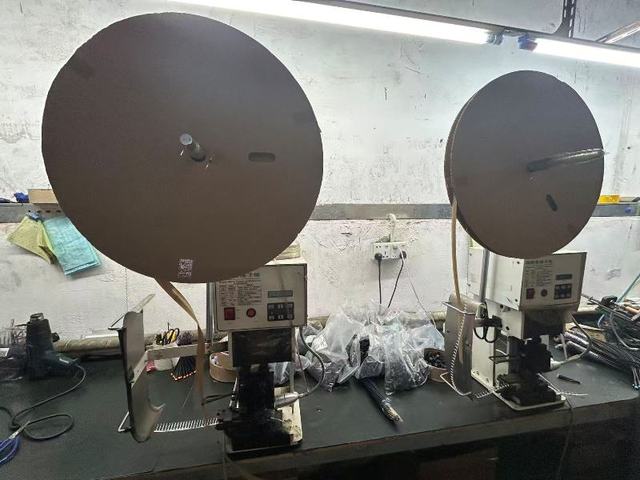
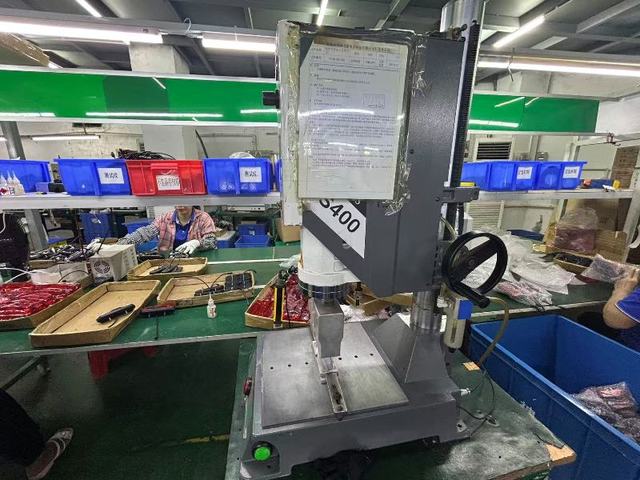
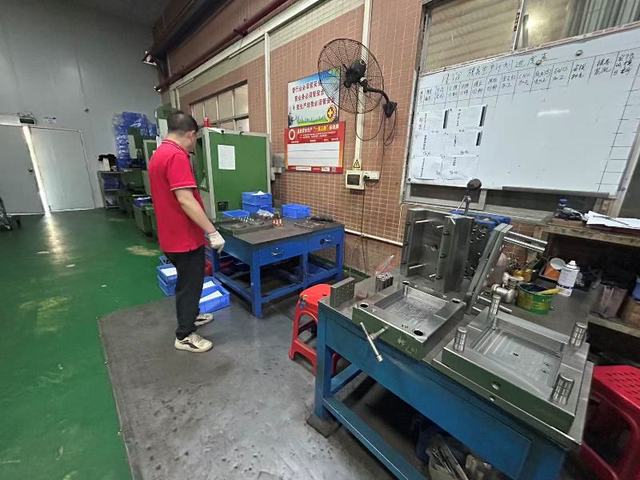
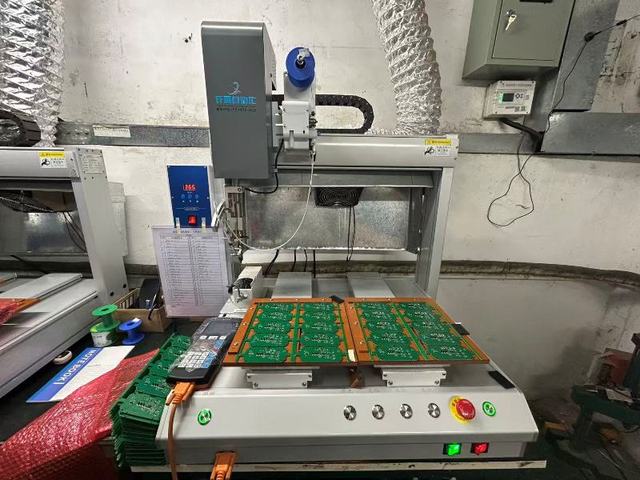
Quality is at the core of our operations. From component sourcing and product design to assembly and final testing, every stage of production follows strict quality management systems (certified under ISO 9001 and IATF 16949) to ensure consistent performance under demanding environmental conditions. Our manufacturing facilities utilize automated surface-mount technology (SMT) lines, environmental testing chambers, and optical testing labs.
We offer comprehensive OEM and ODM services for vehicle manufacturers, automotive suppliers, distributors, and mobility brands worldwide. Whether our clients require custom-engineered designs, private-label manufacturing, or large-scale production runs, our flexible operations can adapt to diverse project requirements and specifications.
Serving clients across North America, Europe, Southeast Asia, and the Middle East, Hangzhou EV Light Co., Ltd. is dedicated to delivering innovative vehicle lighting solutions that support safer, smarter, and more sustainable transit systems. We aim to be a trusted global partner in advanced automotive lighting technology.
Advanced replacement systems and DOT-certified retrofits built to withstand harsh winter conditions and dense metropolitan traffic in New York.
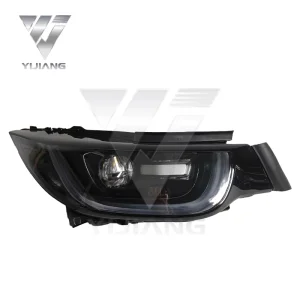
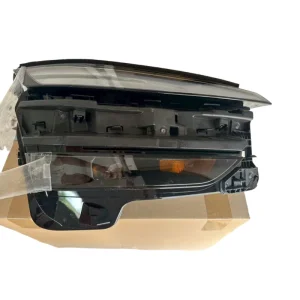
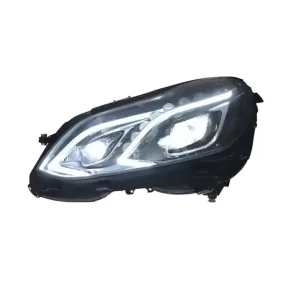
The automotive lighting industry is shifting from static illumination to smart, responsive projection systems that improve driver safety and system efficiency.
Traditional high beams can blind oncoming drivers. Modern matrix-LED systems integrate tens of thousands of individually addressable micro-LEDs managed by high-speed processor chips. Using cameras and lidar data, the system dims individual pixels to create a dynamic shadow zone around oncoming cars, while keeping the rest of the road brightly lit.
New technologies allow headlights to project symbols directly onto the road. For example, lights can project pedestrian warning symbols, driving lanes, or navigation directions onto the pavement. This function is particularly useful for low-light driving on busy roads like FDR Drive or the Long Island Expressway.
Modern lighting modules are closely integrated into the vehicle's electronic architecture. By communicating directly over Controller Area Network (CAN) or Local Interconnect Network (LIN) lines, adaptive headlights can adjust their beam direction and height based on the vehicle's real-time steering angle, speed, suspension position, and GPS location.
Because EV range is a primary consideration, lighting systems must minimize power consumption. By optimizing thermal pathways and using high-efficiency LED arrays, we reduce the electrical load on the vehicle's low-voltage DC-DC converter, saving energy for propulsion.
We configure our lighting systems to meet the specific requirements of various vehicle operators throughout New York State.
NYC taxi fleets and rideshare vehicles operate continuously in challenging city environments. Our lights feature reinforced housing assemblies and vibration-resistant mounting systems to withstand potholes, minor impacts, and constant use. High-efficiency heat sinks ensure consistent light output even during extended operating shifts.
With the rapid growth of e-commerce warehouses in Brooklyn, Queens, and New Jersey, electric delivery vans require reliable lighting for early-morning and late-evening residential routes. Our headlights provide wide, uniform light distribution to help drivers identify curbs, signs, and pedestrians.
We help buyers streamline the procurement process, manage logistics, and verify product compliance from our manufacturing facilities in China directly to East Coast delivery hubs.
To ensure reliability, all lighting assemblies undergo rigorous environmental and operational testing in our labs before shipping. This includes thermal shock testing, vibration testing, and long-term ingress checks to prevent moisture accumulation in cold or humid climates.
Our factory holds ISO 9001:2015 and IATF 16949:2016 certifications. We inspect incoming materials, monitor production lines with automated optical systems, and perform final photometric checks on every batch to verify that beam patterns match target safety standards.
Located near the ports of Ningbo and Shanghai, we offer streamlined logistics support to simplify shipping to the Port of New York and New Jersey. Our team manages customs documentation, tariff classification, and packaging to ensure safe transit and timely delivery.
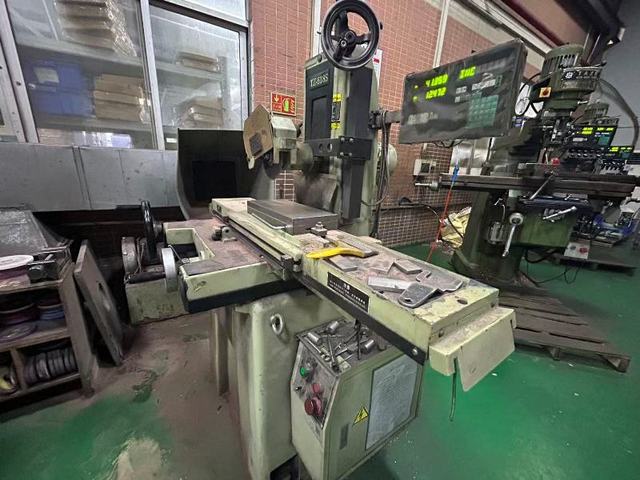
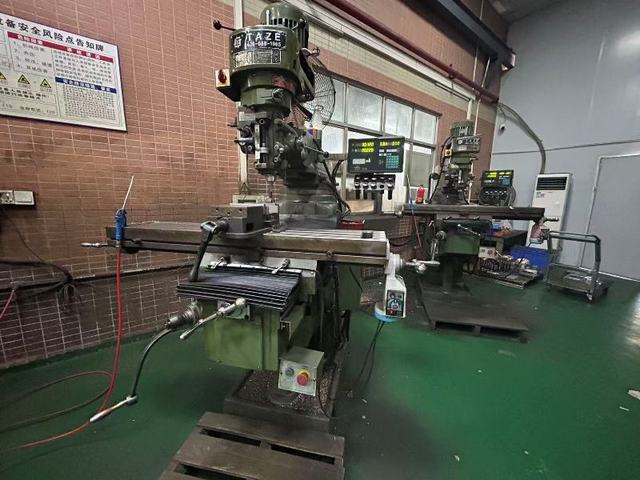
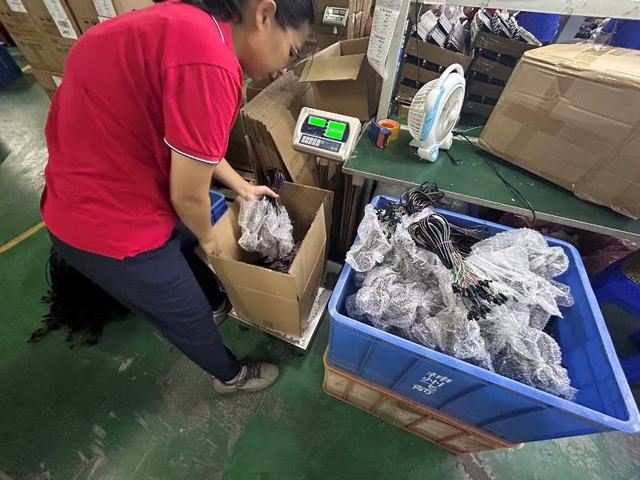
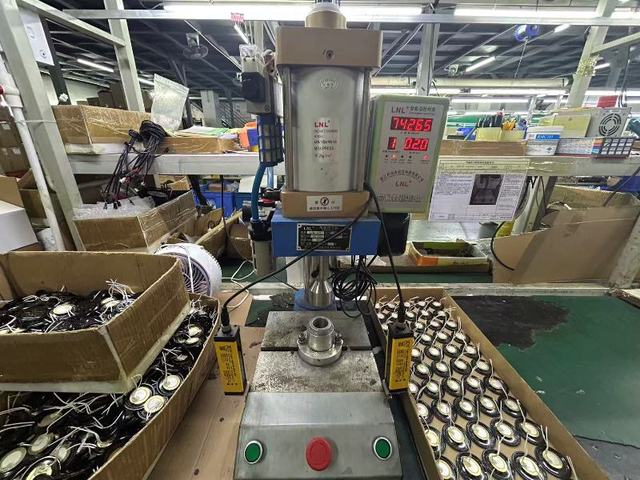
A visual look inside our manufacturing processes, including automated SMT assembly lines, cleanrooms, and testing facilities.
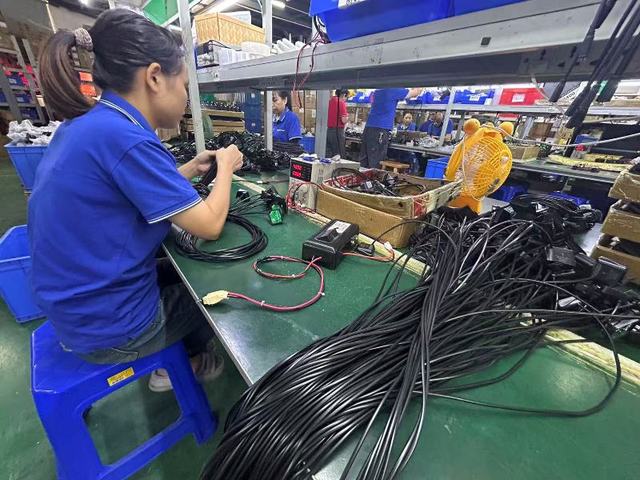
Key information regarding regulatory standards, shipping times, custom modifications, and ordering procedures for North American buyers.
Our lighting assemblies are designed and manufactured to meet DOT, SAE, and ECE specifications. We perform photometric checks using specialized goniophotometer systems to verify beam cut-off lines and luminous intensity. Compliance documentation, test reports, and certificate copies are provided to customers prior to shipment to ensure smooth imports.
For standard designs with custom branding, production typically takes 30 to 45 days. For custom engineering projects (such as new light guides, custom housing geometry, or specialized CAN-bus program adjustments), the tooling and prototyping phase takes 60 to 90 days, followed by final certification and bulk run authorization.
Yes. We can integrate resistive heating wire arrays or positive temperature coefficient (PTC) heating elements into the polycarbonate lenses of our headlights. These systems activate automatically at low temperatures to melt snow and ice, ensuring clear visibility during winter operation.
We offer multiple shipping arrangements, including FOB (Free on Board), CIF (Cost, Insurance, and Freight), and DDP (Delivered Duty Paid) to New York. Bulk orders are processed through the Ningbo or Shanghai ports, with direct shipping lanes to the Port of New York and New Jersey. Urgent air freight shipments can be routed through JFK International Airport.
Our headlights feature integrated, programmable CAN-bus controllers. We calibrate the internal firmware to match specific vehicle profiles, avoiding flicker, dash warnings, or communication errors. Before shipping, we verify communication protocols to ensure compatibility with your vehicle fleet.
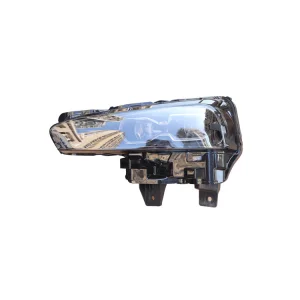
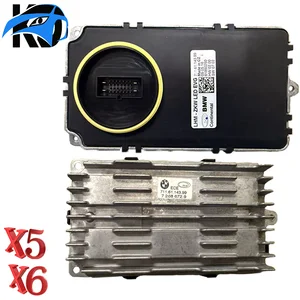
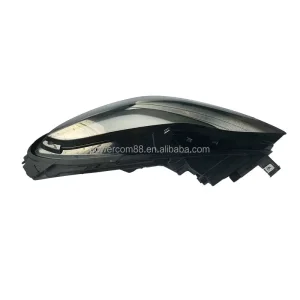
A comprehensive range of replacement assemblies, high-mounted brake lights, and matrix control modules designed for professional importers and fleet managers in New York.
 EV Light