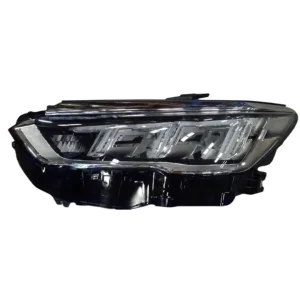
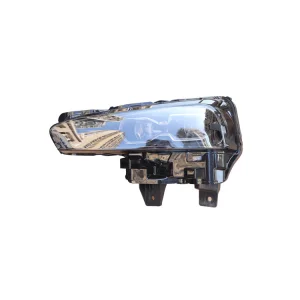
Direct supply and customized adaptive lighting solutions tailored to meet the strict demands of German road safety standards, autobahn high-speed visibility requirements, and electric vehicle architectures.
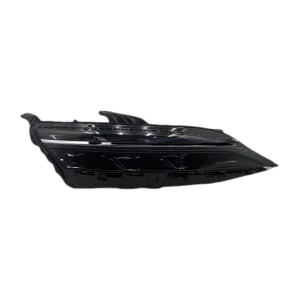
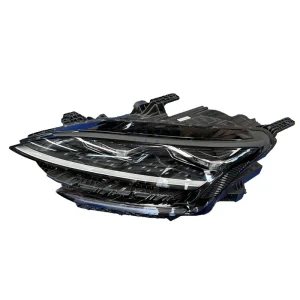
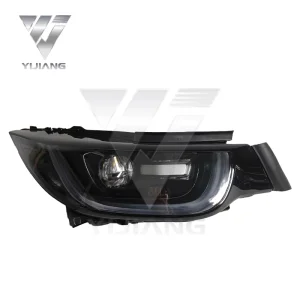
The German automotive industry, long recognized as the global benchmark for engineering precision, safety, and performance, is undergoing a historic paradigm shift toward electrification. Within this transformation, Adaptive Driving Beam (ADB) and Intelligent Matrix LED technologies have transitioned from luxury options to standard equipment. Germany's unique driving infrastructure—characterized by dark rural regional roads, mountainous terrains, and high-speed, unlimit-speed sections of the Autobahn—imposes extremely demanding requirements on automotive illumination systems.
As electric vehicles (EVs) become dominant in Germany, light emitting diode (LED) systems are no longer assessed solely on lumens. Instead, their performance is evaluated based on energy efficiency (crucial for preserving battery range), thermal management within closed pods, integration with Advanced Driver Assistance Systems (ADAS), and compliance with the stringent UNECE Regulations (particularly UNECE R149) and German StVZO (Road Traffic Licensing Regulations).
"For German automotive OEMs and Tier-1 suppliers, a lighting module is not merely a source of illumination; it is a critical component of the vehicle's active safety and sensor fusion ecosystem."
As leading suppliers and exporters, we deliver advanced adaptive lighting systems engineered specifically for German infrastructure. By implementing high-resolution matrix technology, fast-response electronic control units (ECUs), and robust electromagnetic compatibility (EMC), we support German distributors and vehicle manufacturers in achieving rapid time-to-market while ensuring strict compliance with local safety regulations.
Electric vehicle architectures demand a ground-up redesign of traditional lighting hardware. Standard internal combustion engine (ICE) vehicles rely on alternating current generators, whereas EVs run on sophisticated high-voltage traction batteries and low-voltage auxiliary DC-DC conversion grids. This demands unprecedented efficiency and minimal electromagnetic interference (EMI) from the lighting sub-systems.
By utilizing synchronous rectification and multi-channel buck-boost topologies, our LED driver modules achieve electrical efficiency ratings exceeding 92%. This reduces parasitic draw on the 12V auxiliary system, helping extend the overall driving range of the EV.
Our adaptive driving beam systems segment headlights into multiple independently controlled LED units. Guided by real-time data from vehicle cameras, they dim specific segments to block out glare for oncoming drivers while keeping the surrounding area fully illuminated.
Electric vehicle powertrains run at high switching frequencies that can cause significant electromagnetic interference. Our lighting components are engineered to comply with CISPR 25 Class 5 standards, preventing interference with onboard radars, LiDAR, and GPS receivers.
Modern adaptive lighting in Germany operates in tandem with the vehicle's ADAS controller. By processing inputs from forward-looking stereo cameras, radar, and navigation systems, the lighting ECU anticipates curves, intersections, and changes in topography. For example, when GPS data indicates an upcoming highway exit, the headlight beam automatically widens to illuminate the shoulder. Similarly, when a pedestrian is detected near the roadway, a targeted light pulse alerts both the driver and the pedestrian, enhancing safety without causing glare.
Our commitment to rigorous testing and advanced engineering translates directly into measurable field reliability and performance metrics.
Entering the German automotive market requires compliance with stringent regulatory frameworks. Unlike regions governed by self-certification (such as US DOT standards), Germany and the broader European Union mandate strict type-approval protocols overseen by national authorities like the Kraftfahrt-Bundesamt (KBA). Compliance with UNECE regulations is non-negotiable for any supplier seeking to export adaptive lighting solutions to Europe.
Our products undergo comprehensive validation testing to meet these high standards:
By addressing these regulatory requirements during the early design and prototyping stages, we provide German importers with fully certified, plug-and-play lighting systems that streamline the vehicle integration process.
Managing a global supply chain requires balancing cost-efficiency with high engineering standards. As a prominent China-based electric vehicle lighting manufacturer, Hangzhou EV Light Co., Ltd. serves as a reliable bridge between advanced, high-scale manufacturing and the specific, high-quality demands of the German market.
We work closely with German Tier-1 suppliers, specialty aftermarket distributors, and niche EV builders to optimize importing pipelines. Our logistics and production workflows are structured to meet the demanding requirements of Western European logistics:
We provide comprehensive design and customization services. Whether you require bespoke lighting elements for a new EV platform or direct replacement parts, our engineering team can adapt housings, mounts, and electronic protocols to your exact requirements.
Operating under ISO 9001 and IATF 16949 quality management frameworks, every production batch is subjected to rigorous optical profiling, thermal cycle endurance testing, vibration testing, and simulated aging.
Our systems support CAN-Bus, LIN-Bus, and Automotive Ethernet communication protocols, allowing seamless integration with vehicle electronics and facilitating remote software and calibration updates.
To deliver true value, adaptive lighting must be calibrated for the specific driving conditions of the target region. Our lighting engineers study German road layouts and driving habits to customize beam profiles for key scenarios:
At driving speeds exceeding 130 km/h, the vehicle's stopping distance increases dramatically. Standard headlights do not project far enough ahead to provide adequate reaction time. Our system detects high-speed travel via CAN-Bus data and automatically adjusts the beam profile. It narrows the beam, centers the light, and extends the projection distance to over 250 meters. This improves long-range visibility while preventing glare for drivers far ahead in the same lane.
German rural roads are often narrow, unlit, and wind through dense forests where wildlife crossings present a constant hazard. Our matrix headlights use wide-angle lateral illumination to light up the road shoulders and ditches. If a pedestrian or wild animal is detected by the vehicle's thermal or optical sensors, the system directs a localized light spot toward the hazard, alerting the driver and giving them crucial extra seconds to react.
When driving on winding roads, traditional automatic high beams often switch back and forth between high and low modes, causing fatigue for the driver and potential glare for others. Our ADB Matrix system utilizes dynamic, real-time masking. When oncoming traffic is detected, the system dims only the specific LED segments shining directly at the other vehicle, while leaving the rest of the road fully illuminated with high-beam intensity. This ensures maximum visibility for the driver without blinding others.
Hangzhou EV Light Co., Ltd. is a professional China electric vehicle lighting manufacturer specializing in EV LED lighting and smart automotive lighting solutions for the rapidly evolving new energy vehicle industry. With a strong commitment to innovation, performance, and reliability, we provide advanced lighting technologies that enhance vehicle safety, energy efficiency, functionality, and visual appeal.
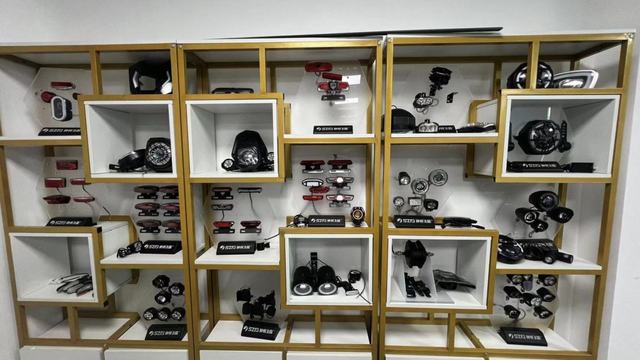
Our product portfolio includes EV headlight systems, taillight assemblies, daytime running lights, signal lighting, interior ambient lighting, charging status indicators, smart lighting modules, and customized automotive lighting solutions. Designed to meet the requirements of modern electric vehicles, our products are widely used in passenger EVs, commercial electric vehicles, electric buses, electric motorcycles, electric motorcycles, electric scooters, and emerging smart mobility applications.
At Hangzhou EV Light, we combine advanced engineering expertise with modern manufacturing capabilities to develop lighting solutions that deliver superior brightness, durability, and energy efficiency. Our experienced research and development team continuously explores new technologies in intelligent lighting control, adaptive lighting systems, LED integration, and automotive electronics to support the future of electric transportation.
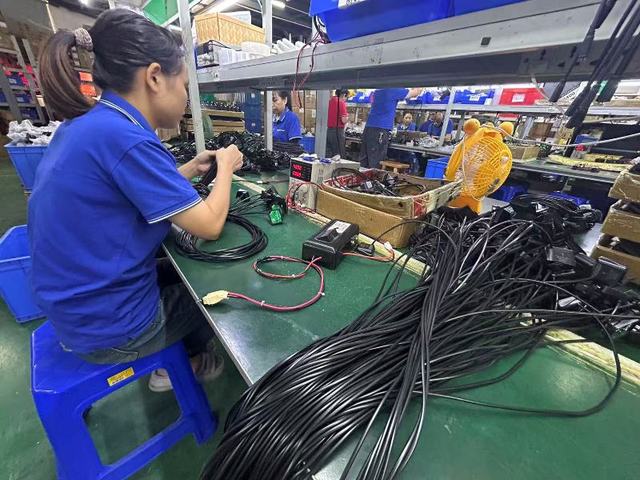
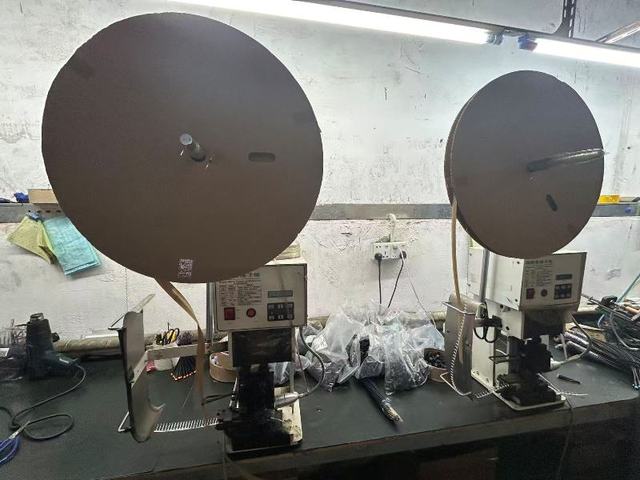
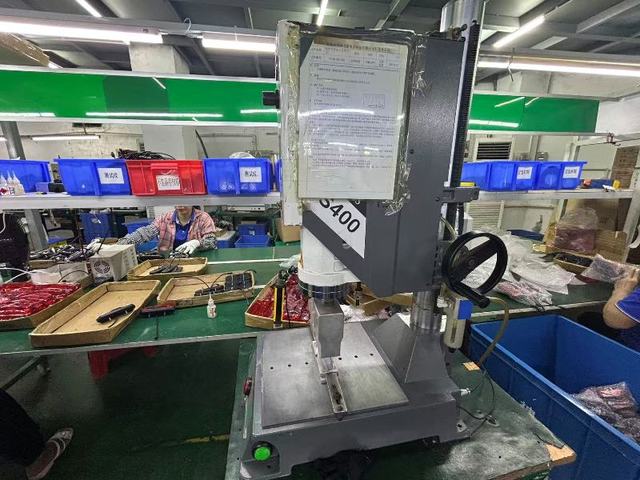
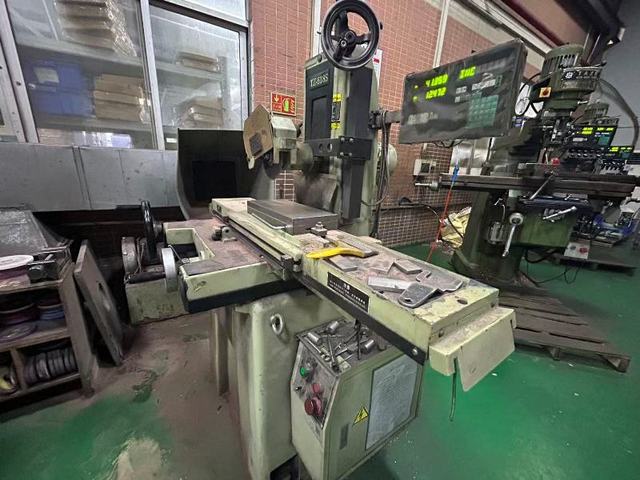
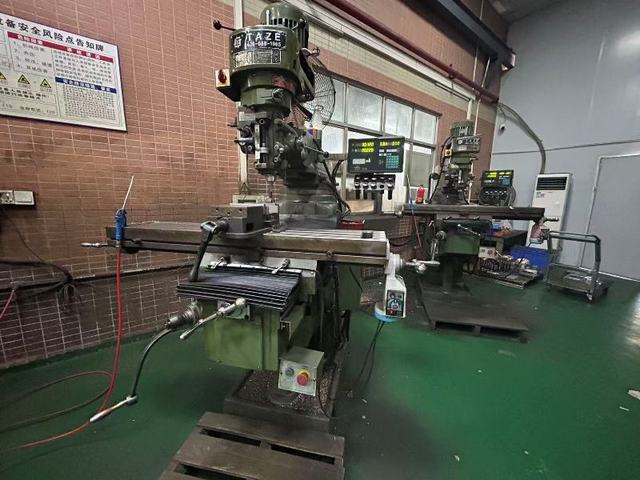
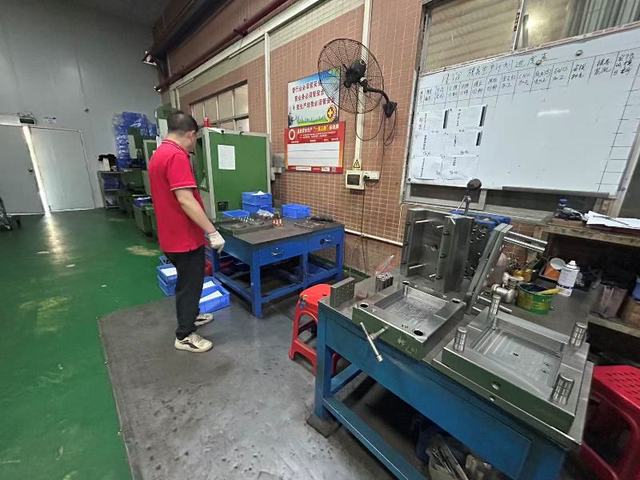
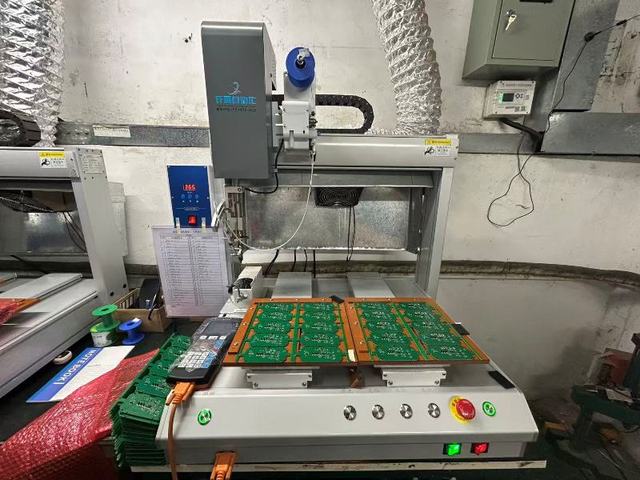
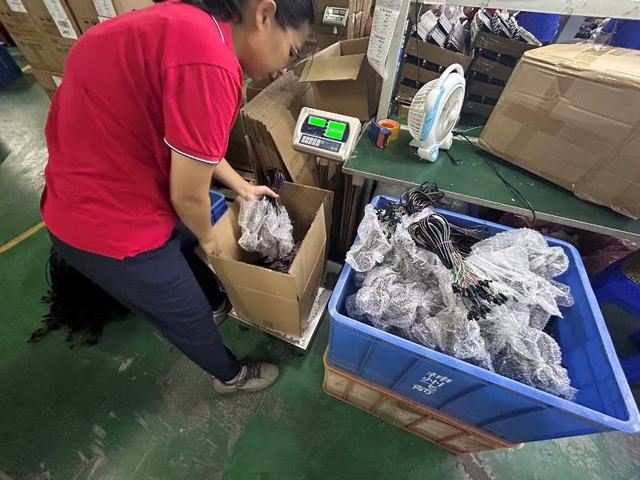
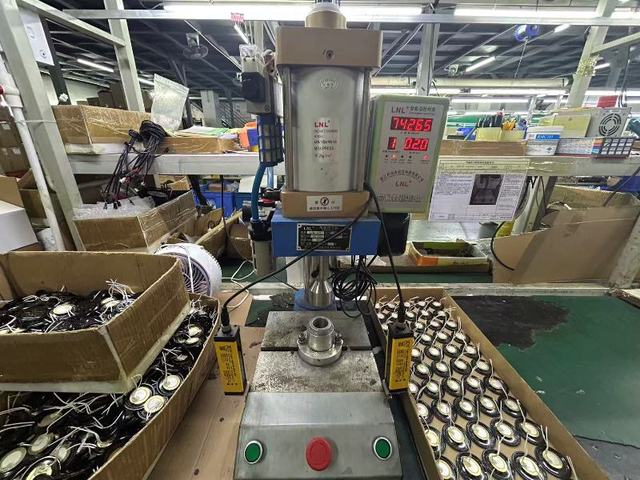
Quality is at the core of our operations. From component sourcing and product development to production and final testing, every stage follows strict quality management procedures to ensure consistent performance and compliance with international automotive standards. Our manufacturing facility is equipped with advanced production and testing equipment, enabling us to provide reliable products for demanding automotive environments.
We offer comprehensive OEM and ODM services for vehicle manufacturers, automotive suppliers, distributors, and mobility brands worldwide. Whether customers require customized designs, private-label production, or large-scale manufacturing, our flexible production capabilities support projects of various sizes and specifications.
Serving clients across North America, Europe, Southeast Asia, the Middle East, and other global markets, Hangzhou EV Light Co., Ltd. is dedicated to delivering innovative electric vehicle lighting solutions that contribute to safer, smarter, and more sustainable transportation. Our mission is to become a trusted global partner in advanced automotive lighting technology and smart mobility innovation.
As automotive lighting transitions from illumination to communication, our engineering team is developing next-generation technologies to meet emerging requirements in the European market:
Moving beyond basic matrix layouts, we are developing high-resolution micro-LED systems featuring over 20,000 pixels. These high-density arrays allow headlights to project symbols directly onto the road surface, such as navigation guides, ice warnings, or pedestrian crosswalks. This turning of the headlight into a projection interface helps lay the groundwork for level 4 and 5 autonomous driving systems.
For rear lighting, we are integrating thin-film digital OLED panels. These panels can display dynamic warning symbols and change their patterns based on driving conditions. For instance, in sudden traffic jams on the Autobahn, the rear lights can display a warning symbol to alert approaching vehicles sooner, helping prevent rear-end collisions.
In line with the European Union's sustainability initiatives, we are redesigning our product housings and optics to simplify disassembly and recycling. By using post-consumer recycled plastics and modular electronics, we help OEMs meet their circular economy goals without compromising performance or reliability.
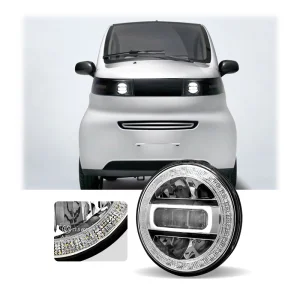
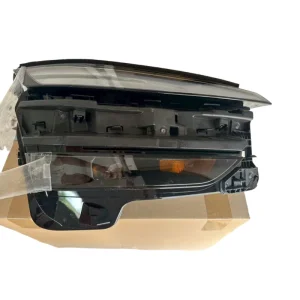
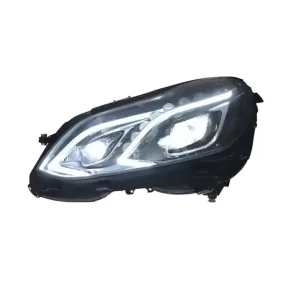
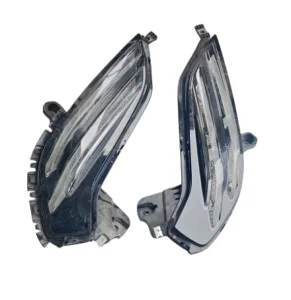
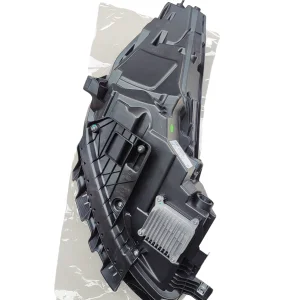
A comprehensive selection of certified headlamp assemblies, intelligent modules, and light bars designed for modern electric vehicle architectures.
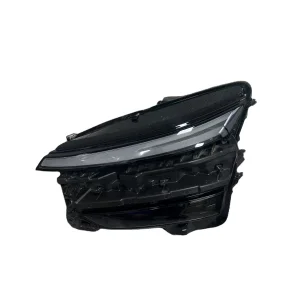
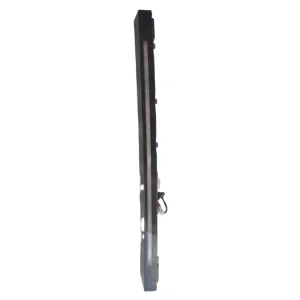
Technical information and insights regarding compliance, importing processes, and design specifications for EV adaptive lighting in Germany.
Get in touch with our engineering and sales teams to request a quotation, verify compatibility, or receive technical datasheets for our product line.
Send Inquiry Now EV Light