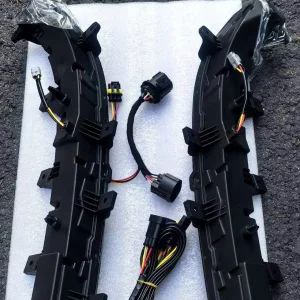
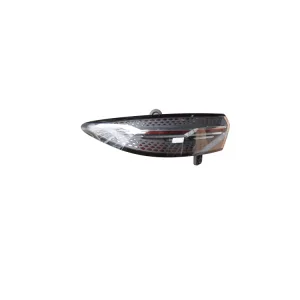
High-performance, smart-compatible automotive lighting. Configured for severe climate resilience and EU E-Mark conformity required for direct integration on Dutch electric vehicle systems.
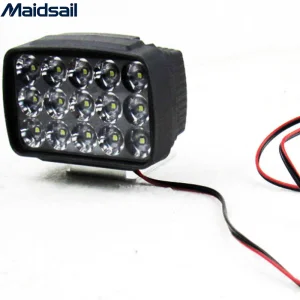
The Netherlands represents one of the most sophisticated and rapidly evolving markets for electric mobility in Europe. Driven by aggressive zero-emission policies, the Dutch government aims for 100% of all new car registrations to be emission-free by 2030. In addition, urban logistics in major metropolitan centers like Amsterdam, Rotterdam, The Hague, and Utrecht are rapidly transitioning to electric cargo vans, medium-duty logistics vehicles, and e-buses.
Operating in the Netherlands presents unique geographic and environmental challenges. With a high density of cyclists, pedestrians, and complex urban lanes, vehicle exterior lighting systems are no longer merely functional tools to illuminate the road. They are crucial communication channels that facilitate advanced driving safety, warning systems, and automated ADAS alignment. Furthermore, the Dutch maritime climate, characterized by high humidity, coastal salinity, and wet winters, requires lighting hardware of the highest physical resilience.
Did you know? In the Netherlands, external vehicle lighting must comply strictly with UNECE regulations, particularly UN R48 (installation of lighting devices) and UN R149 (road illumination devices). Failure to clear E-Mark authorization prevents registration within the RDW (Netherlands Vehicle Authority) databases.
To ensure zero-failure operation in northern European environments, our lighting platforms integrate specialized materials and thermal techniques:
As headlights transition from passive illuminating elements to active driving assistants, Adaptive Driving Beams (ADB) are leading the industry change. Utilizing specialized matrix controller chips and camera feeds, ADB systems selectively dim pixels that correspond to oncoming traffic or pedestrians. For Dutch highways like the A2 or A9, where traffic is dense and multi-modal, this guarantees maximum illumination of dark shoulders without blinding oncoming drivers.
In next-generation EV design, front lights are increasingly sharing physical space with ADAS sensors. LiDAR sensors, radar systems, and cameras require unobstructed fields of view and minimal thermal interference. Hangzhou EV Light works directly with OEMs to design custom EV headlight housings that incorporate integrated heating zones to melt snow and ice over sensors, ensuring uninterrupted semi-autonomous driving functionality in northern European winter conditions.
Given the highly specialized layout of Dutch streets (Woonerfs) where cars share narrow spaces with heavy cyclist traffic, smart exterior lighting serves as a projection canvas. Exterior lighting projection modules (up to 1.3 million pixels using DMD arrays) project directional indicators, pedestrian walking paths, or braking distance warnings directly onto the pavement, paving the way for safer cooperative driving ecosystems.
Hangzhou EV Light Co., Ltd. is strategically located in the heart of China's high-tech automotive manufacturing hub. This geographic location gives us an unparalleled advantage in sourcing raw materials, accessing world-class optoelectronic researchers, and maintaining cost structures that Western suppliers cannot replicate.
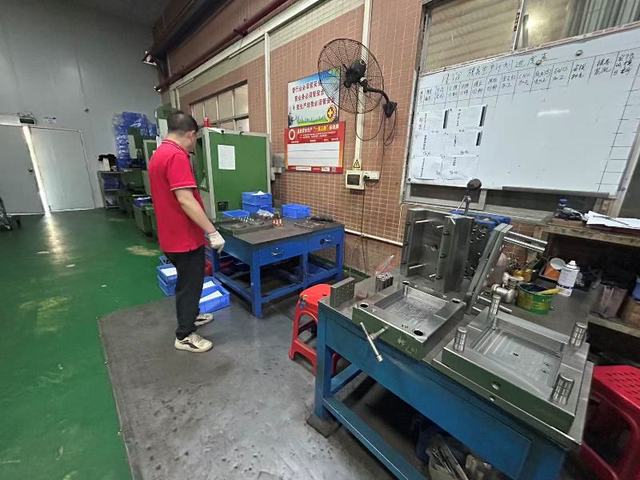
We manage every phase of the value chain under one roof: from optical raytracing modeling, thermal simulation, SMT electronic packaging, cleanroom lens injection molding, to dynamic environmental testing. For Dutch customers, this means rapid prototyping cycles (from concepts to optical proof-of-concept in less than 21 days) and direct shipping optimization to major entry ports like Rotterdam, ensuring seamless distribution across Northern and Western Europe.
Whether you are an electric bus builder in Veldhoven, a custom commercial delivery vehicle integrator in Almere, or an automotive distribution network based out of Rotterdam, our flexible production floor scale supports everything from small-batch specialized orders to multi-year OEM volume commitments.
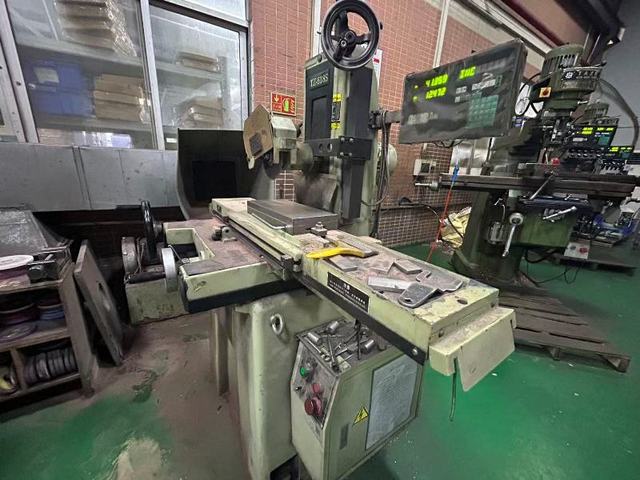
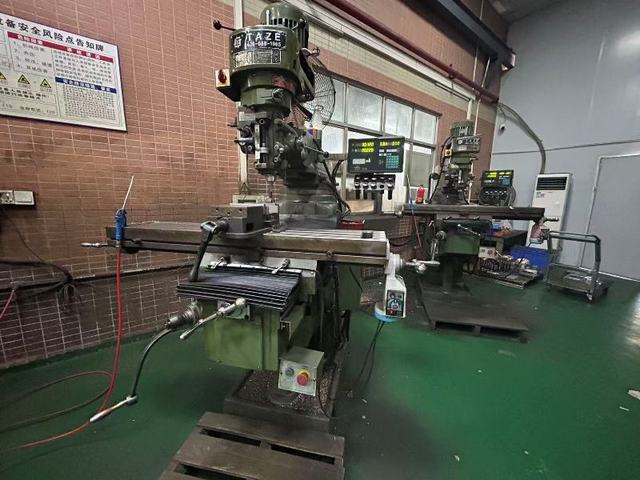
Our state-of-the-art production floors feature automated SMT assembly lines, cleanrooms, and testing facilities to meet the stringent quality control standards required by global automotive OEMs.
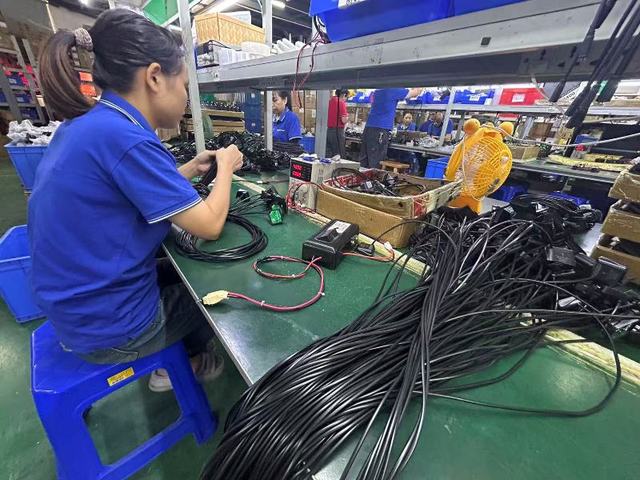
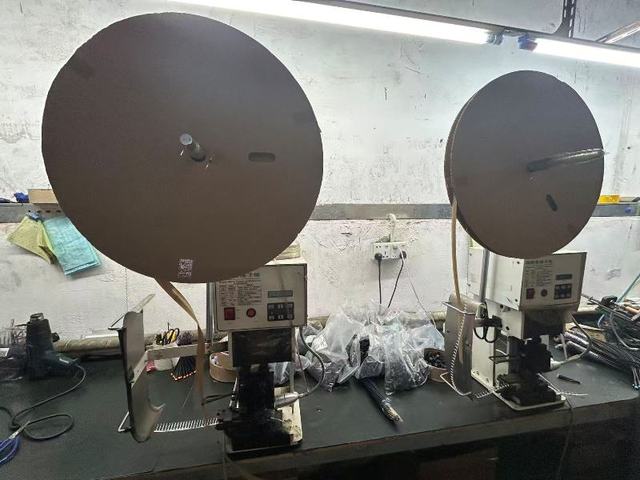
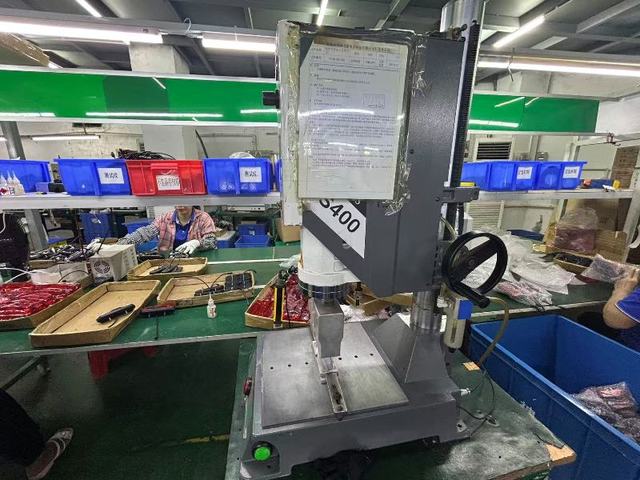
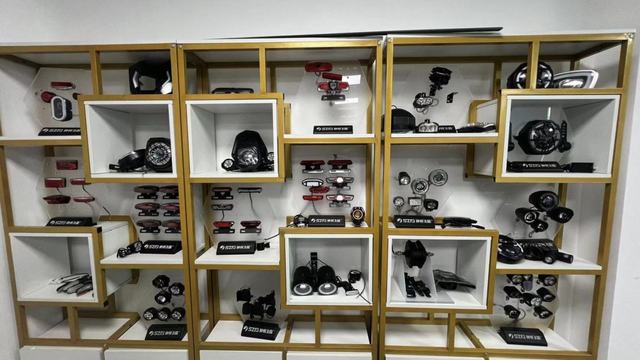
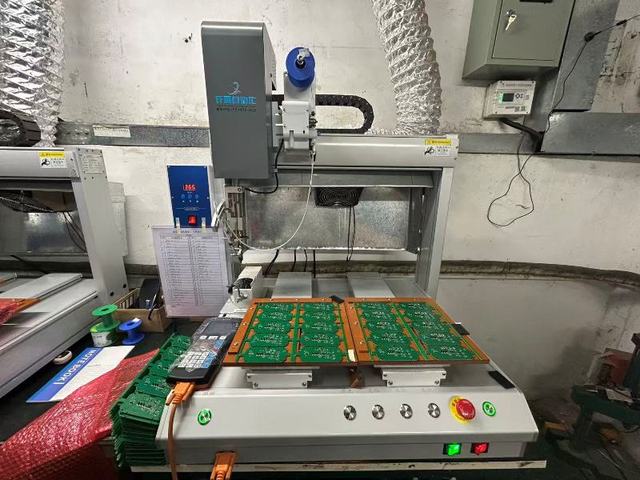
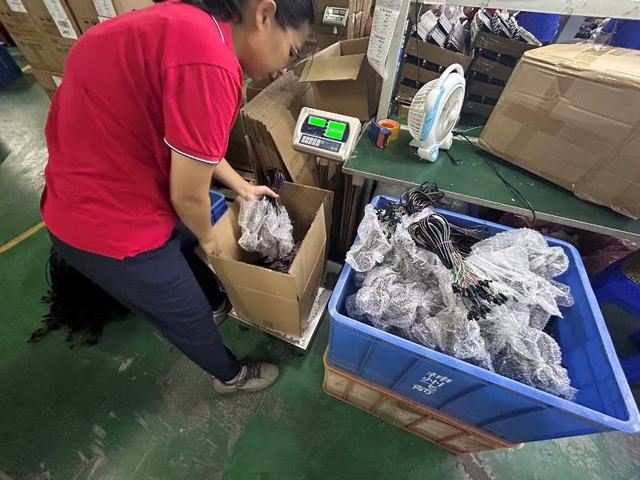
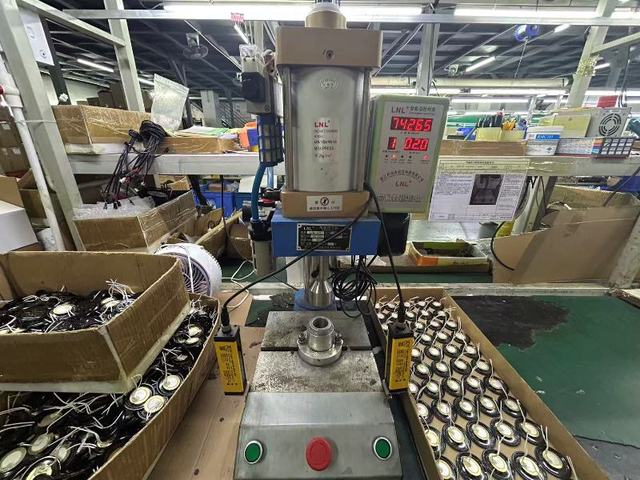
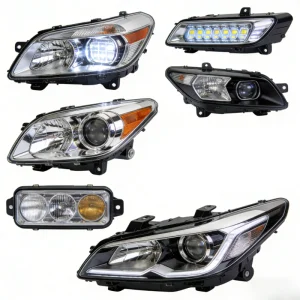
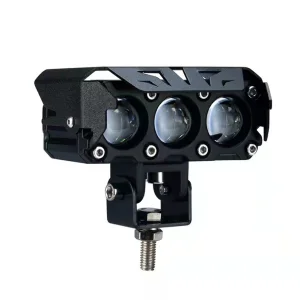
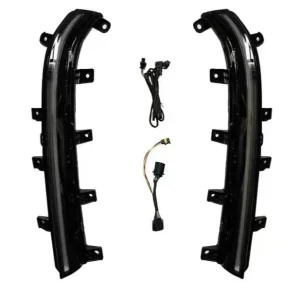
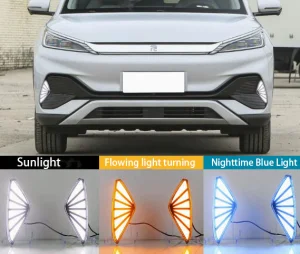
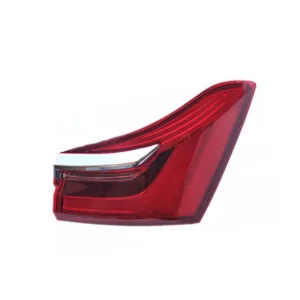
Explore our comprehensive range of specialized exterior products. Each item is designed for low-emission targets, optimized thermal profiles, and high mechanical protection ratings.
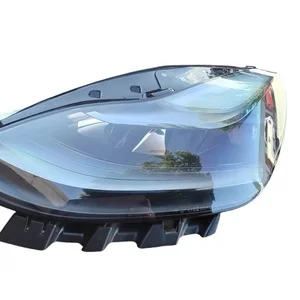
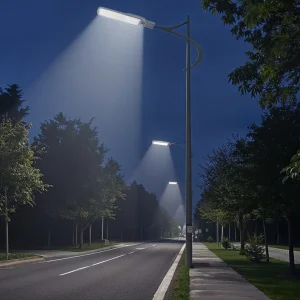
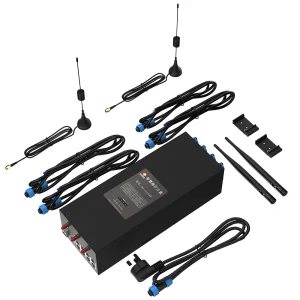
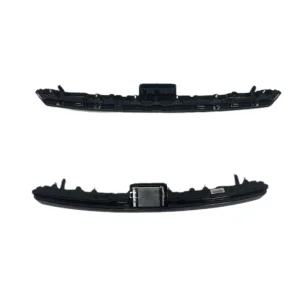
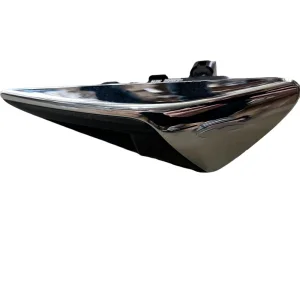
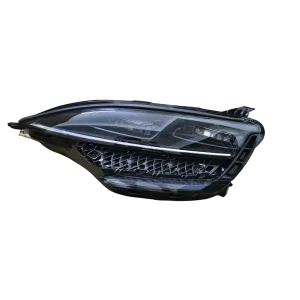
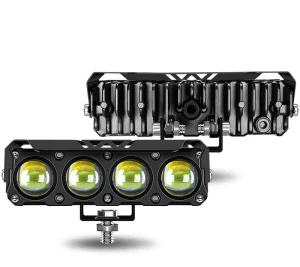
When procurement officers, automotive quality directors, and fleet upgrade teams search for an international supplier, the biggest challenges are trust, engineering documentation depth, and long-term product lifecycle stability. At Hangzhou EV Light, we demonstrate our engineering authority through strict compliance certificates, technical whitepapers, and operational openness.
Our in-house design labs utilize automated spectral scanners, integrating spheres, and goniophotometers to map spatial distribution profiles of luminous flux. This allows us to provide comprehensive E-Mark testing reports, photometric databases (IES/LDT files) for road lighting compliance, and localized electromagnetic shielding validations (conforming to the UNECE R10 EMC Directive).
This attention to detail has earned us long-standing partnerships with leading regional and international distributors, custom retrofit centers, and electric vehicle builders across Europe, Southeast Asia, and North America.
Before deploying exterior lighting components within the Netherlands, your engineering department must verify compliance against critical specifications:
Get in touch with our engineering team today to request customized specifications, optical test files, E-Mark certificate dossiers, or bulk pricing options.
Send Inquiry Now EV Light