High-efficiency exterior lighting assemblies adapted for Canadian roadways and fleet standards.
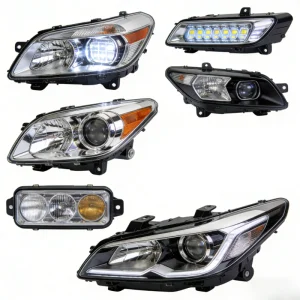
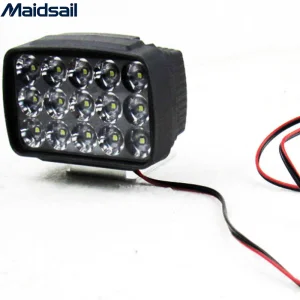
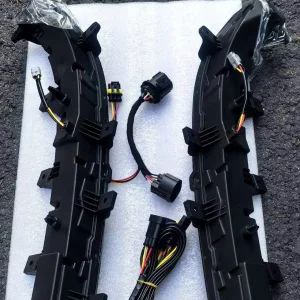
The Canadian automotive landscape is undergoing an unprecedented shift toward electrification. Guided by federal mandates targetting 100% zero-emission passenger vehicle sales by 2035, OEMs and Tier-1 suppliers face distinct challenges. Chief among these is the performance of exterior lighting systems in Canada’s rugged geographic and meteorological environments. From the damp coastal routes of British Columbia to the sub-zero winters of Ontario, Quebec, and the Prairies, lighting is not merely an aesthetic identifier—it is a critical safety infrastructure.
Traditional internal combustion engine (ICE) vehicles produce significant waste heat, which naturally prevents snow accumulation and ice bonding on headlight lenses. In contrast, high-efficiency Electric Vehicles (EVs) operate with minimal waste heat. In Canadian winter conditions, where temperatures regularly plummet below -30°C, LED headlights without active thermal mitigation run the risk of becoming covered in ice and snow. This drastically reduces lumen output, compromises road safety, and fails to meet Transport Canada's visibility criteria.
To overcome this, Hangzhou EV Light Co., Ltd. integrates custom heating matrices directly into the lens structures of our premium EV headlight assemblies. Utilizing advanced resistive PTC (Positive Temperature Coefficient) heating foils, these systems automatically activate in temperatures below 4°C, safely melting frost and preventing snow buildup without draining excessive traction battery power. Coupled with advanced UV-stabilized polycarbonate lenses and anti-fog hydrophobic interior coatings, our lighting modules guarantee stable illumination in the harshest winter blizzards.
As Canadian autonomous and semi-autonomous driving systems expand, the front fascia of the EV has evolved into a sensor-rich hub. Adaptive Driving Beam (ADB) technology is fast becoming a standard expectation for premium vehicles. By utilizing micro-LED matrices synchronized with forward-facing cameras, ADB systems dynamically adjust beam patterns to illuminate the road ahead without blinding oncoming traffic—a key benefit on dark, winding Canadian rural highways.
Hangzhou EV Light’s development roadmap focuses on the convergence of illumination and perception:
Exporting to the Canadian market requires rigorous adherence to the Canadian Motor Vehicle Safety Standards (CMVSS 108), which aligns closely with US Federal Motor Vehicle Safety Standards (FMVSS 108) and SAE guidelines. Every lighting component must pass stringent photometric testing, vibration endurance, and chemical exposure tests (especially resistance to road salt / calcium chloride solutions used extensively by Canadian municipalities).
Our engineering division ensures that all headlights, daytime running lights (DRL), side markers, and rear signaling arrays carry valid DOT/SAE markings, validated through independent, accredited third-party testing laboratories. We maintain complete traceability from raw material (including premium PMMA and Lexan resins) to the finished electronic assemblies, providing Canadian importers and OEMs with absolute legal compliance and peace of mind.
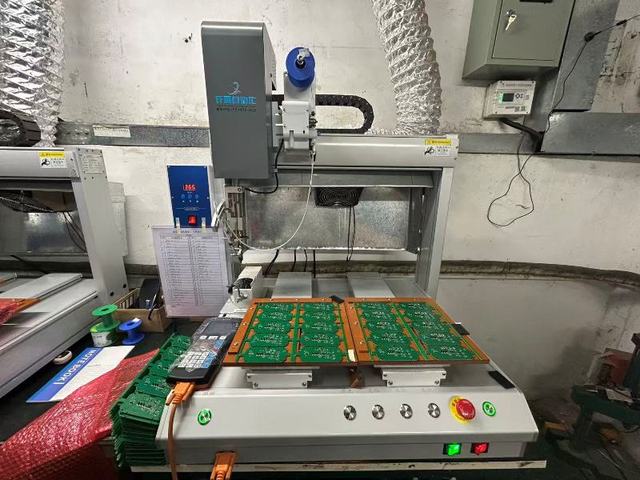
How Hangzhou EV Light combines automated precision manufacturing with global logistics advantages.
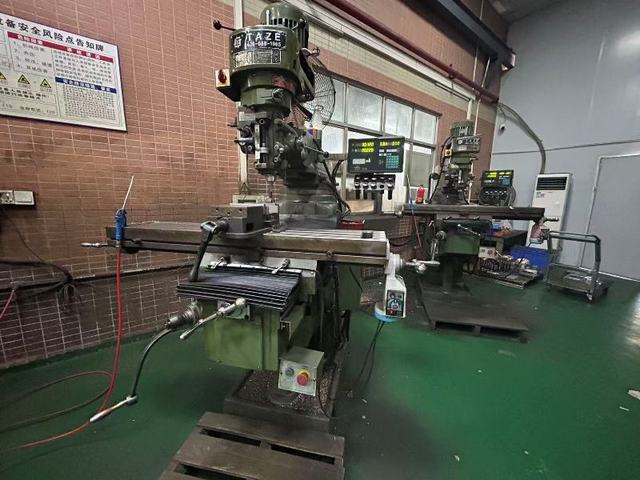
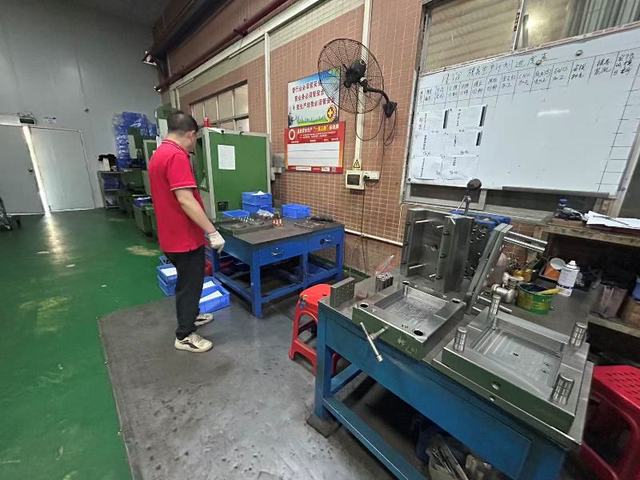
Our manufacturing facility operates under the global automotive standard, ensuring rigorous quality gates at every single production station.
Using high-tonnage multi-color injection molding machines in dust-free Class 10,000 cleanrooms to eliminate internal optical defects.
Simulating years of harsh service through thermal shock chambers, salt spray cabinets, and multi-axis vibration tables.
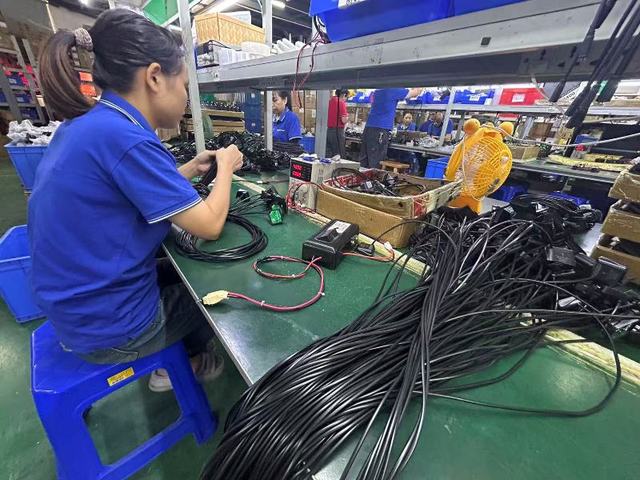
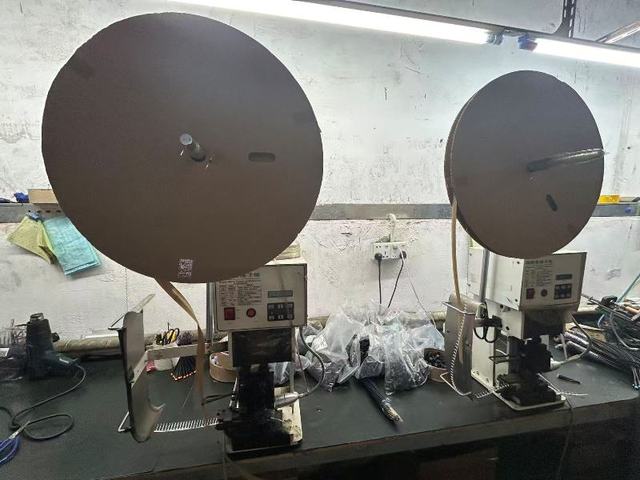
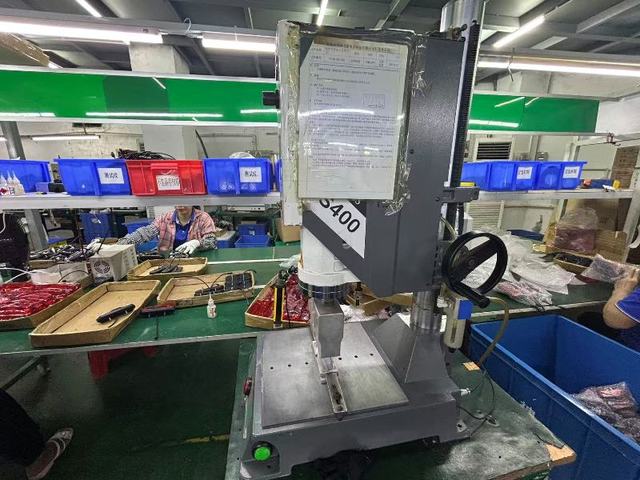
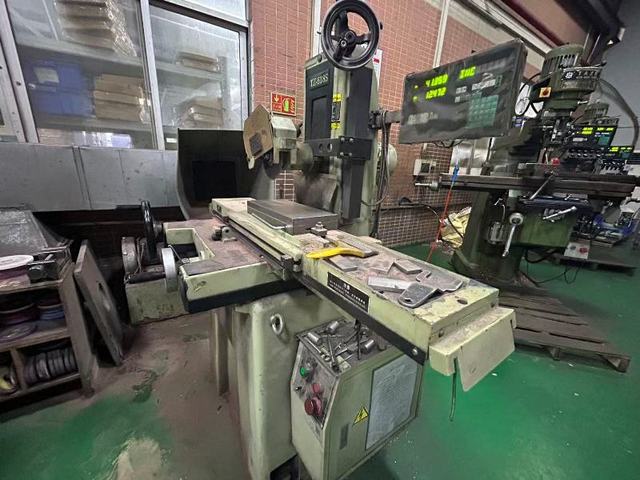
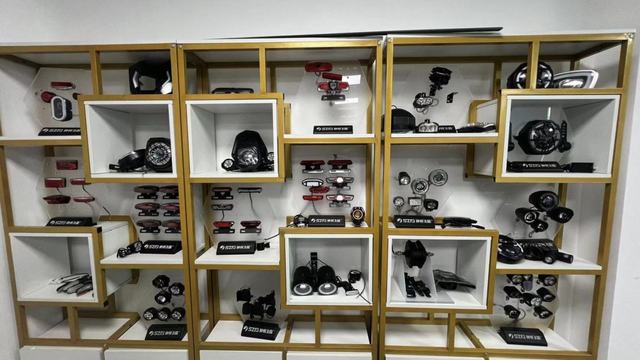
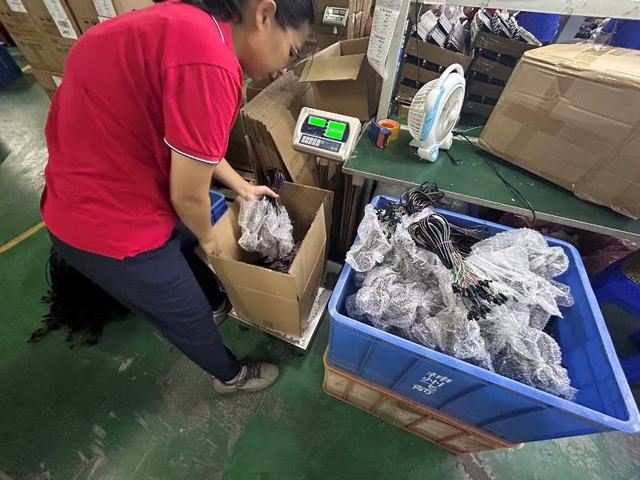
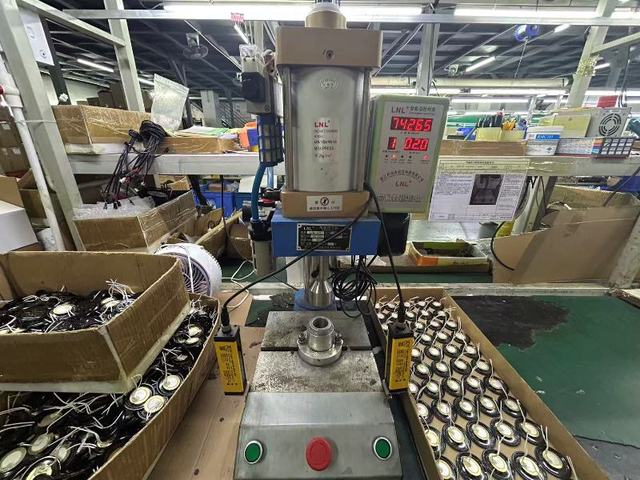
By combining advanced engineering expertise with modern manufacturing capabilities, Hangzhou EV Light Co., Ltd. delivers OEM/ODM components that achieve superior energy efficiency and long-term durability. Below is a glance at our state-of-the-art production environments and testing facilities.
Answers to common design, logistics, and compliance questions for Canadian Tier-1 buyers.
We integrate high-performance breathable ePTFE membranes (Gore vents) within our lamp housings. This allows pressure equalization and moisture escape while preventing liquid water and dust ingress. Additionally, internal anti-fog chemical coatings prevent moisture from nucleating on the lens surface.
Yes. Our exterior lighting systems are designed, tested, and marked in strict accordance with SAE standards and DOT regulatory guidelines. We provide Canadian buyers with all photometrics test reports and compliance certificates required for customs and vehicle assembly verification.
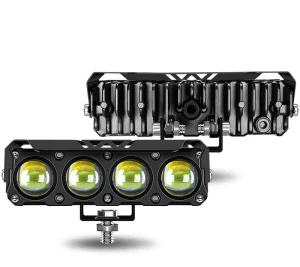
Absolutely. We offer complete OEM and ODM services. Our specialized R&D team can develop custom exterior light bars, adaptive headlights, and charging indicators tailored to the unique mechanical and electrical design parameters of your vehicle architecture.
Standard tooling and design validation takes approximately 8–12 weeks. Once tooling is finalized, our mass production lead time is typically 4–6 weeks, followed by sea freight transit from Shanghai or Ningbo ports to Western/Eastern Canada (approx. 18-28 days).
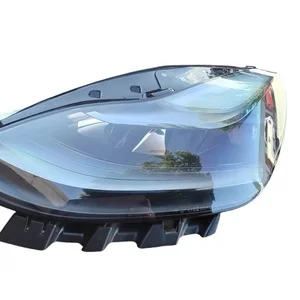
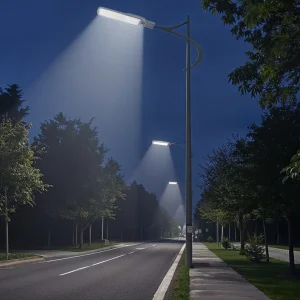
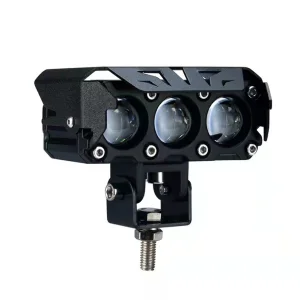
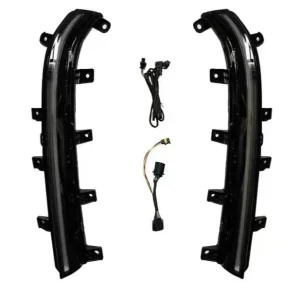
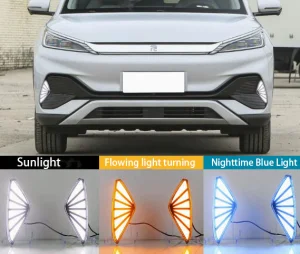
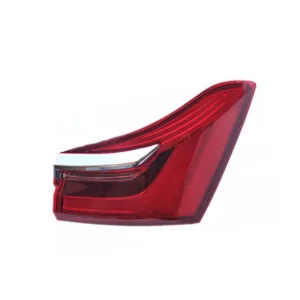
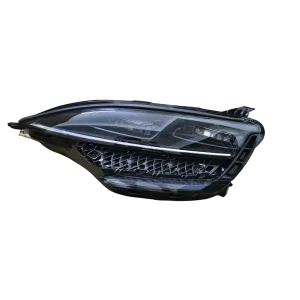
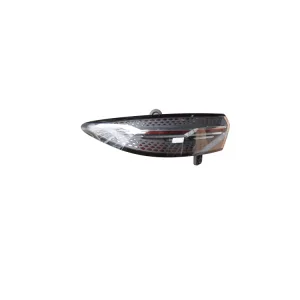
Complete selection of DOT/ECE compliant replacement assemblies and auxiliary options.
 EV Light