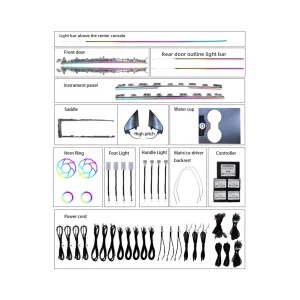
Explore our primary solid-state cabin systems optimized for rapid OEM integration and compatibility with European vehicle electrical architectures.
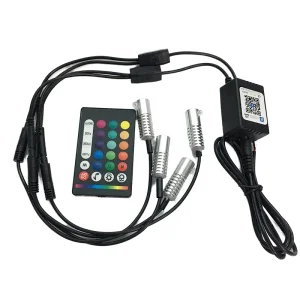
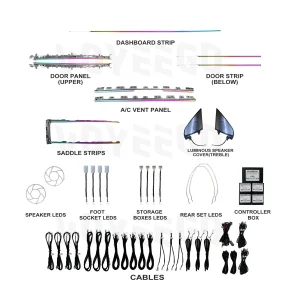
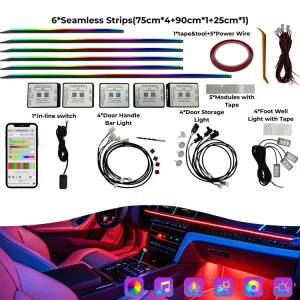
As London moves aggressively toward carbon neutrality, marked by the expansion of the Ultra Low Emission Zone (ULEZ) and the transition to zero-emission capable (ZEC) vehicle standards, the demand for high-performance electric vehicles (EVs) has surged. From corporate executive fleets navigating the City of London to the thousands of electric black cabs (LEVC TX) and rideshare electric fleets, the vehicle cabin has become the central focus of the driver and passenger experience. This transition has redefined the role of EV interior lighting manufacturers.
For UK automotive distributors, tier-1 suppliers, and fleet retrofitters, importing components requires adherence to strict European and UK standards. Internal vehicle retrofits must satisfy ECE R10 (Electromagnetic Compatibility) and ECE R118 (Burning Behaviour of Internal Materials) to ensure safety under extreme operating parameters. Our factory processes and component selections guarantee that the electromagnetic profiles of our LED drivers do not interfere with standard EV powertrains, telemetry, or safety systems.
Moreover, the distinct winter climate of the United Kingdom increases the hours of dark driving. Optimized interior lighting is no longer just aesthetic—it is a critical safety parameter. Balanced ambient lighting reduces fatigue for professional private-hire operators, provides passive illumination of safety controls without causing windshield reflections, and creates a welcoming, premium sensory space for business class passengers traveling from Heathrow to Central London.
Our dynamic symphony and direct-fit replacements represent the cutting edge of bespoke cabin upgrades for premium brands.
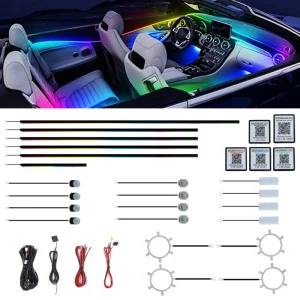
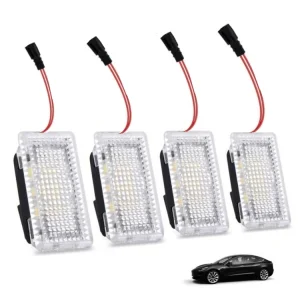
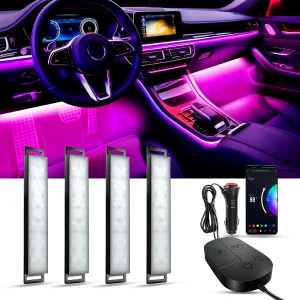
Modern automotive design has shifted from mechanical complexity to software-defined premium environments. EV interior lighting is now a key communication medium between the car's computer systems and its occupants. Design trends emphasize light integration into smart surfaces, generating significant search intent for specific technological classifications:
Unlike standard static RGB LEDs, RGBIC technology places an Independent Control (IC) chip inside every LED cluster, enabling cascading gradients, wave effects, and variable segment coloring that mirrors vehicle system statuses (e.g., green indicators for battery charging, flashing red for proximity warnings).
European design priorities focus heavily on eco-friendly materials. Our thin-profile light guides work behind sustainable textiles, microfibers, and laser-perforated wood veneers, producing a subtle glow that aligns with clean, minimalist interiors.
Tier-1 systems demand seamless communication. Our smart controller designs support standard CAN-bus, LIN-bus, and BLE protocols, enabling tight integration with the dashboard infotainment system and OTA updates.
For the procurement division of a mobility operator or commercial conversion shop in London, choosing a manufacturer who understands this shift is crucial. We focus our technical R&D on mitigating thermal degradation and reducing parasitic power consumption. This ensures that the vehicle's interior accent lighting does not compromise its operational range.
From our facility in Hangzhou, China, we operate an ISO-certified, automated production environment designed to fulfill large-scale global OEM supply agreements while maintaining high agility for specialized custom configurations.
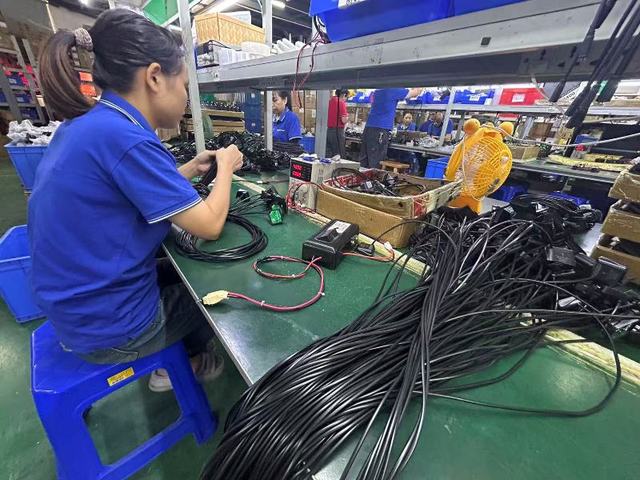
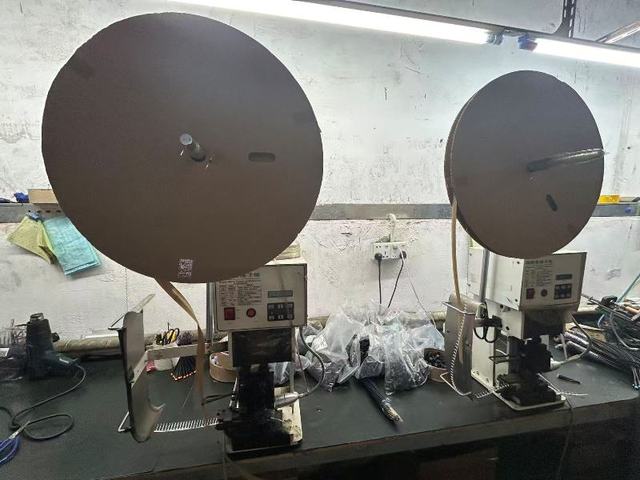
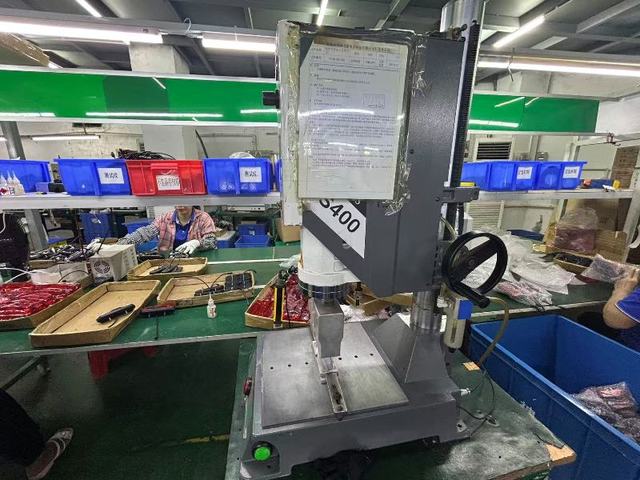
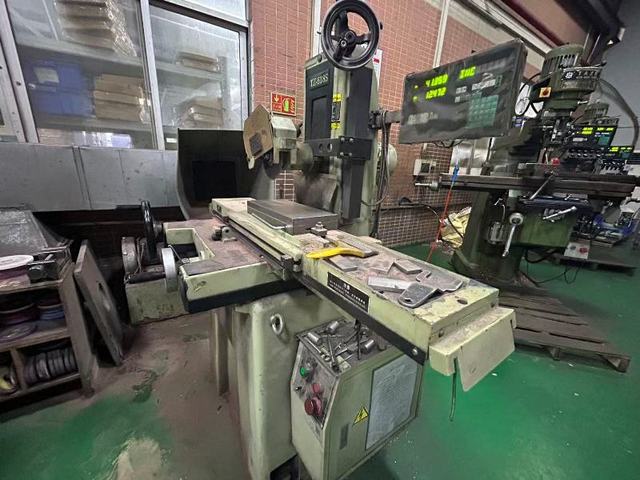
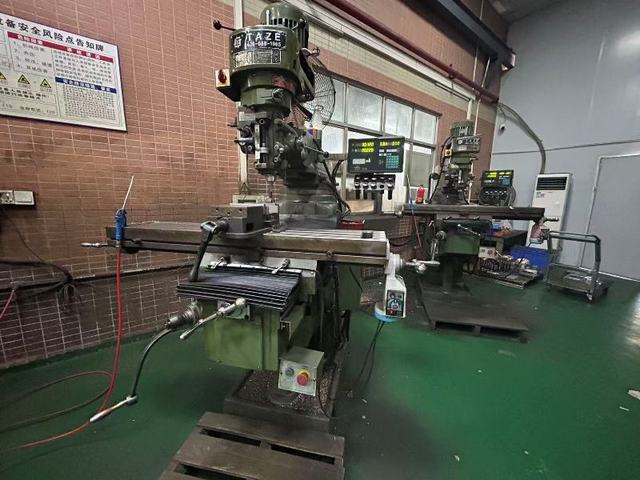
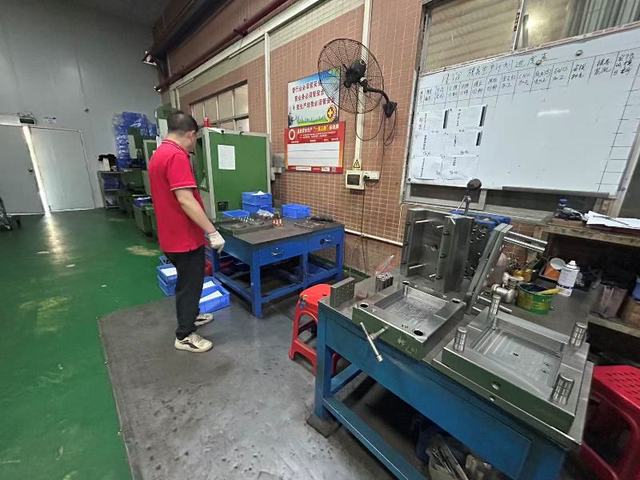
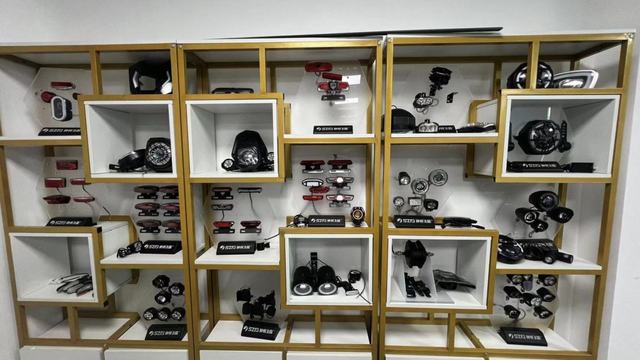
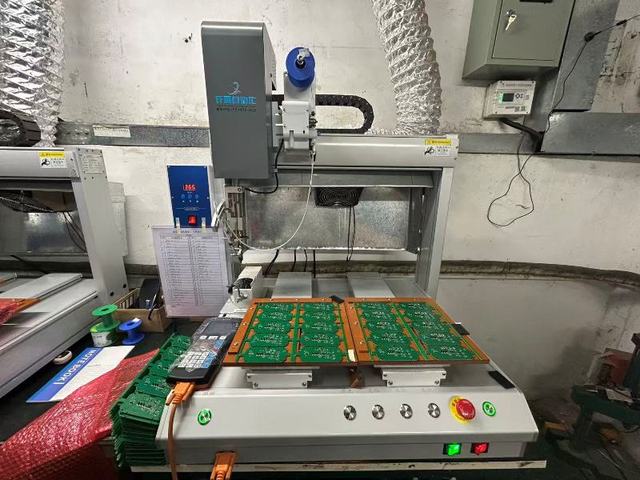
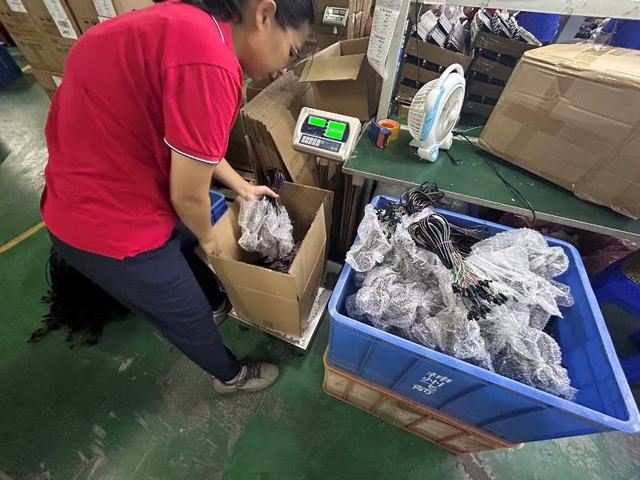
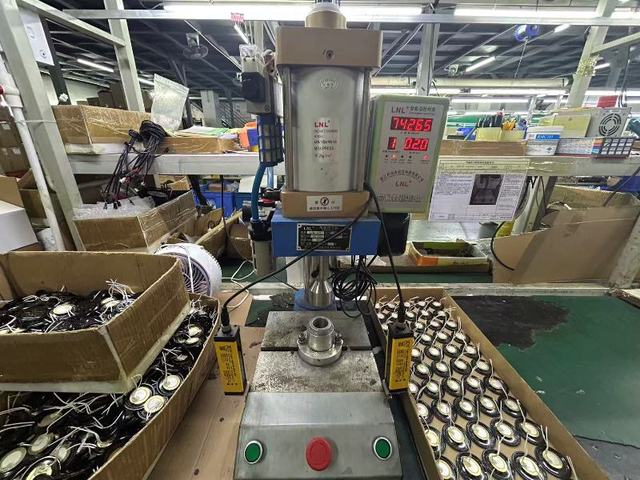
Hangzhou EV Light Co., Ltd. is a professional China electric vehicle lighting manufacturer specializing in EV LED lighting and smart automotive lighting solutions for the rapidly evolving new energy vehicle industry. With a strong commitment to innovation, performance, and reliability, we provide advanced lighting technologies that enhance vehicle safety, energy efficiency, functionality, and visual appeal.
Our product portfolio includes EV headlight systems, taillight assemblies, daytime running lights, signal lighting, interior ambient lighting, charging status indicators, smart lighting modules, and customized automotive lighting solutions. Designed to meet the requirements of modern electric vehicles, our products are widely used in passenger EVs, commercial electric vehicles, electric buses, electric motorcycles, electric scooters, and emerging smart mobility applications.
At Hangzhou EV Light, we combine advanced engineering expertise with modern manufacturing capabilities to develop lighting solutions that deliver superior brightness, durability, and energy efficiency. Our experienced research and development team continuously explores new technologies in intelligent lighting control, adaptive lighting systems, LED integration, and automotive electronics to support the future of electric transportation.
Quality is at the core of our operations. From component sourcing and product development to production and final testing, every stage follows strict quality management procedures to ensure consistent performance and compliance with international automotive standards. Our manufacturing facility is equipped with advanced production and testing equipment, enabling us to provide reliable products for demanding automotive environments.
We offer comprehensive OEM and ODM services for vehicle manufacturers, automotive suppliers, distributors, and mobility brands worldwide. Whether customers require customized designs, private-label production, or large-scale manufacturing, our flexible production capabilities support projects of various sizes and specifications.
Serving clients across North America, Europe, Southeast Asia, the Middle East, and other global markets, Hangzhou EV Light Co., Ltd. is dedicated to delivering innovative electric vehicle lighting solutions that contribute to safer, smarter, and more sustainable transportation. Our mission is to become a trusted global partner in advanced automotive lighting technology and smart mobility innovation.
Understanding the transition from older, inefficient passenger car lighting systems to the current generation of addressable, digital interior lighting architectures.
| Feature Parameter | Legacy Interior LED Lighting | Hangzhou EV Light Smart Cabin Solutions | London Compliance Benefit |
|---|---|---|---|
| Control Protocol | Analog 12V High-Side Switching | LIN-Bus, CAN-Bus, BLE Controller Modules | Fewer wires required, lowering vehicle weight and packaging space. |
| Color Capabilities | Single Color or Basic RGB | RGBIC (Individual Segment Addressability) | Allows status indicators for ADAS and charging progress. |
| Power Consumption | ~15-20 Watts per vehicle harness | < 5 Watts (highly optimized PWM control) | Reduces battery drain, preserving overall vehicle range. |
| Optical Uniformity | Visible hotspots, inconsistent dispersion | Co-extruded PMMA diffuser guides with uniform glow | No windshield glare, improving safety during night driving. |
| Compliance Certification | Basic CE / Standard Electronic Grade | ECE R10, ECE R118, UKCA Standard Testing | Simplifies vehicle approvals and compliance checks. |
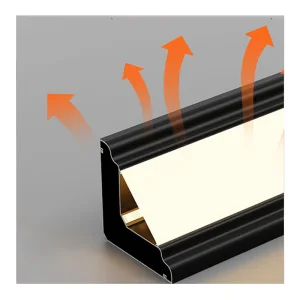
High-performance custom retrofits, architectural lighting elements, and multi-zone ambient lighting assemblies.
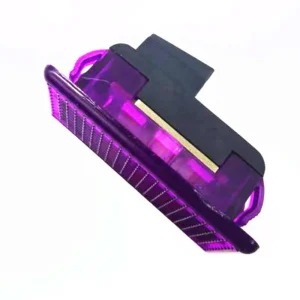
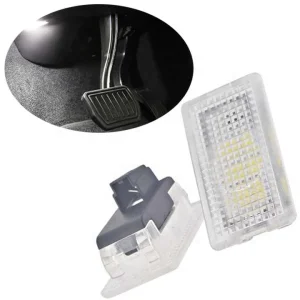
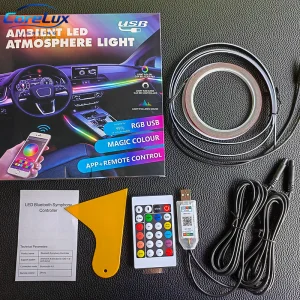
Find technical answers regarding integration protocols, UK logistics, environmental testing, and product customization.
Yes. Our premium controllers are designed to read standard LIN-Bus and CAN-Bus commands directly from the vehicle's body control module (BCM). This allows the interior lighting to dim dynamically, change color schemes depending on the driving mode, or coordinate with safety functions like blind-spot monitoring.
Our manufacturing facility and components are tested to meet ECE R10 (Electromagnetic Compatibility) and ECE R118 (Flammability testing for interior materials) guidelines, which are required for conformity under UKCA and CE regulations. We perform thermal cycle testing (-40°C to +85°C) and salt spray tests for durability.
For custom housing profiles, lens extrusions, or bespoke PCB configurations, our typical MOQ is 1,000 sets. For standard inventory products with custom packaging or harness modifications, we support smaller initial runs of 100 to 500 sets to facilitate market testing and homologation processes.
EV components must operate alongside high-frequency power electronics. Our LED drivers incorporate robust electromagnetic shielding and input filtering networks that prevent the high-voltage powertrain from generating visible flicker or high-frequency humming, while protecting the BCM from return electromagnetic interference.
Standard sea freight from Ningbo/Shanghai to London ports (such as the Port of London or Felixstowe) takes 30 to 35 days. For prototype runs or urgent component batches, we utilize air cargo services which typically deliver to Heathrow or Gatwick within 5 to 7 business days, including customs handling.
Connect with our design office in Hangzhou to request test samples, download IATF 16949 test reports, or schedule a technical call with our engineering leads.
 EV Light