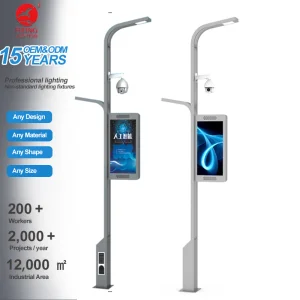
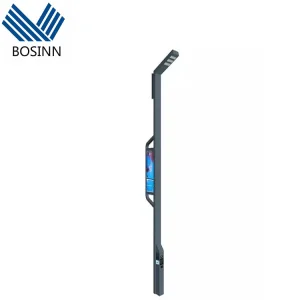
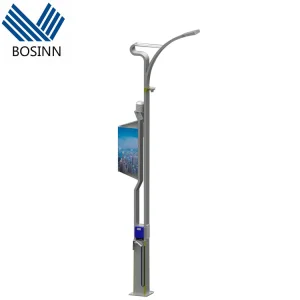
Pioneering multi-functional smart poles engineered for urban hubs, coastal avenues, and highway networks across Latvia.
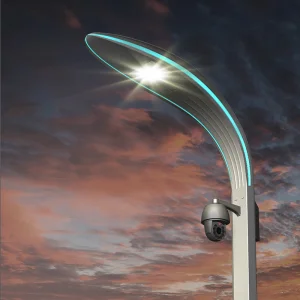
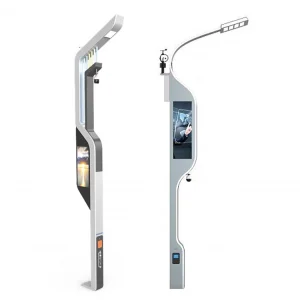

Latvia, as a progressive member of the European Union, is aggressively driving forward with its National Energy and Climate Plan 2021-2030 (NEKP). In urban centers like Riga, Liepāja, and Ventspils, municipalities are confronting a dual challenge: replacing outdated, high-energy sodium vapor streetlights and building out a dense, accessible electric vehicle (EV) charging grid. Integrating these two public services into Smart LED Street Lighting Poles with Integrated EV Charging Stations has emerged as the definitive solution to maximize space, budget, and power grid efficiency.
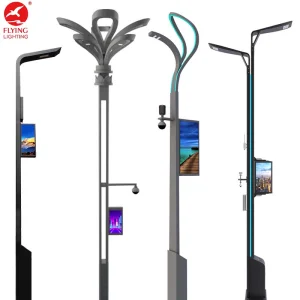
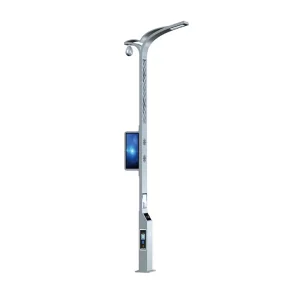
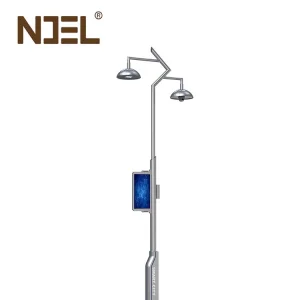
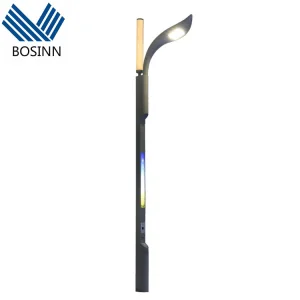
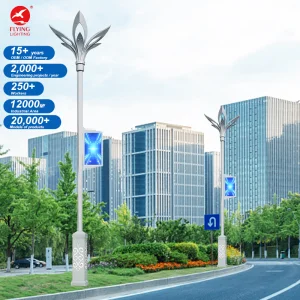
By leveraging existing municipal electrical connections, urban developers and private real estate projects in Latvia can scale their charging network without major excavation or grid overhauls. Our systems act as the primary structural, optical, and electrical nodes of the smart city—housing LED lighting, high-definition IP surveillance, environmental sensors, 5G cellular equipment, and OCPP-compliant EV charging piles in a single corrosion-resistant pillar.
“For Baltic municipalities, the integration of public lighting infrastructure with charging nodes is not just an aesthetic advantage—it is an economic imperative. It drastically reduces capital expenditures (CAPEX) for grid connection fees and physical civil works.”
Hangzhou EV Light Co., Ltd. is a professional China electric vehicle lighting manufacturer specializing in EV LED lighting and smart automotive lighting solutions for the rapidly evolving new energy vehicle industry. With a strong commitment to innovation, performance, and reliability, we provide advanced lighting technologies that enhance vehicle safety, energy efficiency, functionality, and visual appeal.
Our product portfolio includes EV headlight systems, taillight assemblies, daytime running lights, signal lighting, interior ambient lighting, charging status indicators, smart lighting modules, and customized automotive lighting solutions. Designed to meet the requirements of modern electric vehicles, our products are widely used in passenger EVs, commercial electric vehicles, electric buses, electric motorcycles, electric scooters, and emerging smart mobility applications.
At Hangzhou EV Light, we combine advanced engineering expertise with modern manufacturing capabilities to develop lighting solutions that deliver superior brightness, durability, and energy efficiency. Our experienced research and development team continuously explores new technologies in intelligent lighting control, adaptive lighting systems, LED integration, and automotive electronics to support the future of electric transportation.
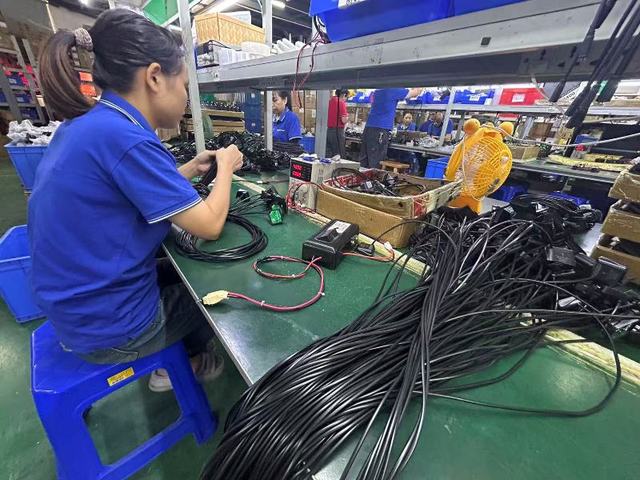
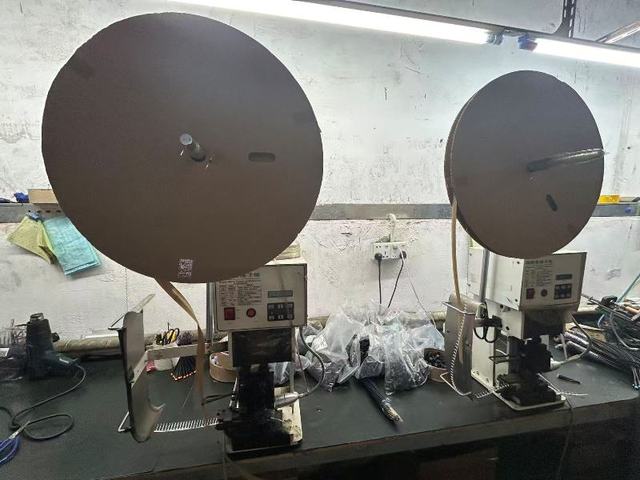
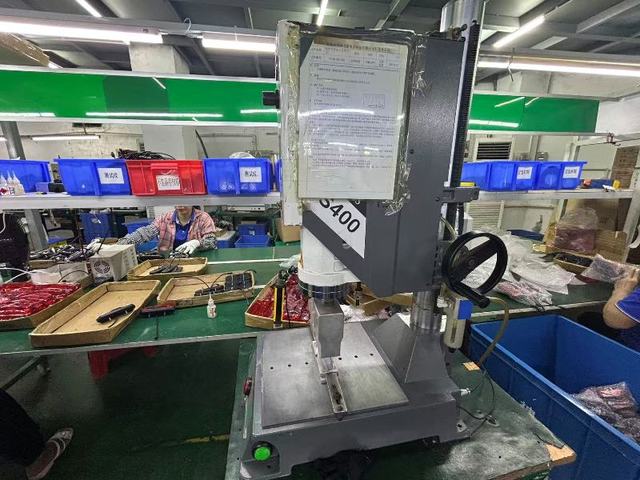
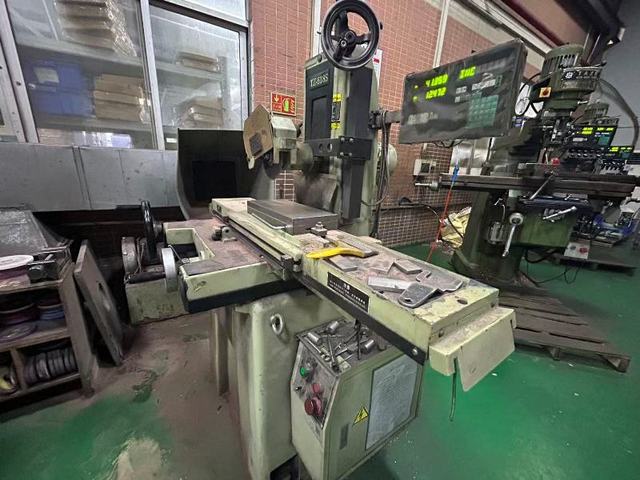
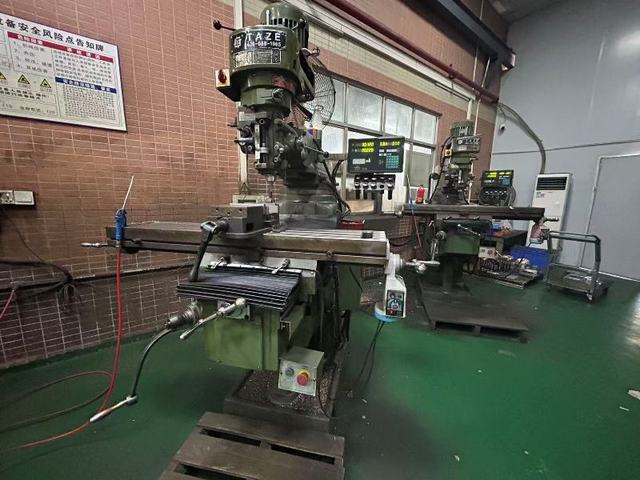
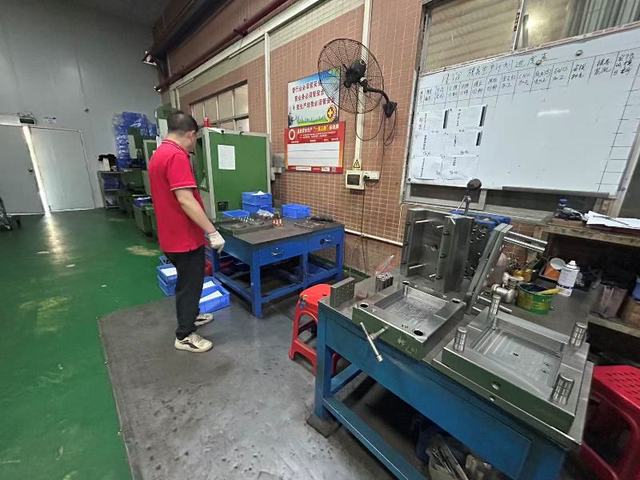
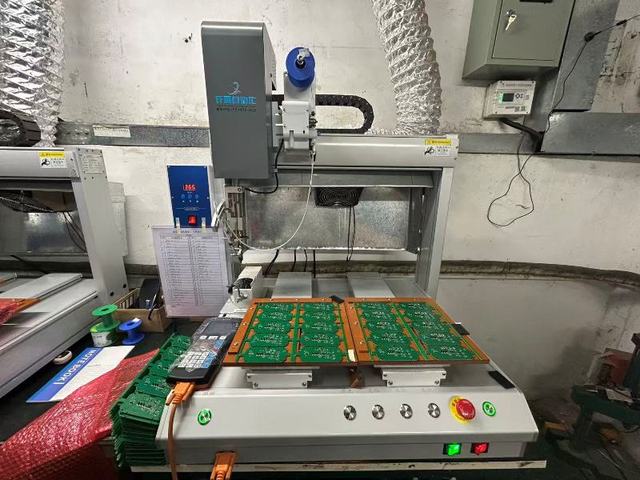
Quality is at the core of our operations. From component sourcing and product development to production and final testing, every stage follows strict quality management procedures to ensure consistent performance and compliance with international automotive and electrical standards. Our manufacturing facility is equipped with advanced production and testing equipment, enabling us to provide reliable products for demanding automotive and outdoor environments.
We offer comprehensive OEM and ODM services for vehicle manufacturers, automotive suppliers, distributors, and mobility brands worldwide. Whether customers require customized designs, private-label production, or large-scale manufacturing, our flexible production capabilities support projects of various sizes and specifications.
Serving clients across North America, Europe, Southeast Asia, the Middle East, and other global markets, Hangzhou EV Light Co., Ltd. is dedicated to delivering innovative electric vehicle lighting solutions that contribute to safer, smarter, and more sustainable transportation. Our mission is to become a trusted global partner in advanced automotive lighting technology and smart mobility innovation.
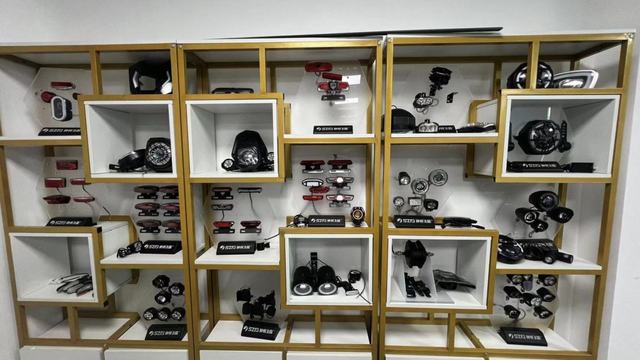

Designed for commercial centers, public parking garages, and multi-modal transit networks in the Baltic area.
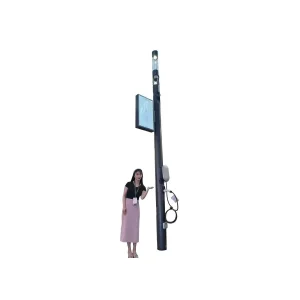
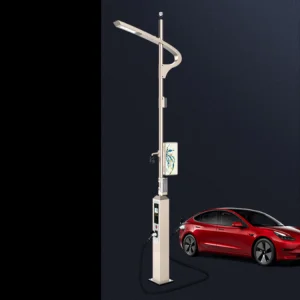
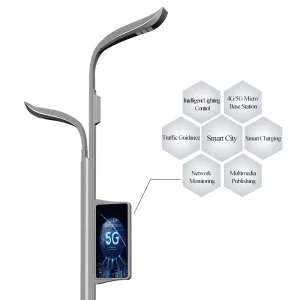
The operational environment in Latvia demands robust mechanical and electrical performance. Sub-zero temperatures during winters, high humidity from the Baltic Sea, and seasonal wind loading mean that standard indoor or mild-climate structural poles will fail prematurely due to oxidation, structural stress, or component freezing.
To overcome these challenges, Hangzhou EV Light Co., Ltd. implements state-of-the-art materials engineering:
| System Component | Technical Parameter | Standards Conformity & Benefits |
|---|---|---|
| LED Luminaire | 120 - 160 lm/W Efficacy, 4000K (Warm White) | EN 60598-2-3, optimal penetration in fog & heavy snow |
| EV Charger Interface | Type 2 Socket (IEC 62196), 7kW / 22kW AC Output | Compatible with all EU-standard electric passenger vehicles |
| Smart Control | LoRaWAN, Zigbee, or NB-IoT controllers | DALI dimming protocols for adaptive municipal control |
| Enclosure Protection | IP65 / IP66 rated, IK10 impact protection | Withstands physical vandalism and high-pressure water jets |
| Electrical Protection | 20kV Surge Protection Device (SPD), RCD Type A+DC 6mA | Protects grid infrastructure against lightning strikes |
Our smart poles feature internal Ethernet, 4G/5G, and Wi-Fi routing modules. For charging billing, they support the open-standard OCPP 1.6J and 2.0.1 protocols. This enables Latvian municipalities and utility providers to easily link these physical charge points to any localized charging management software, mobile app, or payment gateway (such as Mobilly or Elektrum). Our integrated LED displays can further be configured to display real-time charging rates, availability, and smart city advertisements.
B2B procurement managers and municipal engineers looking to import Smart Lighting and Charging Poles from China into Latvia must focus on key supply-chain, regulatory, and mechanical criteria to guarantee project success:
Latvian construction codes require public poles to withstand significant wind pressures, especially near coastal highways (wind speeds exceeding 25 m/s). When selecting pole heights (ranging from 3 to 12 meters), specify structural wall thicknesses of no less than 3mm for steel or 4mm for structural aluminum, accompanied by certified wind-load calculations.
To clear Latvian customs and qualify for EU-subsidized urban development bids, the entire assembly—not just individual components—must possess valid CE marking. Ensure that test reports are issued by accredited international laboratories (e.g., TUV, SGS, Intertek) covering:
Before installing charging poles in Latvia, coordination with Sadales tīkls is required to verify the local grid's carrying capacity. Our intelligent energy management software supports dynamic load shedding, allowing the pole's EV charger to throttle its current draw during peak grid loads, ensuring total grid stability.
Answering vital procurement and engineering questions for the Latvian and Baltic markets.
Discover our comprehensive collection of urban smart lighting, multi-functional poles, and specialized EV charging integration.
Ready to deploy future-proof integrated lighting and charging hardware for municipal, industrial, or retail projects in Latvia? Request a custom technical drawing, photometric analysis, and price quote today.
Send Inquiry Now EV Light