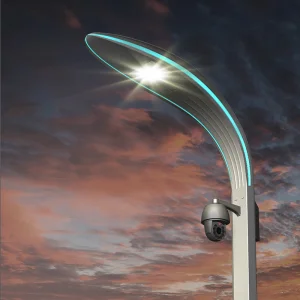
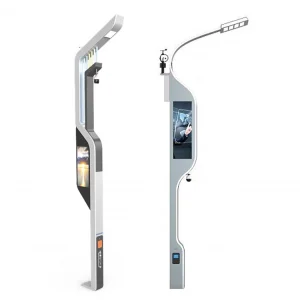
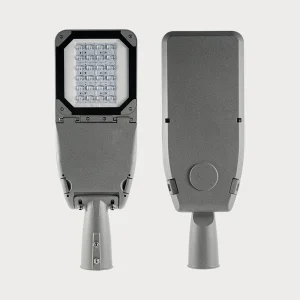
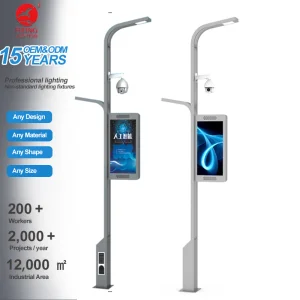
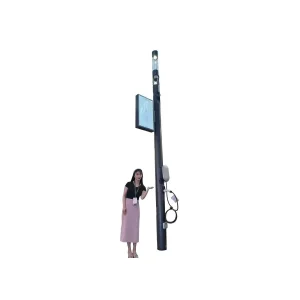
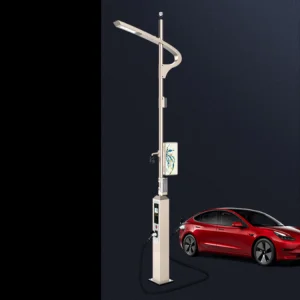
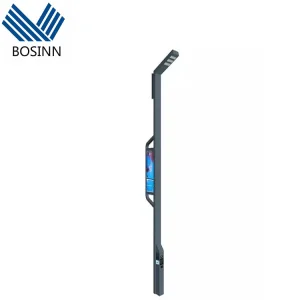
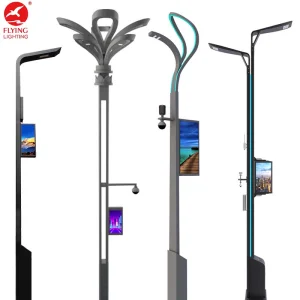
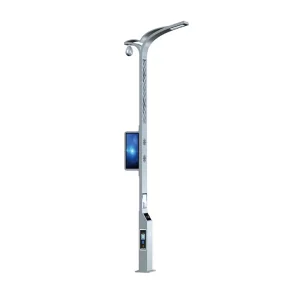
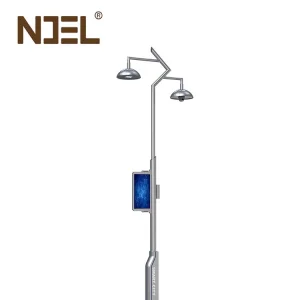
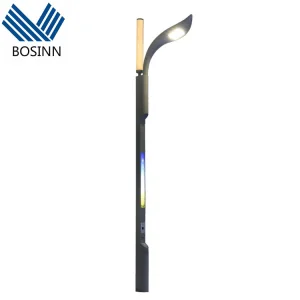
Flagship integrated solar, IoT, and electric vehicle charging smart infrastructures engineered to thrive under the Middle East’s challenging environment.
As the global energy paradigm shifts toward sustainable, electrified transport, public infrastructure is undergoing its most radical transformation in a century. Hangzhou EV Light Co., Ltd. stands at the forefront of this revolution. We are a professional China electric vehicle lighting manufacturer specializing in EV LED lighting, smart automotive lighting, and integrated Smart City IoT pole systems designed specifically for the global market, including the Sultanate of Oman.
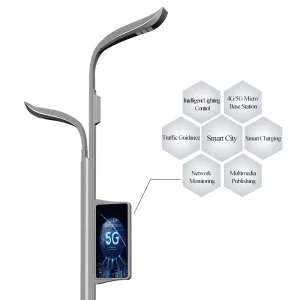
Our comprehensive industrial portfolio bridges the gap between smart mobility and intelligent civil infrastructure. Our engineering expertise ranges from precision-grade automotive EV LED modules to heavy-duty, grid-connected outdoor smart street lighting platforms that house electric vehicle supply equipment (EVSE), 5G telecommunication micro-cells, surveillance systems, and dynamic digital signage. Supported by our Factory 4.0 ecosystem, we export certified, high-durability hardware built to endure the unique atmospheric demands of the Gulf region.
The Sultanate of Oman is aggressively executing Oman Vision 2040, a national roadmap centered on diversification, digitalization, and environmental stewardship. In line with the National Strategy for Adaptation and Mitigation to Climate Change, Oman is targeting net-zero emissions by 2050. A major pillar of this objective is the decarbonization of transportation and the expansion of EV infrastructure across major economic zones like Muscat, Salalah, Sohar, and the Special Economic Zone at Duqm (SEZAD).
Oman’s ministry officials and municipal authorities are increasingly looking to deploy integrated smart technologies to optimize capital expenditure. Conventional road lighting systems are being systematically replaced by intelligent networks. These next-generation smart poles minimize municipal energy loads while providing the necessary spatial framework for public EV charging ports, high-definition CCTV security cameras, and environmental monitoring systems. Implementing integrated "LED + EV Charging" poles dramatically reduces civil excavation, cabling, and transformer allocation costs in new commercial developments like Al Mouj Muscat or industrial zones managed by Madayn.
Developing smart hardware for Oman requires rigorous design adjustments due to the region's harsh hyper-arid and maritime climates. Standard electronics and lighting poles fail prematurely if not designed for these specific regional conditions:
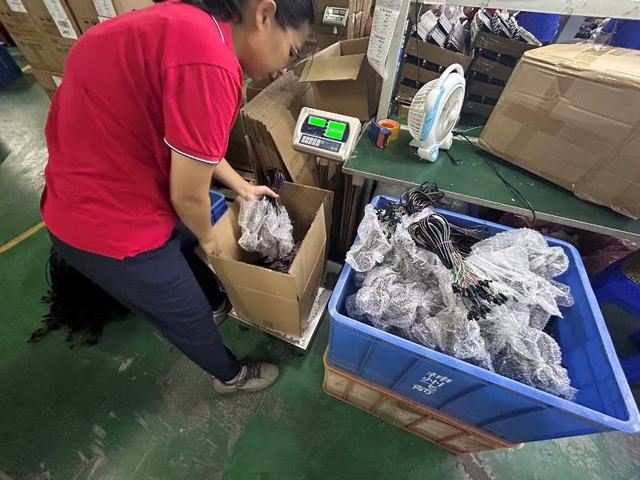
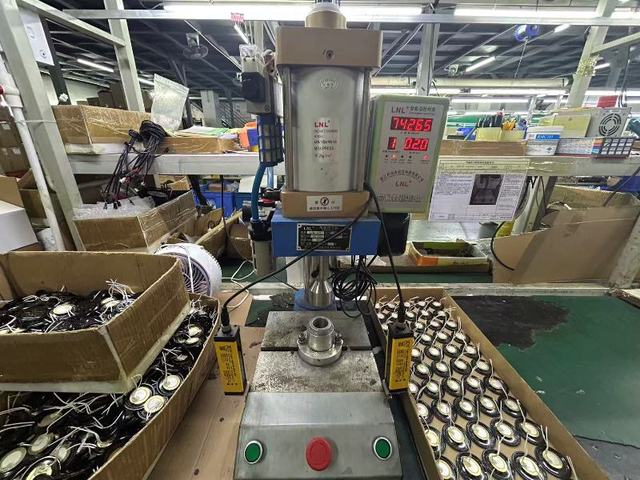
Hangzhou EV Light Co., Ltd.’s manufacturing facility operates under the Factory 4.0 paradigm, combining automated robotics with strict quality management protocols. Our production floor uses precision CNC machining, robotic welding stations, and automated optical inspection (AOI) to eliminate assembly-line defects. This highly optimized manufacturing structure ensures major advantages for international procurement managers:
Our strategic integration in China's prime industrial clusters allows us to source raw materials, silicon chips, and LED drivers under highly competitive conditions. By maintaining close ties with premium domestic suppliers, we insulate our international customers from supply chain delays. Every smart lighting pole, EV charging module, and camera housing is assembled, programmed, and stress-tested in-house. Our compliance processes are certified to meet international automotive and civil engineering standards, including ISO 9001:2015, IATF 16949, CE, RoHS, and GCC (Gulf Conformity Mark) guidelines.
International engineering contractors, municipal authorities, and regional distributors look for specific technical benchmarks when choosing an EV smart lighting supplier:
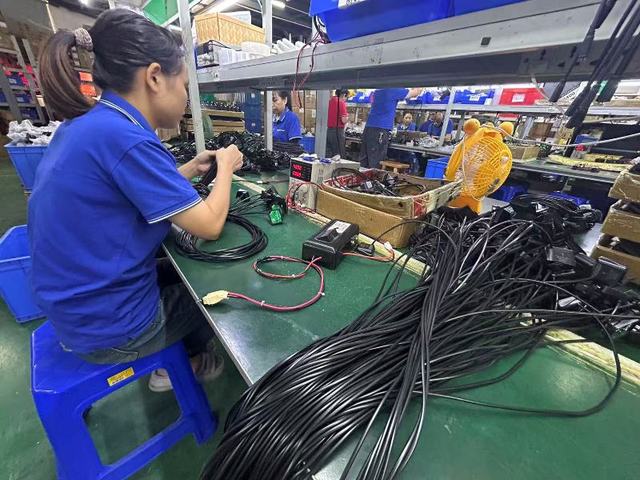
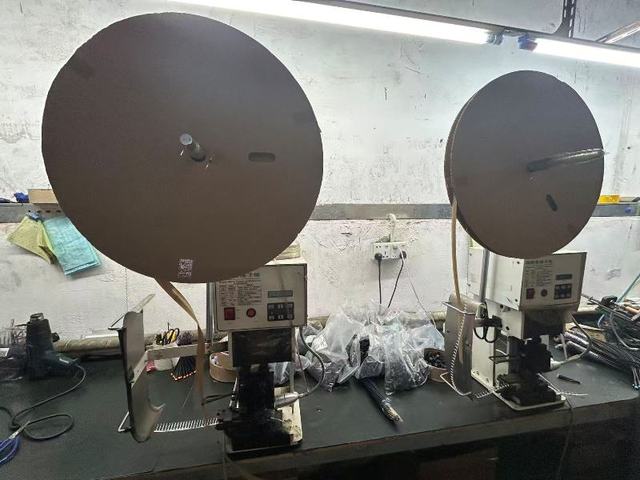
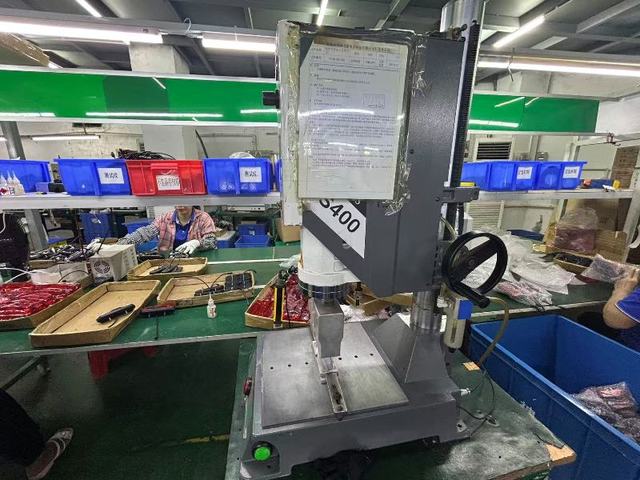
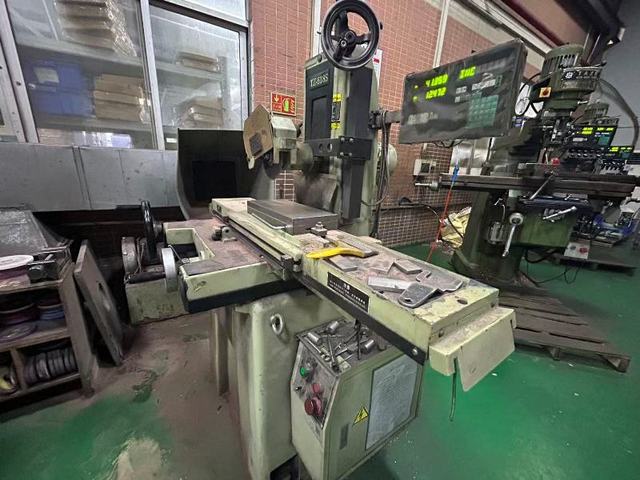
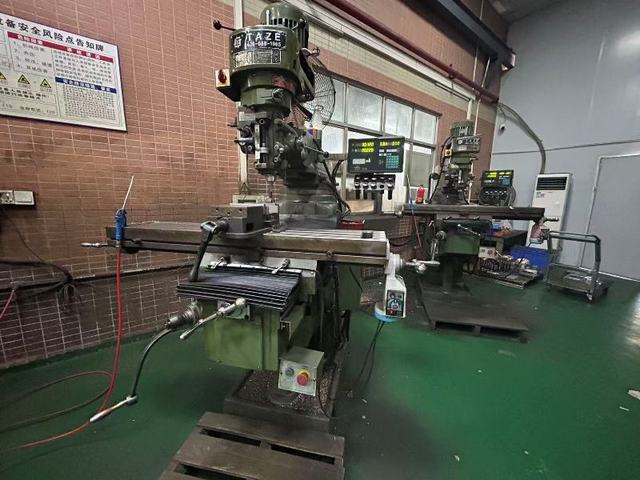
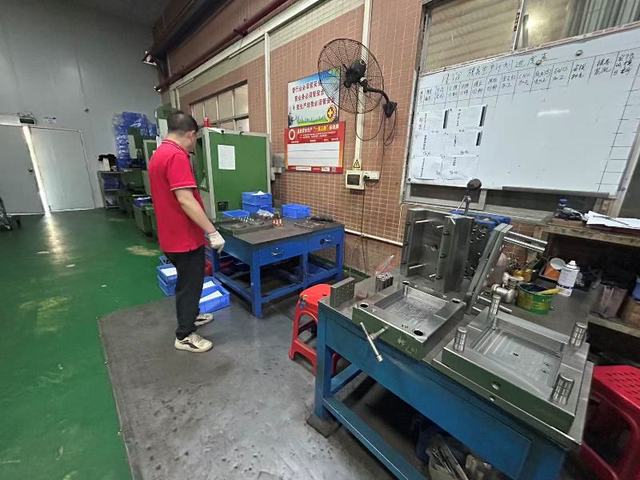
At Hangzhou EV Light, quality is at the core of our operations. From component sourcing and product development to production and final testing, every stage follows strict quality management procedures to ensure consistent performance and compliance with international automotive standards. Our manufacturing facility is equipped with advanced production and testing equipment, enabling us to provide reliable products for demanding automotive environments. We offer comprehensive OEM and ODM services for vehicle manufacturers, automotive suppliers, distributors, and mobility brands worldwide. Whether customers require customized designs, private-label production, or large-scale manufacturing, our flexible production capabilities support projects of various sizes and specifications.
Serving clients across North America, Europe, Southeast Asia, the Middle East, and other global markets, Hangzhou EV Light Co., Ltd. is dedicated to delivering innovative electric vehicle lighting solutions that contribute to safer, smarter, and more sustainable transportation. Our mission is to become a trusted global partner in advanced automotive lighting technology and smart mobility innovation.
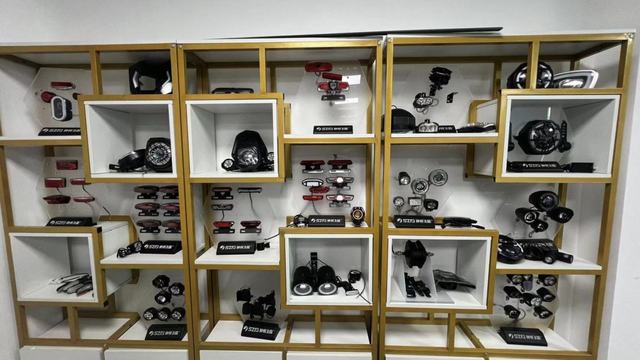
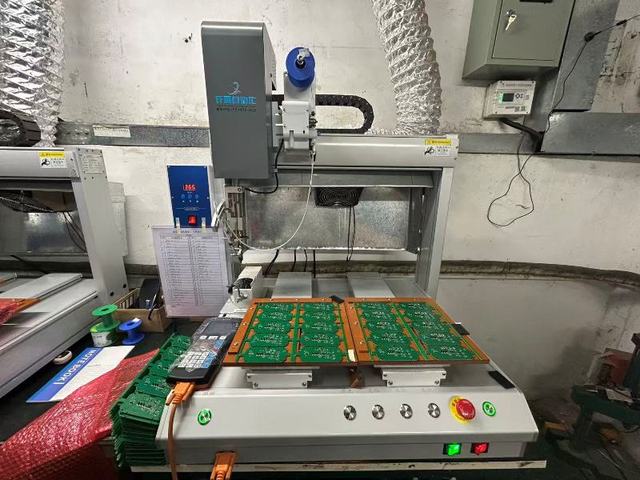
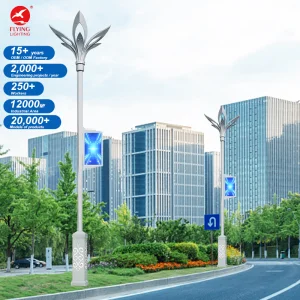
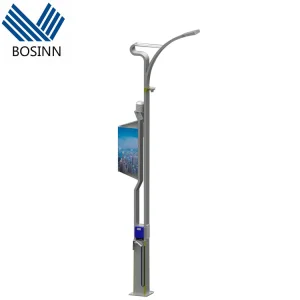
Fully customizable configurations, matching standard Gulf highway profiles and modern urban development zones.
Comparing smart municipal features against typical design standards in GCC markets.
| Specification Parameter | Standard Smart Pole Option | Heavy-Industrial / Coastal Option | Advanced IoT & 5G Telecom Option |
|---|---|---|---|
| Base Pole Material | Q235 Hot-Dip Galvanized Steel | Marine Grade 6063-T6 Structural Aluminum | Reinforced Anti-Corrosion Alloy Composite |
| LED Power Rating | 60W – 150W (Adjustable) | 120W – 300W (High Lumen Output) | 100W – 240W (Precision Optics) |
| EV Charger Capacity | 7kW AC Type 2 Single Phase | 22kW AC Type 2 Three Phase | 44kW AC Dual Port / 60kW DC Fast Charge |
| Ingress / Inpact Ratings | IP65 / IK08 | IP66 / IK10 | IP66 / IK10+ (Sandstorm Shielded) |
| Operational Temperature | -20°C to +50°C | -40°C to +55°C (Active Cooling) | -30°C to +60°C (Active Thermal Management) |
| Smart Protocols | LoRaWAN, Zigbee, NEMA 7-Pin | NB-IoT, PLC, NEMA 7-Pin | 5G Micro-Cell Integration, Fiber Optic Backhaul |
Key technical answers for municipal authorities and engineering consultants in Oman.
Yes. Our built-in EV charging systems are designed to fully comply with IEC 61851 standards. They feature built-in Type 2 sockets compatible with regional vehicles and support OCPP 1.6J/2.0.1. This ensures easy integration with utility grids and billing systems managed by the Authority for Public Services Regulation (APSR) and local electricity distribution companies.
We use marine-grade, powder-coated aluminum housings alongside hot-dip galvanized steel components. All sensitive electronics—including LED drivers, IP cameras, and charging modules—are housed in separate IP66 compartments. Thermal management is assisted by active heat sinks and smart sensors that automatically adjust power output if internal temperatures rise during peak summer periods.
Yes, absolutely. Our smart lighting poles support NB-IoT, 4G/5G, and fiber connections. Operating on standard protocols like MQTT and HTTP, they integrate directly with municipal operations centers, smart city apps, and existing SCADA setups.
Typical manufacturing lead times range from 4 to 6 weeks, depending on the volume and customization requirements. Shipments are handled through prime shipping lanes, with transit times to Port of Sultan Qaboos (Muscat) or Sohar Port taking approximately 15 to 22 days.
Connecting with a smart infrastructure expert is easy. Whether you need customized engineering schematics, photometric calculations (DIALux), or a commercial quote for Omani utility tenders, our technical sales department is here to support you.
Send Inquiry Now EV Light