EV Light
1 / 5
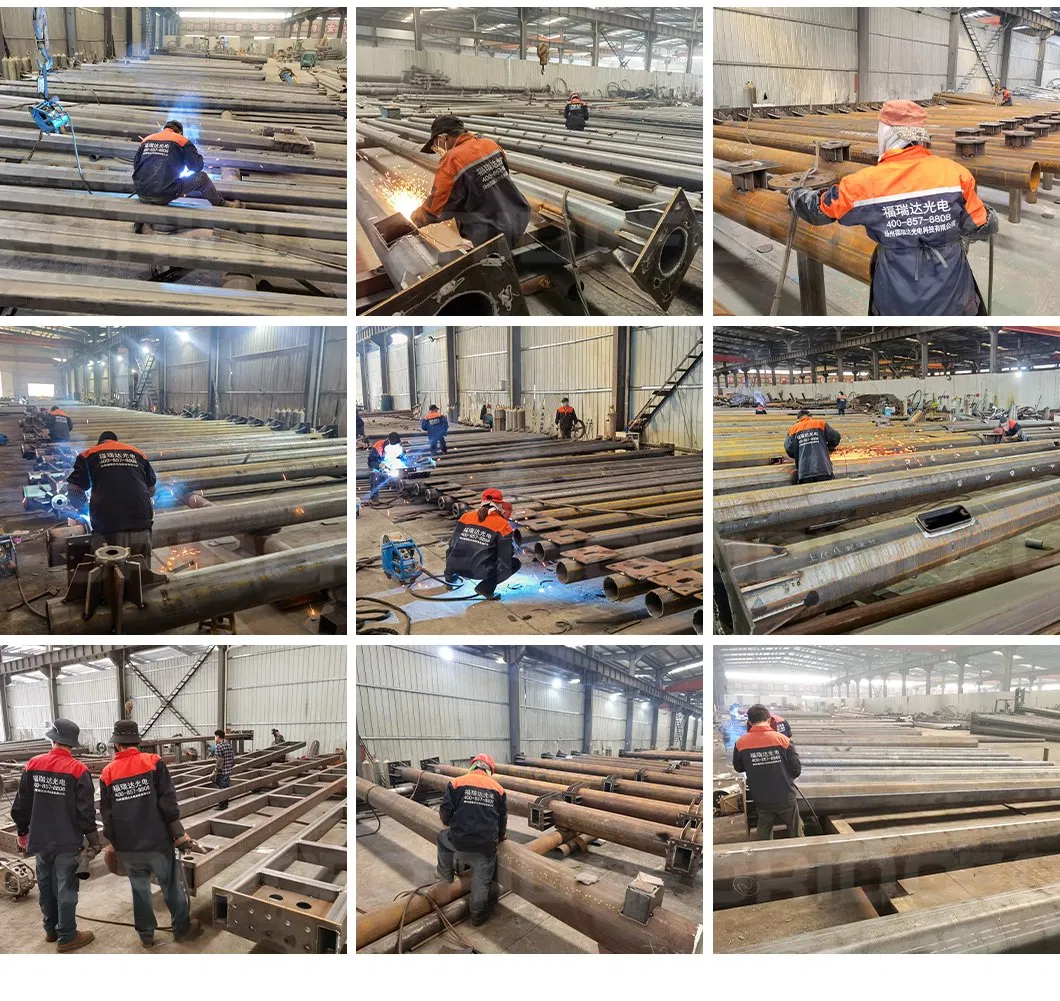
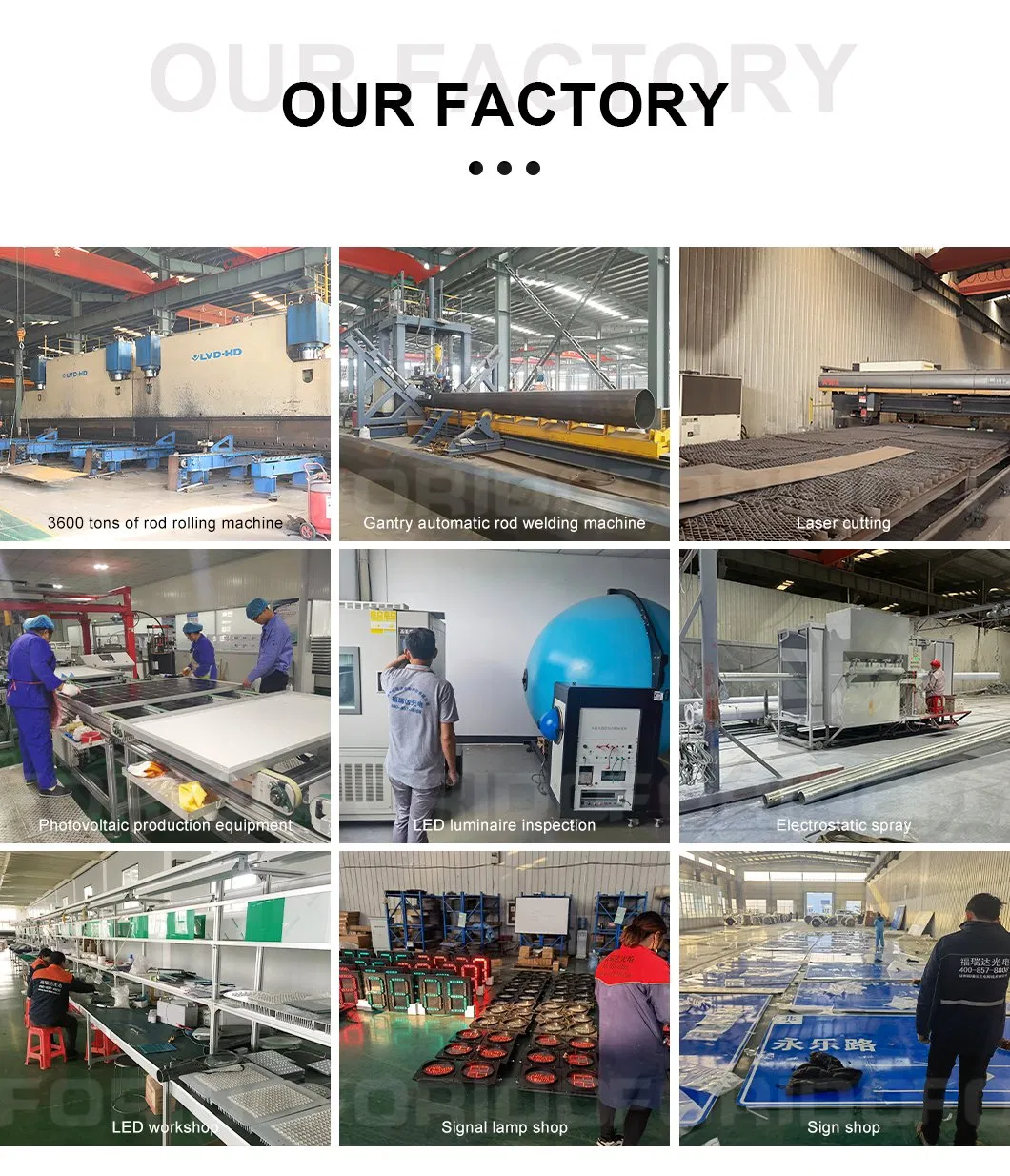
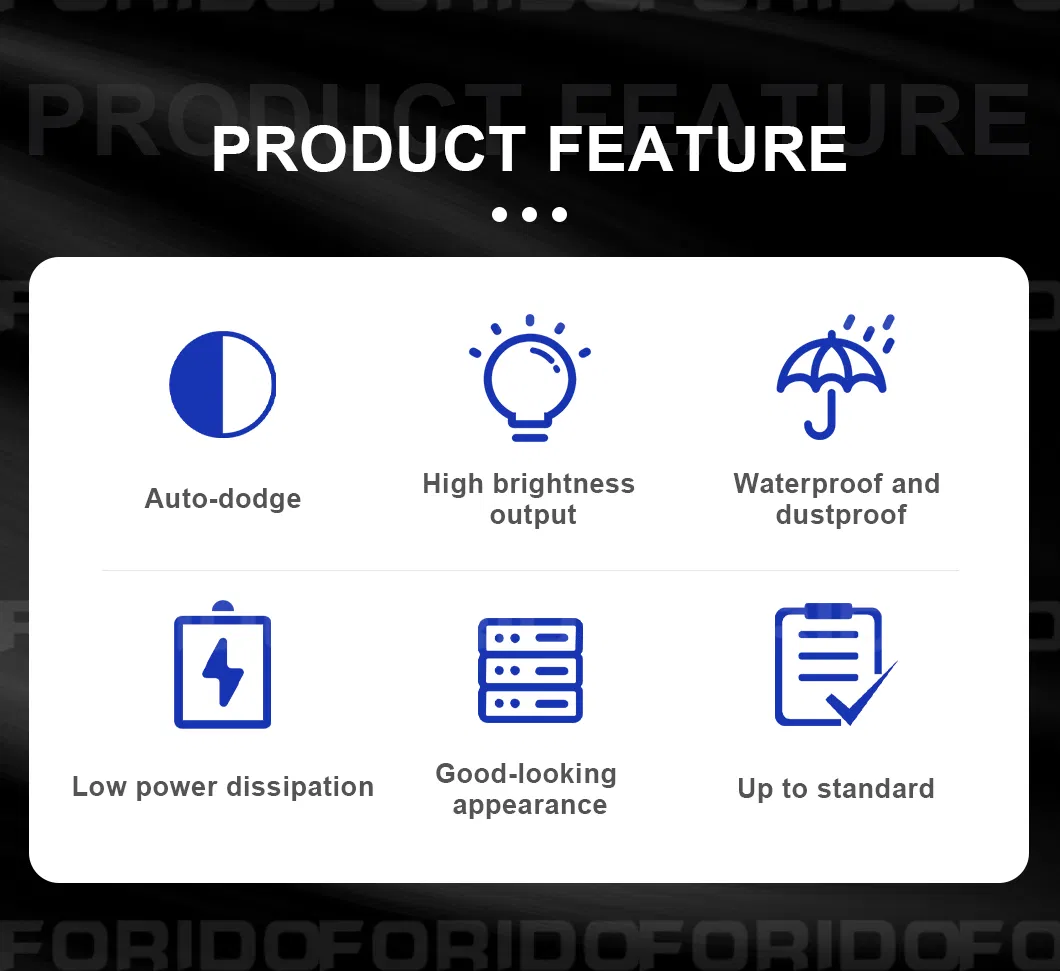
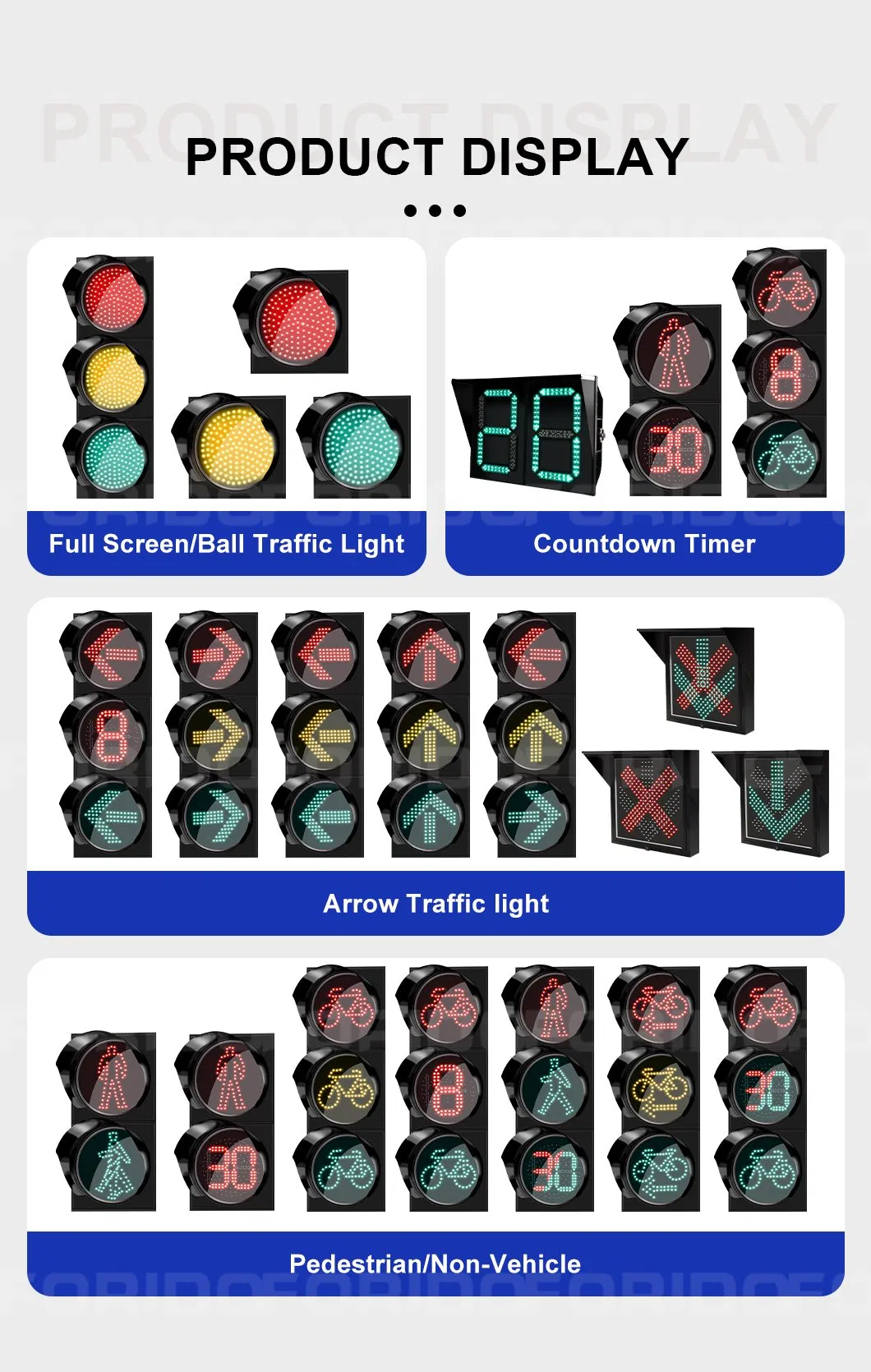
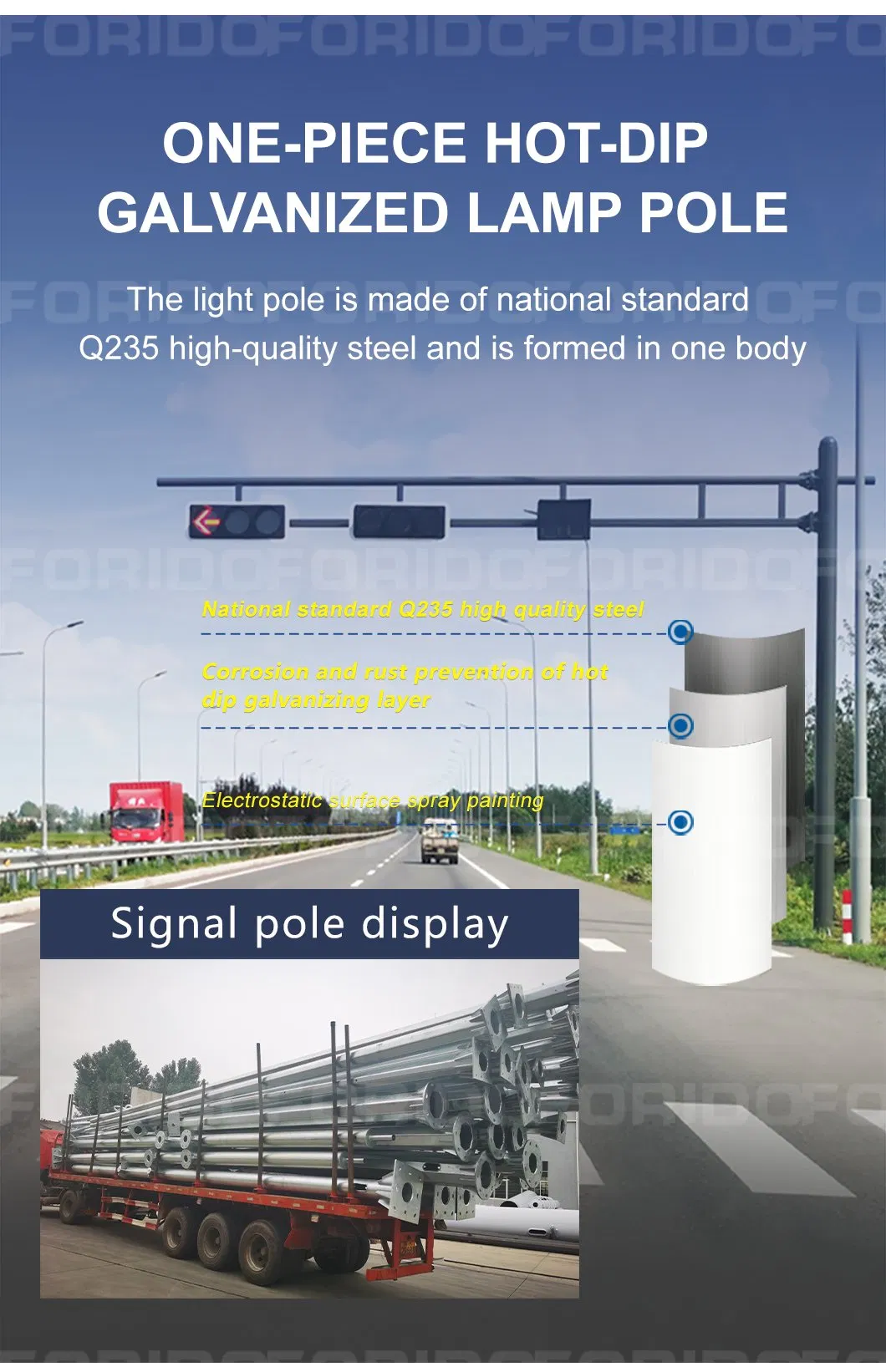
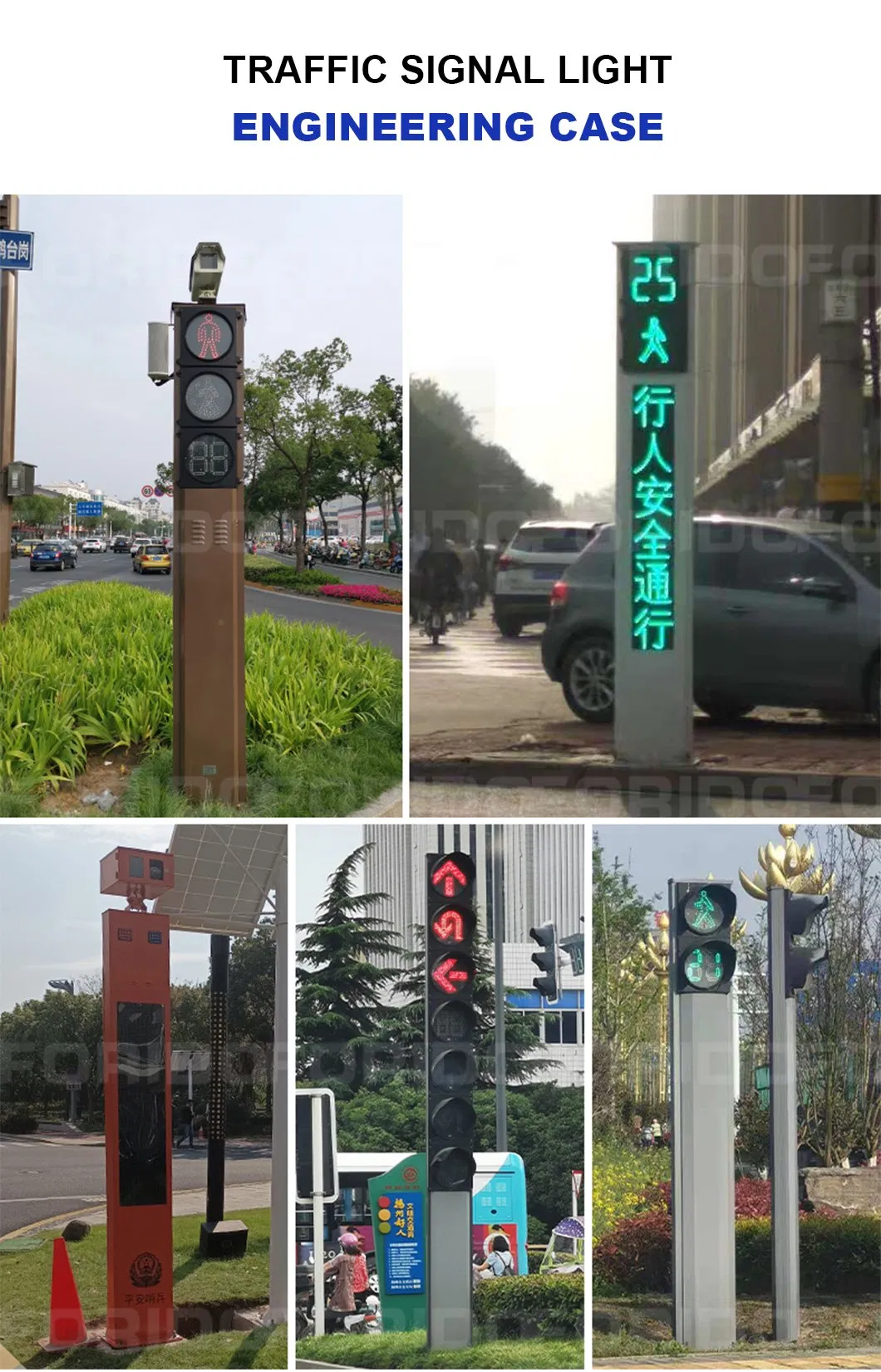
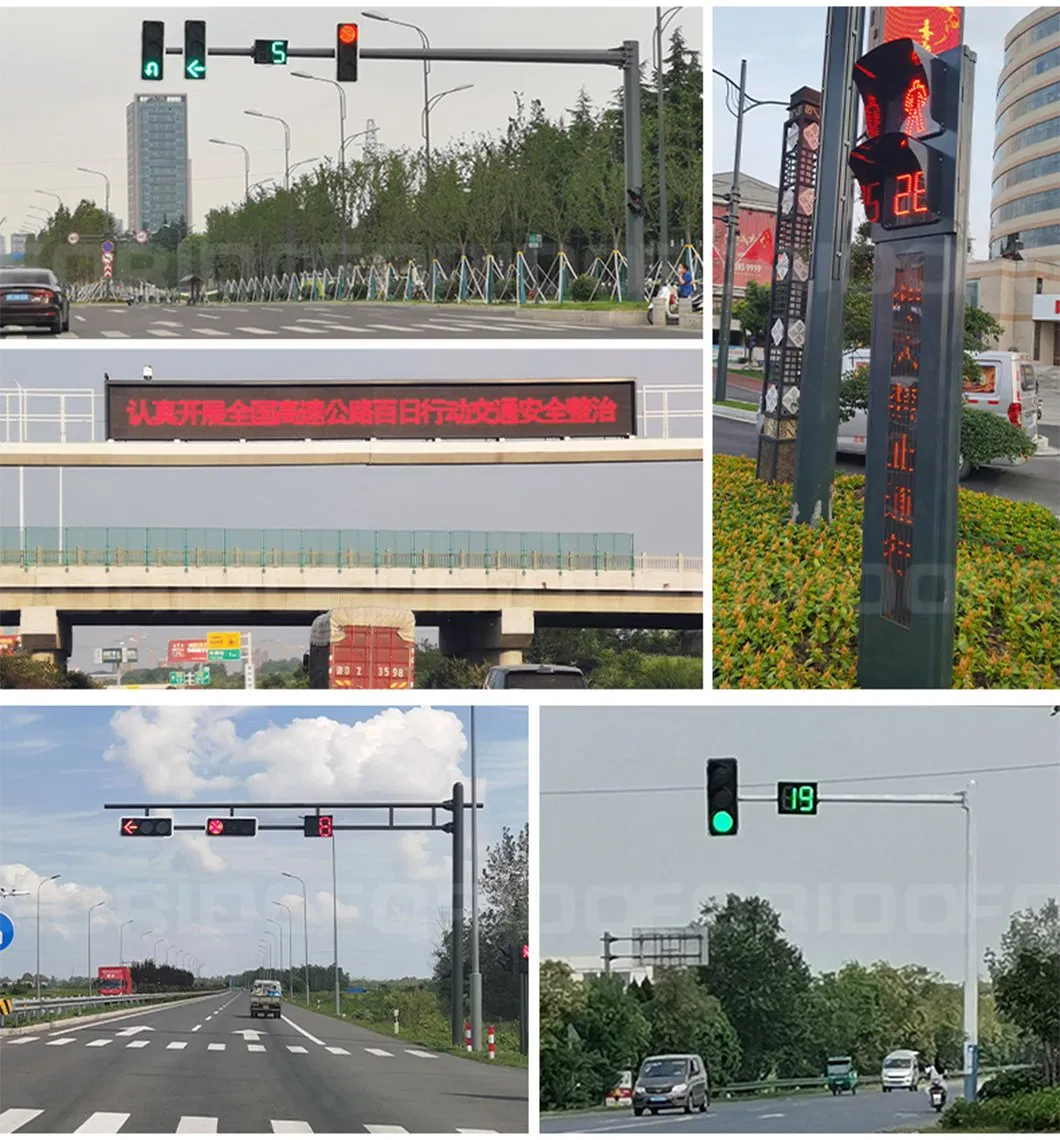
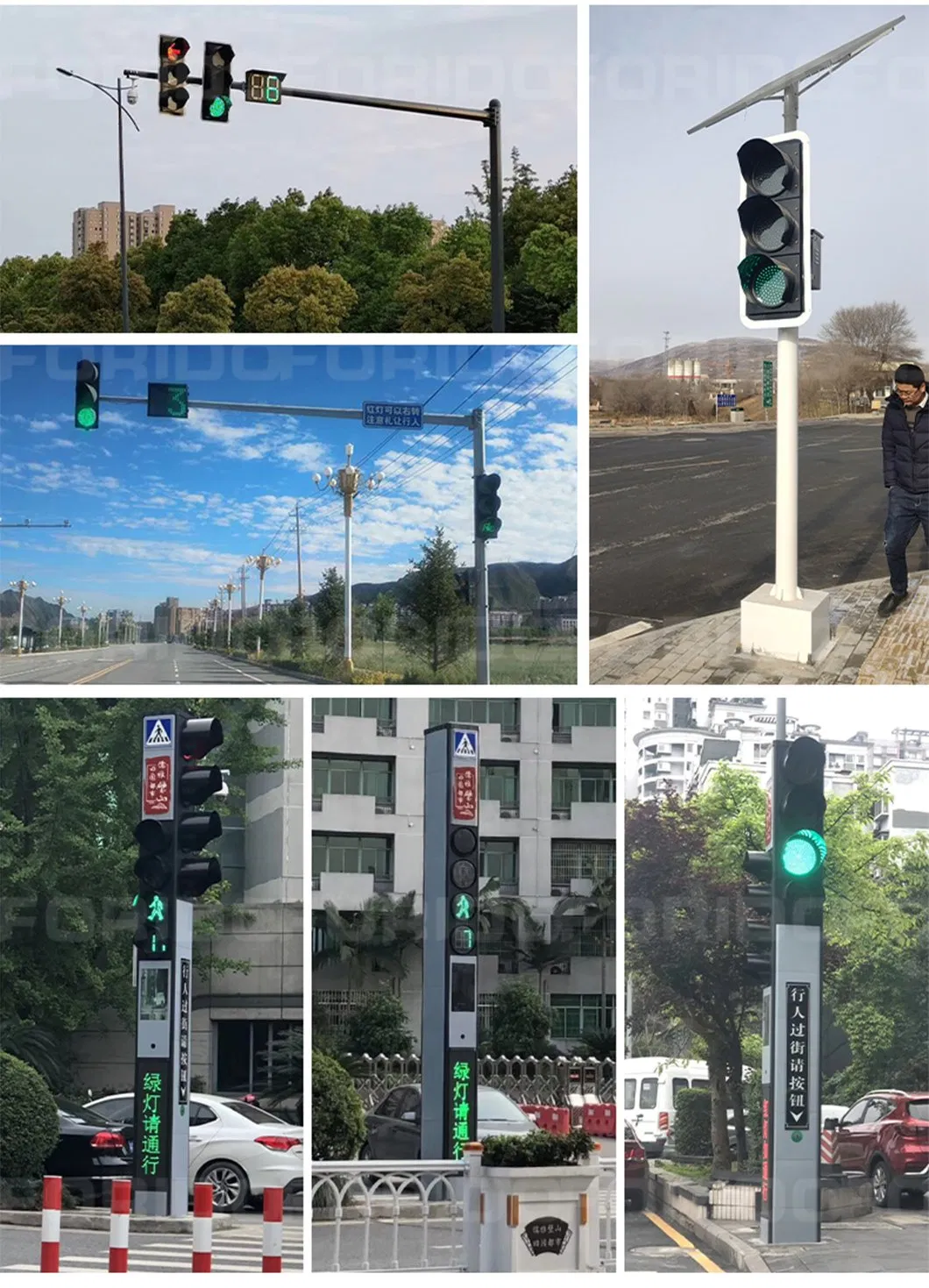
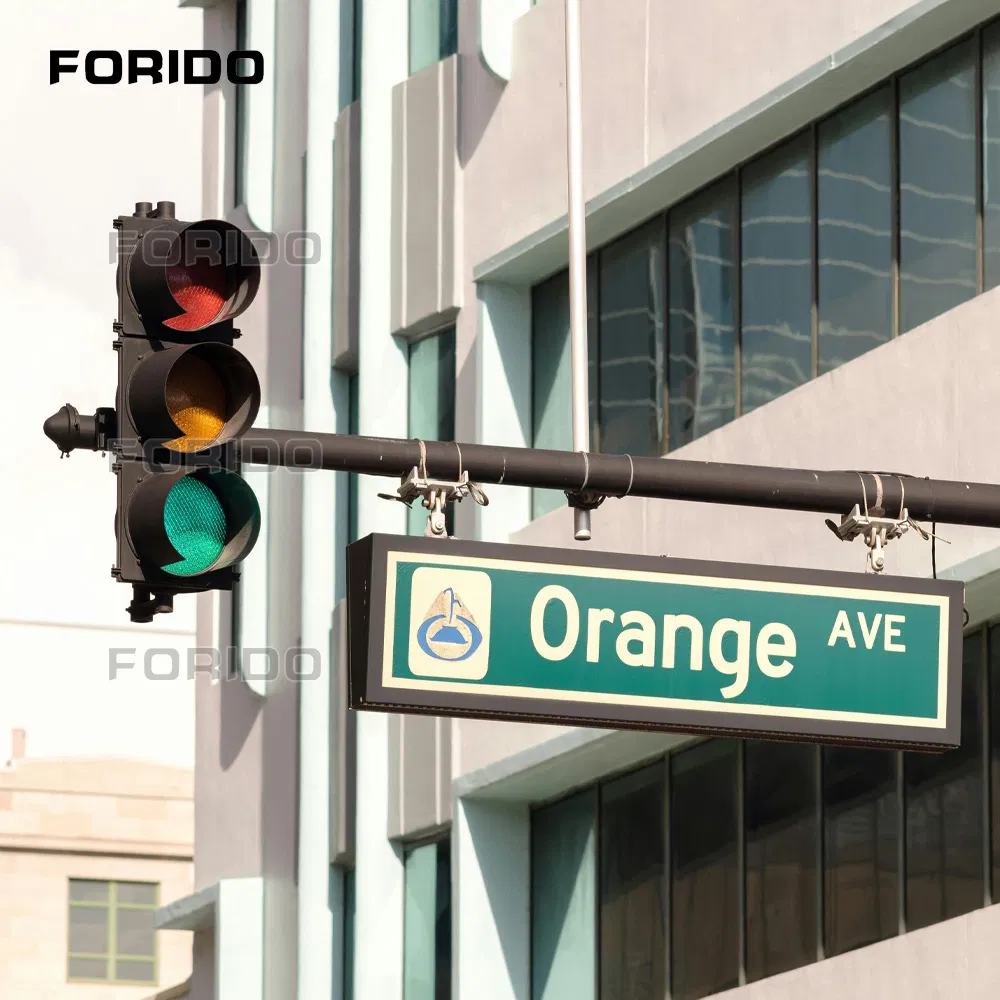
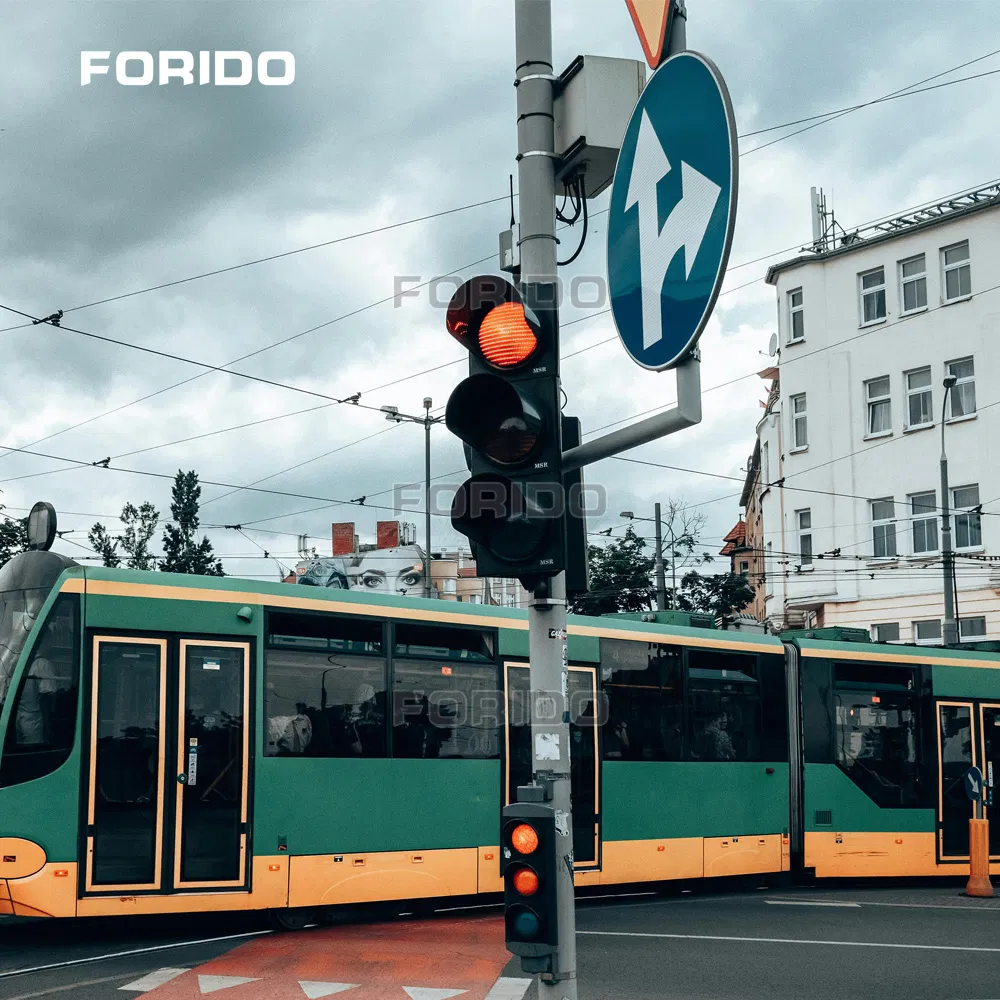
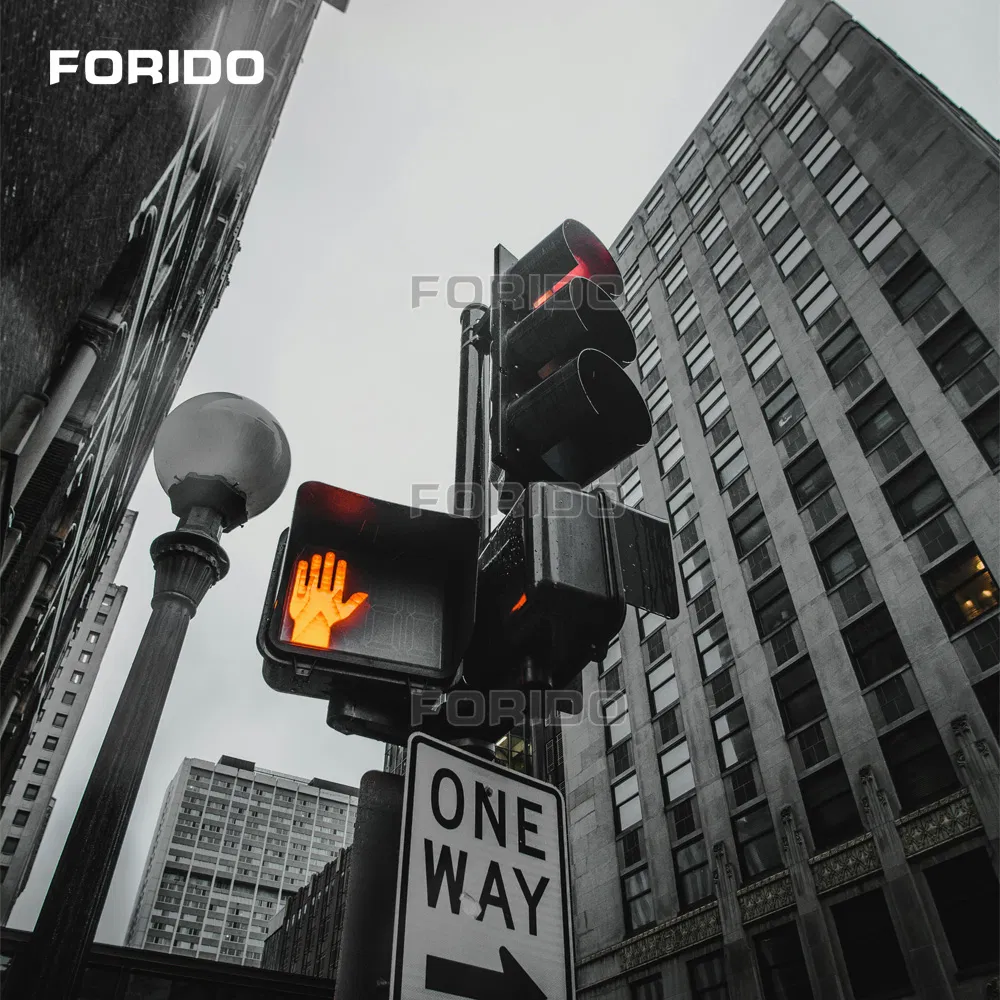
Traffic signal lights are built to last, withstanding harsh weather conditions and frequent use. They are made from durable materials that can resist corrosion, impact, and wear and tear. This ensures that the signal lights can maintain their functionality for a long time, providing a cost-effective solution for traffic management.
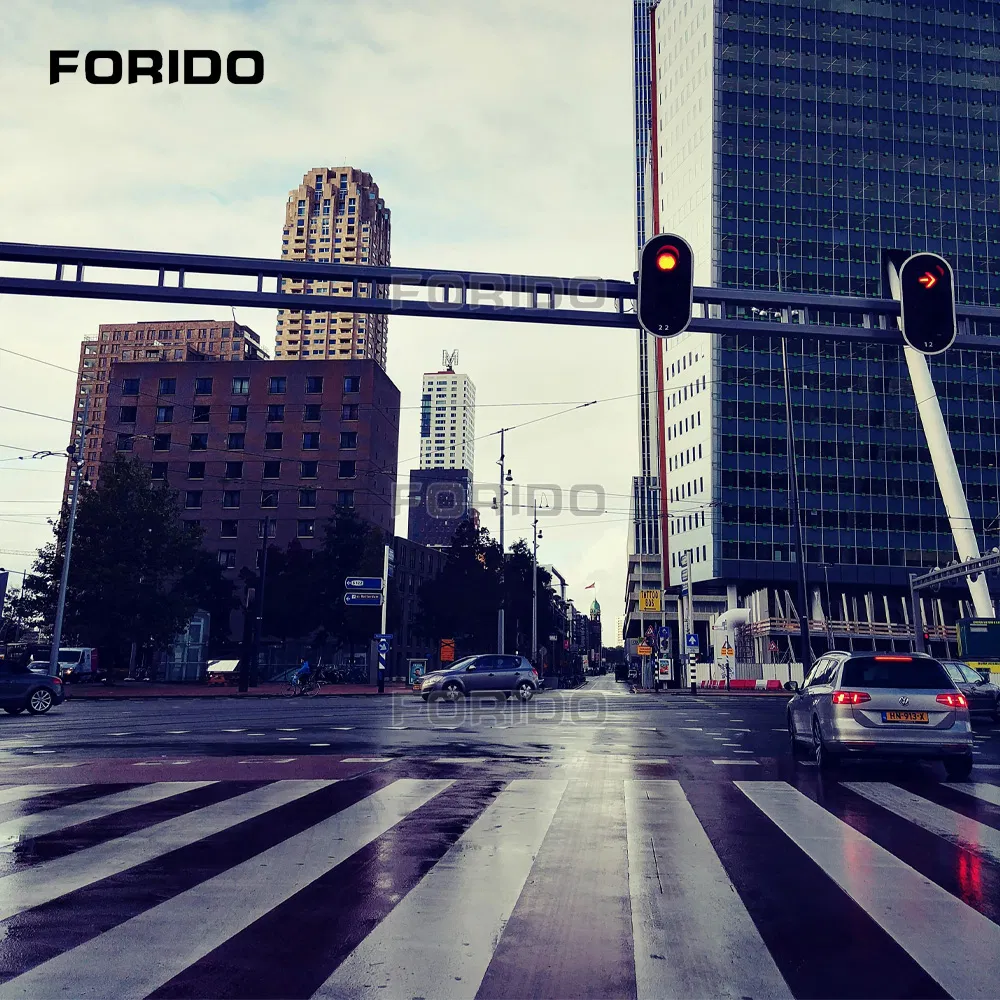
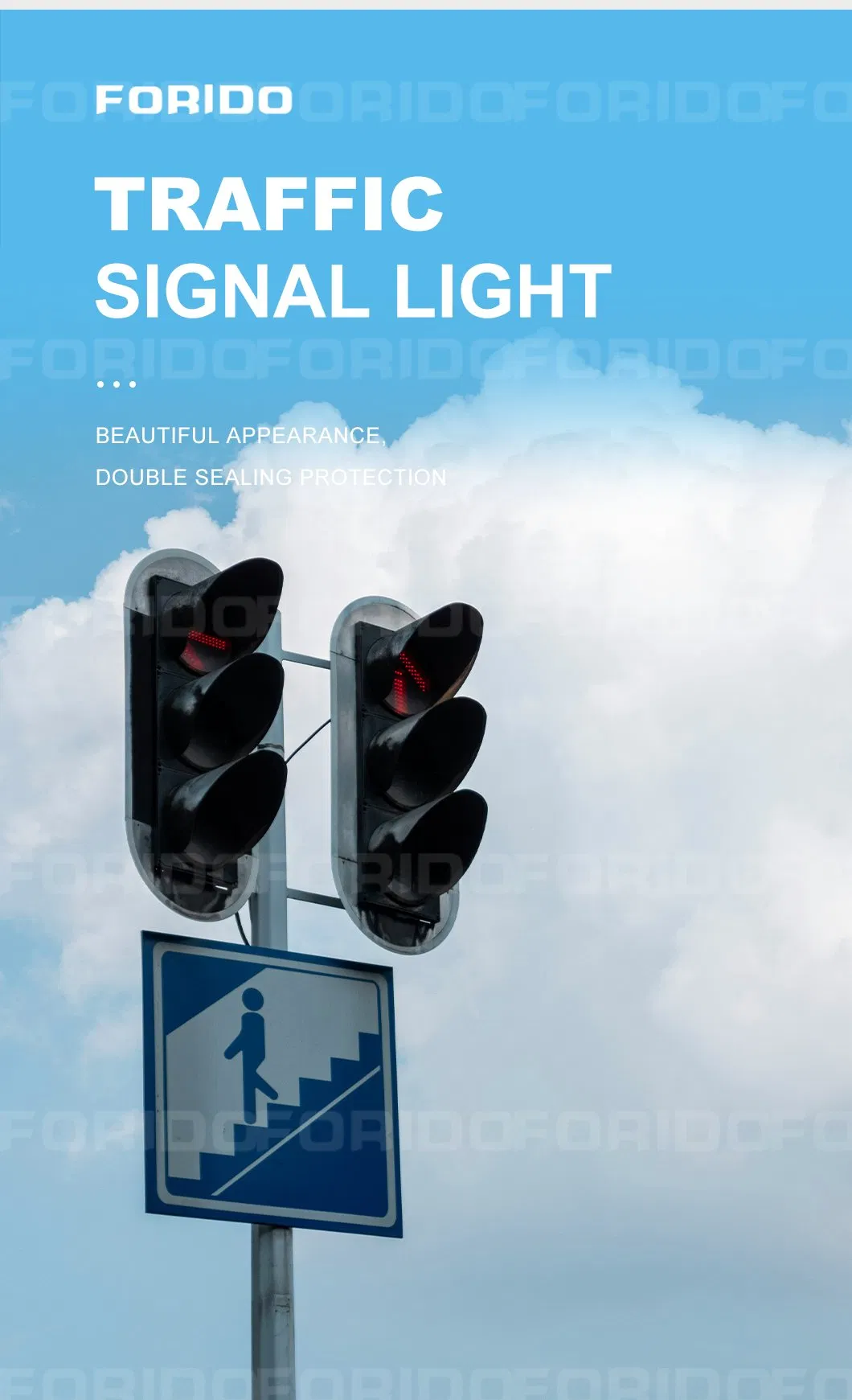
Traffic signal lights are designed with high visibility and clarity, making them easy to see and understand for both drivers and pedestrians. They use bright LED lights that are visible even in low-light conditions, ensuring that road users can clearly see the signal indications. The simple and intuitive design of the signal lights also ensures that they are easy to understand, even for those who are not familiar with the local traffic rules.
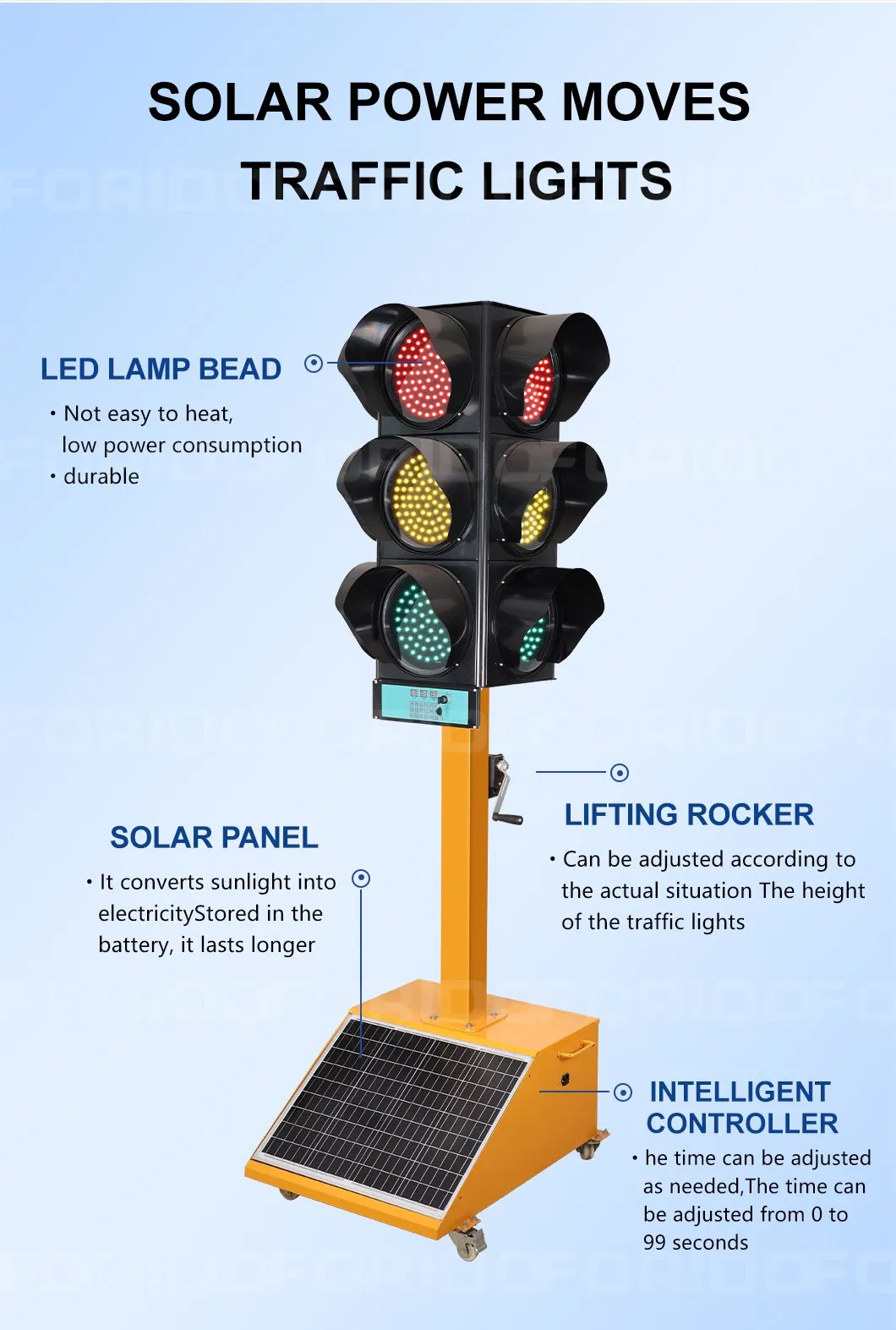
Many modern traffic signal lights are designed with a focus on environmental sustainability. They use LED lights that consume less energy than traditional incandescent bulbs, reducing electricity consumption and carbon emissions. Some models even incorporate renewable energy sources, such as solar panels, to further reduce their environmental impact.
Modern traffic signal lights offer a high degree of flexibility and customizability. They can be programmed to meet the specific needs of different road intersections, taking into account factors such as traffic volume, pedestrian flow, and the timing of public transportation. This ensures that the signal lights are optimized for the specific traffic conditions, maximizing their effectiveness.
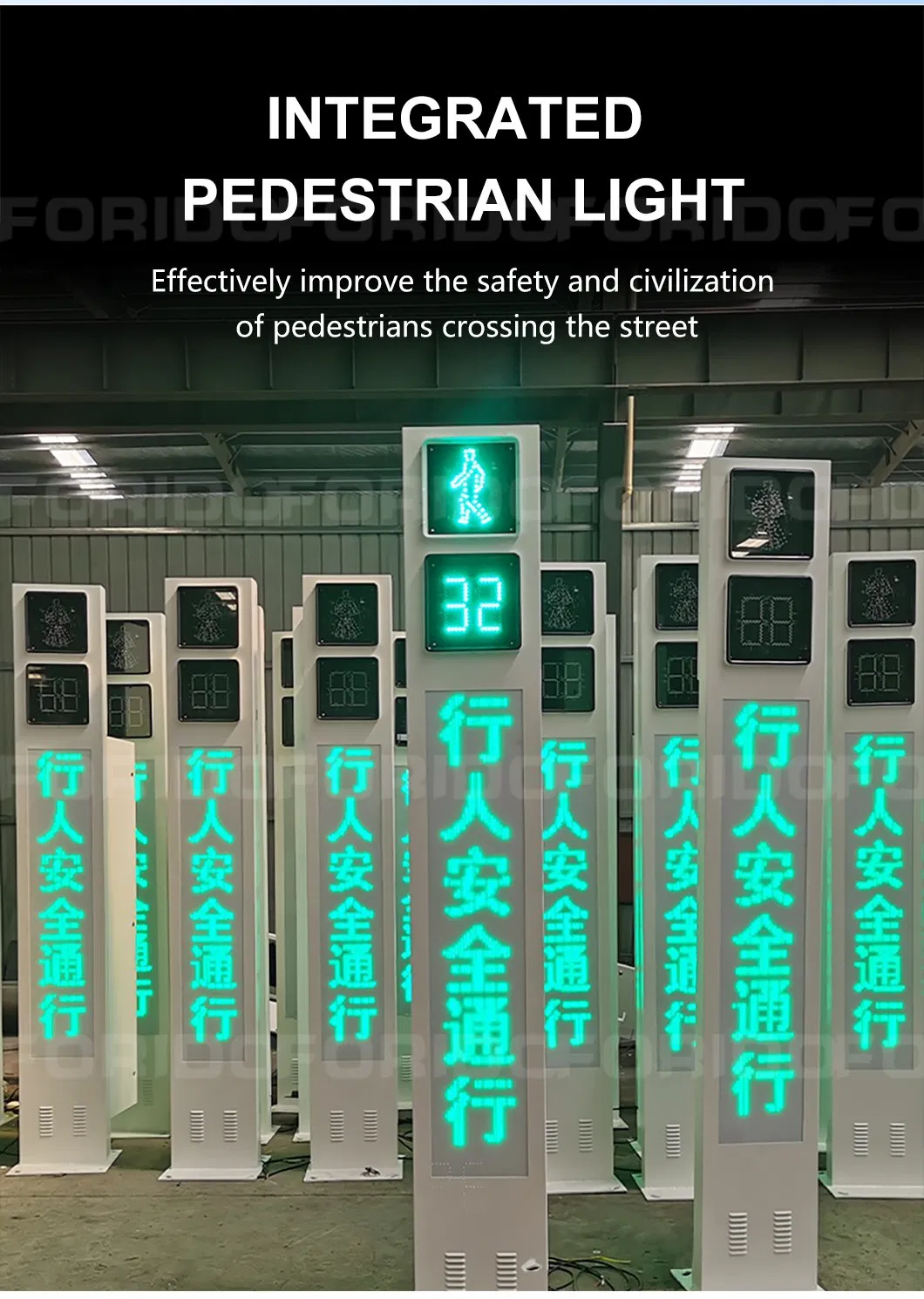
Traffic signal lights are not just limited to road intersections. They can also be used in various other applications, such as pedestrian crossings, school zones, and parking lots. Their versatility allows them to be adapted to a wide range of traffic situations, ensuring the safety and efficiency of road users in various environments.
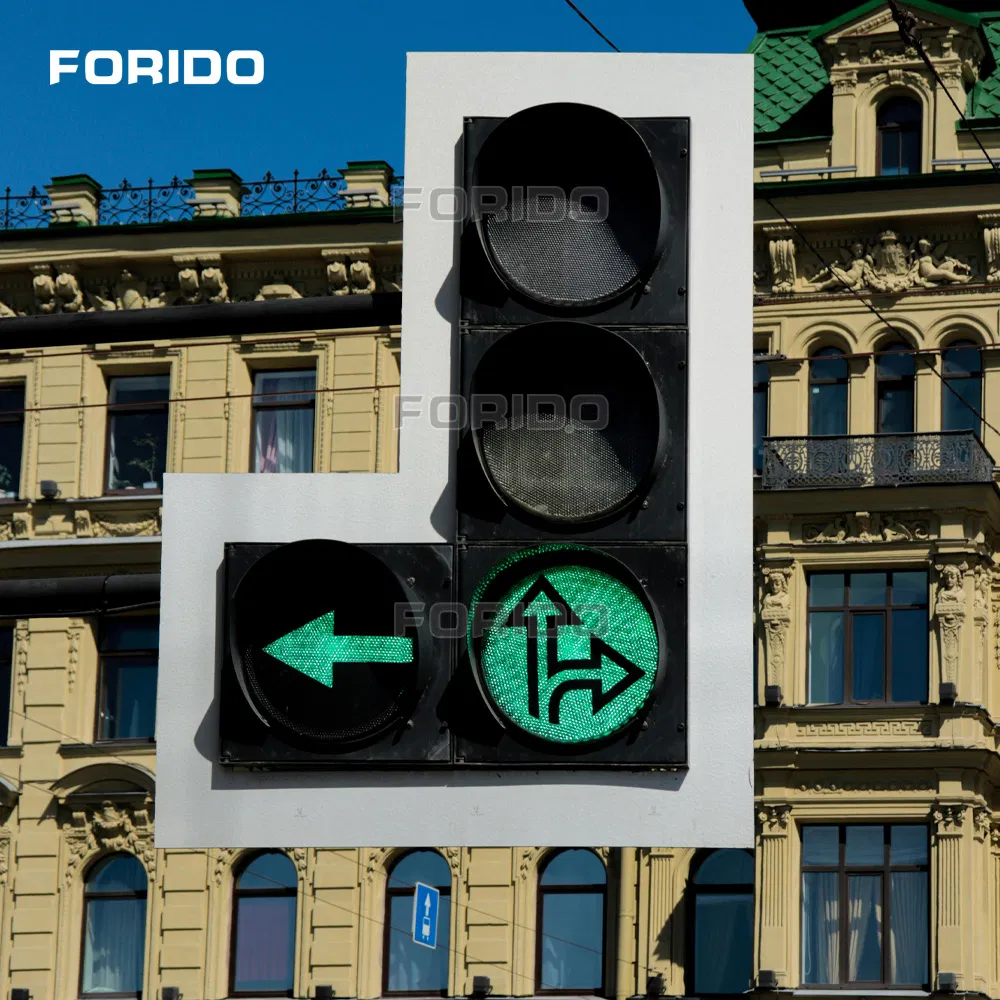
A: These traffic lights support a wide variety of control functions, including Green, Red, and Yellow Signals, Flash Alarm Signals, Direction Signals, Lane Signals, Crosswalk Signals, and Command Signals.
A: The housings are built using robust metal shell designs. Combined with an IP65 ingress protection rating, they are highly resistant to corrosion, impacts, and severe weather conditions to ensure long-term durability.
A: Yes, they utilize LED light sources which consume significantly less electricity than traditional incandescent bulbs. This reduces overall energy costs and carbon emissions, making them environmentally friendly.
A: The light systems are designed for extreme environments, with an operational temperature range of -35°C up to 70°C, ensuring reliable operation throughout seasonal climate shifts.
A: Yes, these systems offer high flexibility and customizability. They use timing control methods and can be programmed based on specific site requirements, traffic volumes, and pedestrian flow dynamics.
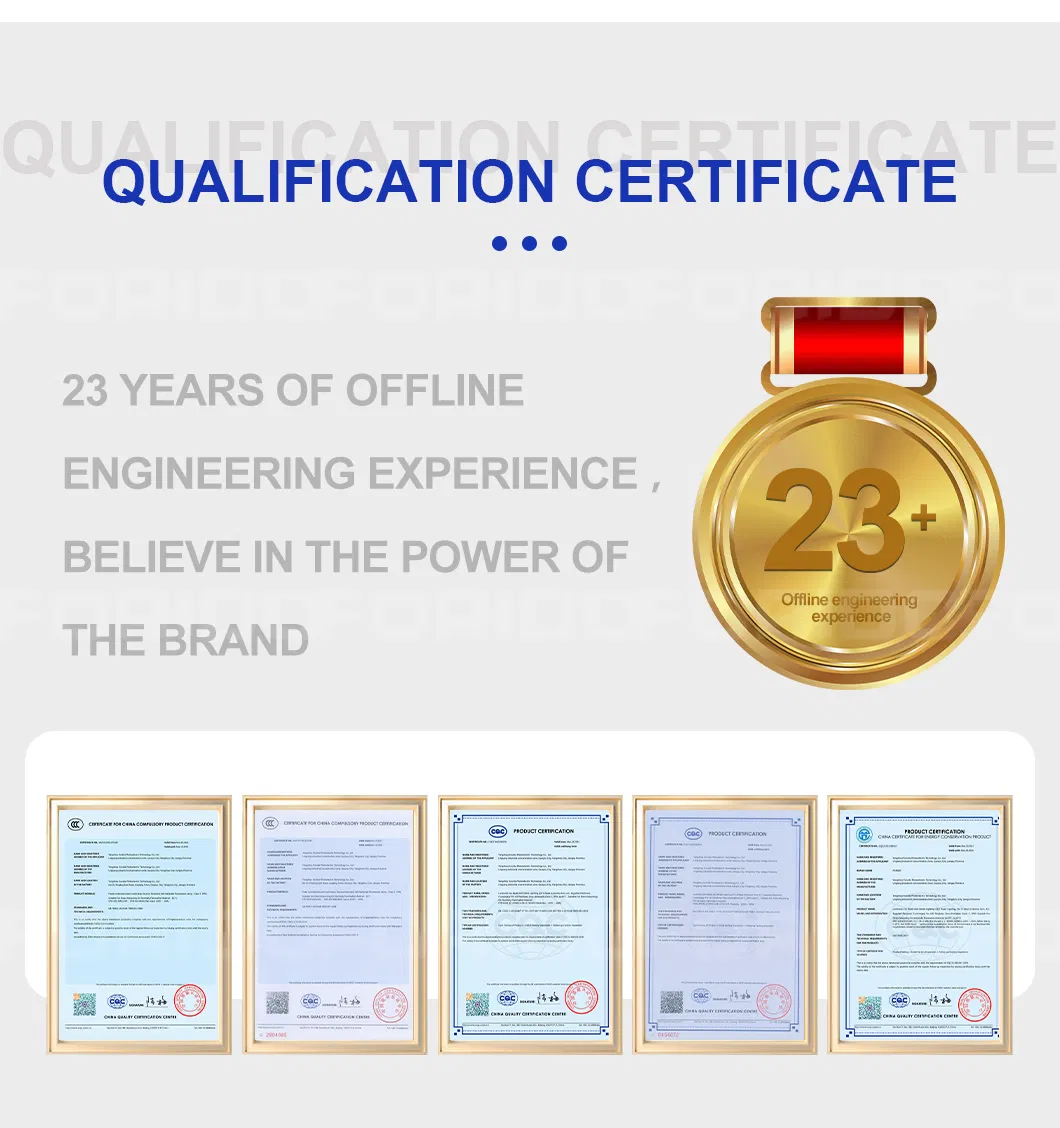
A: They are fully compliant with CE and CCC certifications, confirming they meet high quality, safety, and performance standards.