Engineered for dynamic optical projection, robust environmental sealing, and seamless low-voltage vehicle system architecture.
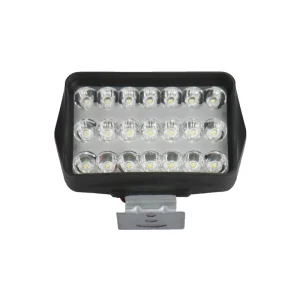
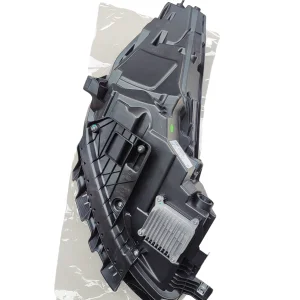
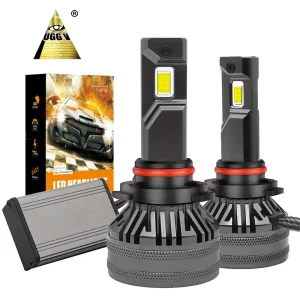
As autonomous driving technologies progress from Level 2+ driver-assistance systems toward Level 4 (High Automation) and Level 5 (Full Automation), the design requirements for vehicle lighting systems are experiencing a paradigm shift. Traditionally, automotive illumination was designed exclusively for the human eye, governed by standards that aimed to enhance driver visibility while avoiding glare to oncoming traffic.
In the era of autonomous vehicles (AVs), lighting systems serve a dual customer: human road users (pedestrians, cyclists, manual vehicle operators) and machine vision systems (LiDAR, Radar, CMOS camera sensors). Hangzhou EV Light Co., Ltd. stands at the forefront of this technological convergence, engineering specialized, CE-certified autonomous vehicle illumination architectures that satisfy the extreme requirements of thermal endurance, signal clarity, electromagnetic compatibility (EMC), and adaptive control interfaces.
"The challenge of L4/L5 illumination is not just brightness; it is spectral precision. Our lights are engineered to prevent crosstalk with sensor wavelengths while providing high-definition beam steering to telegraph vehicle intent to the public."
Global sourcing directors for Robotaxi fleets, OEM commercial EV makers, and autonomous trucking networks have complex criteria for system components. Unlike consumer vehicles, commercial autonomous fleets run up to 22 hours per day. This elevates standard reliability expectations exponentially. Key purchasing vectors include:
Modern AV lighting is moving from static projection to high-resolution matrix systems. Our engineering pipeline outlines the progression of this technology:
| Technology Era | Resolution & Light Source | Autonomous Vehicle Integration Interface | Safety Standard Alignment |
|---|---|---|---|
| Classic LED Systems | Discrete LED Arrays (10-30 pixels) | Basic Relay / LIN Bus Control | ECE R112 / DOT FMVSS 108 |
| Adaptive Driving Beam (ADB) | Matrix LED (84 - 1024 pixels) | High-Speed CAN / Real-time Camera Input | CE EMC Directive / UNECE R48 |
| Micro-LED & Laser Projection | 20,000+ Pixels / DMD / Solid-State Laser | Automotive Ethernet / Sensor-Direct Actuation | ISO 26262 ASIL-B / CE Photobiological Safety |
Our latest engineering focus at Hangzhou EV Light Co., Ltd. involves mitigating optical sensor crosstalk. Active LiDAR systems run at 905nm or 1550nm. Normal automotive LED drivers emit high-frequency switching noise that can disrupt these sensors. Our CE-compliant drivers feature shielded inductors and low-pass filtering topologies designed to conform to CISPR 25 Class 5 limits, ensuring zero degradation of autonomous sensor ranges.
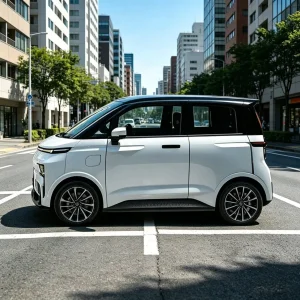
Urban and industrial environments pose different challenges. In dense metropolitan zones, Robotaxis need lighting systems that communicate clearly with pedestrians. Our matrix lighting systems project high-contrast road symbols to show when the AV is stopping, turning, or yielding.
In off-highway and heavy industrial automation (mining, automated port logistics, agriculture), illumination must withstand high levels of dust, moisture, and intense vibration. Hangzhou EV Light provides heavy-duty structural cast-aluminum housings with IP69K sealing ratings, preventing dust ingress and protecting internal electronics during high-pressure washdowns.
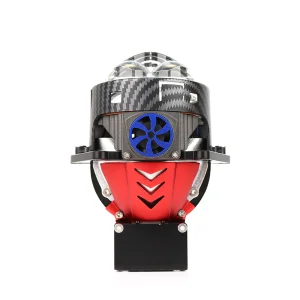
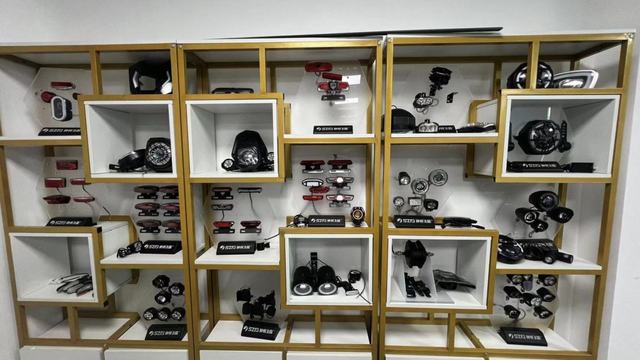
Designed with customized Aspheric PMMA/Polycarbonate lenses offering sharp cutoff lines, preventing glare and maximizing target area illuminance.
Strict pressure testing profiles ensure our light assemblies resist high-pressure steam cleaning, moisture condensation, and micro-particle ingress.
Rigorous third-party validation under standard EN 61000-6-3 for emissions and EN 61000-6-1 for industrial-level immunity.
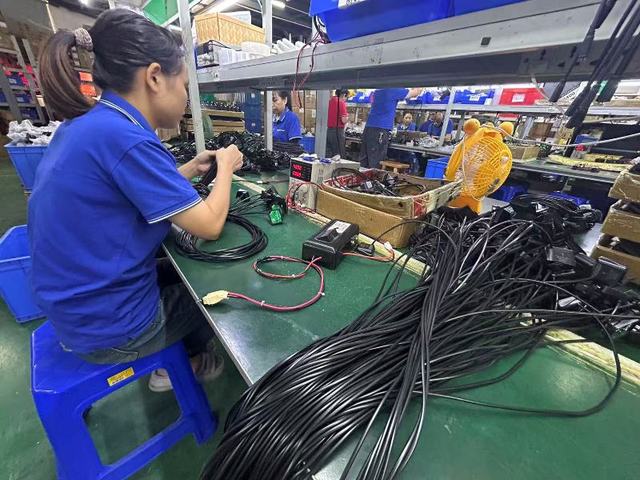
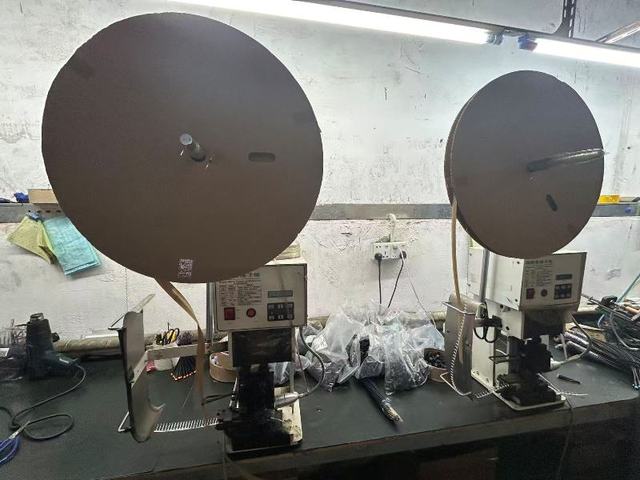
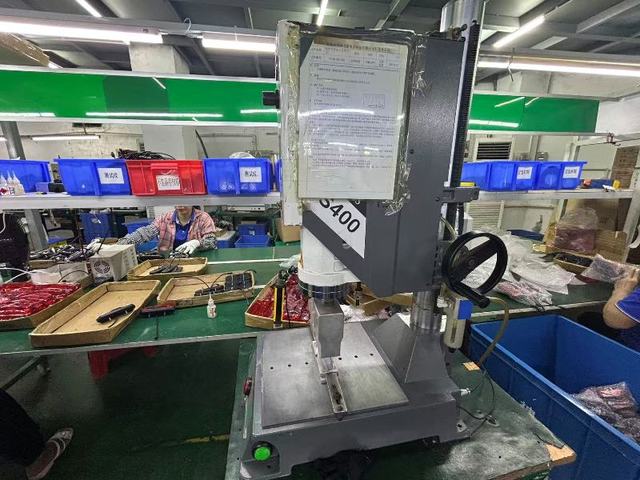
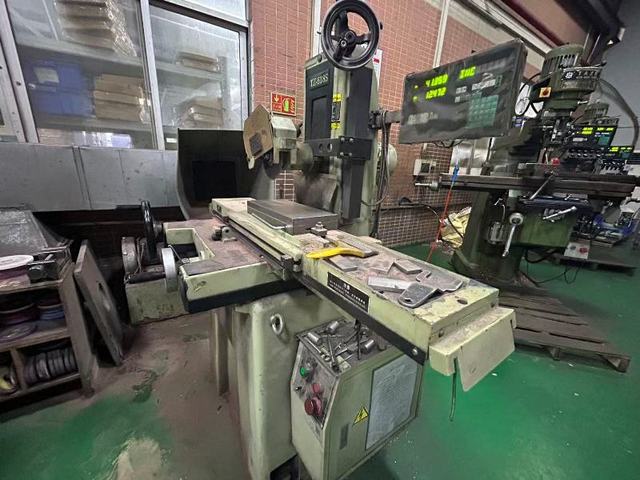
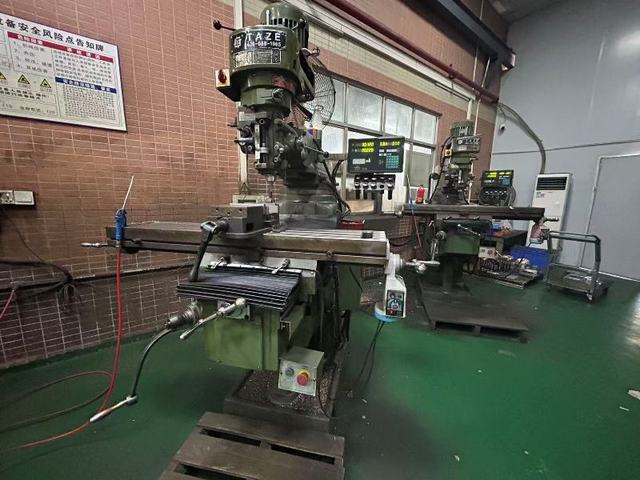
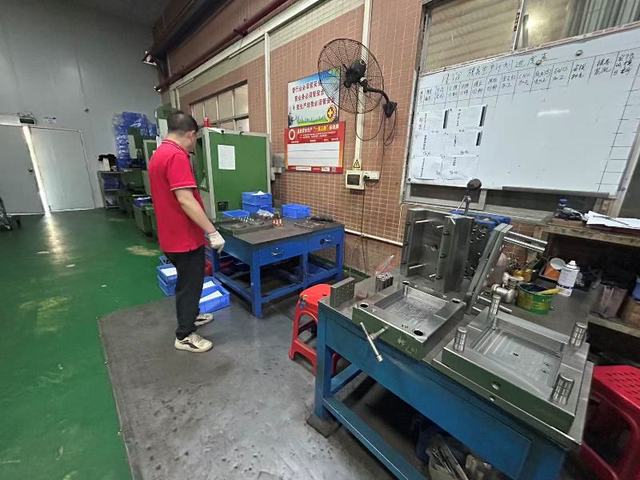
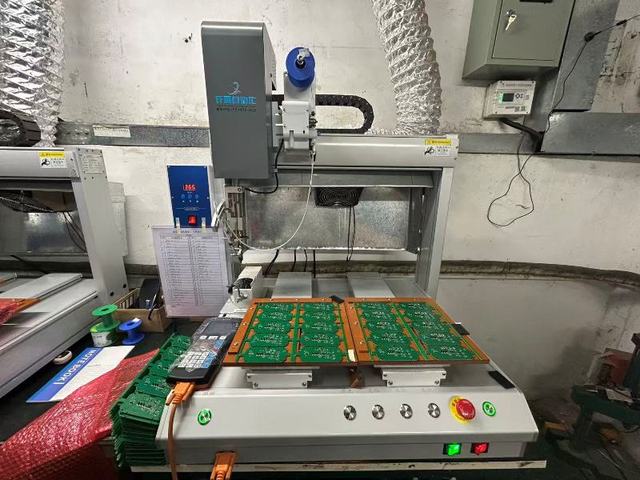
Hangzhou EV Light Co., Ltd. operates a high-capacity manufacturing facility optimized for automotive production guidelines. Our production floor uses dust-free cleanrooms, automated optical testing fixtures, and trace-monitored SMT component placement systems. These capabilities support the quality and consistency required by major global automotive OEMs.
State-of-the-art SMT lines, Cleanrooms, Assembly Facilities, and Material Warehousing.
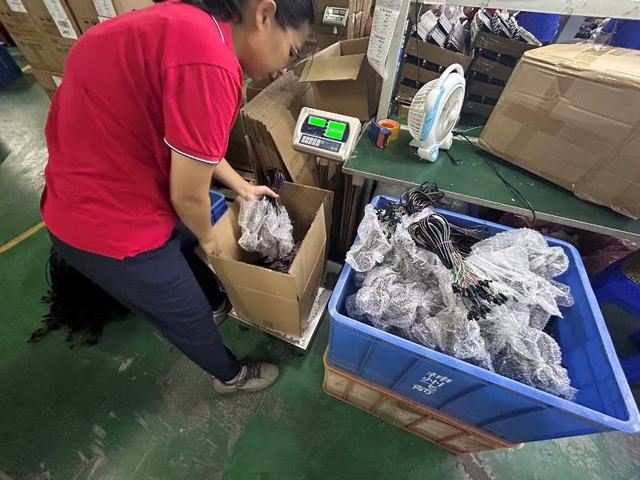
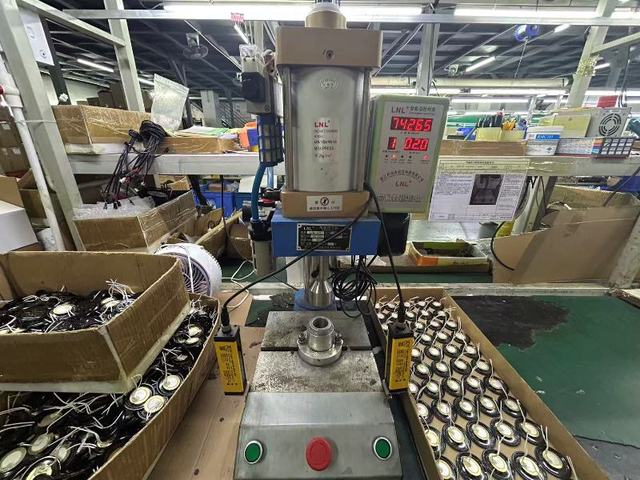
Navigating the global regulatory landscape is a critical task for AV procurement and engineering departments. Our manufacturing systems comply with standard automotive quality frameworks, ensuring component reliability.
For the European market, our assemblies conform to the CE Certification Mark and the latest UNECE Regulations (specifically R148 for light-signaling devices and R149 for road-illumination devices). Furthermore, we ensure all components meet the EU RoHS Directive (2011/65/EU) and REACH criteria. In North America, we utilize precise goniophotometer measurement protocols to align with Federal Motor Vehicle Safety Standard 108 (FMVSS 108).
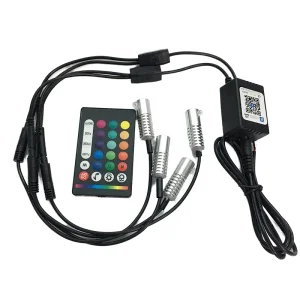
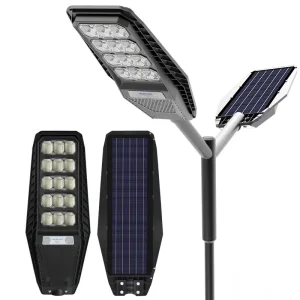
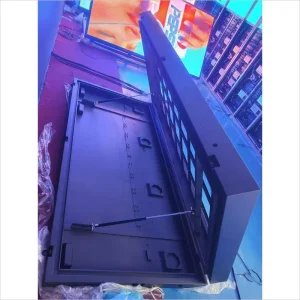
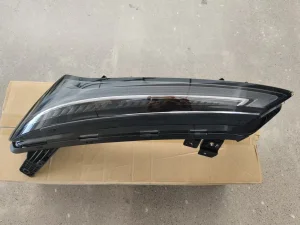
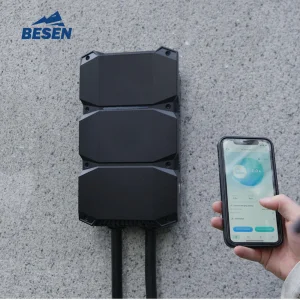
From interior atmosphere styling to urban smart lighting and EV charging systems.
 EV Light