CE Certified Smart EV Lighting Solutions Manufacturer & Suppliers

Pioneering Next-Generation Automotive Solid-State Illumination & Adaptive Optical Systems for Electric Vehicles Globally

White Paper & Industry Report

Executive Analysis: The Evolution of Intelligent Lighting in Electric Vehicle Ecosystems

How solid-state optics, autonomous vehicle architectures, and energy constraints shape the future of global automotive illumination.

In the modern paradigm of new energy vehicles (NEVs), lighting has evolved from a passive analog utility into an intelligent, data-driven system. As battery electric vehicles (BEVs) demand extreme efficiency to optimize range and autonomous drive systems rely heavily on precision sensor integration, the role of automotive lighting systems is undergoing a structural transformation. Headlamp assemblies are no longer isolated sub-assemblies; they are active components of the vehicle’s communication bus, thermal management network, and aerodynamic envelope.

Hangzhou EV Light Co., Ltd. stands at the forefront of this industrial transformation. As a professional China electric vehicle lighting manufacturer, we specialize in high-efficiency EV LED lighting and smart automotive lighting solutions designed to meet the rigorous demands of the global market. Our strategic approach combines state-of-the-art optical engineering with robust manufacturing systems, providing Tier-1 suppliers and OEMs worldwide with CE-certified products that address regulatory and technological requirements.

50%
Energy Consumption Reduction
IATF
16949 Standards Compliance
0.1s
Adaptive Matrix Reaction Time
100k+
Hours Operational Lifespan

Global Enterprise Procurement Dynamics for Smart EV Lighting

Procuring automotive lighting systems at an enterprise level requires balancing strict regulatory compliance, supply chain resiliency, and technological adaptability. Global OEMs and fleet operators require lighting partners that offer deep custom tooling capabilities (ODM) alongside verified certification suites (CE, ECE, DOT). Key vectors analyzed in current procurement lifecycles include:

  • Regulatory Alignment: Uniformity with UNECE regulations and CE declarations to ensure unrestricted access to EFTA/EU territories.
  • Supply Chain Traceability: Strict material origins, clean component auditing, and sustainability compliance from semiconductor to polycarbonate housing.
  • Functional Safety: Conformance to ISO 26262 ASIL ratings for electronic driver controllers and matrix lighting modules.
  • Thermal-Optical Mitigation: Heavy duty cooling designs that guarantee zero lumen depreciation under continuous operations in extreme climates.
Parameters Standard Specs Hangzhou EV Smart Specs
Luminous Efficiency 80 - 100 lm/W > 130 - 165 lm/W
Ingress Protection IP65 - IP67 IP68 & IP69K (Hermetic Seal)
Controller Bus Analog / Lin-Bus High-Speed CAN-FD & Automotive Ethernet
Thermal Substrate FR4 / Standard MCPCB Direct Copper Bonded (DCB) Ceramic
EMC Suppression CISPR 25 Class 3 CISPR 25 Class 5 Certified

Macro Industry Solutions & Systematic Architectures

Integrating modular lighting units across urban, logistics, and high-speed transit networks.

Autonomous & ADAS Adaptive Beam (ADB)

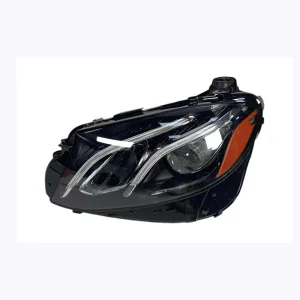
Matrix LED projection systems that integrate dynamically with onboard LiDAR and camera systems. Real-time beam steering prevents glare for oncoming traffic while maintaining maximum down-road illumination parameters.

IoT-Enabled Smart Pole Infrastructures

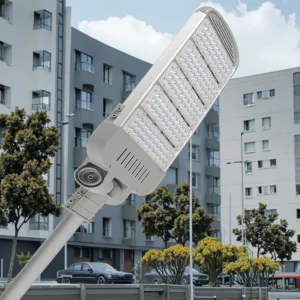
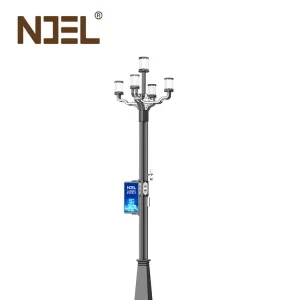
Street lighting nodes designed with unified 5G microcell bays, high-speed EV charging stations, surveillance cameras, and integrated light indicators. Fully scalable solutions for smart city networks and urban thoroughfares.

Heavy Commercial & Fleet Operations

Ultra-durable, vibration-resistant LED configurations optimized for Class 8 freight electric trucks, delivery vans, and logistics transport. Designed to withstand continuous high-voltage spikes and mechanical stresses.

Engineering Roadmap: Lighting Technology Horizons

From high-efficiency LEDs to solid-state laser projections and Vehicle-to-Everything (V2X) lighting systems.

Phase I: Current Standard
High-Efficiency LED Matrix & CAN-FD Integration
Deployment of highly efficient LED emitters (>150 lm/W) driven by multi-channel constant current controllers. Seamless integration into the vehicle’s central CAN network to translate speed, steering angle, and vehicle status into adaptive beam profiles.
Phase II: Emerging Deployment
Micro-LED Pixel Arrays & Dynamic Road Projection
Transition to digital lighting architectures containing up to 20,000 individually addressable pixels. Allows real-time projecting of navigation indicators, speed warnings, and hazard signs directly onto the asphalt surface for enhanced road safety.
Phase III: Future Horizon
V2X Visual Signage & Solid-State Laser Arrays
Autonomous driving synchronization where the vehicle communicates intent (stopping, turning, yielding) through external color-coded optical projections. Incorporates long-range laser excitation modules achieving 600m+ safe visibility envelopes.

Industrial Competencies & Quality Infrastructure

Underpinning Hangzhou EV Light’s global production, engineering capabilities, and rigorous testing standards.

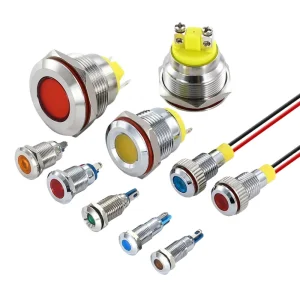
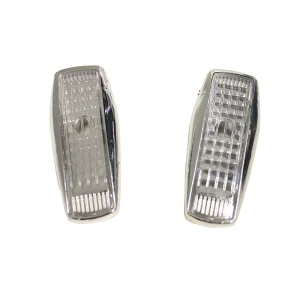
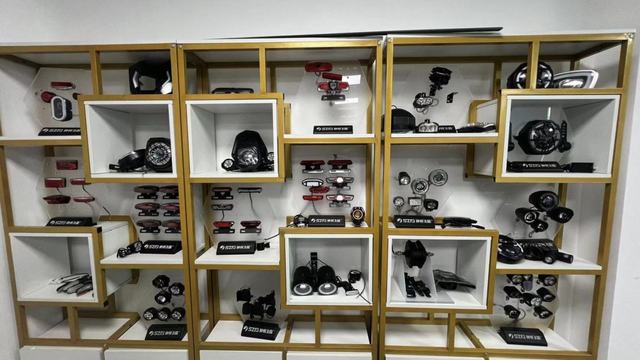
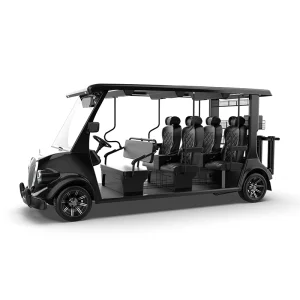
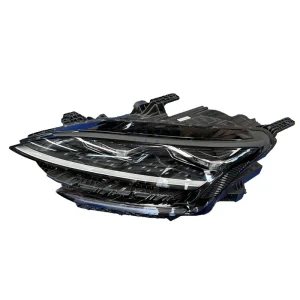
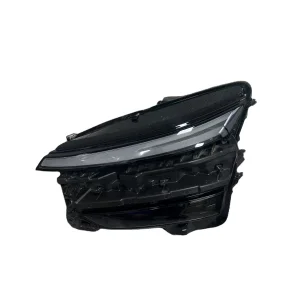
Hangzhou EV Light Co., Ltd. operates as a leading technological developer in China’s new energy vehicle corridor. Our comprehensive portfolio spans EV headlight systems, complex taillight assemblies, Daytime Running Lights (DRLs), turn indicators, localized ambient configurations, and advanced charging status metrics. We provide bespoke solutions for electric passenger sedans, light commercial trucks, buses, off-road buggies, golf carts, and advanced IoT-enabled smart poles.

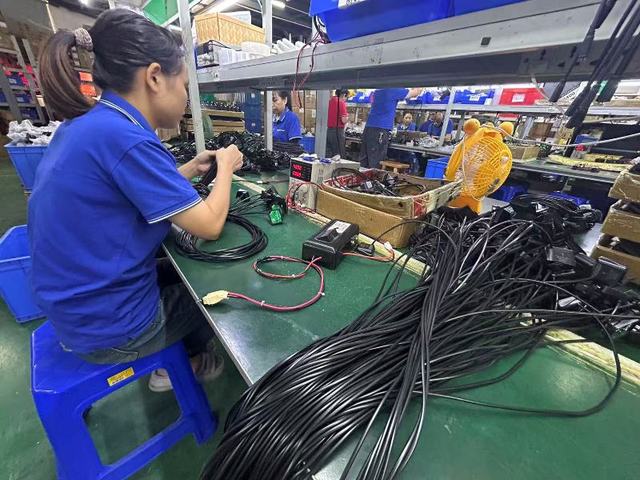
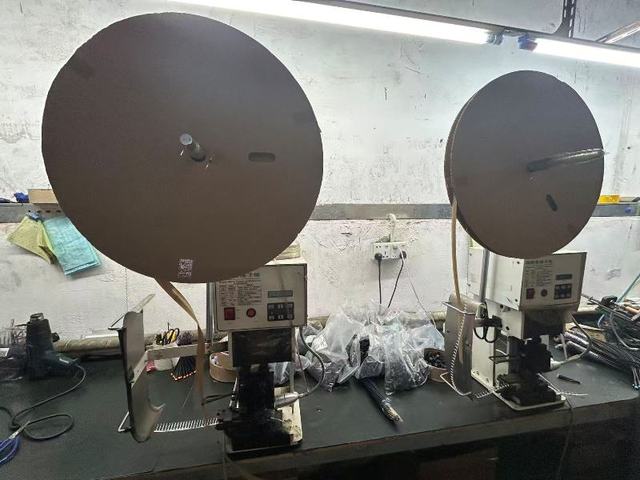
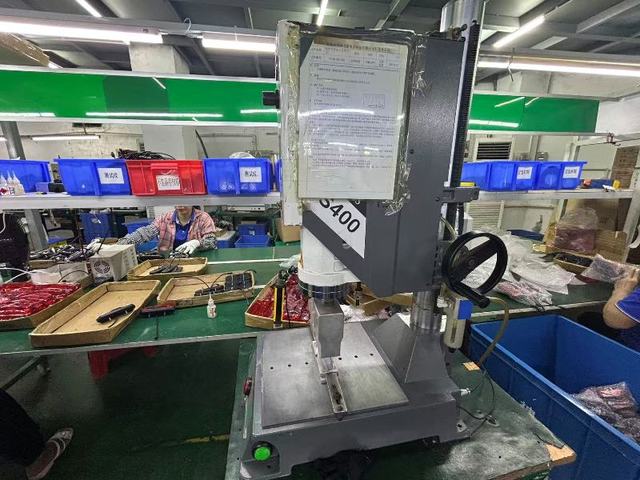
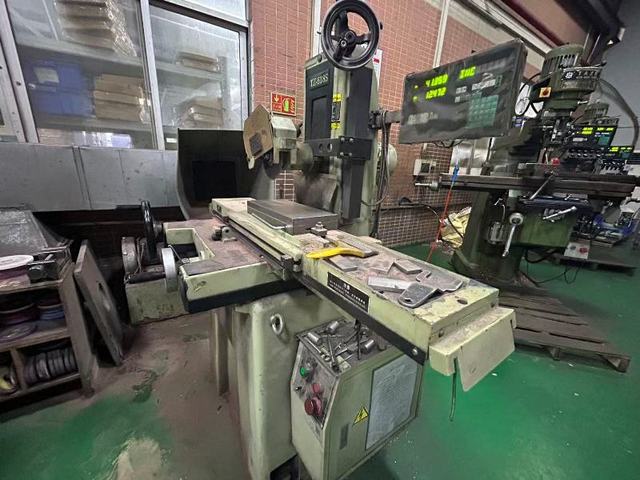
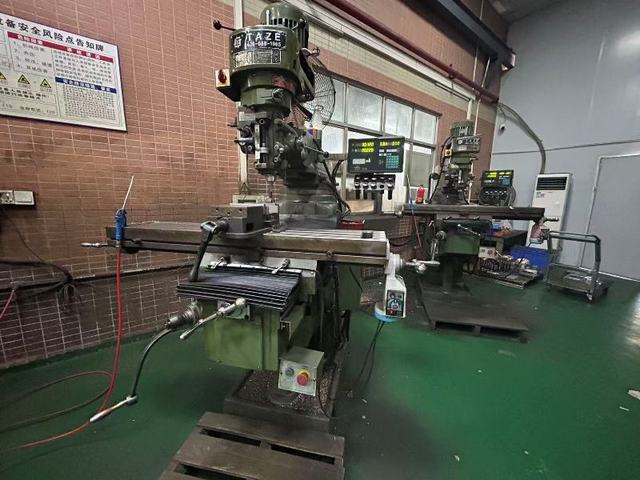
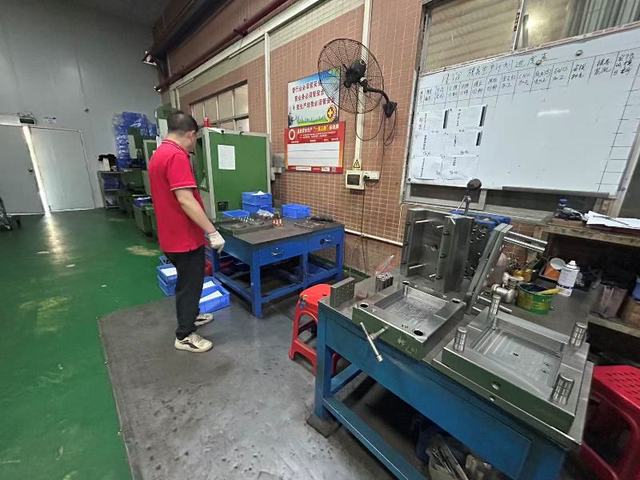
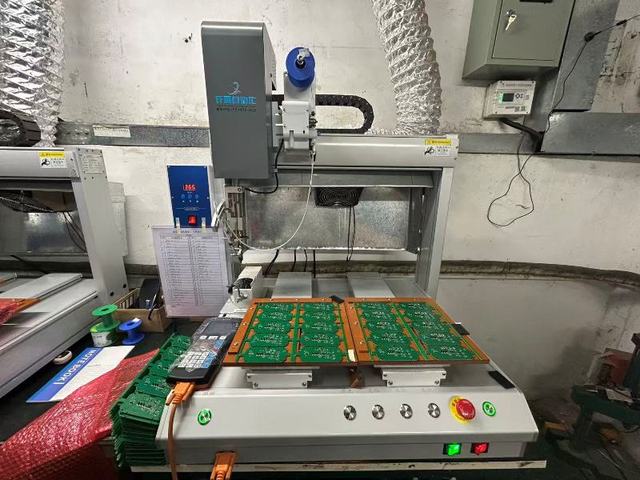
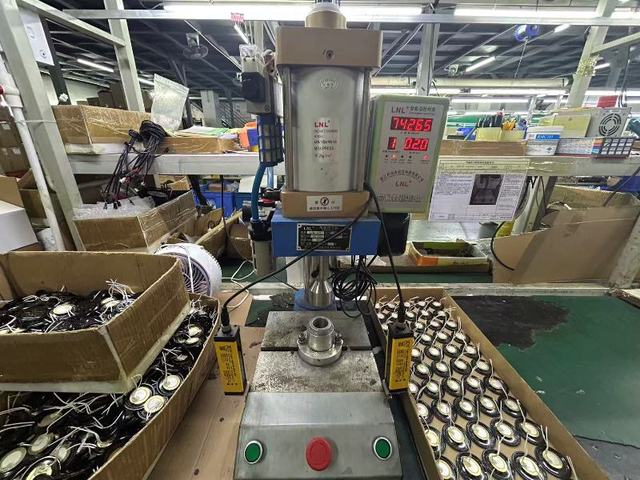
Quality represents the core benchmark of our manufacturing pipeline. Our facilities integrate computerized surface mount technology (SMT) rooms, automated optical inspection (AOI) lines, and ISO-certified dust-free assembly spaces. The R&D laboratory performs rigorous functional validation, validating optical profiles via goniophotometers, assessing electromagnetic compatibility (EMC) levels, and subjecting assemblies to harsh IP69K liquid immersion testing and thermal cycles (-40°C to +105°C).

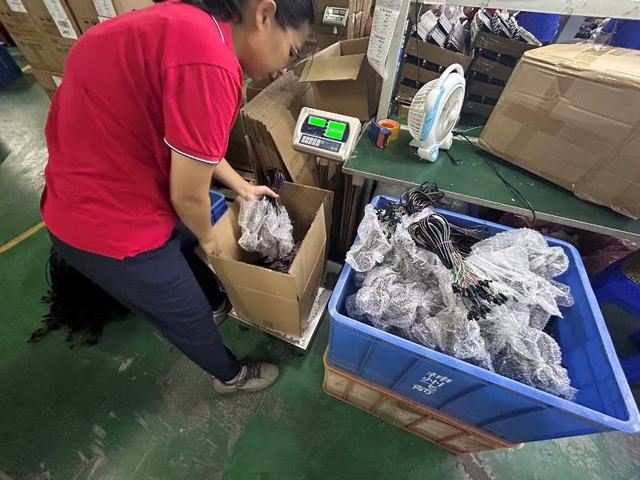
Hangzhou EV Light Co., Ltd. OEM/ODM Operations: We provide full end-to-end support for custom tooling design, optoelectronic layout adjustments, thermal simulation profiling, and compliance documentation. Our production capability scales smoothly to match high-volume assembly lines and targeted boutique batch orders alike.

Technical FAQ & Engineering Inquiries

Detailed explanations regarding smart EV lighting architectures, compliance parameters, and manufacturing integrations.
Why is CE Certification mandatory for Smart EV lighting systems?
CE certification ensures compliance with core European directives for health, safety, and environmental protection. For smart EV lighting, this covers the Electromagnetic Compatibility (EMC) Directive (2014/30/EU), the Low Voltage Directive (2014/35/EU), and relevant UNECE vehicle lighting regulations. It proves that the electronic control unit (ECU) of the lighting system will not interfere with other vehicle networks (such as ADAS sensors, steering columns, or battery management systems) and is safe for integration in commercial and passenger vehicles.
How does Hangzhou EV Light manage the thermal challenges associated with high-power automotive LEDs?
We use Direct Copper Bonded (DCB) ceramic substrates coupled with high-conductivity aluminum housings to channel heat away from the semiconductor junctions. Additionally, our intelligent driver circuitry features dynamic thermal foldback mechanisms. If temperatures exceed pre-set thresholds under extreme conditions, the current is slightly scaled back to protect components, ensuring stable lumen output and a lifespan exceeding 100,000 operational hours.
Can these EV light systems be integrated directly with existing CAN and LIN vehicle networks?
Yes, our smart lighting modules are designed with onboard transceivers supporting high-speed CAN, CAN-FD, and LIN communications. This enables real-time interaction with the vehicle's central computer, processing input variables like steering angle, speed, and ambient light level to adjust beam height and width dynamically.
What level of ingress protection (IP) is standard for your commercial vehicle lights?
Our outdoor, industrial, and heavy commercial EV lighting series are built to IP68 and IP69K specifications. This means they are completely dust-tight and can withstand high-pressure steam cleaning, chemical washes, and total water submersion, preventing condensation inside the optical chamber.
How does the energy efficiency of your LED modules affect the driving range of electric vehicles?
Traditional halogen or early-generation HID lights draw considerable power (typically 55W to 90W per unit). Our high-efficiency LED modules deliver equal or superior brightness while drawing only 18W to 36W. In typical cold weather and night driving scenarios, this reduces the electric power demand on the vehicle’s high-voltage DC-DC converter, saving battery energy and helping to maximize the vehicle's driving range.