Premium-grade smart illumination designs optimized for high-voltage efficiency, structural durability, and adaptive safety control systems.
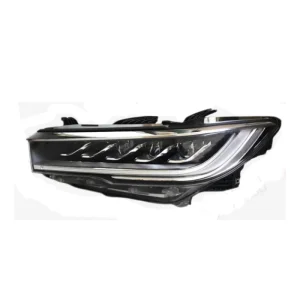
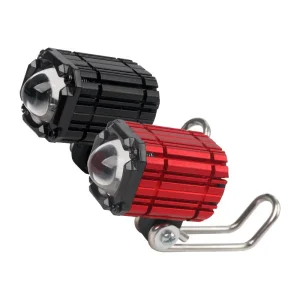
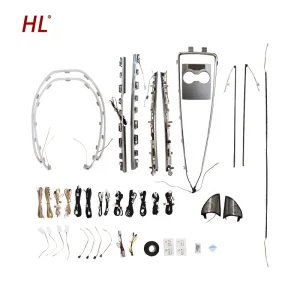
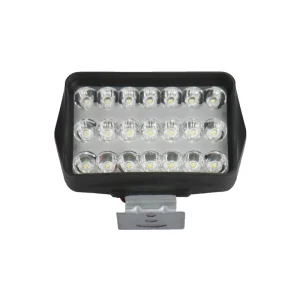
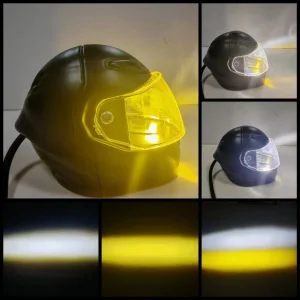
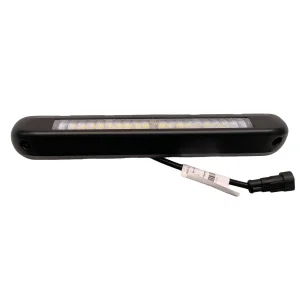
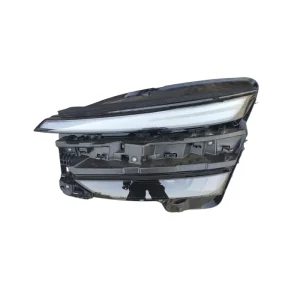
Hangzhou EV Light Co., Ltd. is a professional China electric vehicle lighting manufacturer specializing in EV LED lighting and smart automotive lighting solutions for the rapidly evolving new energy vehicle industry. With a strong commitment to innovation, performance, and reliability, we provide advanced lighting technologies that enhance vehicle safety, energy efficiency, functionality, and visual appeal.
In the global transition toward sustainable mobility, electric vehicles (EVs) present distinct requirements that set them apart from conventional internal combustion engine (ICE) vehicles. From minimizing power consumption to maximize vehicle battery range, to integrating with advanced driving assistance systems (ADAS) and autonomous sensor suites, smart illumination is no longer just a cosmetic element. It is a critical sub-system directly linked to the car’s electrical grid, functional safety systems, and brand identity.
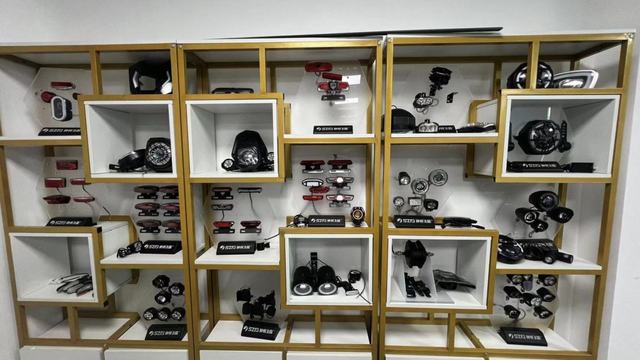
Our product portfolio includes EV headlight systems, taillight assemblies, daytime running lights, signal lighting, interior ambient lighting, charging status indicators, smart lighting modules, and customized automotive lighting solutions. Designed to meet the requirements of modern electric vehicles, our products are widely used in passenger EVs, commercial electric vehicles, electric buses, electric motorcycles, electric scooters, and emerging smart mobility applications.
High-performance manufacturing meeting the strict criteria of automotive tier-1 supply chains and global safety regulators.
The automotive industry is undergoing a structural transition where digitalization and electrification converge. Traditional lighting systems operated independently as basic illumination devices. Today, modern new energy vehicle (NEV) platforms require intelligent, adaptive, and communicative setups. Several key dynamics shape the current global EV illumination market:
Range anxiety remains a major benchmark for consumer vehicle acquisition. Every watt consumed by thermal losses or inefficient electrical networks directly impacts battery longevity. LED and laser-driven headlights achieve superior lumens-per-watt efficiency compared to legacy halogen or xenon components. By integrating intelligent power controller units directly with vehicle PCBA, we reduce overall power drain without sacrificing raw light output.
Modern passenger EVs utilize Matrix LED arrays combined with camera systems to detect incoming traffic. These systems dynamically dim individual LEDs to prevent blinding oncoming drivers while keeping the rest of the road brightly lit. Implementing adaptive beam shaping requires robust, high-frequency hardware drivers and low-latency CAN/LIN communication protocols built directly into the headlamp assemblies.
As vehicles approach fully autonomous operation, communication shifts from driver-to-driver to vehicle-to-environment (V2X). Smart illumination acts as a visual interface. Exterior spotlights, customized daytime running lights, and animated charging indicators on body panels convey system states, pedestrian path-yielding signs, and emergency warnings to the outside world.
How procurement divisions evaluate suppliers for automotive integration projects.
Every component must hold relevant certificates (CE, DOT, ECE, E-Mark) to ensure seamless importation, distribution, and road legality in Europe, North America, and other major vehicle markets.
High-voltage applications generate localized heat. EV platforms demand heat sinks, PCBA thermal conductive layers, and rigorous environmental stress chamber testing to guarantee durability under extreme operational conditions.
EV startups and established automotive giants require agile partners capable of producing bespoke prototypes, matching specific aesthetic parameters, and executing low to high-volume manufacturing runs.
At Hangzhou EV Light, we combine advanced engineering expertise with modern manufacturing capabilities to develop lighting solutions that deliver superior brightness, durability, and energy efficiency. Our experienced research and development team continuously explores new technologies in intelligent lighting control, adaptive lighting systems, LED integration, and automotive electronics to support the future of electric transportation.
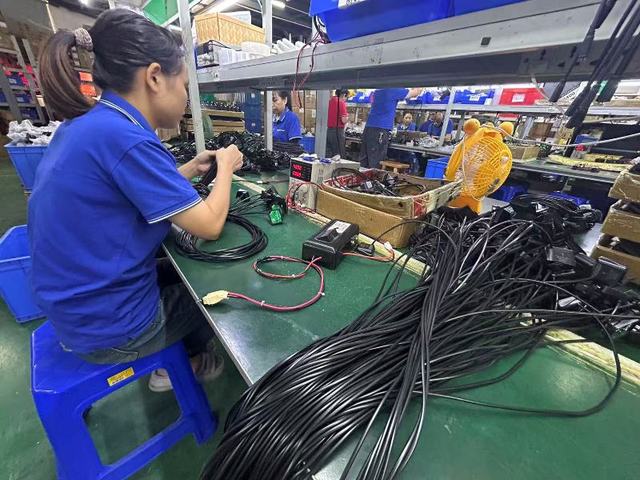
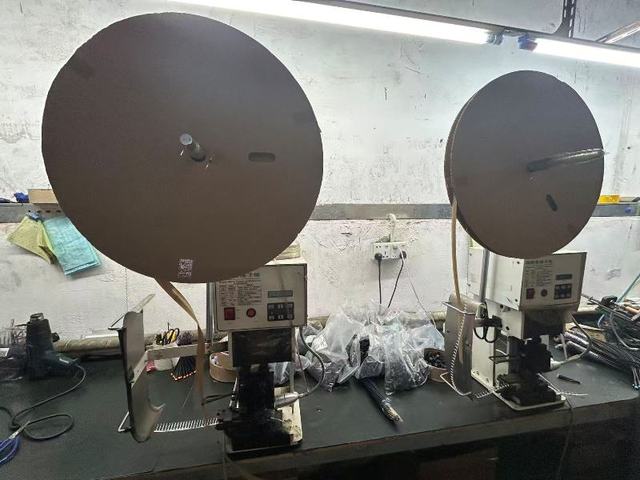
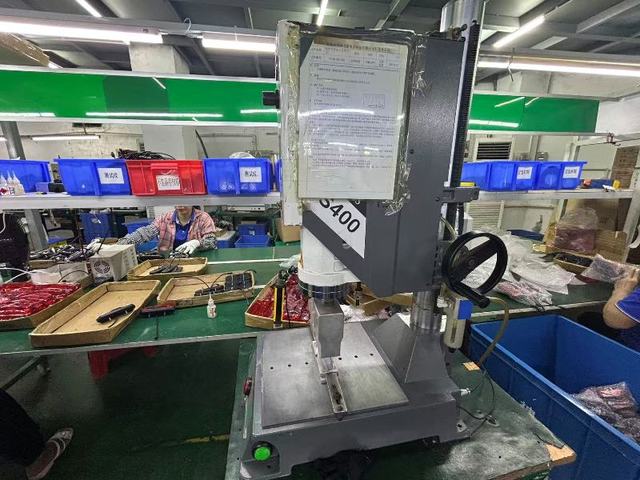
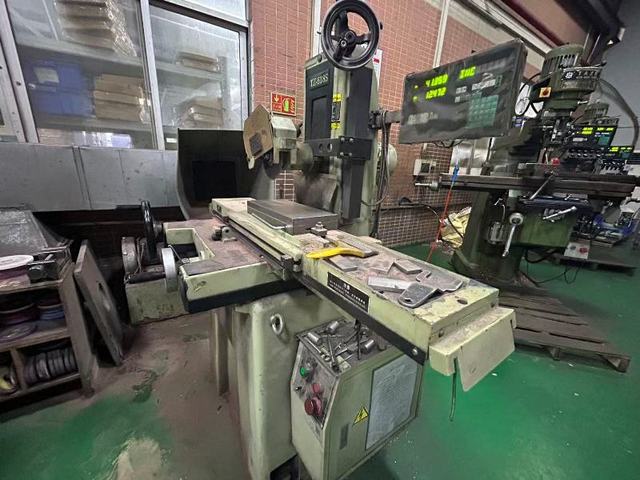
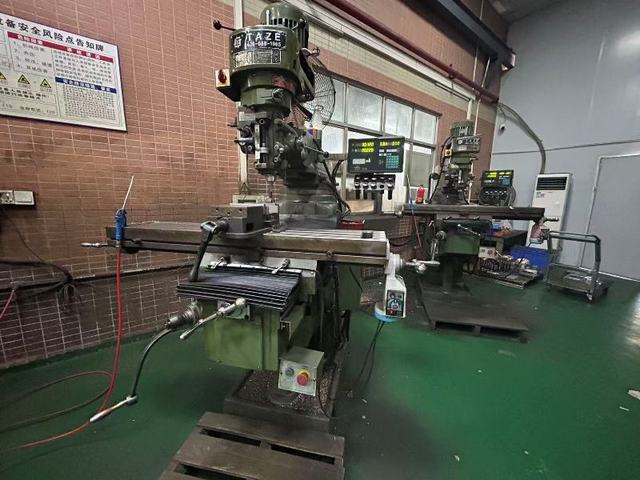
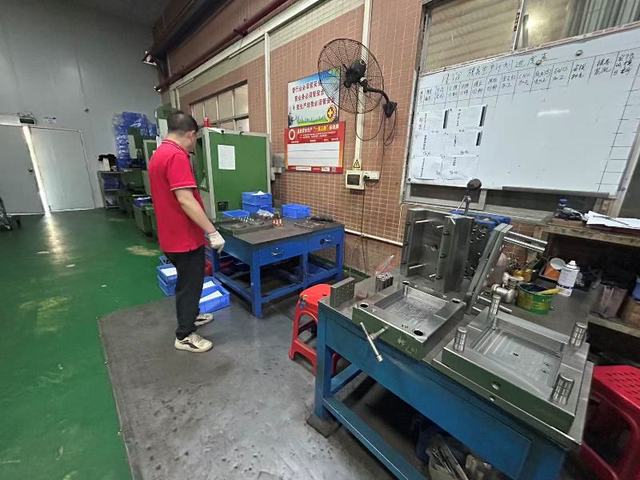
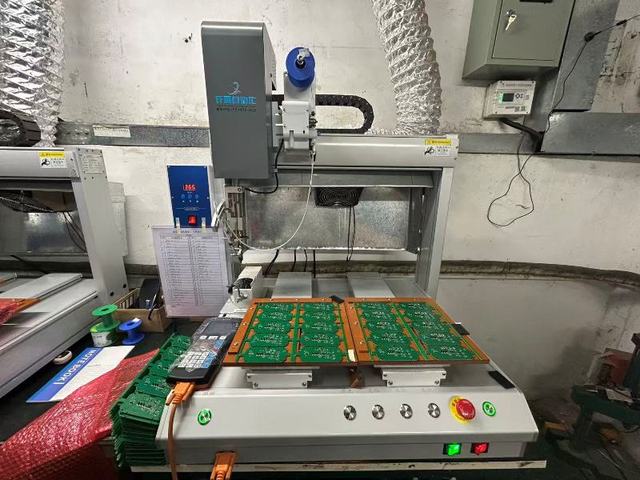
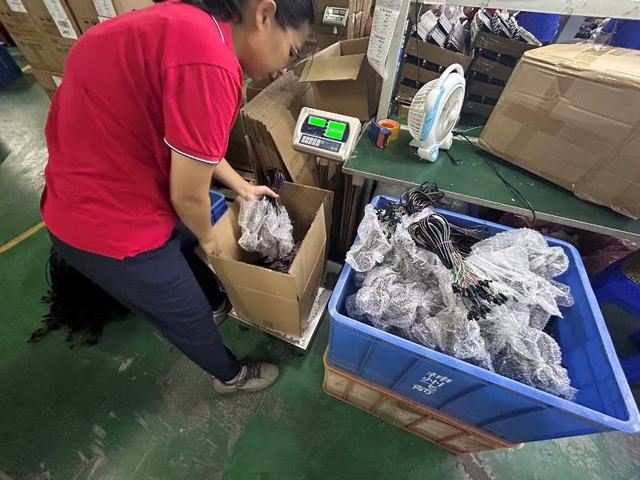
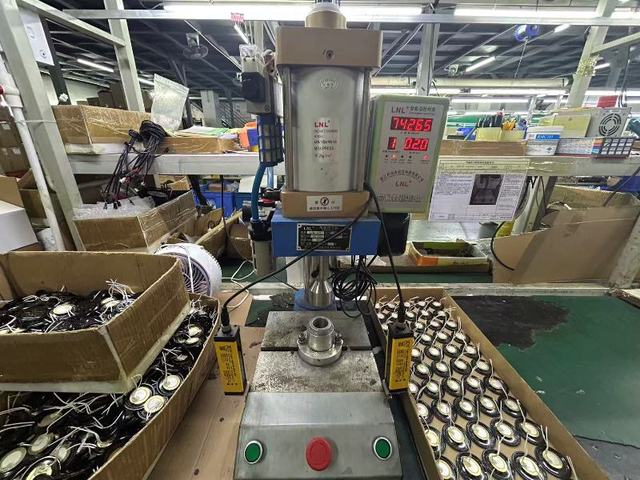
Quality is at the core of our operations. From component sourcing and product development to production and final testing, every stage follows strict quality management procedures to ensure consistent performance and compliance with international automotive standards. Our manufacturing facility is equipped with advanced production and testing equipment, enabling us to provide reliable products for demanding automotive environments.
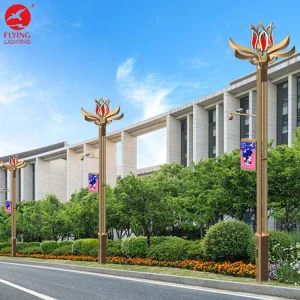
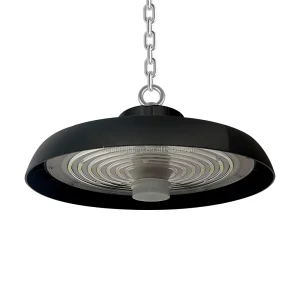
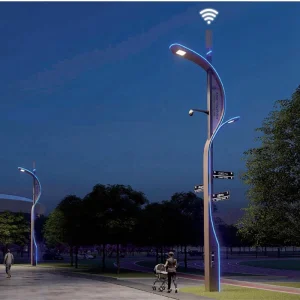
Beyond headlights and interior cabin comfort systems, our development encompasses macro-level urban integration. For example, our Factory Outdoor Commercial Smart City Street Light designs feature charging station modules, WiFi connectivity, and CCTV cameras. This merges municipal infrastructure development with EV fleet charging demands, offering commercial clients and municipalities a unified ecosystem to support the rise of zero-emission transportation.
We offer comprehensive OEM and ODM services for vehicle manufacturers, automotive suppliers, distributors, and mobility brands worldwide. Whether customers require customized designs, private-label production, or large-scale manufacturing, our flexible production capabilities support projects of various sizes and specifications.
The roadmap for electric vehicle lighting solutions targets integration, miniaturization, and advanced software intelligence. As vehicles transition from Level 2+ driver assistance to Level 4/5 full autonomy, automotive lighting must adapt dynamically:
Modern headlamps coordinate with the vehicle's ADAS controller. Utilizing high-definition projection technologies, headlights project warning icons directly onto the road surface (e.g., lane-departure warnings or pedestrian crosswalk highlights). This turns the road ahead into an active projection canvas, reducing driver distraction and enhancing safety.
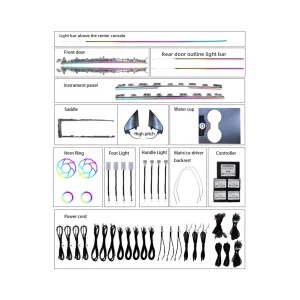
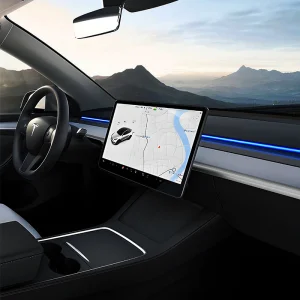
With smart passenger vehicle design shifting toward the "third living space" concept, cabin interiors require responsive, health-conscious layouts. Ambient lighting systems will auto-adjust hue and brightness based on circadian rhythms, real-time stress monitoring, or vehicle drive modes. Our 128-color ambient lighting systems provide the foundational control modules required for these advanced applications.
The integration of micro-LED technology will allow thousands of microscopic light sources to be packed into tiny footprints. This enables ultra-thin headlamp profiles that fit within aerodynamic body panels, reducing air drag and improving EV driving range.
Serving clients across North America, Europe, Southeast Asia, the Middle East, and other global markets, Hangzhou EV Light Co., Ltd. is dedicated to delivering innovative electric vehicle lighting solutions that contribute to safer, smarter, and more sustainable transportation. Our mission is to become a trusted global partner in advanced automotive lighting technology and smart mobility innovation.
Serving global markets requires localized support systems to guide international buyers through certification and engineering integration phases. Developing compliant systems is an interactive process between the OEM’s hardware design team and our in-house engineering group.
We provide comprehensive documentation, including IATF 16949 production records, environmental testing reports, and photometric data files. This documentation simplifies safety approvals for our clients. In addition, our engineers assist with field application integration, resolving CAN bus communication errors and optimizing thermal management to ensure reliable performance on target vehicle platforms.
Technical clarifications for automotive sourcing experts and engineers.
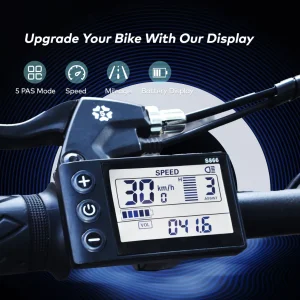
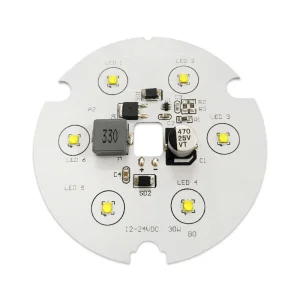
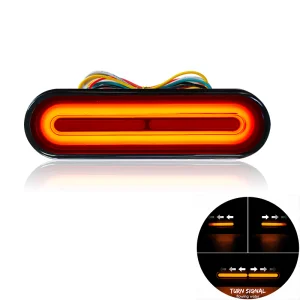
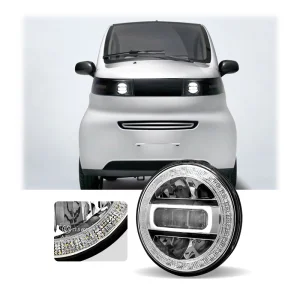
Ancillary systems, PCBA boards, and custom displays supporting vehicle platforms and smart mobility infrastructures.
 EV Light