Explore our flagship high-performance vehicle lighting assemblies, custom retrofits, and smart-city integrated utility lights engineered for reliability.
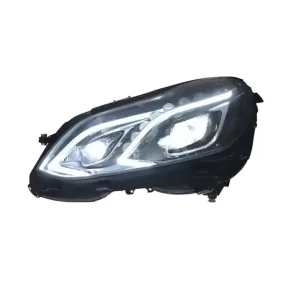
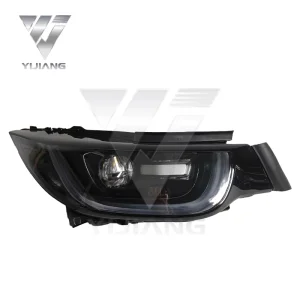
Hangzhou EV Light Co., Ltd. is a professional China electric vehicle lighting manufacturer specializing in EV LED lighting and smart automotive lighting solutions for the rapidly evolving new energy vehicle industry. With a strong commitment to innovation, performance, and reliability, we provide advanced lighting technologies that enhance vehicle safety, energy efficiency, functionality, and visual appeal.
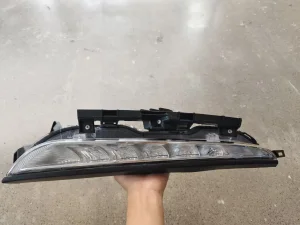
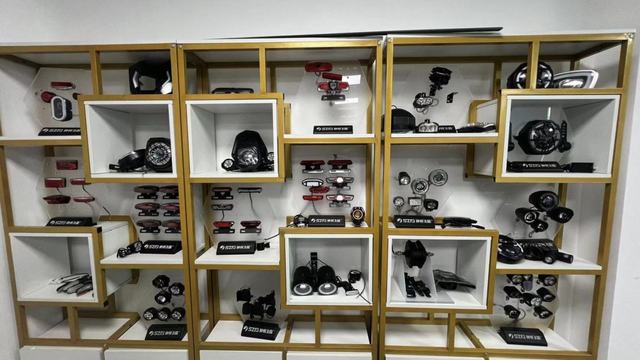
Our product portfolio includes EV headlight systems, taillight assemblies, daytime running lights, signal lighting, interior ambient lighting, charging status indicators, smart lighting modules, and customized automotive lighting solutions. Designed to meet the strict requirements of modern electric vehicles, our products are widely used in passenger EVs, commercial electric vehicles, electric buses, electric motorcycles, electric scooters, and emerging smart mobility applications.
At Hangzhou EV Light, we combine advanced engineering expertise with modern manufacturing capabilities to develop lighting solutions that deliver superior brightness, durability, and energy efficiency. Our experienced research and development team continuously explores new technologies in intelligent lighting control, adaptive lighting systems, LED integration, and automotive electronics to support the future of electric transportation.
Quality is at the core of our operations. From component sourcing and product development to production and final testing, every stage follows strict quality management procedures to ensure consistent performance and compliance with international automotive standards. Our manufacturing facility is equipped with advanced production and testing equipment, enabling us to provide reliable products for demanding automotive environments. We offer comprehensive OEM and ODM services for vehicle manufacturers, automotive suppliers, distributors, and mobility brands worldwide. Whether customers require customized designs, private-label production, or large-scale manufacturing, our flexible production capabilities support projects of various sizes and specifications.
Analyzing the engineering challenges unique to electric vehicle architectures, from thermal dissipation dynamics to smart CAN-bus integrations.
Standard ICE vehicles run on rigid 12V DC systems. Modern EVs operate on complex 36V, 48V, or high-voltage architectures exceeding 800V. Our proprietary LED drivers are designed to absorb transients and eliminate Electromagnetic Interference (EMI), matching Class 5 CISPR 25 standards.
Unlike traditional lights, LEDs emit heat backwards through their junctions. We employ die-cast aluminum housings with optimized micro-fins and direct copper bonding (DBC) substrates. This drops junction temperatures by up to 25°C, ensuring a lifespan exceeding 50,000 operational hours.
Our smart lighting modules natively interface with ADAS sensors. Employing dynamic matrix control, our Adaptive Driving Beam (ADB) systems automatically adjust the light pattern. This prevents glaring incoming drivers while maintaining peak forward visibility.
In the arena of New Energy Vehicles (NEVs), energy efficiency is directly tied to vehicle range. A traditional halogen headlamp consumes up to 110W of electricity per pair, while our high-efficiency LED modules draw less than 35W while yielding double the light output (up to 6000 lumens). This optimization decreases load on the DC-DC converter, yielding up to a 1.5% extension in total driving range on a single battery charge.
Furthermore, our engineering teams focus on lightweighting. By utilizing premium PMMA, polycarbonate, and alloy structures, we reduce assembly weight by 20% compared to legacy automotive lighting. This aligns perfectly with the lightweighting strategies employed by modern EV OEMs to offset heavy battery packs.
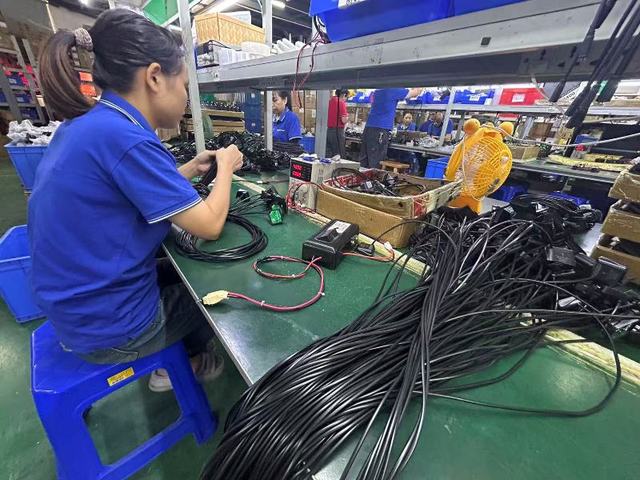
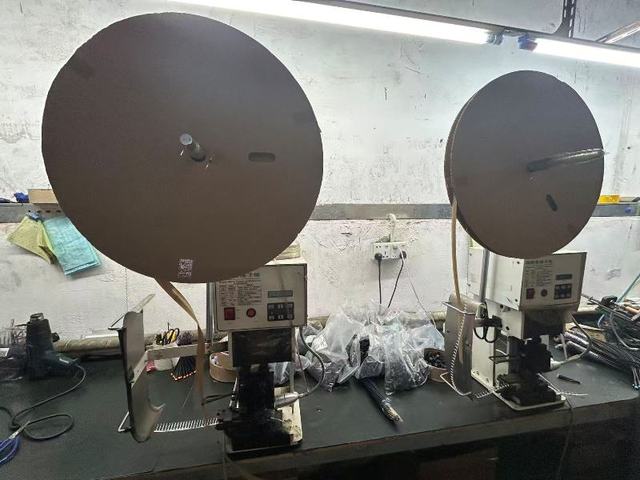
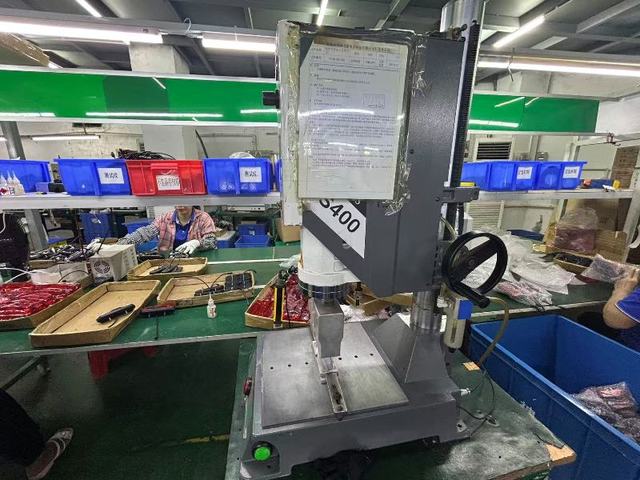
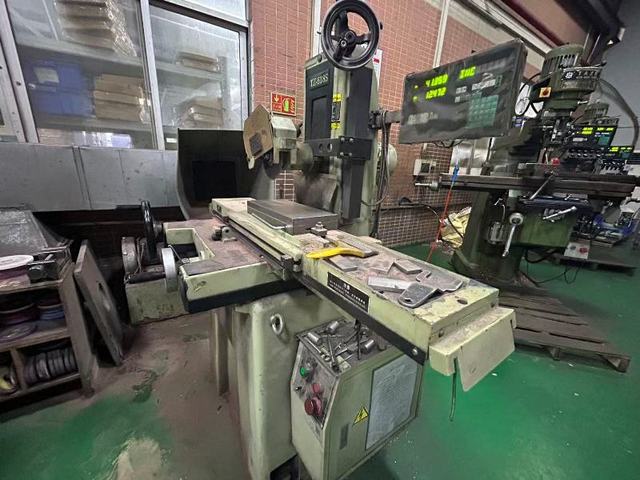
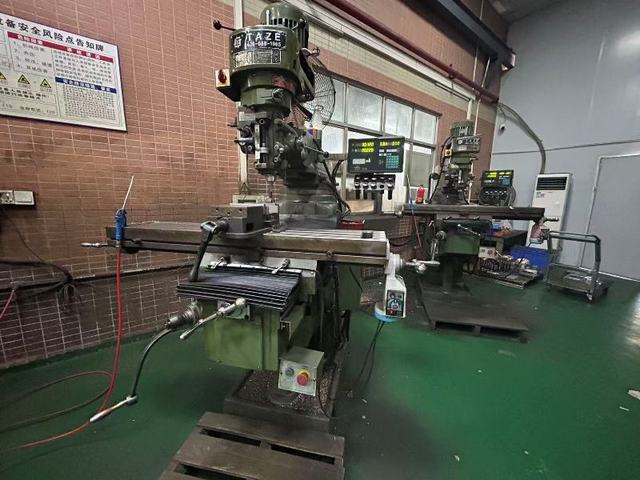
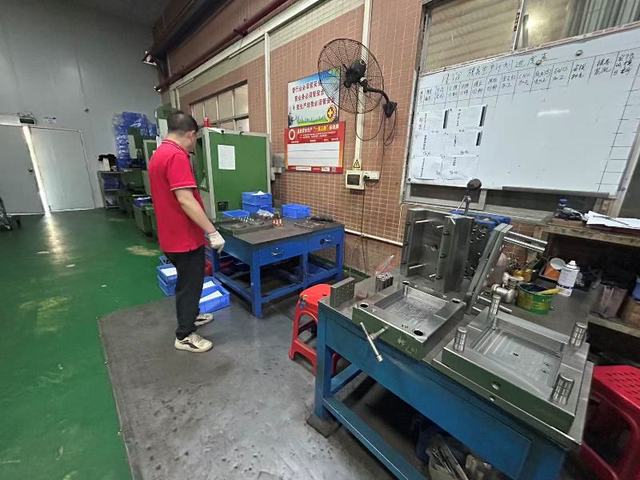
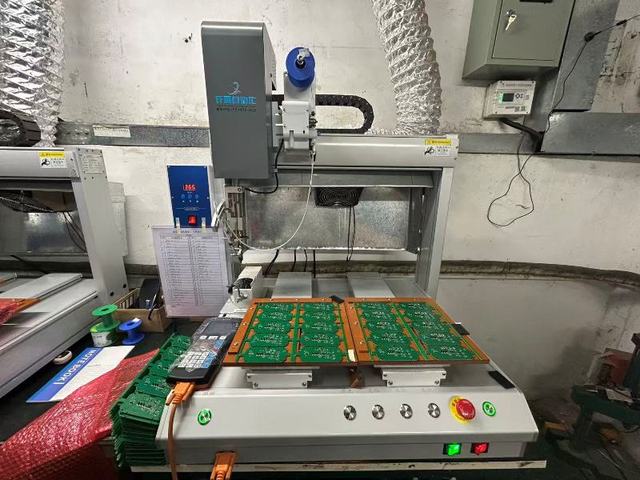
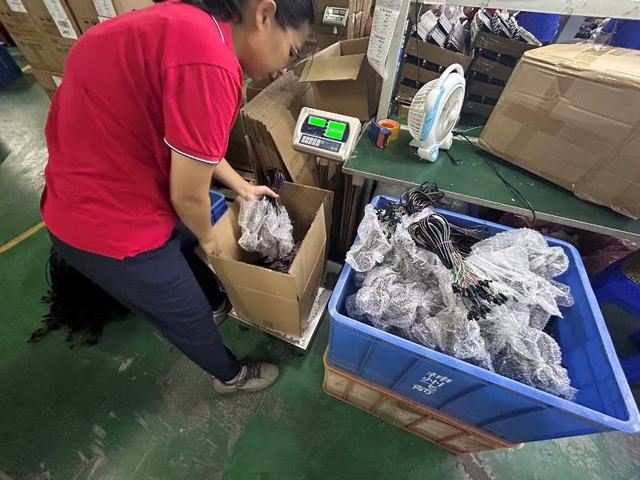
Our facility in Hangzhou leverages China's industrial ecosystem, incorporating precise SMT lines, environmental laboratories, and automated assembly processes.
China's manufacturing prowess is not merely about scale; it is about vertical integration and rapid cycle times. Our factory leverages the advanced electronics ecosystem of the Zhejiang region, sourcing high-grade semiconductor dies, optical materials, and precision tooling components locally. This spatial clustering reduces lead times for complex custom molds from the typical 90 days down to just 35 days.
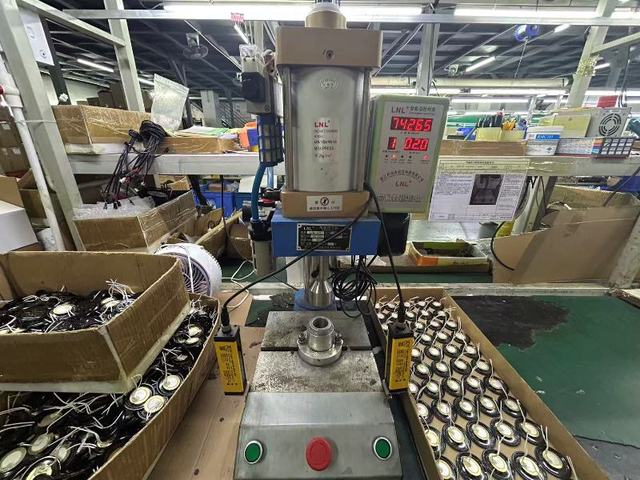
Operating in tough outdoor and highway environments requires high-grade resilience. Our products undergo validation testing in our on-site laboratories, including:
For global OEMs, importing automotive parts is a complex process governed by safety certifications. Hangzhou EV Light Co., Ltd. provides comprehensive technical documentation to streamline localized approvals. Whether you require compliance for the Americas, Europe, or the Asia-Pacific region, we ensure all components meet regional regulatory standards.
Our dedicated compliance team works directly with third-party verification agencies like TÜV, SGS, and Dekra to perform regional testing. We assist our clients with:
To minimize integration delays, we provide localized engineering support. Our engineers can collaborate via remote design sessions, providing native CAD drawings, 3D optical path simulations, and STEP models. By aligning our parameters with your local assembly line tolerances, we ensure a plug-and-play fitment, reducing downstream assembly errors and accelerating your time-to-market.
Partner with an established manufacturer offering structured quality control, transparent documentation, and global shipping logistics.
Our process begins with optical simulations using software tools like LucidShape and LightTools to map lux levels and beam spread, optimizing performance before prototyping.
We manufacture SLA prototypes and functional LED assemblies to verify fitment within the vehicle's bodywork. We run initial thermal tests in our engineering labs.
Once approved, we fabricate precision molds for plastic injection and die-cast frames. Automated SMT lines assemble the electronic components, followed by robotic sealing.
We offer two primary cooperation models designed to meet the business goals of our corporate clients:
From heavy commercial logistics to smart-city ecosystems, our products are deployed across diverse applications globally.
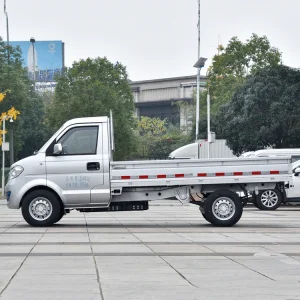
Commercial EVs require robust construction due to long operating hours. Our durable commercial vehicle lights and indicators are engineered to withstand continuous highway operation, reducing vehicle downtime and maintenance costs for fleet operators.
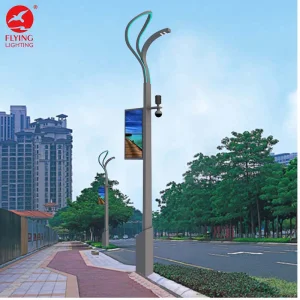
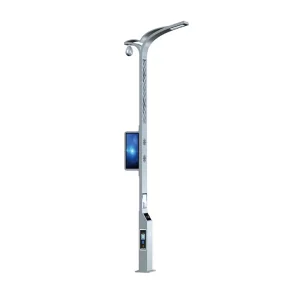
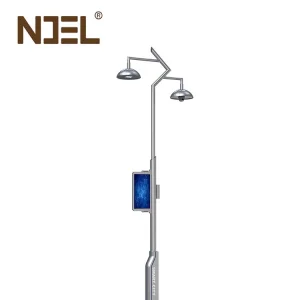
Modern municipalities are integrating EV charging options into street lighting networks. Our multi-purpose smart street lamps combine high-efficiency LED roadway illumination, security cameras, and AC charging points in a single, space-saving design.
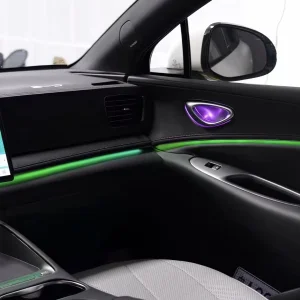
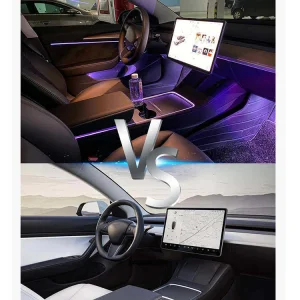
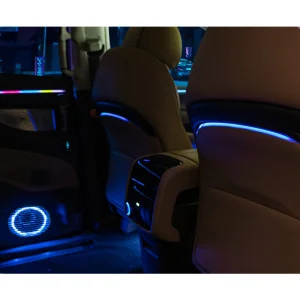
Modern passenger EVs utilize customizable cabin lighting as a core design element. Our addressable RGB ambient lighting systems allow drivers to customize interior cabin colors, synchronizing with driving modes and vehicle status.
Answering the primary technical and commercial questions of global buyers sourcing EV lighting systems.
EV LED systems require specialized engineering to manage different electrical systems and strict efficiency targets. ICE vehicles rely on 12V alternators, while EVs utilize high-voltage batteries that step down to supply the electronics. EV headlights must operate reliably across fluctuating input voltages and maintain strict EMI shielding (EMC) to avoid interfering with advanced driver assistance systems (ADAS) and high-voltage drivetrains. Additionally, EV lighting must prioritize efficiency to minimize battery draw and maximize vehicle range.
We utilize high-conductivity die-cast aluminum alloys for the rear housing, coupled with direct-copper-bonded (DBC) PCBs. This design quickly channels heat away from the LED silicon junctions to external micro-fins. On high-lumen headlights (over 6000 lm), we integrate dual-ball-bearing cooling fans or advanced phase-change heat pipes to keep junction temperatures well below the degradation threshold, ensuring a long operating lifespan.
Yes. Our IoT-enabled smart road lighting poles are designed with internal controllers that support WiFi, 4G/5G, and Ethernet communication. The charging modules are compatible with standard OCCP (Open Charge Point Protocol), allowing municipalities to monitor energy consumption, manage user billing, and adjust light levels remotely from a centralized control panel.
For ODM projects, initial optical modeling and 3D mockups are completed within 10 to 15 days. Mold fabrication and tooling require approximately 30 to 45 days, followed by sample testing and validation. Mass production runs are typically completed within 25 to 35 days, depending on batch volume and customization complexity.
Our products are designed from the ground up to meet the beam pattern requirements of ECE R112 and FMVSS 108. We perform on-site goniophotometer measurements to verify brightness levels and cut-off lines. When certification is required, we manage the testing process with recognized organizations like TÜV to obtain official E-mark or DOT approval documentation for our clients.
Explore our full selection of interior ambient lighting kits, safety indicators, industrial LED fixtures, and replacement assemblies.
 EV Light