In the rapidly changing landscape of the global new energy vehicle (NEV) industry, high-efficiency illumination is no longer just about vision—it is directly correlated to vehicle range optimization and systemic efficiency. As an industry-leading enterprise, Hangzhou EV Light Co., Ltd. is a professional China electric vehicle lighting manufacturer specializing in EV LED lighting and smart automotive lighting solutions. With a strong commitment to innovation, performance, and reliability, we provide advanced lighting technologies that enhance vehicle safety, energy efficiency, functionality, and visual appeal.
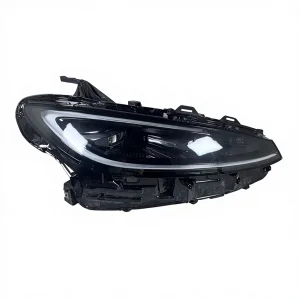
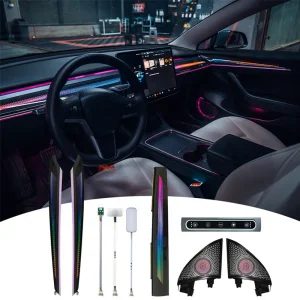
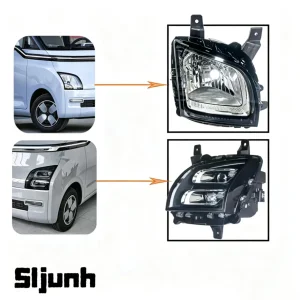
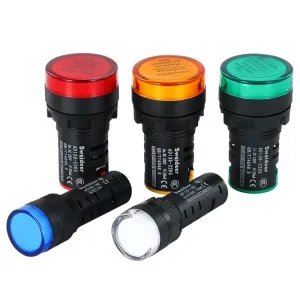
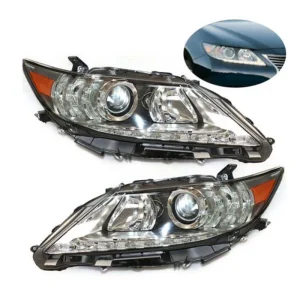
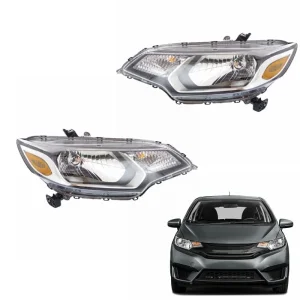
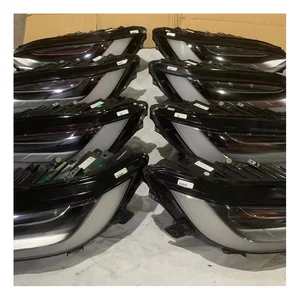
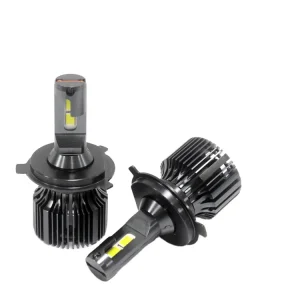
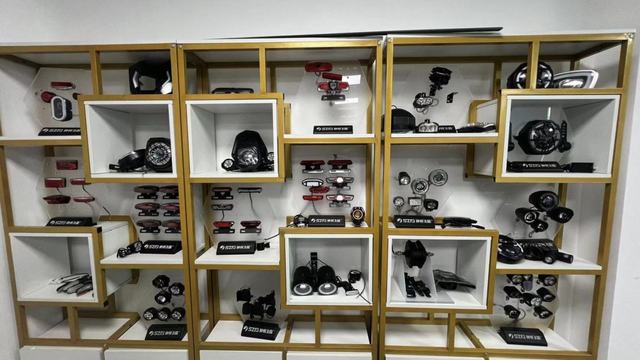
Our product portfolio includes EV headlight systems, taillight assemblies, daytime running lights, signal lighting, interior ambient lighting, charging status indicators, smart lighting modules, and customized automotive lighting solutions. Designed to meet the stringent technical specifications of modern electric vehicles, our products are widely utilized in passenger EVs, commercial electric vehicles, electric buses, electric motorcycles, electric scooters, and emerging smart mobility platforms.
At Hangzhou EV Light, we combine advanced engineering expertise with modern manufacturing capabilities to develop lighting solutions that deliver superior brightness, structural durability, and optimal thermal management. Our experienced research and development team continuously explores new technologies in intelligent lighting control, adaptive lighting systems, LED integration, and automotive electronics to support the future of electric transportation.
The global transition to electric mobility has triggered a fundamental redesign of vehicle subsystems. Traditional internal combustion engine (ICE) vehicles rely on alternating generators to power electrical parts; however, electric vehicles pull power directly from the high-voltage traction battery pack. Consequently, every single watt conserved in the lighting system directly translates to extended battery mileage. Modern EV developers prioritize ultra-low-power solid-state LED systems to minimize energy consumption.
Standard LED lights perform at average lumen outputs, but automotive grade EV modules require chip-on-board (COB) or matrix architectures that achieve up to 120-150 lumens per watt. This significantly reduces auxiliary battery thermal loads.
By utilizing high-resolution matrix controllers, modern EV headlights dynamically adjust light distribution based on real-time traffic detection, reducing energy waste on unoccupied zones while improving safety.
Due to the absence of radiator-driven warm air in front compartments of EVs, headlights require specialized heat-sink profiles and anti-fog internal venting systems (IP67/IP69K class) to remain functional.
Furthermore, aesthetics have merged with functional telemetry. Smart light bars integrated into EV grilles serve as charging progress indicators, vehicle-to-everything (V2X) visual communicators, and custom welcome interfaces. These functionalities demand specialized microcontrollers (MCUs) that optimize power draw down to the milliwatt level during standby modes.
For B2B procurement managers, sourcing tier-1 automotive components involves meeting strict environmental, social, and quality requirements. Global buyers, particularly from North America, Europe, and developed parts of Asia, face strict corporate compliance challenges. Energy conservation is not merely a marketing claim; it must be backed by verifiable data.
Key parameters required by global automotive supply chains during the sourcing phase include:
Hangzhou EV Light Co., Ltd. addresses these pain points by offering fully traceable testing workflows, validating each production batch with comprehensive photometric reports and integrating premium chips that guarantee low lumen depreciation.
The core competitive advantage of Chinese EV light manufacturers lies in high-volume, automated production combined with a localized, complete raw-material supply network. At Hangzhou EV Light Co., Ltd., quality is at the core of our operations. From component sourcing and product development to production and final testing, every stage follows strict quality management procedures to ensure consistent performance and compliance with international automotive standards.
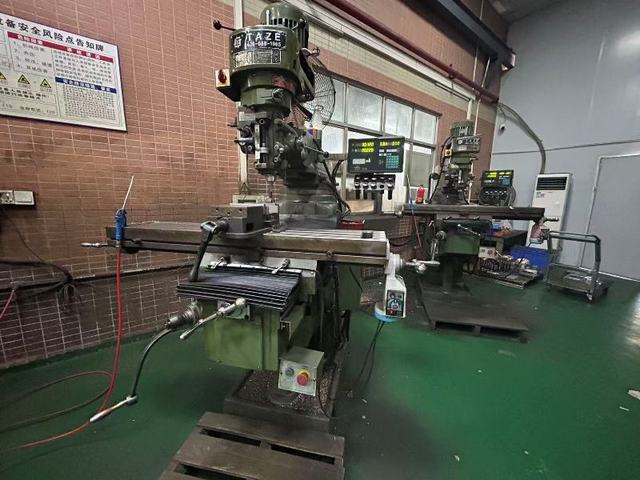
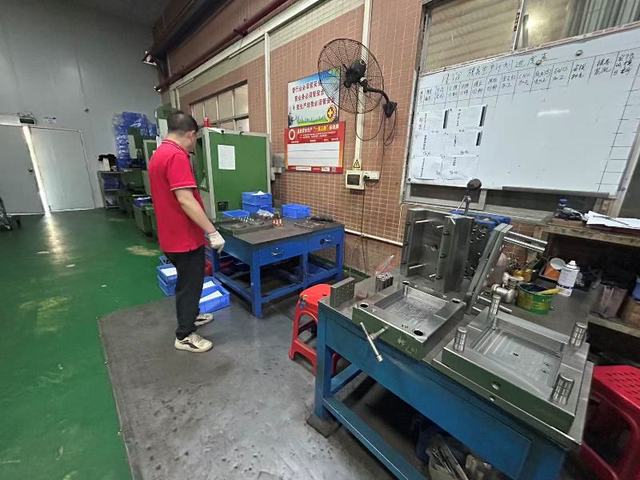
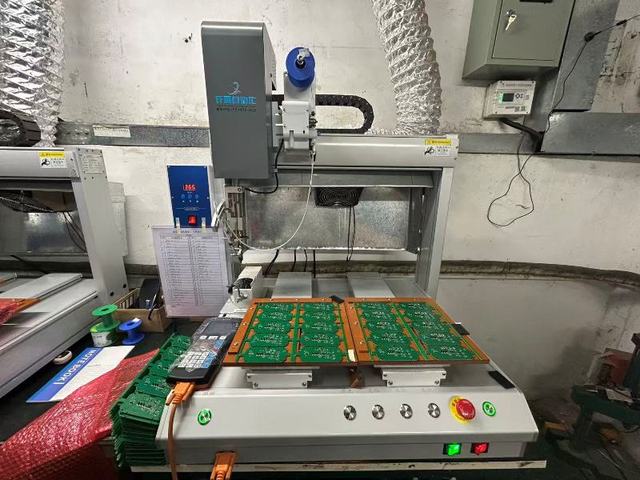
Our modern facility is equipped with automated Surface Mount Technology (SMT) lines, precision plastic injection molding machines, cleanroom assembly units, and high-performance optical testing laboratories. By integrating Factory 4.0 principles, we achieve:
Automated pick-and-place lines position LED chips within micrometer-level tolerances, ensuring uniform heat dissipation and consistent optical output across massive production runs.
All automotive light assemblies undergo automated thermal cycle tests, salt spray testing, and ingress protection (IP) verification to guarantee survival in extreme cold or tropical humidity.
By locating our facility within the Yangtze River Delta industrial cluster, we secure reliable access to driver ICs, engineering plastics, and optical lenses, insulating our global partners from supply chain delays.
We offer comprehensive OEM and ODM services for vehicle manufacturers, automotive suppliers, distributors, and mobility brands worldwide. Whether customers require customized designs, private-label production, or large-scale manufacturing, our flexible production capabilities support projects of various sizes and specifications.
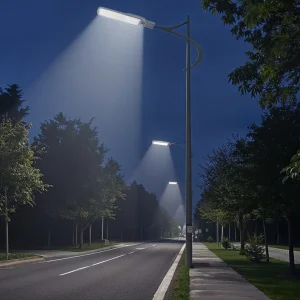
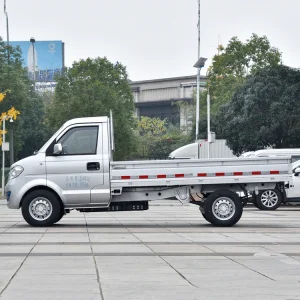
Automotive lighting requires specific configurations depending on the class of vehicle and where it is operated. Our specialized EV lights are engineered for a variety of demanding applications:
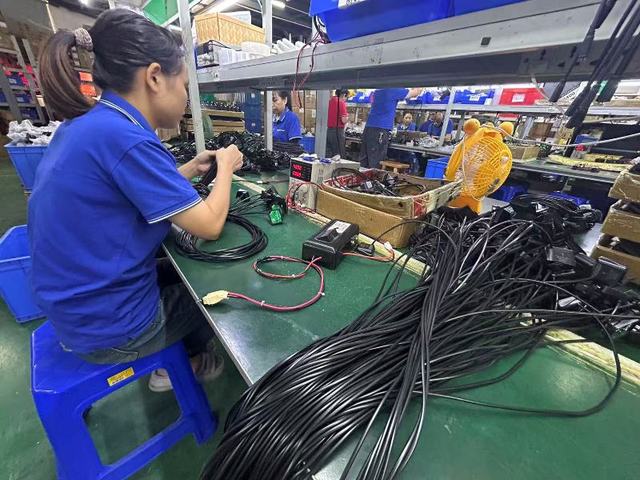
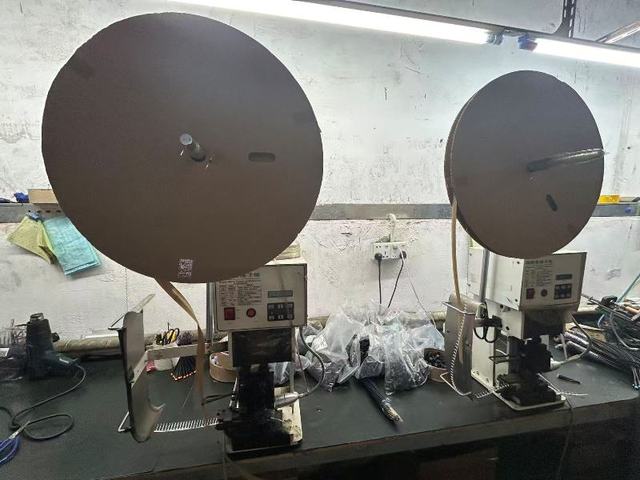
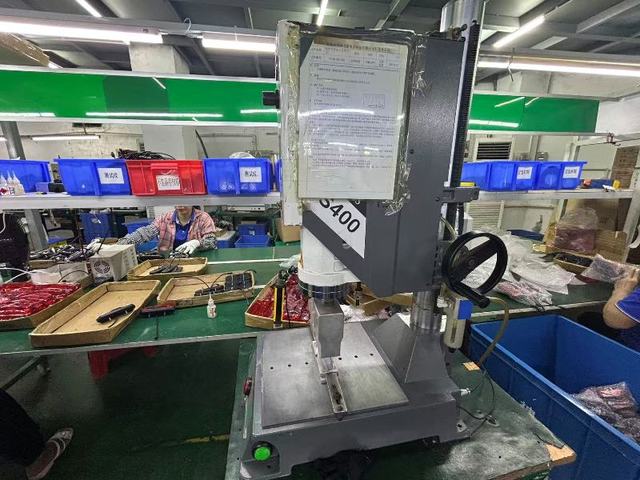
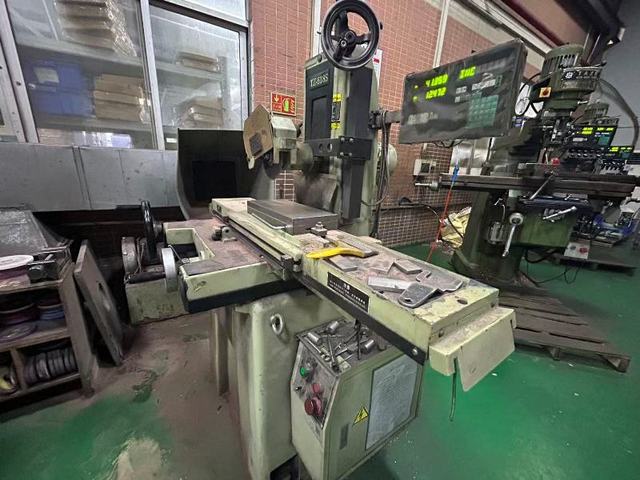
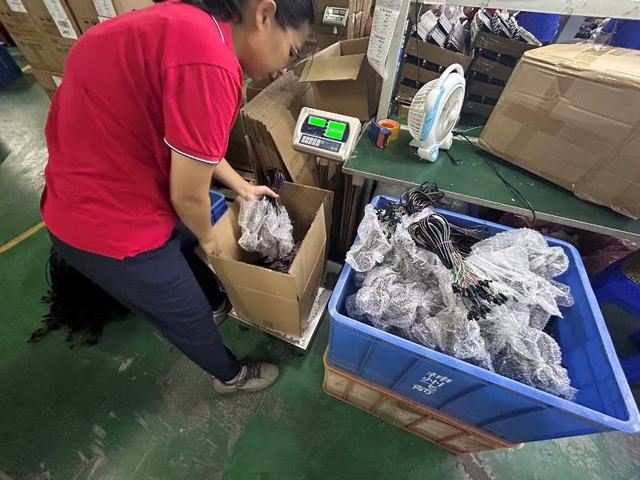
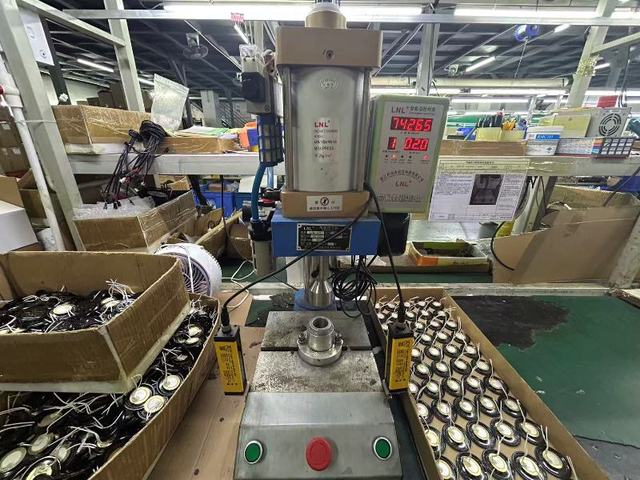
Our state-of-the-art facility integrates advanced production machinery, rigorous testing checkpoints, and highly clean SMT areas to maintain consistent quality across large-scale manufacturing runs. Below is an overview of our actual production floor, engineering laboratories, and manufacturing processes:
 EV Light