High-reliability OEM / ODM assemblies designed for optimal energy efficiency and strict compliance with international ECE/DOT directives.
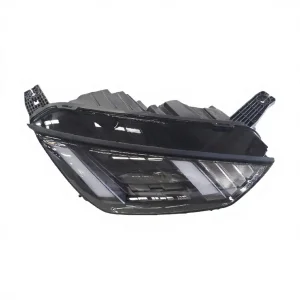
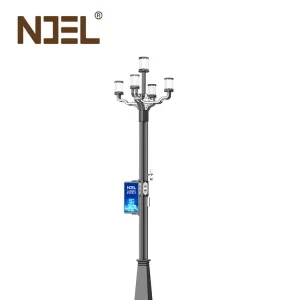
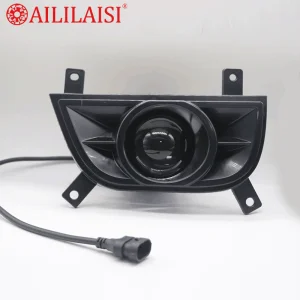
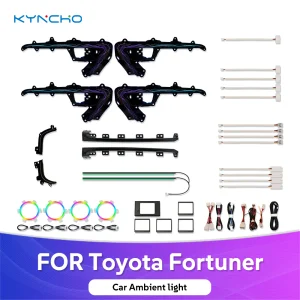
The transition from Internal Combustion Engine (ICE) platforms to Electric Vehicles (EV) has fundamentally transformed the structural, electrical, and optical requirements of modern automotive illumination. Historically, vehicle lighting serves primary active safety functions—illuminating the path forward and alerting other road users to the vehicle's footprint. In the EV era, headlights have morphed into dynamic communication devices integrated deeply with the vehicle's electrical architecture and driving automation features.
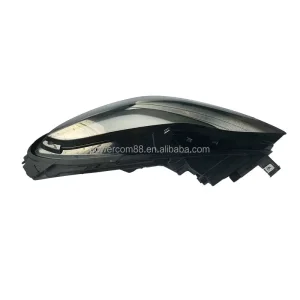
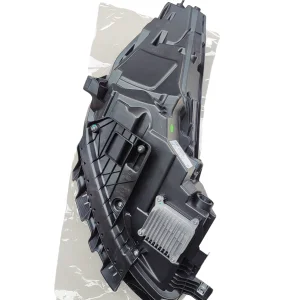
The core differentiator in EV headlamp architectures lies in the energy budget and thermal layout. In standard combustion vehicles, engine waste heat can sometimes be harnessed to defog light lenses, while alternator-generated electricity remains relatively cheap. For electric vehicles, every watt of electrical energy consumed by the forward illumination system represents a direct drag on battery range. A typical halogen or high-intensity discharge (HID) system drawing 100 to 150 watts is unsustainable in an EV where efficiency is paramount. Modern EV headlights utilize high-luminous-efficacy LEDs and Laser diodes, cutting power draws below 30 watts per assembly while increasing useful light output by up to 200%.
Furthermore, EVs operate silently. This lack of acoustic warning has mandated the adoption of advanced daytime running lights (DRL) and pedestrian projection lights. Next-generation systems employ digital micromirror devices (DMD) containing millions of micro-reflectors that can project lanes, warnings, and navigational signs directly onto the pavement ahead. These smart projections serve as intuitive V2X (Vehicle-to-Everything) communication buffers, establishing trust between autonomous, silent vehicles and pedestrians.
Utilizing sensor feeds to shape the high beam in real-time, preventing glare for oncoming motorists while maintaining maximum illumination elsewhere.
Replacing heavy silicate glass and metal brackets with high-performance PMMA and polycarbonate lenses to minimize frontal overhang weight.
Heat dissipation structures leveraging copper-core PCBs and micro-fans to manage junction temperatures, extending LED lifespans past 50,000 hours.
Procuring automotive illumination systems is one of the most complex tasks within global supply chain management. Procurement teams at Tier-1 automotive integrators and OEMs evaluate suppliers on critical pillars: regulatory compliance, technological capability, production scalability, and quality assurance under stress.
First, homologation standards represent an absolute barrier to entry. Products destined for North America must meet FMVSS 108 standards, which mandate specific beam patterns, photometric values, and durability tests. Conversely, European and many Asian markets follow United Nations Economic Commission for Europe (UNECE) regulations, such as ECE R149 for road illumination and ECE R128 for LED light sources. An EV headlight manufacturer must demonstrate a deep understanding of these distinct standards, providing test reports generated from laboratories accredited with ISO/IEC 17025 certifications.
Secondly, the quality standard of the automotive world is unwavering. Suppliers must operate under IATF 16949 quality management systems. Sourcing departments demand rigid adherence to APQP (Advanced Product Quality Planning) protocols, PPAP (Production Part Approval Process) level 3 submissions, and comprehensive FMEA (Failure Mode and Effects Analysis) documents. This guarantees that whether a production line runs 10,000 units or 1,000,000 units, the deviation in optical performance, color rendering index, and sealing integrity remains effectively zero.
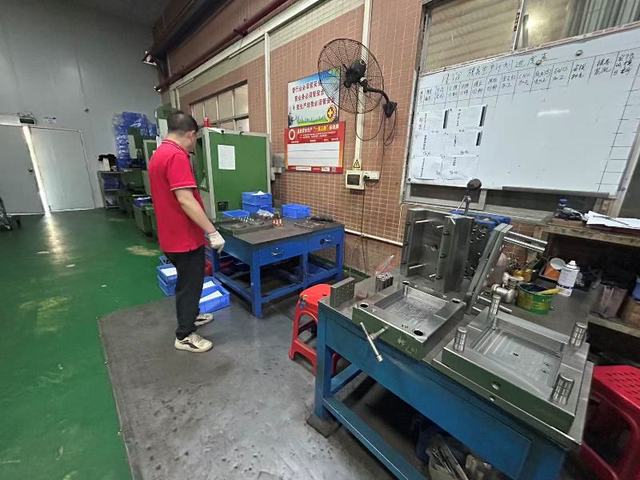
Hangzhou EV Light Co., Ltd. represents the cutting edge of Chinese "Factory 4.0" automation and automotive integration. Operating within China's premier advanced manufacturing corridors, we have engineered a highly integrated localized supply chain. By keeping the manufacturing of light guides, injection molding, SMT board placement, and optical chamber sealing within tight proximity, we circumvent global supply chain disruptions that halt assembly lines in other regions.
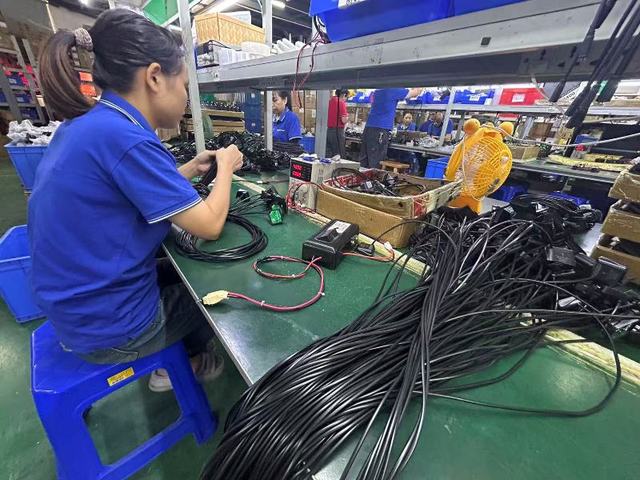
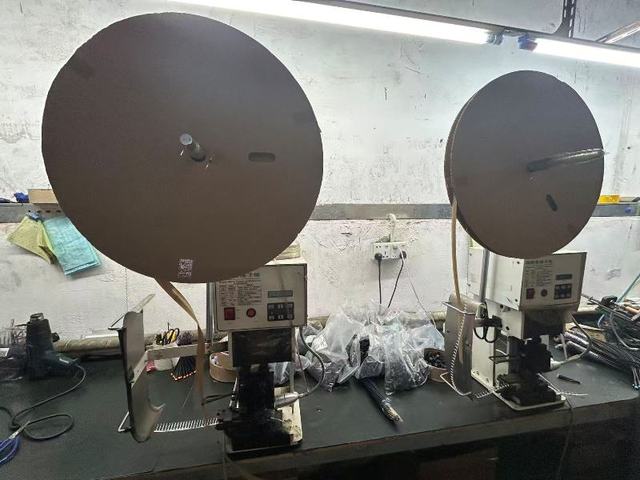
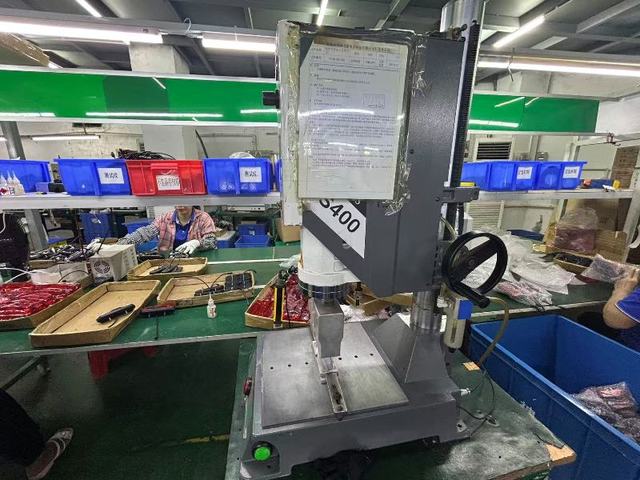
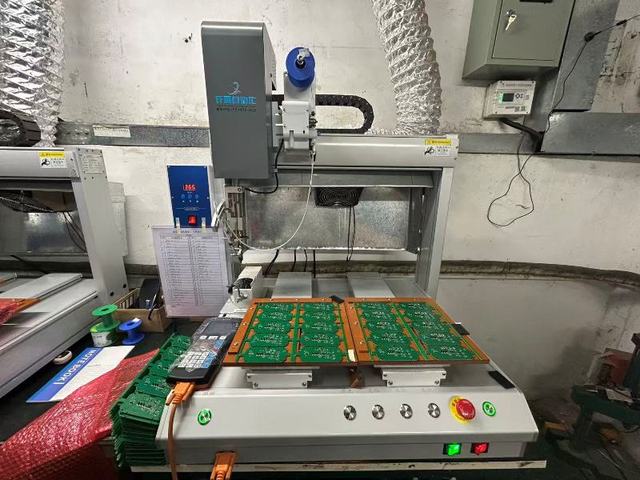
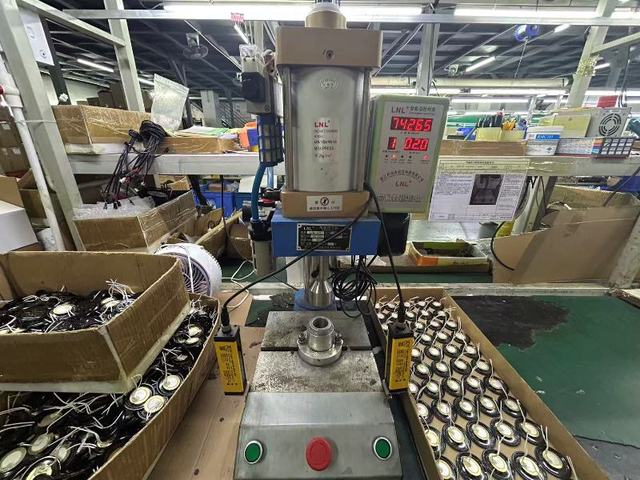
Our manufacturing plants utilize advanced robotic assembly arms, real-time AOI (Automated Optical Inspection) systems, and computerized leak testers to ensure absolute structural integrity. For electric mobility suppliers, precision is paramount. The integration of high-density SMT (Surface Mount Technology) lines enables the mounting of micro-LED arrays directly to high-thermal-conductivity metal core printed circuit boards (MCPCBs).
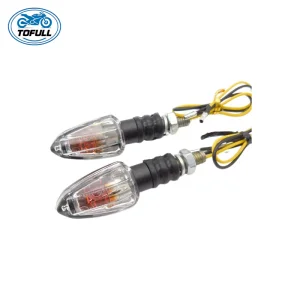
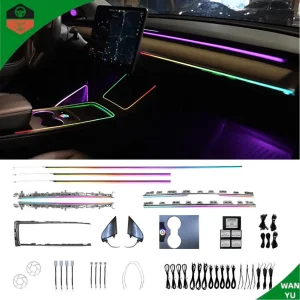
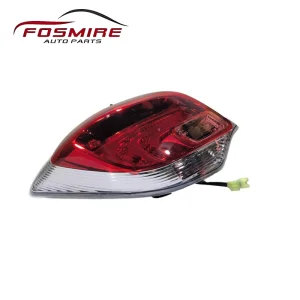
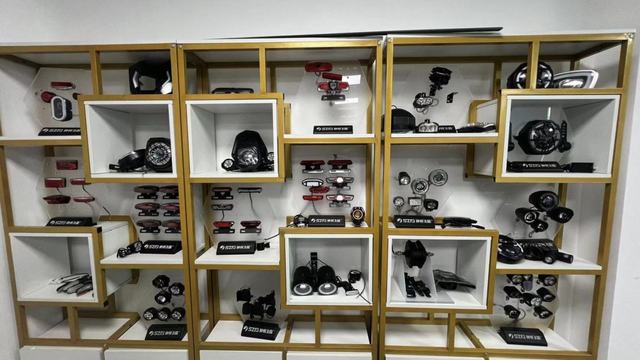
Hangzhou EV Light Co., Ltd. specializes in EV LED lighting and smart automotive lighting solutions tailored to meet the requirements of modern electric vehicles. Our product portfolio includes EV headlight systems, taillight assemblies, daytime running lights, signal lighting, interior ambient lighting, charging status indicators, smart lighting modules, and customized automotive lighting solutions. Our products are widely used in passenger EVs, commercial electric vehicles, electric buses, electric motorcycles, electric scooters, and emerging smart mobility platforms.
At Hangzhou EV Light, we combine advanced engineering expertise with modern manufacturing capabilities to develop lighting solutions that deliver superior brightness, durability, and energy efficiency. Our experienced research and development team continuously explores new technologies in intelligent lighting control, adaptive lighting systems, LED integration, and automotive electronics to support the future of electric transportation.
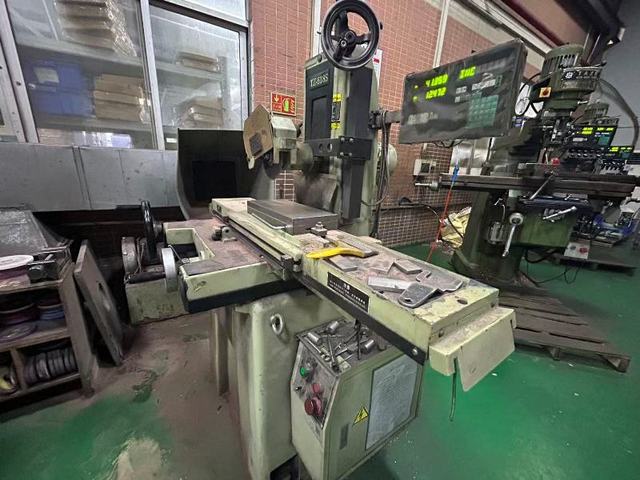
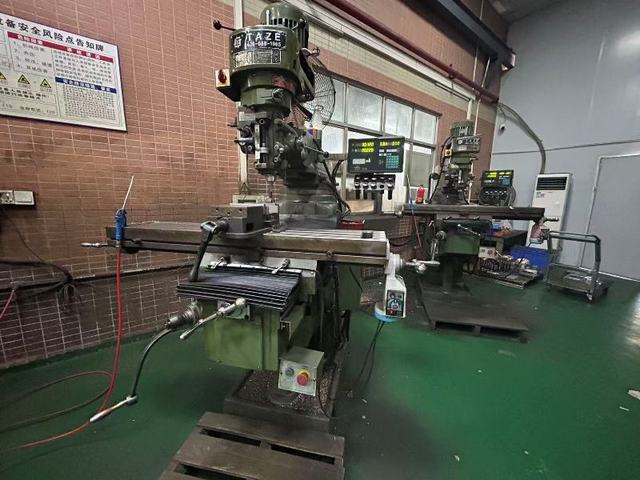
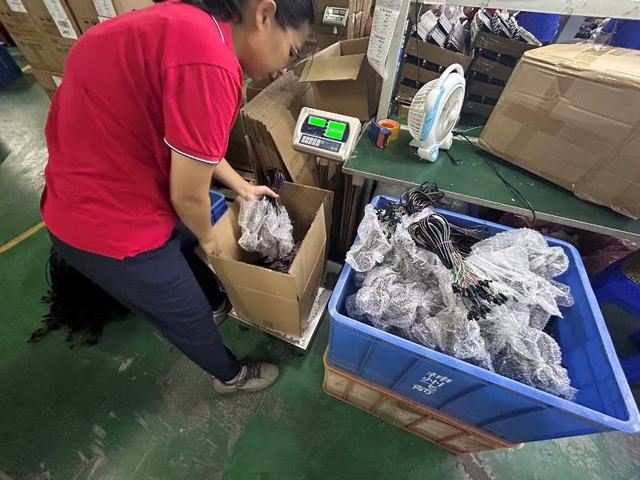
Quality is at the core of our operations. From component sourcing and product development to production and final testing, every stage follows strict quality management procedures to ensure consistent performance and compliance with international automotive standards. Our manufacturing facility is equipped with advanced production and testing equipment, enabling us to provide reliable products for demanding automotive environments. We offer comprehensive OEM and ODM services for vehicle manufacturers, automotive suppliers, distributors, and mobility brands worldwide. Whether customers require customized designs, private-label production, or large-scale manufacturing, our flexible production capabilities support projects of various sizes and specifications.
Serving clients across North America, Europe, Southeast Asia, the Middle East, and other global markets, Hangzhou EV Light Co., Ltd. is dedicated to delivering innovative electric vehicle lighting solutions that contribute to safer, smarter, and more sustainable transportation. Our mission is to become a trusted global partner in advanced automotive lighting technology and smart mobility innovation.
A glimpse inside our optical test tunnels, cleanrooms, and automated testing lines.
Automotive illumination systems must execute flawlessly in extreme environments. Global vehicle exports mean our lighting systems face radically diverse environments:
Sub-Zero Arctic Climates (e.g., Northern Europe, Canada): Since LEDs do not generate forward radiant heat like older incandescent bulbs, they fail to melt ice and snow that accumulates on the headlamp lens. Hangzhou EV Light integrates intelligent, thin-film heating elements embedded directly inside the polycarbonate cover. Controlled by ambient temperature sensors, these elements automatically activate to defrost the lens, ensuring unobstructed beam output and keeping drivers safe during snowstorms.
Equatorial High Humidity Regions (e.g., Southeast Asia, Central America): High heat index and persistent humidity create severe pressure differentials within the lamp housing, which normally pulls moist air inside and leads to condensation. Our engineers utilize hydrophobic, oleophobic Gore-Tex vents. These membranes allow air to pass freely to normalize pressure while preventing water molecules from entering, completely avoiding internal misting.
Urban Autonomous Ecosystems: For cities implementing smart transport infrastructure, our lighting units connect with vehicle ADAS platforms via CAN/LIN bus communication. If a vehicle's camera detects a pedestrian stepping off the curb, the headlight immediately flashes a concentrated beam to highlight the pedestrian for the driver, while simultaneously casting a visual crossing path on the asphalt for the pedestrian.
Essential insights for engineers, quality auditors, and supply chain managers.
Expanding micro-mobility, solar energy interfaces, and commercial automotive retrofit units.
 EV Light