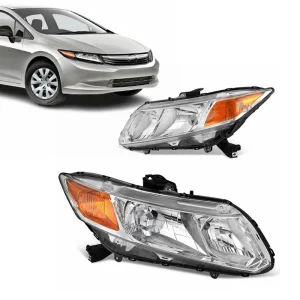
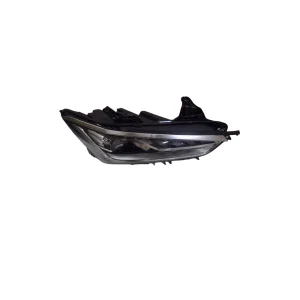
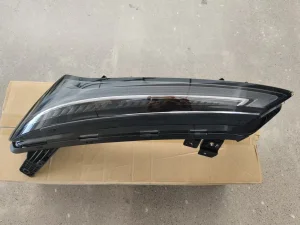
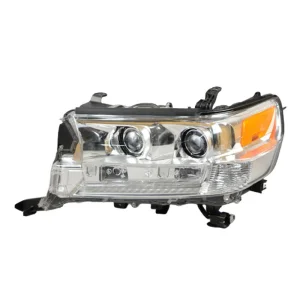
Explore our industry-standard automotive indicator systems, adaptive headlights, and high-efficiency DRLs.
A Comprehensive Whitepaper on Maximizing Range, Heat Management, and System Integration in New Energy Automotive Engineering.
In the automotive transition toward complete electrification, energy management is the primary battleground. While battery chemistry and powertrain thermal management receive massive investment, light efficiency solutions play an increasingly critical role. Every watt saved in peripheral vehicle systems, including headlamps, daytime running lights (DRLs), and signal architectures, directly scales the driving range of an electric vehicle (EV).
Unlike internal combustion engine (ICE) vehicles that rely on high-capacity alternators and waste heat, EVs manage a finite chemical battery budget. Conventional incandescent or halogen lights convert 90% of their input energy into heat rather than light. With modern automotive-grade LEDs and Smart Matrix architectures, this dynamic changes completely. Hangzhou EV Light Co., Ltd. builds solutions that optimize the Luminous Efficacy (lumens produced per watt of power consumed), drastically reducing the power draw from the auxiliary battery.
Lower power draw has a secondary advantage: reduced thermal dissipation load. LED chips, despite their high efficiency, generate intense junction heat at the micro-level. Effective heat dissipation directly influences the lifespan of the emitters and maintains light consistency (preventing chromaticity shift). By developing specialized thermal substrates, advanced copper PCBs, and computational fluid dynamics (CFD) designed housings, we achieve stable junction temperatures, ensuring reliable performance in harsh conditions.
Automotive lighting is heavily regulated globally. OEM procurement divisions must adhere to strictly defined photometric profiles under standards set by the **ECE (Economic Commission for Europe)** and the **FMVSS (Federal Motor Vehicle Safety Standards)** in North America. These criteria mandate precise luminous distribution curves, preventing glare for oncoming motorists while maximizing high-contrast visibility on the roadway.
Why global automotive manufacturers turn to Chinese factories for high-efficiency semiconductor light integrations.
Zhejiang and adjacent industrial regions house the world’s most dense LED wafer processing, chip packaging, and optical lensing cluster. This high geographic concentration reduces lead times and supports rapid prototype iteration cycles.
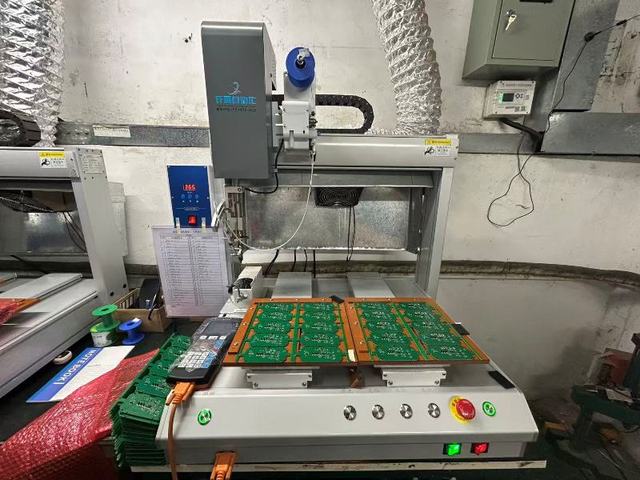
Automated surface mount technology (SMT) operations and scale efficiencies allow China-based factories to produce automotive-grade matrices, DRLs, and ambient lights at a fraction of the cost of regional Western manufacturing plants.
With comprehensive vertical integration, factories like Hangzhou EV Light Co., Ltd. offer rapid OEM/ODM layout cycles, transitioning a CAD concept model to a physical photometrical testing prototype within a few weeks.
| Lighting Tech Generation | Typical Luminous Efficacy (lm/W) | Energy Draw (Watts per Module) | Thermal Dissipation Req. | Average Operating Lifespan |
|---|---|---|---|---|
| Halogen Systems (Legacy) | 15 - 25 lm/W | 55W - 65W | Extremely High (Radiant Heat) | 1,000 Hours |
| Standard High-Power LEDs | 80 - 100 lm/W | 15W - 25W | Moderate (Junction Cooling Needed) | 30,000 Hours |
| Smart Matrix LED (Hangzhou EV Light) | 110 - 130 lm/W | 12W - 18W | Optimized Active Heat Dissipation | 50,000+ Hours |
| Laser / Micro-LED Systems | 130+ lm/W | 8W - 12W | Low (Highly localized) | 60,000 Hours |
How international automotive buyers evaluate EV lighting manufacturers and ensure robust quality control.
Electric vehicles feature dynamic torque delivery and different chassis vibration profiles than ICE cars. Lighting systems must pass rigorous vibration sweep tests to ensure soldering joints on COB chips and connections remain intact.
Smart EV lights do not operate as isolated analog circuits. They interface directly with the central vehicle control unit (VCU) using Controller Area Network (CAN) or Local Interconnect Network (LIN) protocols for adaptive functionality.
Electric powertrains produce high amounts of electromagnetic interference (EMI). LED drivers and switching regulators must be shielded to prevent interference with radar, lidar, and telemetry systems.
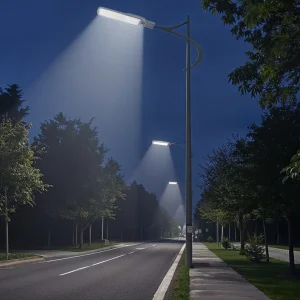
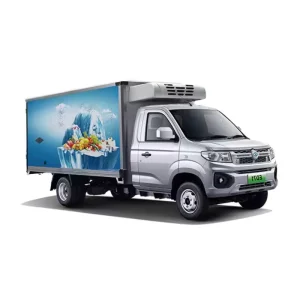
As transit transitions away from fossil fuels, light efficiency requirements apply to multiple industries:
Your Trusted Global Partner in Advanced Automotive Lighting Technology and Smart Mobility Innovation.
Hangzhou EV Light Co., Ltd. is a professional China electric vehicle lighting manufacturer specializing in EV LED lighting and smart automotive lighting solutions for the rapidly evolving new energy vehicle industry. With a strong commitment to innovation, performance, and reliability, we provide advanced lighting technologies that enhance vehicle safety, energy efficiency, functionality, and visual appeal.
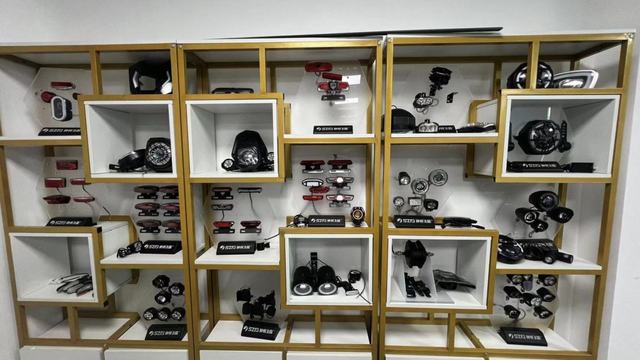
Our product portfolio includes EV headlight systems, taillight assemblies, daytime running lights, signal lighting, interior ambient lighting, charging status indicators, smart lighting modules, and customized automotive lighting solutions. Designed to meet the requirements of modern electric vehicles, our products are widely used in passenger EVs, commercial electric vehicles, electric buses, electric motorcycles, electric scooters, and emerging smart mobility applications.
At Hangzhou EV Light, we combine advanced engineering expertise with modern manufacturing capabilities to develop lighting solutions that deliver superior brightness, durability, and energy efficiency. Our experienced research and development team continuously explores new technologies in intelligent lighting control, adaptive lighting systems, LED integration, and automotive electronics to support the future of electric transportation.
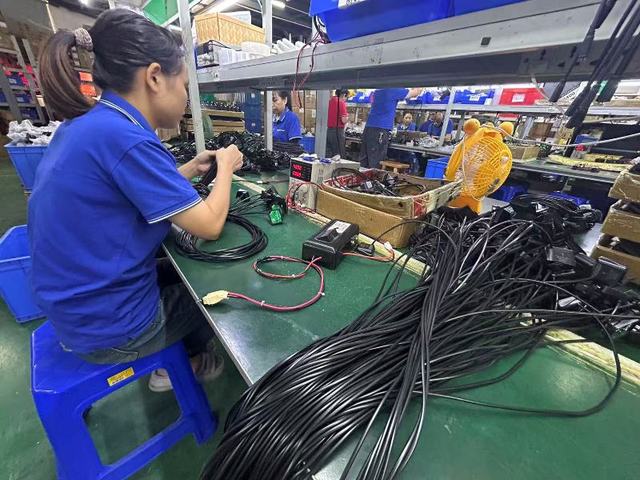
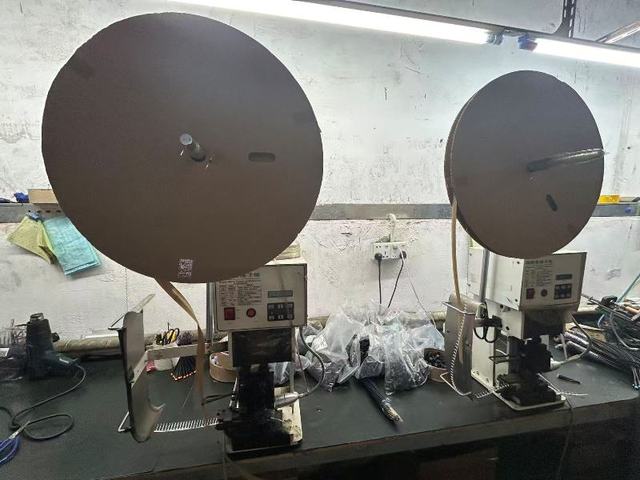
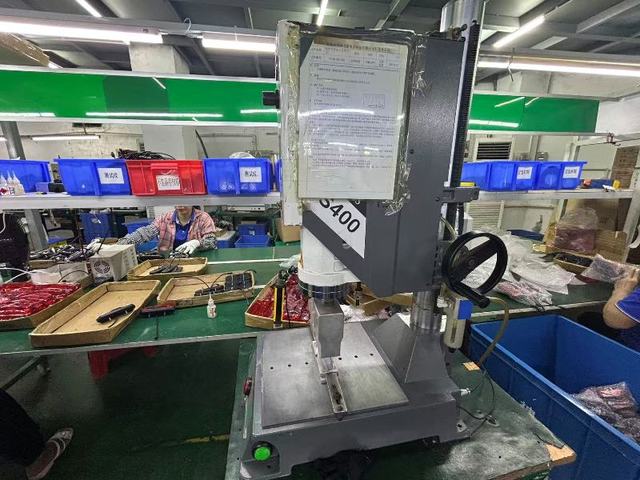
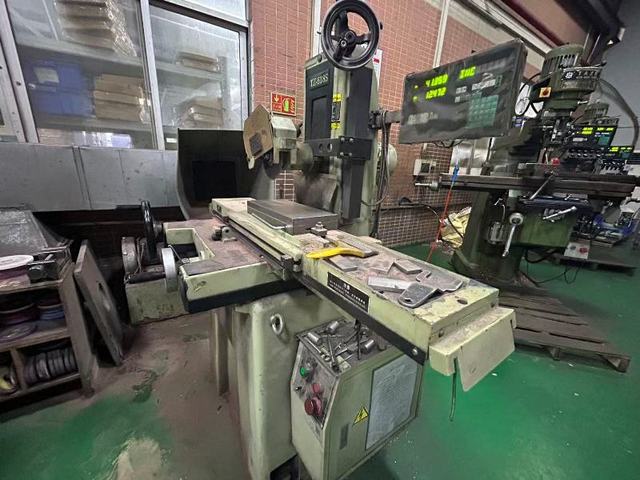
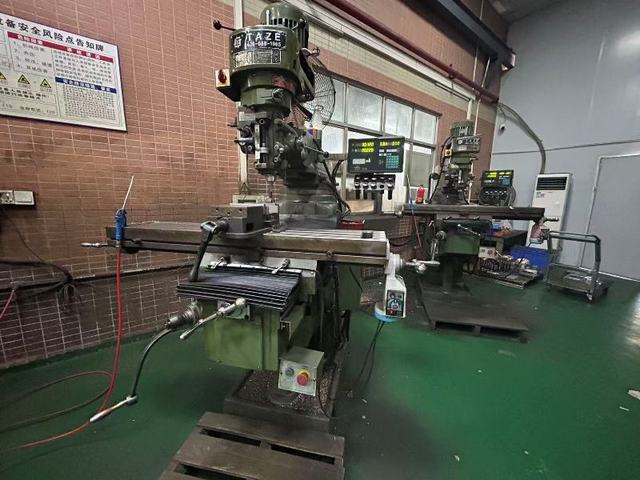
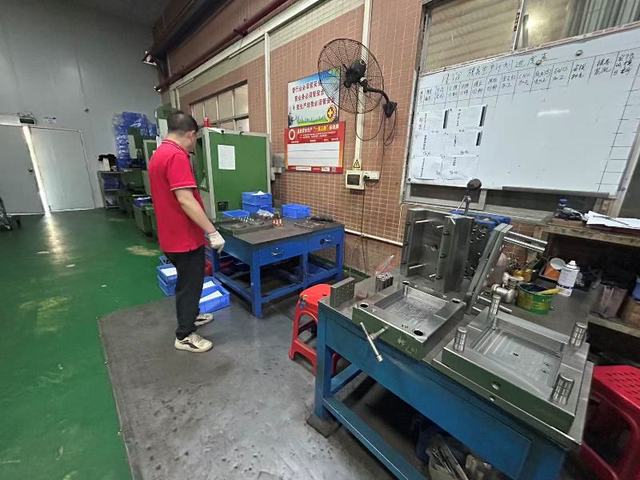
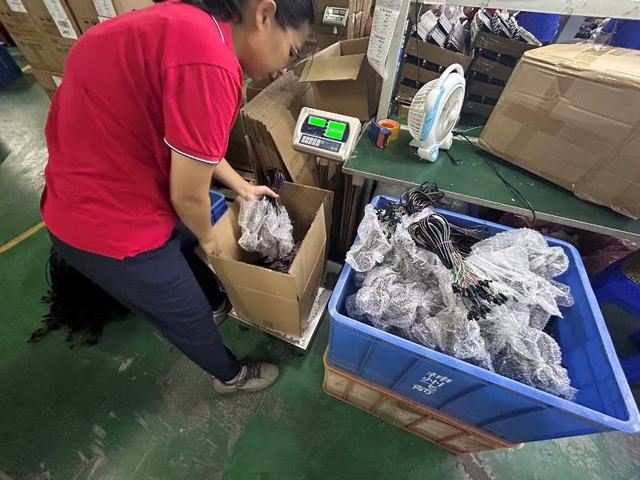
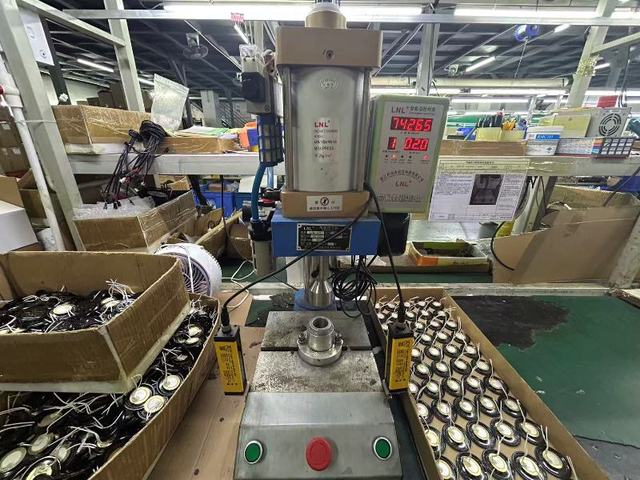
Quality is at the core of our operations. From component sourcing and product development to production and final testing, every stage follows strict quality management procedures to ensure consistent performance and compliance with international automotive standards. Our manufacturing facility is equipped with advanced production and testing equipment, enabling us to provide reliable products for demanding automotive environments.
We offer comprehensive OEM and ODM services for vehicle manufacturers, automotive suppliers, distributors, and mobility brands worldwide. Whether customers require customized designs, private-label production, or large-scale manufacturing, our flexible production capabilities support projects of various sizes and specifications. Serving clients across North America, Europe, Southeast Asia, the Middle East, and other global markets, Hangzhou EV Light Co., Ltd. is dedicated to delivering innovative electric vehicle lighting solutions that contribute to safer, smarter, and more sustainable transportation.
Technical answers to common questions about electric vehicle lighting efficiency and international OEM sourcing.
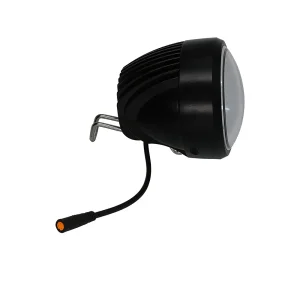
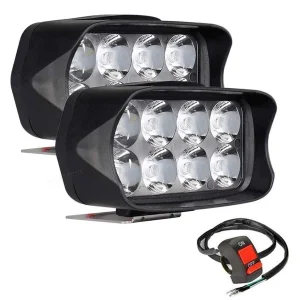
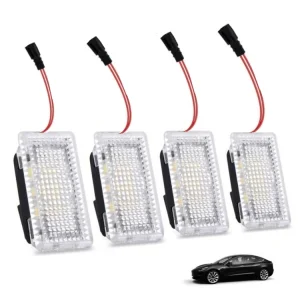
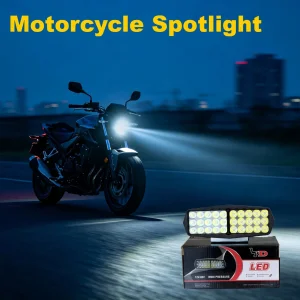
High-durability accessories, ambient styling strips, and specialized off-road motorcycle lighting modules.
 EV Light