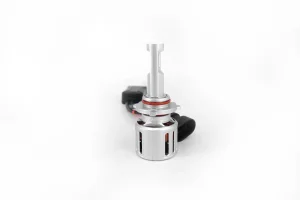
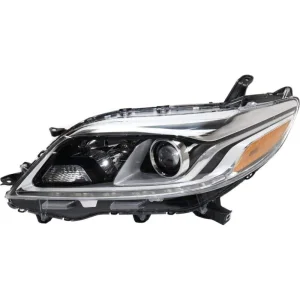
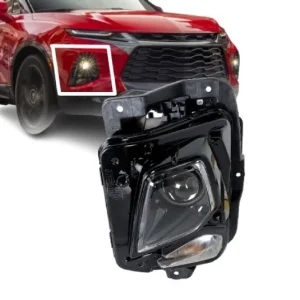
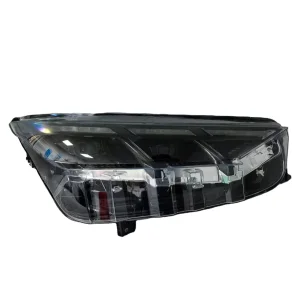
High-efficiency, certified optical components engineered to maximize battery efficiency and illumination performance.
Mapping the transition from legacy halogen setups to ultra-efficient, solid-state LED systems in global micromobility markets.
The global electric vehicle transition is accelerating rapidly, and electric two-wheelers (motorcycles, scooters, and mopeds) are leading this charge, especially across urban centers. With this massive market growth comes a critical engineering focus on ancillary systems, chief among which is Electric Motorcycle Light Technology. Historically, lighting was considered a secondary design factor. However, within the new energy vehicle paradigm, every watt saved directly translates to increased range and optimized battery sizing. Modern electric motorcycle lighting has graduated from basic illumination to complex optoelectronic systems integrating CAN-bus communication, adaptive beam control, and high-efficiency thermal dissipation.
From an industrial perspective, China has established itself as the undisputed epicenter for wholesale electric motorcycle light manufacturing. Leveraging a vertically integrated electronics supply chain, high-precision injection molding, and extensive experience in automotive semiconductor assemblies, Chinese manufacturers deliver components that satisfy both strict global safety frameworks (like ECE and DOT) and competitive pricing structures. The rise of smart logistics, last-mile delivery fleets, and premium urban commuting segments has globally catalyzed demand for robust, high-performance lighting. Commercial buyers and Tier-1 motorcycle OEMs look to China not just for component sourcing, but for comprehensive technology partnerships capable of offering custom optical patterns, structural modularity, and advanced driver-on-board (DOB) topologies.
This industrial maturation has led to major shifts in regulatory standards. Globally, imports of L-category vehicle components require comprehensive certification compliance. This includes the UN ECE Regulations (specifically R113 for symmetrical passing beams, R50 for light-signaling devices, and R148/R149 for updated automotive-class light sources) and FMVSS Standard 108 in the United States. Meeting these benchmarks demands advanced testing infrastructures, such as computerized goniophotometers and integrating spheres, which China’s premier manufacturing plants operate to assure international market viability.
Exploring the frontier of adaptive illumination, smart matrix arrays, and advanced materials.
Once reserved for premium automobiles, Adaptive Driving Beams are scaling down to electric motorcycles. By integrating MEMS gyroscopic sensors and microcontrollers, headlights dynamically shift the cutoff line during cornering to illuminate blind spots, dramatically increasing nighttime rider safety.
High-power LEDs generate intense localized heat on small chip areas. Current trends focus on direct-to-copper MCPCBs (Metal Core PCBs) and phase-change thermal interface materials (TIM), reducing thermal impedance and preventing LED junction temperatures from exceeding critical limits.
By leveraging individually addressable LED matrices, electric motorcycles can project status indicators, charging animations, and warnings directly onto the pavement, transforming lighting from a basic utility into an active communication hub.
Furthermore, the evolution of materials has introduced automotive-grade, high-transmittance Polycarbonate (PC) and Polymethyl Methacrylate (PMMA) lenses coated with specialized anti-scratch and UV-blocking barriers. These materials ensure that the lens preserves its clarity over decades of exposure to harsh sunlight, avoiding yellowing and light scattering. Efficiency gains in semiconductor fabrication also allow modern LEDs to deliver upwards of 140 lumens per watt, meaning headlights can perform at maximum intensity while drawing less than 10-15W of continuous power, minimizing range depletion.
Adapting lighting hardware to meet regional climatic conditions and user behaviors worldwide.
A key focus for major B2B distributors and motorcycle manufacturers is optimizing light assemblies for localized operating environments. The technical demands on an electric motorcycle headlight vary significantly by region:
Deep engineering insights into electrical integration, optical collimation, and future digital systems.
Designing a reliable lighting system for electric motorcycles requires a multidisciplinary engineering approach. Below is the current technology roadmap detailing the transition from traditional electrical configurations to future smart nodes:
Traditional ICE motorcycles rely on standard 12V lead-acid batteries. Electric motorcycles, however, operate on main traction batteries ranging from 36V, 48V, 60V, to 72V and higher. Designing driver circuits that operate reliably across these wide-voltage spans without needing bulky step-down DC-DC converters is a major focus. Modern wholesale light manufacturers develop multi-stage buck-boost drivers with integrated Transient Voltage Suppressor (TVS) diodes to absorb high-voltage spikes during regenerative braking and rapid accelerations.
Optic designs utilize total internal reflection (TIR) lenses and complex free-form reflectors. Unlike generic automotive assemblies, two-wheeler optical design must account for vehicle pitch and lean. By applying micro-optical arrays (MOA), engineers achieve precise light shaping, throwing beams wider to the left and right sides of the road to ensure visibility during turns, all while keeping the physical size of the lamp assembly compact.
The roadmap points toward lighting units acting as smart nodes on the vehicle's CAN-bus (Controller Area Network) or LIN-bus (Local Interconnect Network) communication systems. Instead of simple physical switches, lights receive digital instructions from the VCU. This allows the implementation of advanced functions like dynamic startup sequences, diagnostic reports (alerting the rider of a bulb failure), and speed-dependent light throw adjustments.
From initial optical simulation to mass-production line validation.
For global vehicle manufacturers (OEMs) and major Tier-1 sourcing companies, the key to success lies in choosing a manufacturer that offers complete macro-level development solutions. An institutional B2B supplier does not merely manufacture plastic lenses and solder LEDs; they provide a comprehensive engineering ecosystem:
Hangzhou EV Light Co., Ltd. — Leading the field of new energy vehicle lighting systems.
Hangzhou EV Light Co., Ltd. is a professional China electric vehicle lighting manufacturer specializing in EV LED lighting and smart automotive lighting solutions for the rapidly evolving new energy vehicle industry. With a strong commitment to innovation, performance, and reliability, we provide advanced lighting technologies that enhance vehicle safety, energy efficiency, functionality, and visual appeal.
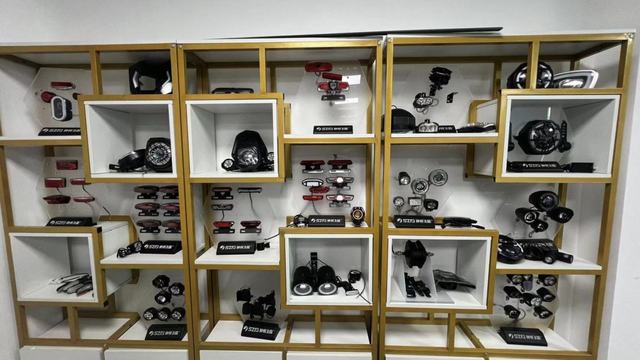
Our product portfolio includes EV headlight systems, taillight assemblies, daytime running lights, signal lighting, interior ambient lighting, charging status indicators, smart lighting modules, and customized automotive lighting solutions. Designed to meet the requirements of modern electric vehicles, our products are widely used in passenger EVs, commercial electric vehicles, electric buses, electric motorcycles, electric scooters, and emerging smart mobility applications.
At Hangzhou EV Light, we combine advanced engineering expertise with modern manufacturing capabilities to develop lighting solutions that deliver superior brightness, durability, and energy efficiency. Our experienced research and development team continuously explores new technologies in intelligent lighting control, adaptive lighting systems, LED integration, and automotive electronics to support the future of electric transportation.
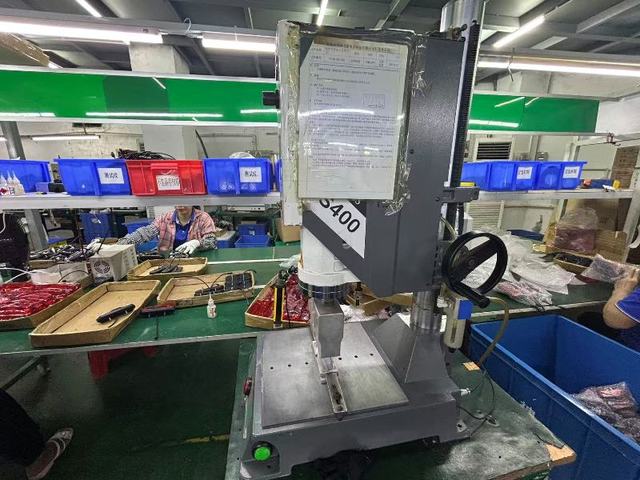
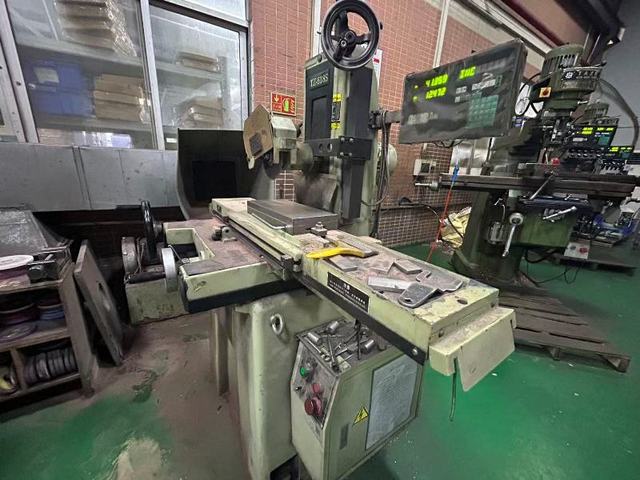
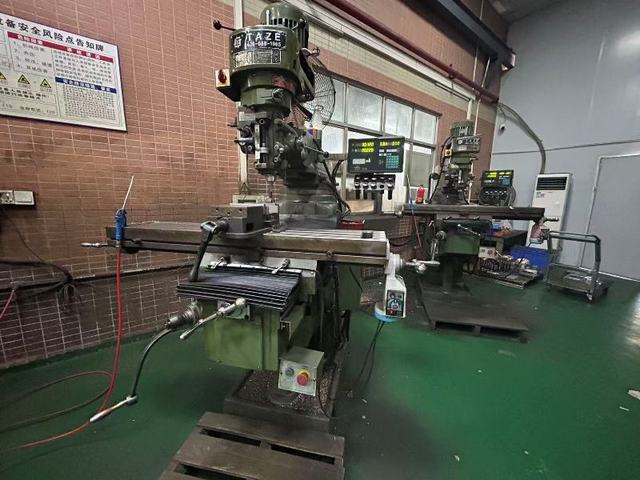
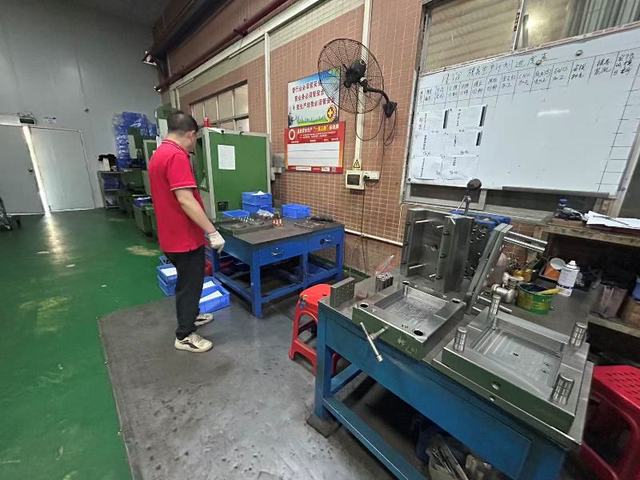
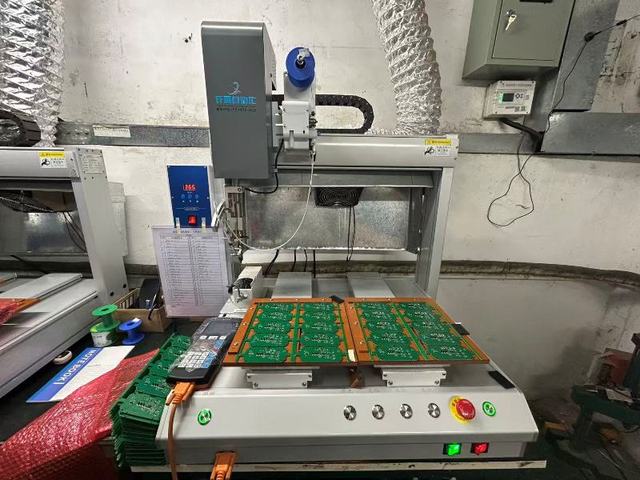
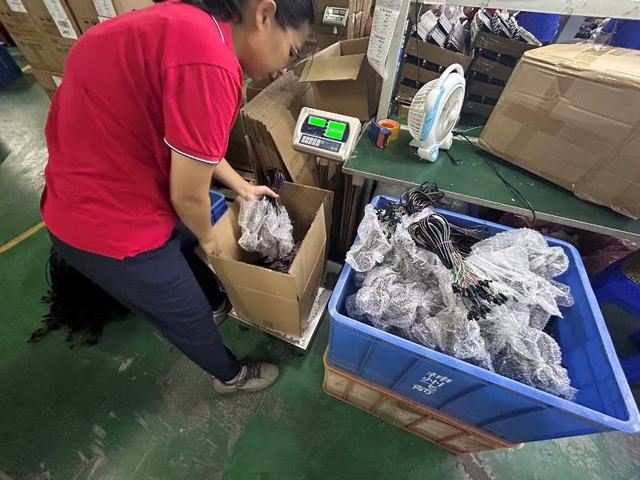
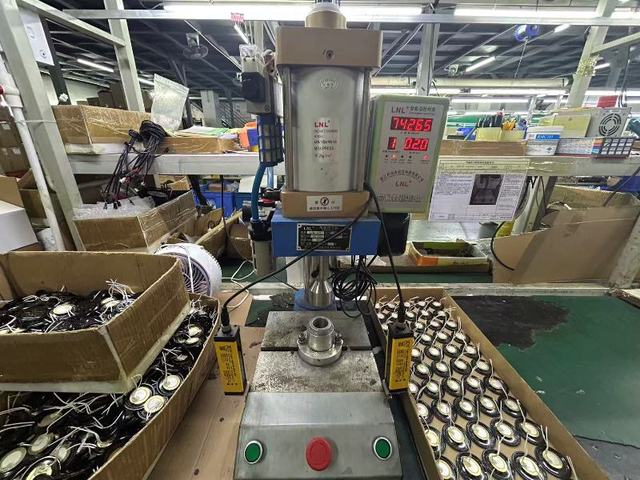
Quality is at the core of our operations. From component sourcing and product development to production and final testing, every stage follows strict quality management procedures to ensure consistent performance and compliance with international automotive standards. Our manufacturing facility is equipped with advanced production and testing equipment, enabling us to provide reliable products for demanding automotive environments.
We offer comprehensive OEM and ODM services for vehicle manufacturers, automotive suppliers, distributors, and mobility brands worldwide. Whether customers require customized designs, private-label production, or large-scale manufacturing, our flexible production capabilities support projects of various sizes and specifications.
Serving clients across North America, Europe, Southeast Asia, the Middle East, and other global markets, Hangzhou EV Light Co., Ltd. is dedicated to delivering innovative electric vehicle lighting solutions that contribute to safer, smarter, and more sustainable transportation. Our mission is to become a trusted global partner in advanced automotive lighting technology and smart mobility innovation.
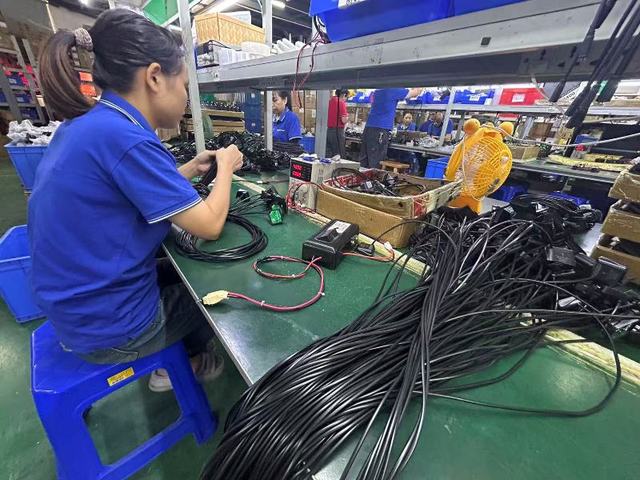
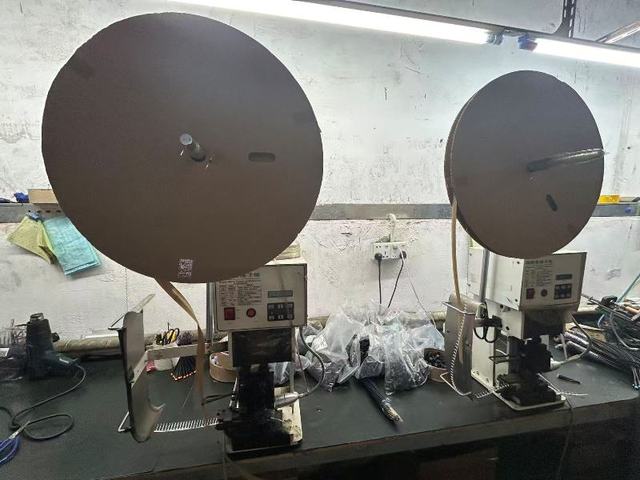
Technical specifications, engineering answers, and structural insights for B2B buyers.
Professional-grade electrical accessories, signboards, and vehicle headlight assemblies for international markets.

 EV Light